
 By Raul Delapena Setiawan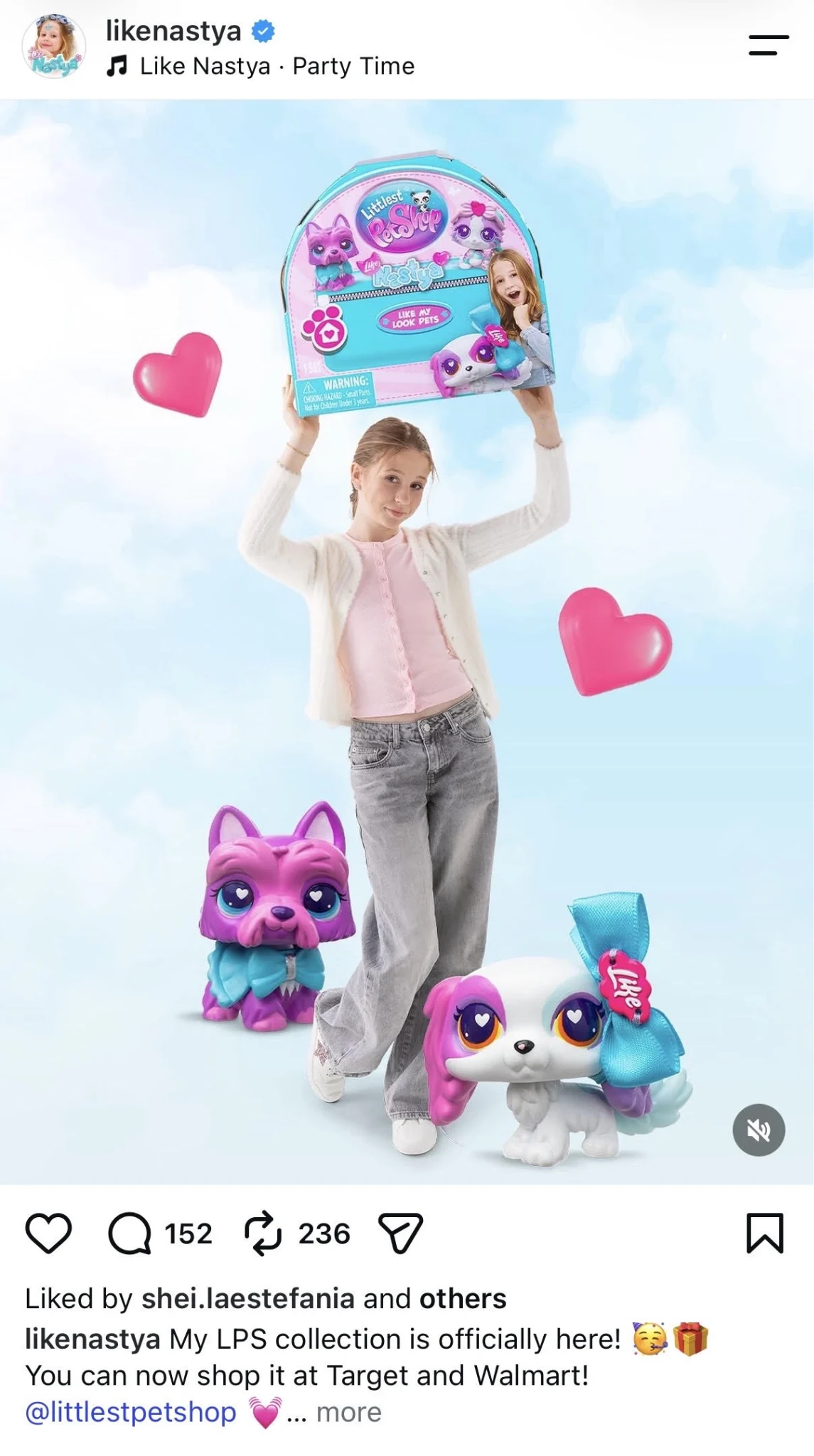
By Erin Rodrigue
Published by Hootsuite Insights
If terms like “skibidi,” “6-7,” or “brainrot” sound like foreign language elements to your marketing team, your organization is suffering from a critical demographic blind spot. Generation Alpha—individuals born between 2010 and 2024—is no longer a distant demographic hypothesis. As of 2026, the oldest members of this cohort are turning 16, entering high school, driving cultural trends, and rewriting the fundamental rulebook of consumer engagement.

Far from being a mere carbon copy of Gen Z, Generation Alpha brings an entirely distinct set of psychological triggers, digital expectations, and purchasing behaviors to the marketplace. For modern brands, navigating this landscape requires more than just recycling old playbook strategies; it demands a sophisticated understanding of hyper-personalized algorithms, immersive gaming economies, strict regulatory guardrails, and the perpetual duality of marketing to both the child consumer and the parent holding the wallet.
Main Facts: The Rise of the World’s Largest Generation
Generation Alpha represents a historic demographic milestone. Encompassing individuals born from 2010 through 2024, they currently constitute the largest generation on Earth, making up approximately 24.4% of the global population.

Unlike previous generations who experienced the transition from analog to digital, Gen Alpha has never known a world without ubiquitous smart devices, touchscreens, and sophisticated recommendation algorithms. They were swiping iPads before they could tie their shoes.
However, marketing to this demographic presents a unique paradox: a substantial portion of Gen Alpha remains under the age of 18. Consequently, brands cannot simply target the youth directly. They must execute a dual-pronged strategy that captures the imagination of the child who desires the product while satisfying the practical, financial, and safety concerns of the parent who ultimately authorizes the purchase.
Chronology of the Digital Native Evolution
To understand how Gen Alpha arrived at their current consumer profile, it is helpful to trace the chronological evolution of digital consumption over the past two decades:
- The Millennial Transition (Early 2000s): Grew up alongside the advent of the consumer internet, web forums, and early search engines, transitioning from dial-up to broadband.
- The Gen Z Awakening (Late 1990s to 2009): Emerged as true digital natives, witnessing the birth of smartphones, the rise of mobile apps, and the initial wave of social media platforms (Facebook, early Instagram).
- The Algorithm-First Era (2010–2015): The birth years of Gen Alpha. This period marked the shift from static web content to highly sophisticated, machine-learning-driven algorithmic feeds on platforms like YouTube.
- The Immersive Social Commerce Boom (2016–2022): As early Alphas entered childhood, short-form video (TikTok) and immersive gaming ecosystems (Roblox, Minecraft) became their primary social hubs, normalizing in-app social shopping and virtual economies.
- The Multi-Platform Maturity (2023–Present): Gen Alpha expands across platforms, demanding interactive, gamified content while regulatory bodies tighten global compliance standards around minor data privacy (COPPA).
Supporting Data: How Gen Alpha Differs from Gen Z
Market research data highlights a stark divergence between Gen Z and Gen Alpha consumers across personalization, content preferences, brand engagement, and social shopping habits.

| Area | Gen Z Consumers | Gen Alpha Consumers |
|---|---|---|
| Personalization | Grew up as algorithms were becoming sophisticated. | Expects hyper-personalized feeds as a baseline reality. |
| Content Preferences | Fast and visual (video-watching). | More interactive, immersive, and gamified. |
| Brand Engagement | 44% engage directly with brand posts and follow brands. | Only 28% interact with brand posts directly. |
| Social Shopping | Comfortable with social commerce features. | Highly reliant on social shopping tools; heavily prone to online-exclusive purchasing. |
The Death of Traditional Media and the Supremacy of YouTube
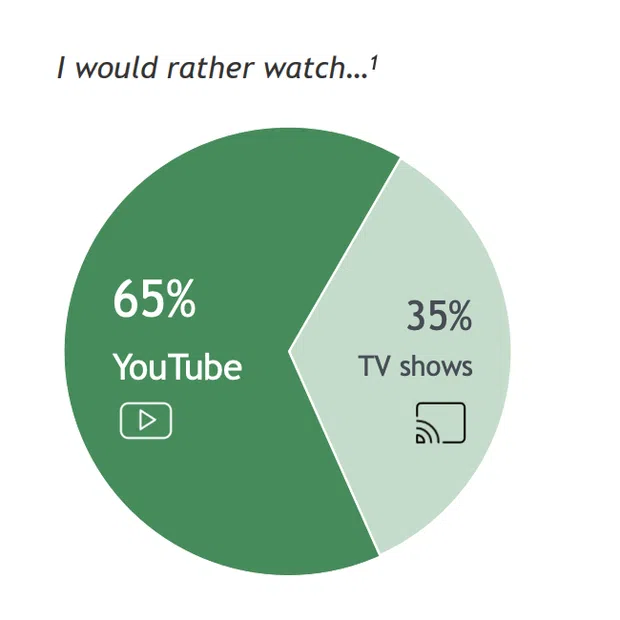
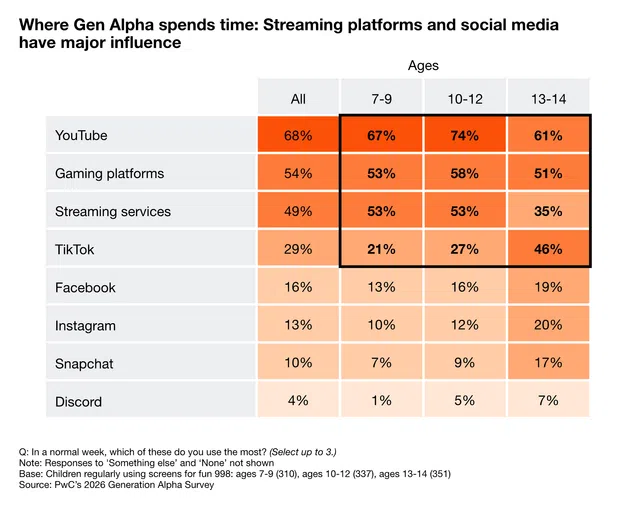
Data from the Collage Group and PwC illustrates a profound shift in entertainment consumption. Approximately 65% to 68% of Gen Alpha prefer YouTube over traditional television shows. YouTube dominates across all youth age brackets—from 7-to-9-year-olds up to 13-to-14-year-olds.
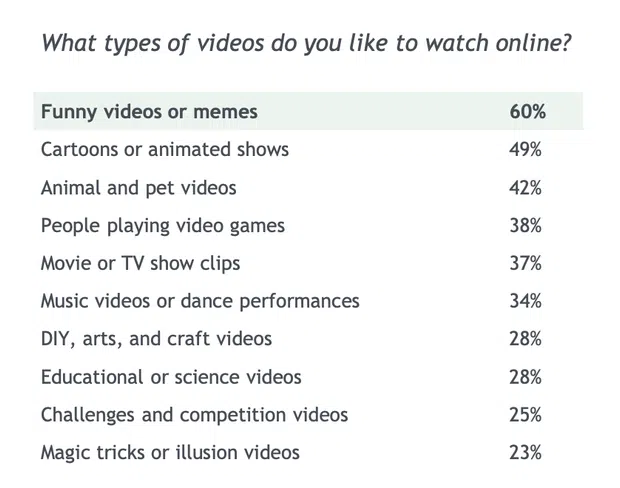
Furthermore, 3 in 5 Gen Alphas state they would rather play video games than watch passive videos. Platforms like Roblox command staggering loyalty, with 56% of their active user base under the age of 16. This generation does not just want to watch content; they want to do something within it—whether that involves customizing avatars, competing in challenges, or building virtual worlds.
The Myth of the Uninfluential Child
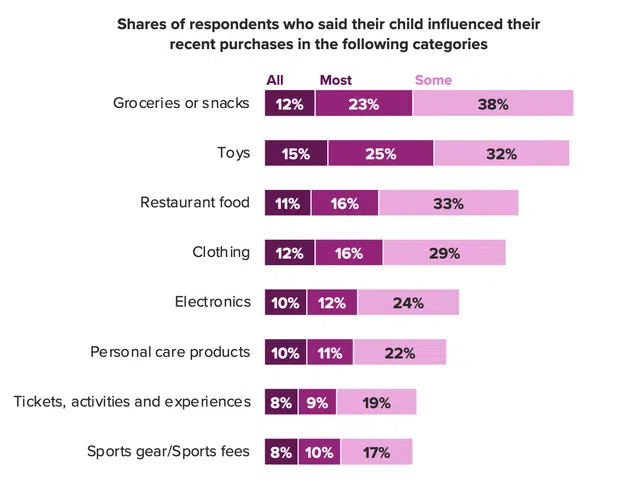
While children do not control household bank accounts, their influence over family purchasing decisions is undeniable. Recent findings from Morning Consult and Collage Group reveal that 73% of parents state their children are the primary source of information regarding new or trending products. Nearly three-quarters of parents report that their Gen Alpha children exert direct influence over recent grocery, snack, and toy purchases.
Moreover, approximately 42% of parents provide their Gen Alpha children with a regular allowance, granting them direct, autonomous spending power over micro-transactions and small-scale goods.

Official Responses: Industry Leaders on Navigating the Shift
Navigating the Gen Alpha demographic requires a recalibration of professional marketing standards. Industry experts emphasize that traditional tactics—such as relying on generic web reviews or attempting to mimic teenage slang—will inevitably backfire.
Kayleigh Crandell, Social Lead and Project Manager at Xponent21, emphasizes the necessity of cultural authenticity:

"These kids have eyes on screens all the time, so breaking through the noise in a native way is both the challenge and the mark of excellence. Brands assume brain rot and loud colors are enough on their own, since that combination has worked on kids for decades. But it’s hardly unique to Gen Alpha… Keep things fun, since entertainment is the baseline expectation, but remember to lean into authenticity and strangeness to emphasize your brand’s impact on culture."
To succeed, companies must look at successful case studies like Evereden, a specialized skincare brand for kids. Evereden’s TikTok strategy deploys playful, trend-forward videos that appeal directly to youth culture, while seamlessly reinforcing parental priorities such as non-toxic, dermatologist-tested ingredients. Similarly, Claire’s utilizes family-focused influencer content where creators document milestones like ear piercings, utilizing video captions to reassure parents regarding medical-grade health and safety standards.
Implications: Regulatory Compliance, Strategy, and Implementation
Marketing to a demographic largely composed of minors introduces profound legal and ethical implications. Brands cannot operate under a "move fast and break things" ethos when dealing with children.
1. Navigating COPPA and Data Privacy Compliance
In the United States, the Children’s Online Privacy Protection Act (COPPA) strictly regulates how organizations collect personal data from children under 13. Crucially, COPPA applies the moment content is deemed "directed to children," regardless of whether the organization identifies primarily as a children’s brand. Marketers must secure verifiable parental consent before harvesting names, emails, geolocation data, or behavioral metrics used for ad targeting.
Furthermore, platform-specific age minimums and advertising restrictions—such as Meta’s policy limiting teen ad targeting strictly to age and location data—mean that standard digital marketing playbooks must be audited for strict compliance.
2. Building a Comprehensive Gen Alpha Strategy
To build a resilient strategy for reaching Generation Alpha without alienating their parents, brands should adhere to four core pillars:
- Segment by Specific Age Brackets: Recognize that a 7-year-old and a 16-year-old inhabit entirely different cultural universes. Tailor your channel selection and messaging to the precise micro-generation you intend to reach.
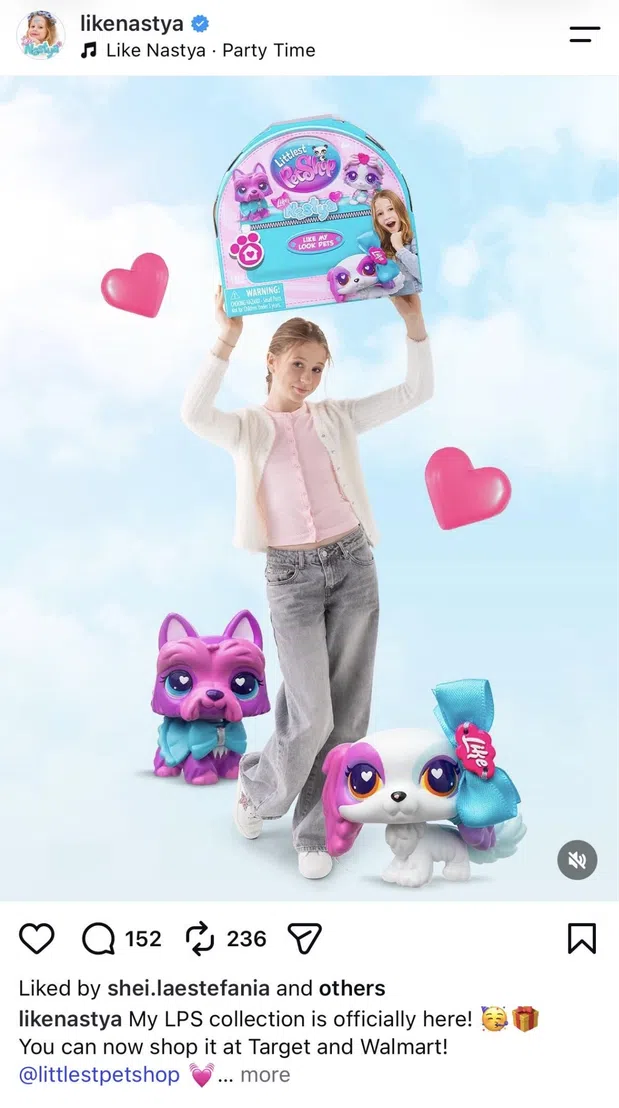
- Dual-Audience Messaging: Design content that entertains the youth while offering logical validation (safety, value, quality) to the parent holding the credit card.
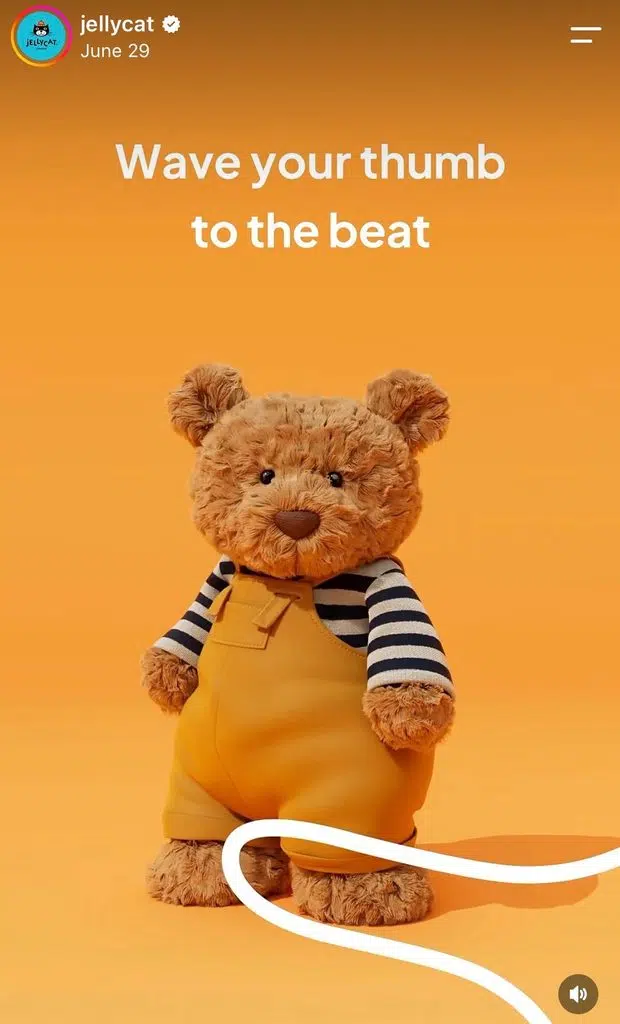
- Native Content Integration: Reject blatant, overly commercial advertisements. Gen Alpha possesses an innate radar for inauthentic marketing. Content must feel native to the feed—fun, weird, and culturally relevant.
- Strategic Creator Partnerships: Leverage influencers and content creators who already hold sway over youth audiences. However, vet these partners rigorously to ensure their personal values align with parental expectations.
How Hootsuite Empowers Brands to Market to Gen Alpha Responsibly
Because Generation Alpha’s digital habits move at lightning speed, modern marketing teams require an integrated toolkit to manage multi-channel campaigns, track real-time trends, and maintain rigorous compliance guardrails. Hootsuite provides a unified ecosystem designed to address these exact challenges:
- Plan Multi-Platform, Family-Safe Content with Perch: Gen Alpha’s attention is fragmented across YouTube, TikTok, and gaming ecosystems. Hootsuite’s Perch calendar enables teams to plan, schedule, and tailor cross-network content from a single dashboard, incorporating custom approval workflows to ensure nothing goes live without internal sign-off.
- Move Faster on Trends with Wisdom: Cultural trends shift overnight. Hootsuite’s Wisdom AI leverages performance and social listening data to surface emerging angles, draft native posts, and push them straight into your publishing schedule before trends pass you by.
- Keep Campaigns Compliant with Vigil: When minors are part of your audience, compliance failures carry severe financial and reputational penalties. Vigil embeds governance and risk controls directly into your publishing workflow, ensuring total adherence to privacy regulations and safety standards.
Frequently Asked Questions (FAQ)
What is Gen Alpha marketing?
Gen Alpha marketing encompasses the strategies brands use to connect with individuals born after Gen Z (2010–2024). It requires meeting them on the digital channels they frequent with interactive, entertaining, and highly personalized content.

How old is Generation Alpha?
Gen Alpha spans birth years 2010 to 2024. As of 2026, the oldest members are 16 years old (entering mid-adolescence), while the youngest are toddlers.
How does Gen Alpha differ from Gen Z?
While both are digital natives, Gen Alpha grew up immersed in sophisticated, algorithm-driven feeds and interactive gaming environments (like Roblox and Minecraft) rather than passive television or static web pages. They expect hyper-personalization as a baseline.
What mistakes should brands avoid when marketing to Gen Alpha?
Common pitfalls include reducing Gen Alpha to a flat aesthetic (e.g., relying solely on loud colors or surface-level slang), assuming they lack attention spans when they routinely engage in hours-long long-form video or gaming sessions, and attempting to forcefully "cosplay" as teenagers in an inauthentic manner.
How does Hootsuite help brands market to Gen Alpha responsibly?
Hootsuite provides tools like Perch for multi-platform scheduling, Wisdom for real-time trend identification, and Vigil for strict compliance and governance, ensuring brands can engage younger audiences safely and effectively.
 Evan Lee Salim
  Dwi Wanna
  Asep Darmawan