
 By Lina Irawan
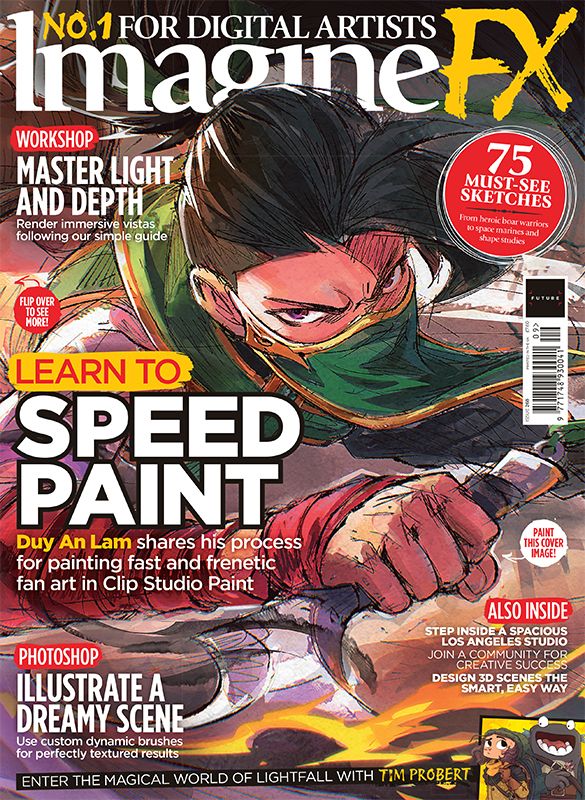
For digital artists, concept illustrators, and fantasy creators, the pursuit of mastery is an endless journey of refinement. This month, ImagineFX returns with its 268th issue, serving as a comprehensive toolkit designed to help artists of all levels transition from hesitant sketches to professional-grade speed painting. By synthesizing technical tutorials with deep dives into the workflows of industry titans, this issue aims to demystify the creative process and provide actionable strategies for artistic growth.
The Core Mission: Transforming Concepts into Execution
The primary focus of this month’s edition is the art of "speed painting"—the ability to rapidly translate fleeting ideas into high-fidelity visual concepts. In a professional landscape where efficiency is as valued as aesthetic quality, the capacity to iterate quickly is a defining trait of the modern concept artist.
ImagineFX has curated a selection of tutorials that break down the speed-painting process into manageable steps. By focusing on fundamental principles—shape language, value structure, and focal points—the magazine demonstrates how artists can bypass hours of over-rendering and instead focus on the "gestalt" of an image. Whether you are working on character design or environmental world-building, the goal is to provide a roadmap for moving from a blank canvas to a compelling narrative image in a fraction of the time typically required.
A Chronology of Artistic Development: From Sketch to Studio
The issue unfolds in a structured progression, mirroring the lifecycle of a professional art project:
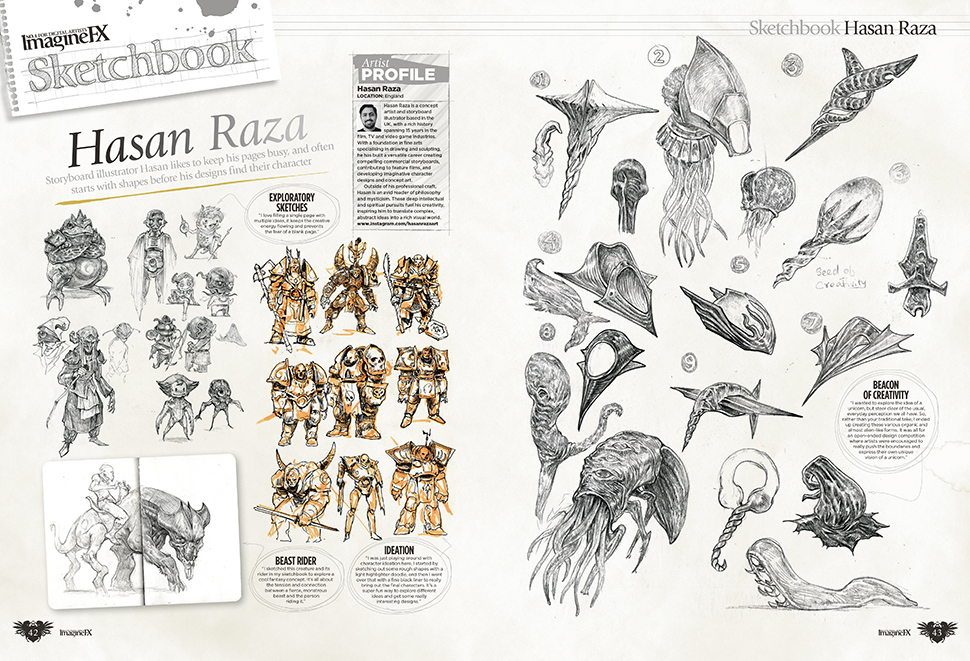
- The Ideation Phase: The journey begins with Hasan Raza’s sketchbook. By showcasing his studies—ranging from space marines to complex boar warriors—the magazine emphasizes that professional work is built upon the back of rigorous, informal practice.
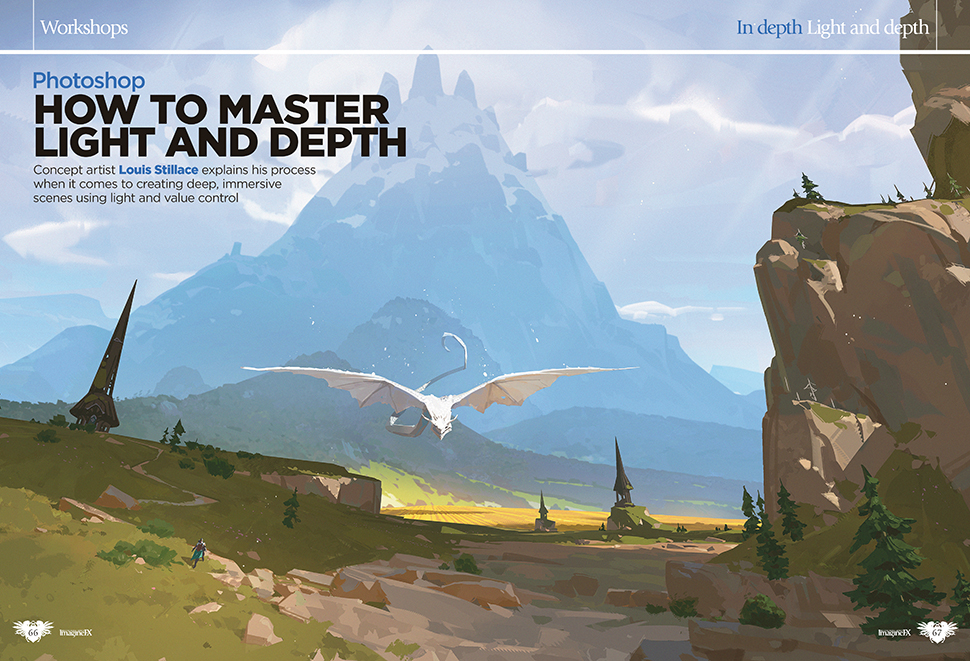
- Technical Refinement: Once the initial concept is established, the focus shifts to light and depth. Concept artist Louis Stillace provides a masterclass on how to manipulate light to create believable atmosphere, ensuring that the artist’s vision is not just flat, but occupies a tangible, three-dimensional space.
- The Environment Stage: Patryk Stefaniak steps in to provide advice on crafting epic vistas. His methodology highlights the importance of scaling and composition, showing readers how to assemble massive, breathtaking environments without becoming lost in the technical weeds.
- The Career Trajectory: Finally, the issue moves beyond the canvas to look at the professional path, featuring an exclusive interview with Tim Probert. By discussing his journey and his graphic novel series, Lightfall, the magazine provides a narrative arc for the reader: from the technical skills needed to draw, to the persistence required to build a career in the publishing industry.
Supporting Data and Industry Context
To understand the value of ImagineFX, one must look at the shifting landscape of the creative industries. According to recent surveys within the digital art community, the primary hurdle for emerging artists is not just technical skill, but the ability to maintain consistency while working under tight deadlines.
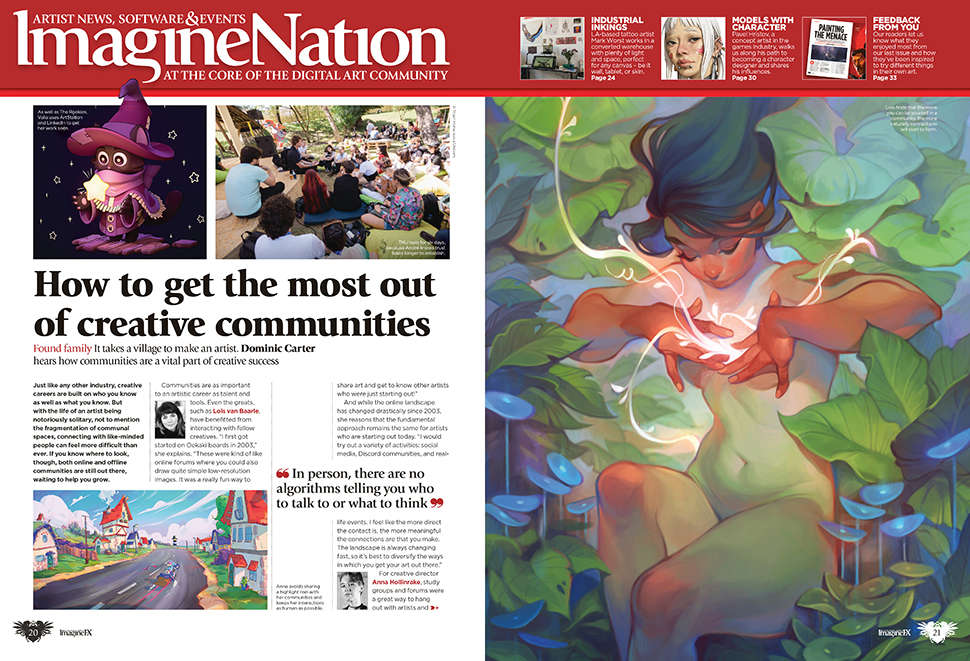
The tutorials featured in issue 268 address this directly. By emphasizing "shape studies" and "rapid setup," the content is aligned with the industry’s demand for concept artists who can provide multiple iterations in a single day. Furthermore, the inclusion of a feature on the importance of "community" highlights a growing trend: the realization that individual development is tethered to social and professional networks. The magazine argues that participation in art groups, feedback loops, and critique sessions is not merely a supplementary activity, but a fundamental pillar of professional development.
Official Perspectives: The Value of the Studio Space
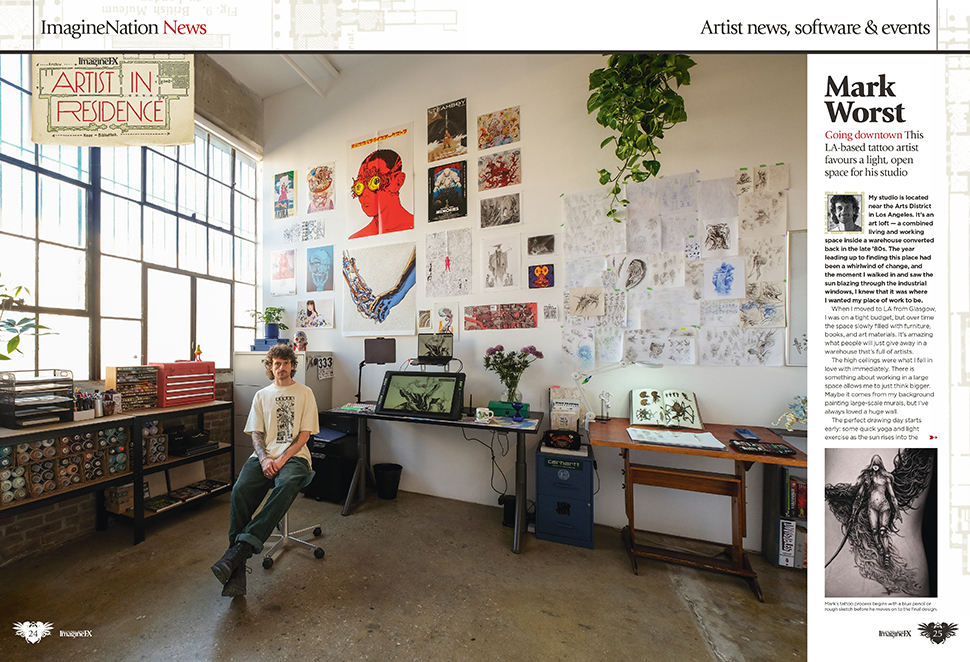
A unique aspect of this issue is its spotlight on the physical environment of the artist. The magazine takes readers on a tour of a loft studio in Los Angeles, exploring how the environment influences the creator.
Professional illustrators have long noted that their physical surroundings act as a "third teacher." A well-organized, inspirational space can lead to reduced cognitive load, allowing the artist to focus entirely on the execution of their vision. By documenting how a professional workspace is constructed and maintained, ImagineFX provides a holistic view of artistry—reminding readers that the profession is not just about pixels and tablets, but about the lifestyle and environment that support creative output.
Implications for the Creative Community
The implications of this issue extend beyond simple "how-to" advice. By promoting a blend of technical mastery and industry awareness, ImagineFX is actively shaping the standard for what a modern professional artist should be.
The Rise of the "Generalist-Specialist"
The tutorials presented in this issue suggest a move toward the "generalist-specialist" model. As the industry becomes more competitive, artists are increasingly expected to be proficient in multiple areas—character design, environment creation, and narrative development. The issue’s breadth, covering everything from sketchbooks to studio life, prepares readers to handle this multifaceted workload.
The Digital Archive as a Pedagogical Tool
A significant implication for subscribers is the accessibility of the magazine’s history. With a print subscription, members gain access to over 150 back issues. This represents a massive, searchable database of art techniques spanning over a decade. In an era where online tutorials are often fragmented or ephemeral, the ImagineFX digital archive serves as a permanent, curated encyclopedia of digital art evolution. It allows for a longitudinal study of how software, hardware, and artistic trends have changed, providing students and professionals with a clear picture of the industry’s trajectory.
Accessing the Resource
For those looking to secure their copy of issue 268, the process is streamlined through Magazines Direct. Whether one prefers the tactile experience of a print copy or the immediate convenience of a digital issue, the platform offers flexible options.
The economic incentive for a subscription is clear: not only does it provide a recurring source of high-quality, peer-reviewed creative advice, but it also unlocks the massive back catalogue mentioned above. For the developing artist, this is essentially a lifelong mentorship program.
Conclusion: Investing in Your Artistic Future
The release of ImagineFX issue 268 is more than just a monthly update; it is a signal for artists to re-evaluate their current workflows. By integrating the advice of professionals like Hasan Raza, Louis Stillace, and Tim Probert, the issue offers a balanced diet of technical instruction and career guidance.
Artistry is a marathon, not a sprint, yet the ability to "speed paint"—to capture the essence of an idea before it fades—is a crucial skill for any artist operating in the 21st century. Through the lens of this issue, we see that the path to mastery is composed of a thousand small, deliberate steps: the sketchbook study, the manipulation of light, the engagement with a community, and the cultivation of a personal studio space.
As we look toward the future of creative industries, platforms like ImagineFX remain vital. They bridge the gap between amateur enthusiasm and professional competence, ensuring that the next generation of artists has the tools, the knowledge, and the inspiration to bring their visions to life. Whether you are a student just picking up a stylus for the first time or a seasoned professional looking to refine your speed, this issue offers a wealth of insight that promises to elevate your work to the next level.
To stay ahead of the curve, ensure your skills are sharp and your techniques are up to date by exploring the full content of this issue and participating in the wider dialogue within the art community. The next great masterpiece is waiting to be painted—and with the right tools, you are closer to creating it than you think.
 Lina Hope
  Reynand Wu
  Pevita Pearce