
 By Suro Senen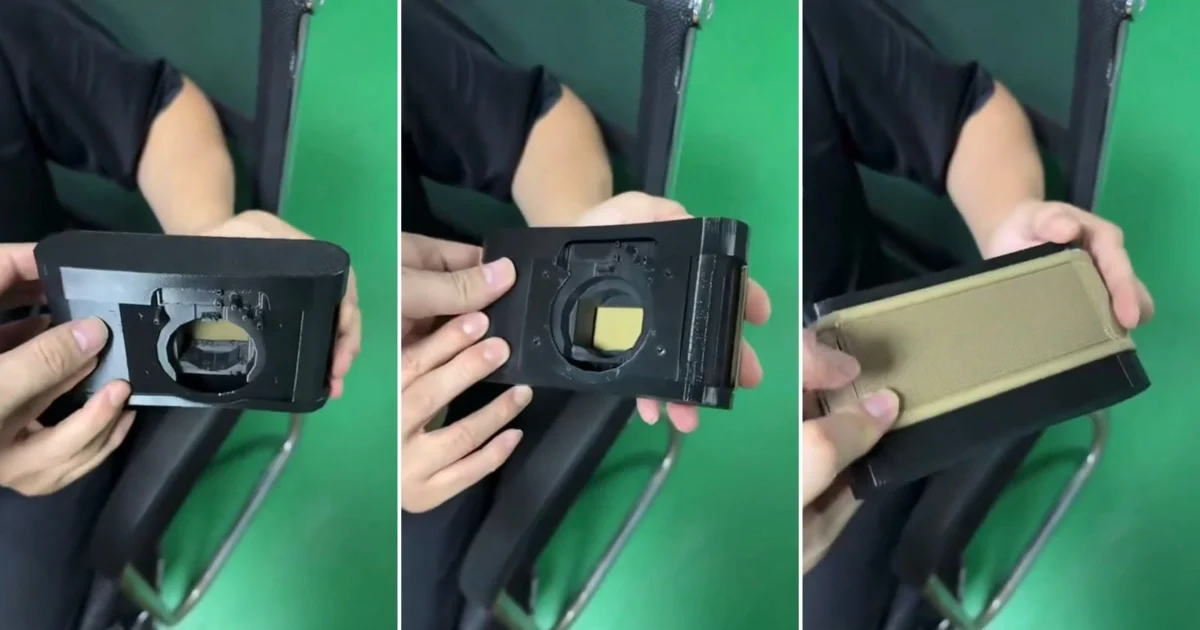
In the rapidly evolving landscape of analog photography, few companies have generated as much intrigue as Light Lens Lab. Originally carving out a niche by masterfully recreating some of the most legendary—and elusive—M-mount lenses in history, the company has officially signaled its intent to move beyond glass. In a move that has sent ripples through the film photography community, Light Lens Lab has confirmed it is in the early stages of developing an all-new analog camera, a project that promises to bridge the gap between vintage engineering and modern technological convenience.
The Evolution of an Analog Powerhouse
To understand the significance of this announcement, one must first look at the company’s trajectory. Light Lens Lab initially gained a cult following by reverse-engineering classic glass that had become prohibitively expensive for the average enthusiast. By offering faithful, high-performance recreations of optics that were once locked away in private collections or subject to exorbitant auction prices, they democratized the "vintage look."
However, the company’s ambitions were never limited to lenses. Over the past several years, Light Lens Lab has expanded its scope to include the very medium of photography itself. They are currently deep in the development of a proprietary black-and-white film emulsion, as well as an ambitious, long-term project to revive the specialized world of peel-apart film. By adding a camera body to this portfolio, the company is effectively building an end-to-end analog ecosystem.
Chronology of Ambition: A Timeline of Growth
The path to this current announcement was paved with calculated steps, each reinforcing the brand’s commitment to the longevity of film.
- The Lens Era (2020–2024): Light Lens Lab established its reputation by producing high-precision optics, most notably its versions of the 35mm f/1.4 ASPH and other legendary designs. This period solidified their manufacturing capabilities and their ability to handle delicate, complex optical engineering.
- The Emulsion Pivot (2025): The company made a massive investment in chemistry, announcing a dedicated project to create new black-and-white film. This marked a shift from being a "re-maker" of vintage tech to an innovator in the field of chemical imaging.
- The Peel-Apart Initiative (2025–2026): Simultaneously, the team began addressing the scarcity of instant pack film, a move that highlighted their willingness to tackle manufacturing challenges that major corporations had long abandoned.
- The Prototype Phase (July 2026): In a surprise social media reveal, the company shared a teaser of a 3D-printed, rough prototype of a camera body. This confirmed months of speculation regarding the brand’s interest in hardware development.
The Prototype: Decoding the Early Glimpses
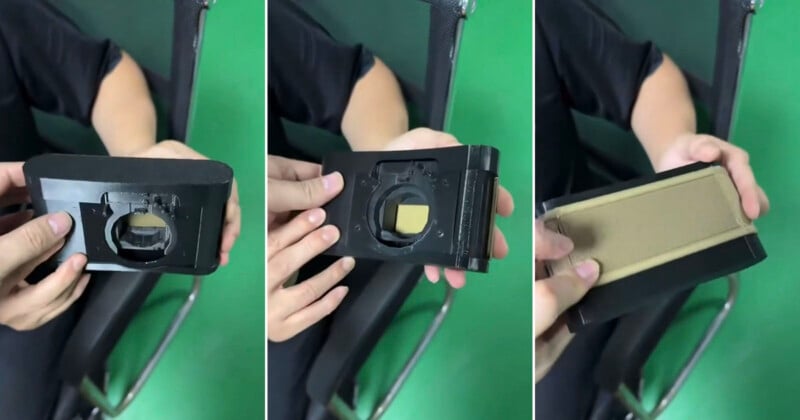
The current prototype, as seen in the company’s social media teasers, presents a minimalist, utilitarian aesthetic. The form factor is unmistakably reminiscent of a classic Leica rangefinder—a logical choice given the company’s existing M-mount lens ecosystem. The device is currently a 3D-printed proof-of-concept, showcasing a compact body with a circular lens mount opening and a tan, textured finish on the rear panel.
While the design screams "vintage," the internal philosophy is distinctly modern. The company has explicitly stated that this is not a mere clone of an existing camera. Unlike their lens projects, which focus on replicating historical optical formulas, this camera is being designed from the ground up as an original product.
Official Responses and Technical Philosophy
In an exclusive conversation with PetaPixel, Light Lens Lab was careful to manage expectations regarding the timeline, noting that the project is in "extremely early development."
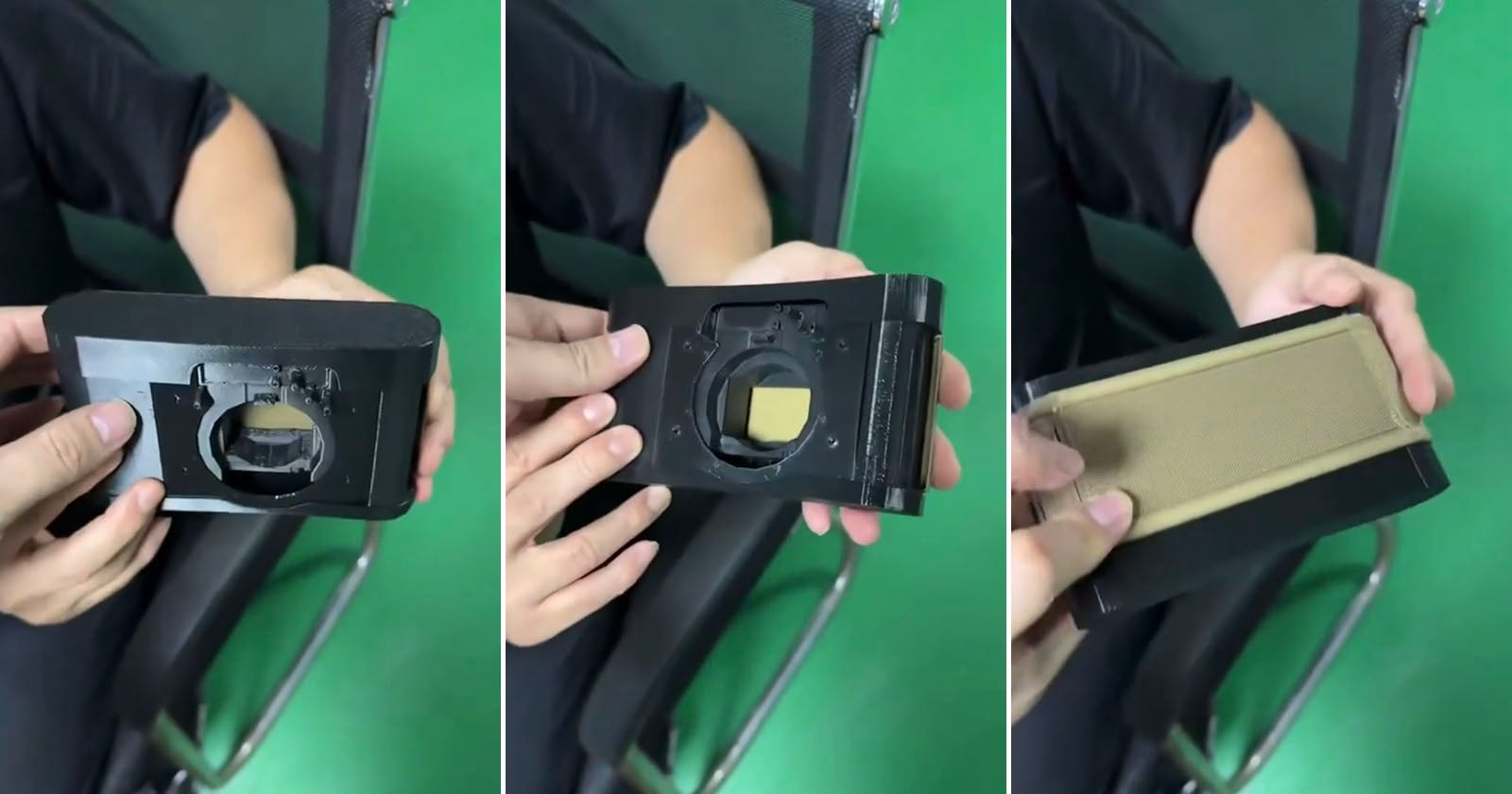
"The camera is, at the moment, a rough prototype," a spokesperson for the company explained. "We are also not related to any previous project that we worked on, like lenses, and are creating something of our own. It will have automatic features and also new patent-pending technologies."
The mention of "automatic features" and "patent-pending technologies" is perhaps the most significant reveal. For years, the film community has been divided between the pure, mechanical experience of vintage cameras and the convenience of electronic automation. By integrating modern, proprietary tech into a film camera, Light Lens Lab is signaling that they are not interested in merely replicating the past; they are interested in engineering a bridge to the future.
While the company has remained tight-lipped regarding the specifics of these patents, the emphasis on "engineering tomorrow" suggests the potential for improved metering, exposure control, or perhaps even modern connectivity features integrated into a classic mechanical frame.
Implications for the Analog Market
The implications of this project are profound. If successful, Light Lens Lab will be one of the few entities in the world—alongside industry giants like Leica and niche innovators like Mint or Reflex—capable of controlling the entire photographic chain.
1. Vertical Integration
By controlling the lens (optics), the film (medium), and the camera (capture device), Light Lens Lab is insulating itself from the supply chain volatility that often plagues the film industry. They will no longer be reliant on the whims of third-party camera manufacturers or the dwindling stock of used, aging bodies that require constant, costly maintenance.
2. The "New Vintage" Paradigm
The company’s motto, "Recreating Legacy, Engineering Tomorrow," acts as a manifesto for their business model. It suggests that they are not simply trying to keep analog photography on life support, but rather trying to modernize it. The goal is to provide a "new" experience that offers the soul and character of film with the reliability and feature sets that modern photographers have grown accustomed to in the digital age.
3. Market Sustainability
The film photography market has seen a resurgence that many critics initially dismissed as a passing fad. However, with consistent growth in demand, companies like Light Lens Lab are transforming the industry from a "second-hand market" to a "primary market." By offering a new camera with a warranty and modern, patent-protected tech, they are lowering the barrier to entry for photographers who are intimidated by the reliability issues of 50-year-old equipment.
A Long Road Ahead
Despite the excitement, the company has set a realistic, if distant, horizon for the release. Targeting a launch window between 2027 and 2030, Light Lens Lab is clearly taking the "measure twice, cut once" approach.
Developing a reliable film camera is arguably one of the most difficult challenges in modern manufacturing. It requires a synergy of mechanical clockwork precision, optical alignment, and durable electronics—all of which must function in a light-tight environment. The failure rate of mechanical shutters, the complexity of rangefinder calibration, and the logistics of film transport mechanisms are hurdles that have ended many ambitious startups.
However, Light Lens Lab’s track record of successfully navigating the complexities of lens design and film chemistry provides a degree of credibility that few others possess. They have proven they can scale, they have proven they can innovate, and most importantly, they have proven they have the patience to see long-term projects through to completion.
Conclusion: The Future of Film
As the industry looks toward 2030, the vision laid out by Light Lens Lab is one of the most compelling narratives in photography. By synthesizing the nostalgic charm of analog imaging with the rigor of modern engineering, they are positioning themselves at the center of a film renaissance.
For the photographer who loves the texture of grain and the deliberate nature of manual shooting, the prospect of a brand-new, intelligently designed, and fully supported analog system is not just a luxury—it is a lifeline. Whether this prototype will evolve into the definitive rangefinder of the next decade remains to be seen, but one thing is certain: Light Lens Lab is no longer just a company to watch; it is a company that is actively defining the future of film.
 Raul Delapena Setiawan
  rifanmuazin
  Ammar Sabilarrohman