
 By Laily UPN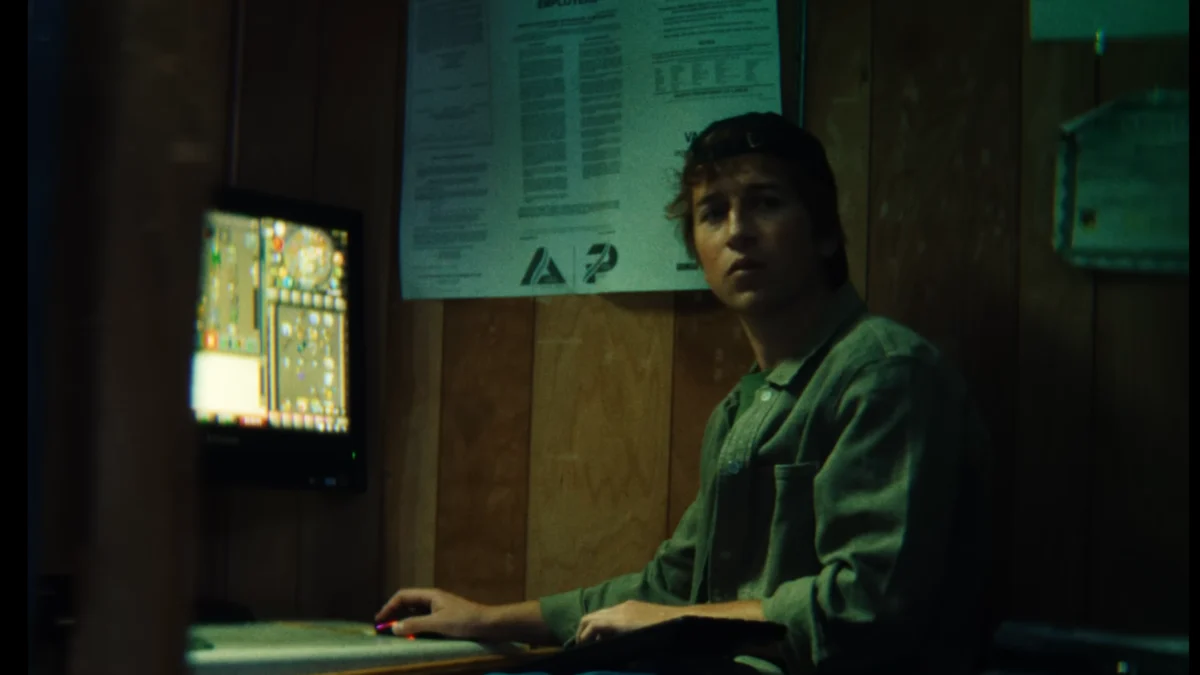
In an unexpected convergence of indie-folk sensibilities and early-2000s MMORPG nostalgia, pop sensation Phoebe Bridgers has turned the eyes of the music industry toward the digital realm of Gielinor. Her latest music video for the single "Lost Boys" features a prominent, diegetic cameo from Old School RuneScape (OSRS), marking a rare instance where the beloved, pixelated sandbox has broken through the barrier into high-budget contemporary media.
While fans of the genre are accustomed to seeing big-name titles like Grand Theft Auto or Call of Duty referenced in pop culture, Old School RuneScape remains a unique beast: a game defined by its low-poly aesthetic, grinding gameplay, and a community that has remained fiercely loyal for over two decades. The inclusion of the game in Bridgers’ video is not just a quirky visual choice—it is a testament to the game’s enduring cultural footprint.
The Intersection of Indie Pop and MMOs
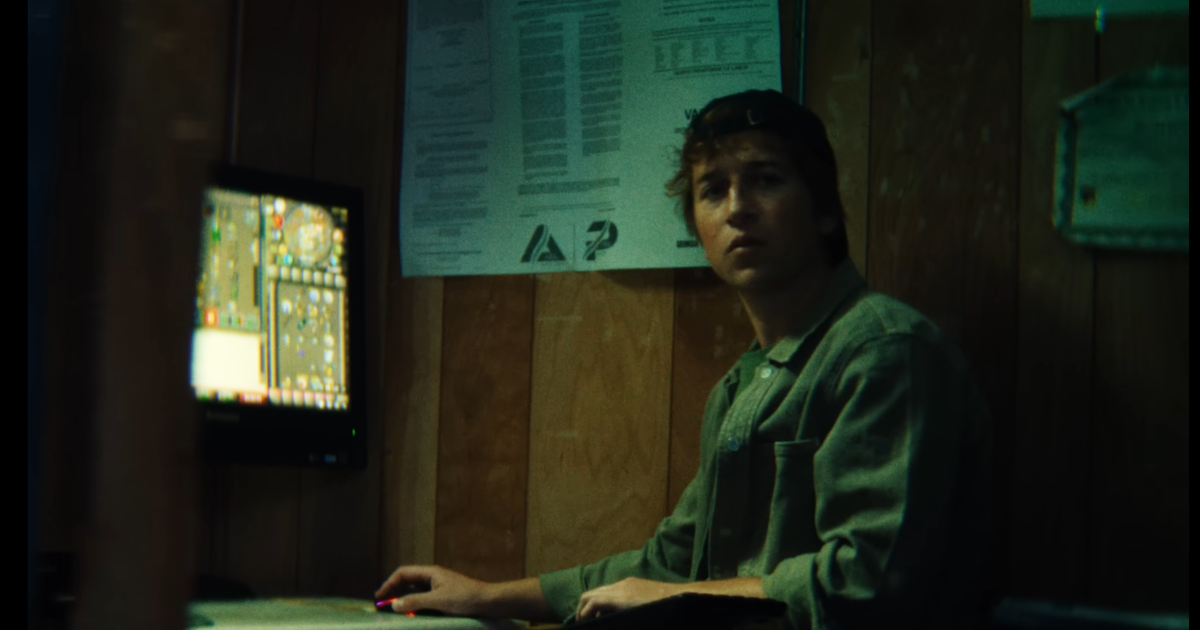
The scene in question occurs at the 1:29 mark of the "Lost Boys" video. The camera cuts to a middle-aged petrol station clerk, hunched over a monitor, deeply engrossed in a session of Old School RuneScape. The inclusion is treated with a knowing wink to the gaming community; the setting—playing a high-intensity grinding game while on the clock at a mundane job—is a rite of passage for many MMO players.
The video portrays the clerk’s gaming session as an escape from the banality of his shift. When Bridgers and her entourage pull into the station, the clerk is forced to abandon his virtual questing to attend to his customers. The interaction that follows is surreal: Bridgers asks the clerk to scan her hand with the station’s price scanner. As the laser sweeps across her skin, a flash of light bridges the gap between the mundane world and the fantastical aesthetic of the "Lost Boys" narrative.
A Chronology of the Cameo
The production of this sequence has sparked intrigue among the gaming community, particularly regarding the source of the gameplay footage shown on the clerk’s monitor. Keen-eyed viewers were quick to identify that the footage was not captured specifically for the video shoot. Instead, it was sourced from content creator Spoonkid, specifically from his viral video, "I played Old School RuneScape for 1,000 hours."
The chronology of the collaboration appears to have been organic. Following the video’s release, Spoonkid took to social media to express his surprise and gratitude, acknowledging the unexpected placement of his content in the music video. This creates a fascinating feedback loop: a major pop artist uses the work of an independent content creator, who in turn is documenting the experience of a 25-year-old game, effectively collapsing the distance between traditional celebrity and internet subculture.
Supporting Data: The Staying Power of Gielinor
To understand why Old School RuneScape warrants such attention, one must look at its longevity. Released in 2001, RuneScape has survived the rise and fall of countless gaming trends. By 2013, the release of Old School RuneScape provided a stable, player-driven version of the game that prioritized community feedback over radical modernization.
The game’s data speaks for itself. Jagex, the developer behind the franchise, has consistently maintained a massive, active player base that spans generations. Unlike many modern live-service games that rely on flashy graphics and aggressive microtransactions, OSRS thrives on "the grind"—a meditative, repetitive loop that players find deeply satisfying.
The appearance in "Lost Boys" serves as a meta-commentary on this phenomenon. The clerk in the video isn’t just playing a game; he is participating in a ritual of escapism. When he eventually flees his workplace to join Bridgers and her crew in the woods, he arms himself with a pickaxe—a quintessential RuneScape tool—and a collection of household items that mirror the absurdity of a low-level player attempting to equip high-level gear.
Official Responses and Industry Impact
The crossover has generated a buzz that reached the highest levels of the game’s development team. When reached for comment, a spokesperson for Jagex expressed genuine enthusiasm for the integration.
"It’s incredible to see Old School RuneScape showing up in unexpected places like this," the spokesperson stated. "We’re huge admirers of Phoebe’s work and Lance’s filmmaking. When they contacted us to discuss featuring a piece of Gielinor in the video, it was genuinely exciting. It underscores the wide-reaching cultural impact this game has had over its 25-year history. The community reaction has been overwhelmingly positive, reminding us that the world of RuneScape lives well beyond the game client itself."
The industry impact is palpable. While RuneScape has appeared in television shows before—most notably an Easter egg in the USA Network series White Collar—this is its most high-profile appearance to date. Following the White Collar reference, Jagex famously integrated a nod to the show into the game, setting a precedent. Speculation is already mounting as to whether the developer might implement a "Phoebe Bridgers" event or NPC into the game world, potentially formalizing the collaboration.

The Implications of "Larping" in the Digital Age
The narrative arc of the music video—in which the player is "rescued" from his job, engages in a strange, ritualistic dance, and is ultimately seemingly "killed" or transformed by Bridgers—serves as a poetic reflection of the gaming experience. In the final shots of the video, the protagonist respawns in a video game world, but he is missing his helmet.
Is this a comment on the transient nature of digital items? Or is it a critique of the "Lost Boys" who choose to spend their lives in virtual woods rather than the real world?
The implications are broad. As games become more ingrained in our daily vocabulary, the line between "gamer" and "general public" continues to blur. Phoebe Bridgers, an artist known for her introspective and often melancholy lyrics, has tapped into a vein of modern existentialism that resonates perfectly with the OSRS community: the feeling of being a "Lost Boy" in a world that demands productivity, while you would much rather be training your construction level or completing a quest.
Conclusion: A New Standard for Digital Cameos
The inclusion of Old School RuneScape in "Lost Boys" is more than just a brand deal or a casual reference; it is an acknowledgment of a digital culture that has become a staple of modern life. For Jagex, it is a validation of two decades of community-driven development. For Phoebe Bridgers, it is an evocative aesthetic choice that anchors her music in the shared, nostalgic experiences of her audience.
As we look toward the future, the integration of gaming into music and film will likely only increase. However, it will be difficult to replicate the organic, slightly surreal charm of this particular collaboration. Whether or not we see a Bridgers-themed update in the near future, one thing is certain: the clerk at the petrol station has proven that no matter where you are, there is always time for one more quest.
 Nila Kartika Wati
  Asro
Asro 