
 By Pevita Pearce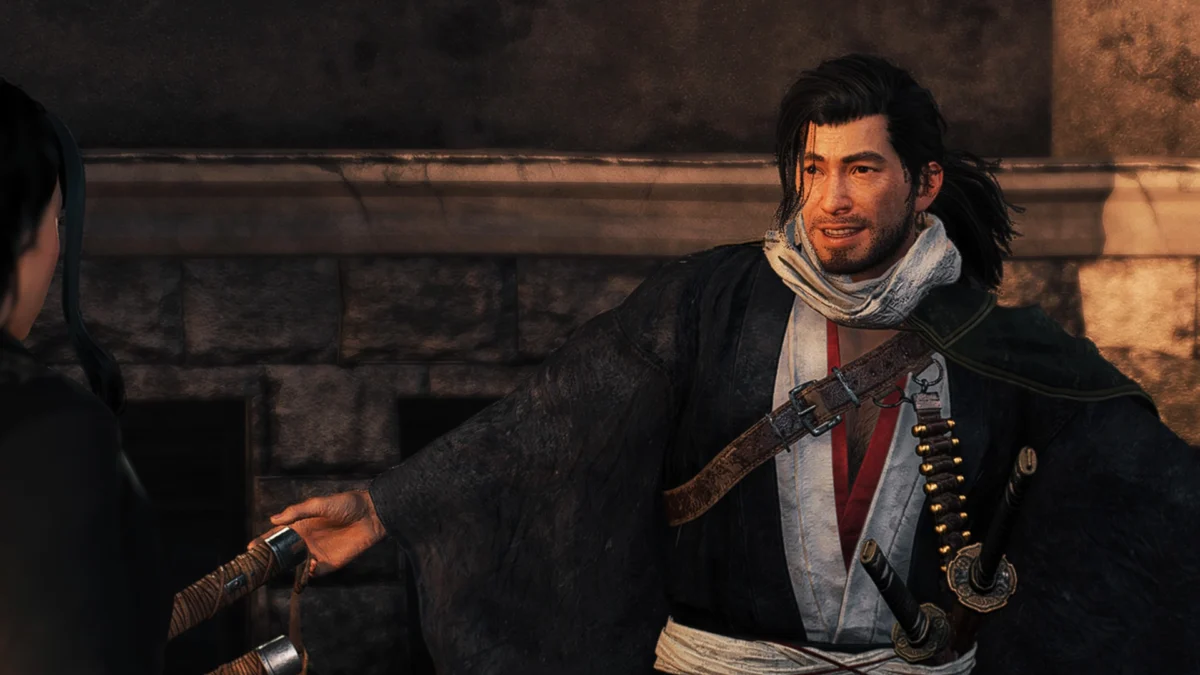
Koei Tecmo, the legendary powerhouse behind genre-defining titles such as Nioh, Ninja Gaiden, and the Dynasty Warriors series, is embarking on a bold new chapter. Industry analysts and fans alike are buzzing following the revelation that the Japanese publisher is currently deep in development on a mysterious new intellectual property, internally codenamed "Fuji."
This development, confirmed through documents released by Japan’s Ministry of Economy, Trade and Industry (METI), signals a strategic shift for the company. As Koei Tecmo looks to solidify its standing in the global market, "Fuji" represents more than just another action game; it is a flagship initiative intended to transcend the medium of gaming and establish a broad, cross-media franchise.
Main Facts: What We Know About Project ‘Fuji’
The existence of Project ‘Fuji’ came to light as part of the Japanese government’s "IP360 Initiative," a program launched in March 2024. The initiative is designed to bolster the reach of Japan’s cultural exports, specifically targeting video games, anime, and manga to ensure they maintain a competitive edge in the global digital landscape.
While Koei Tecmo has remained tight-lipped regarding specific gameplay mechanics or narrative details, the official filing provides a roadmap for the project’s intent. The company describes the venture as a "completely new IP game title," explicitly designed with the goal of becoming a "worldwide hit."
Crucially, the project is defined by its "oriental-style aesthetics"—a signature design philosophy for which Koei Tecmo is world-renowned. By leveraging their established expertise in high-octane action combat and period-accurate, stylized visuals, the company intends to build an ecosystem where the game acts as the anchor for a larger intellectual property expansion.
Chronology: A Trajectory of Growth
To understand the weight of Project ‘Fuji,’ one must look at the recent evolution of Koei Tecmo’s development cycle. The company has spent the last decade oscillating between iterative sequels and experimental new IPs, refining their "Soulslike" and Musou-adjacent combat systems.
- 2017–2020: The success of Nioh and its sequel cemented Koei Tecmo’s reputation for mastering the challenging action-RPG format. During this period, the company demonstrated a willingness to experiment with historical settings blended with dark fantasy.
- 2023: The release of Wo Long: Fallen Dynasty and Wild Hearts showcased the developer’s push into broader markets. Wild Hearts, in particular, was an ambitious attempt to challenge the dominance of Capcom’s Monster Hunter series.
- March 2024: The Japanese government launches the IP360 Initiative. Koei Tecmo applies for and secures funding, marking ‘Fuji’ as a cornerstone of their long-term growth strategy.
- June 2024: During the Xbox Showcase, the company officially announced Wo Long 2: Wings of Ember, signaling that they have successfully transitioned their recent IPs into viable, long-term franchises.
- Present: Project ‘Fuji’ enters the active development phase, bolstered by government support and the studio’s recent success in refining its action-combat engine.
Supporting Data: The Power of the IP360 Initiative
The IP360 Initiative is not merely a subsidy program; it is a government-backed declaration of the importance of the Japanese gaming industry to the national economy. By selecting Koei Tecmo’s ‘Fuji’ project, the METI is effectively signaling its confidence in the company’s ability to generate "soft power."
Koei Tecmo is not alone in this effort. The list of recipients includes other titans of the Japanese industry, such as Konami, Sega, Square Enix, and Arc System Works. This indicates a coordinated national effort to ensure that Japan’s gaming output remains at the forefront of global entertainment.
For Koei Tecmo, this funding provides the financial runway to take risks that might otherwise be deemed too expensive in a volatile market. It allows for longer development cycles and the potential for a more polished launch, which is critical for a new IP that intends to spawn multimedia adaptations.
Official Responses and Corporate Strategy
In their filing with the METI, Koei Tecmo emphasized their intent to leverage their "expertise in oriental-themed visuals." This phrasing is deliberate. It highlights a desire to play to their strengths while scaling those strengths to a global audience.
While the company has not provided a formal press release regarding ‘Fuji’ since the list was published, their general corporate stance has been one of aggressive expansion. In recent shareholder reports, leadership has highlighted the necessity of creating "evergreen" franchises—games that are not just one-off experiences, but platforms for DLC, sequels, and transmedia storytelling.
The name ‘Fuji’ itself is highly symbolic. In Japanese culture, Mt. Fuji is an icon of stability, endurance, and national pride. By attaching this name to their most ambitious new project, Koei Tecmo is clearly positioning this IP to be the "peak" of their current creative output.
Implications: What to Expect from ‘Fuji’
The industry is already speculating on what ‘Fuji’ might look like. Given the company’s track record, there are three primary paths this project could take:
1. The Historical Action-RPG
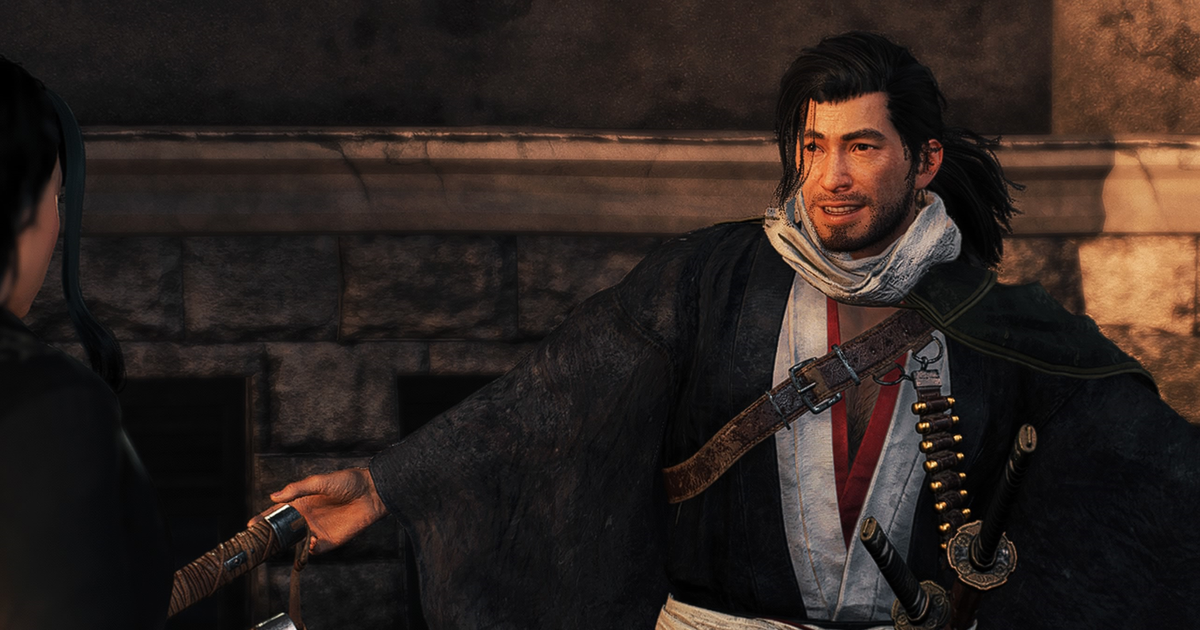
Given the success of Rise of the Ronin, it is highly probable that ‘Fuji’ will take place during a significant era of Japanese history, potentially the Sengoku or Edo periods. Koei Tecmo excels at blending historical accuracy with supernatural fantasy elements, and this would provide a perfect canvas for a cross-media franchise.
2. The Transmedia Expansion
The inclusion of "broad IP expansion" in the proposal suggests that we should expect more than just a game. A partnership with an animation studio or a major streaming platform is highly likely. If the game succeeds, we could see an anime series or manga adaptation released in tandem with, or shortly after, the game’s debut.
3. The Shift in Business Model
By accepting government subsidies under the IP360 program, Koei Tecmo is committing to a level of transparency and reporting that is rare in the private gaming sector. This implies that the project is subject to milestones and performance reviews, which may force the studio to prioritize stability and long-term engagement over short-term monetization.
The Road Ahead
As the industry looks toward the next generation of console hardware, Koei Tecmo is positioning itself to be a primary architect of the next wave of Japanese gaming dominance. While Wo Long 2 is currently grabbing the headlines, the shadows are where the real action is happening.
Project ‘Fuji’ is a manifestation of ambition. It is a calculated, government-backed attempt to take the "Koei Tecmo formula"—tight combat, atmospheric world-building, and deep mechanical complexity—and export it to every corner of the globe.
Whether ‘Fuji’ will indeed reach the heights of the mountain for which it is named remains to be seen. However, given the company’s resilience and their proven ability to adapt to the changing tastes of the international gaming community, it would be a mistake to bet against them. For now, the gaming world watches and waits, eager to see how this mountain will be climbed.
The integration of government support into creative development is a fascinating trend. If successful, Project ‘Fuji’ could serve as the blueprint for how Japanese developers reclaim their space in the modern gaming industry, proving that with the right vision and backing, a new IP can capture the imagination of the entire world.
 Laily UPN
  Nila Kartika Wati
  Asro
Asro 