
By Editorial Staff
For Omniwati, a 50-year-old farmer, the deep, guttural rumble of Mount Marapi is no longer a sound that triggers panic. It has become a rhythmic, if menacing, background noise to her life on the slopes of one of West Sumatra’s most active volcanoes. For decades, the mountain has shaped her existence, dictated her planting cycles, and periodically tested her resilience.
She has spent her life witnessing the terrifying majesty of volcanic activity—the massive ash plumes that turn day into night and the distinct, bone-shaking vibration of the earth when the mountain decides to vent its fury. Yet, the way she responds today is a world apart from how she reacted years ago. Experience, forged in the crucible of recurring eruptions, has transformed her from a fearful villager into a pragmatic observer of nature’s volatility.
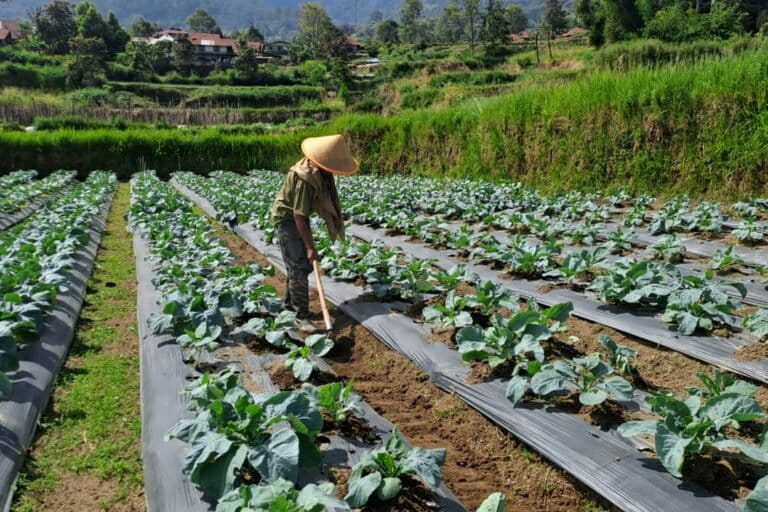
“In the past, the moment I heard the mountain roar, I would drop everything and run home,” Omniwati says, standing on her farm in Koto Baru, Tanah Datar. “Now, I don’t just run. I first look at the wind direction. That is what tells me if we are in immediate danger or if we can stay to protect our crops.”
A Chronology of Unrelenting Activity
The current cycle of activity at Mount Marapi is not a singular event, but a sustained, multi-year ordeal. Following a major, catastrophic eruption on December 3, 2023—a tragedy that claimed the lives of 11 hikers and left an indelible scar on the region—the mountain has remained in a state of persistent unrest.
According to data from the Ministry of Energy and Mineral Resources (KESDM) via the MAGMA Indonesia platform, the statistics are staggering. Over the past two years, the mountain has recorded 528 distinct eruptions and more than 8,904 gas and ash emission events. On average, the volcano erupts nearly 20 times every month.
The most severe period for local farmers followed the 2023 eruption. The aftermath was not just a dusting of ash, but a deluge of volcanic sand that blanketed the fertile slopes. For those whose livelihoods depended on horticulture, the impact was immediate and devastating. Crops that were weeks away from harvest—chili, tomatoes, potatoes, and onions—were buried or withered under the acidic weight of the ejecta.
“If we tried to replant, it would just happen again,” Omniwati recalls. “It wasn’t just dust; it was sand. The plants died instantly. We all cried. There was no harvest, no income.” For nearly two years, Omniwati and her husband were forced into the precarious world of day labor, accumulating debt just to put food on the table.
The Cost of Survival: Data on Agricultural Impact
The plight of farmers like Omniwati is mirrored across the districts of Tanah Datar and Agam. Scientific analysis underscores the scale of the damage. A study by Virgian Sonia Putra, Rozana Eka Putri, and Ade Irma Suryani, published in the Journal of Learning and Educational Sciences (JPIP), examined the post-eruption landscape in Sungai Pua, Agam.
The study identified 233.87 hectares of severely damaged agricultural land in the research area alone. However, the scope is far broader. Data from the Ministry of Agriculture indicates that a total of 3,144.13 hectares of horticultural land have been impacted by Marapi’s recent activity. The breakdown is sobering: 2,100 hectares in Tanah Datar, 988.21 hectares in Agam, and 55.92 hectares in Padang Panjang.
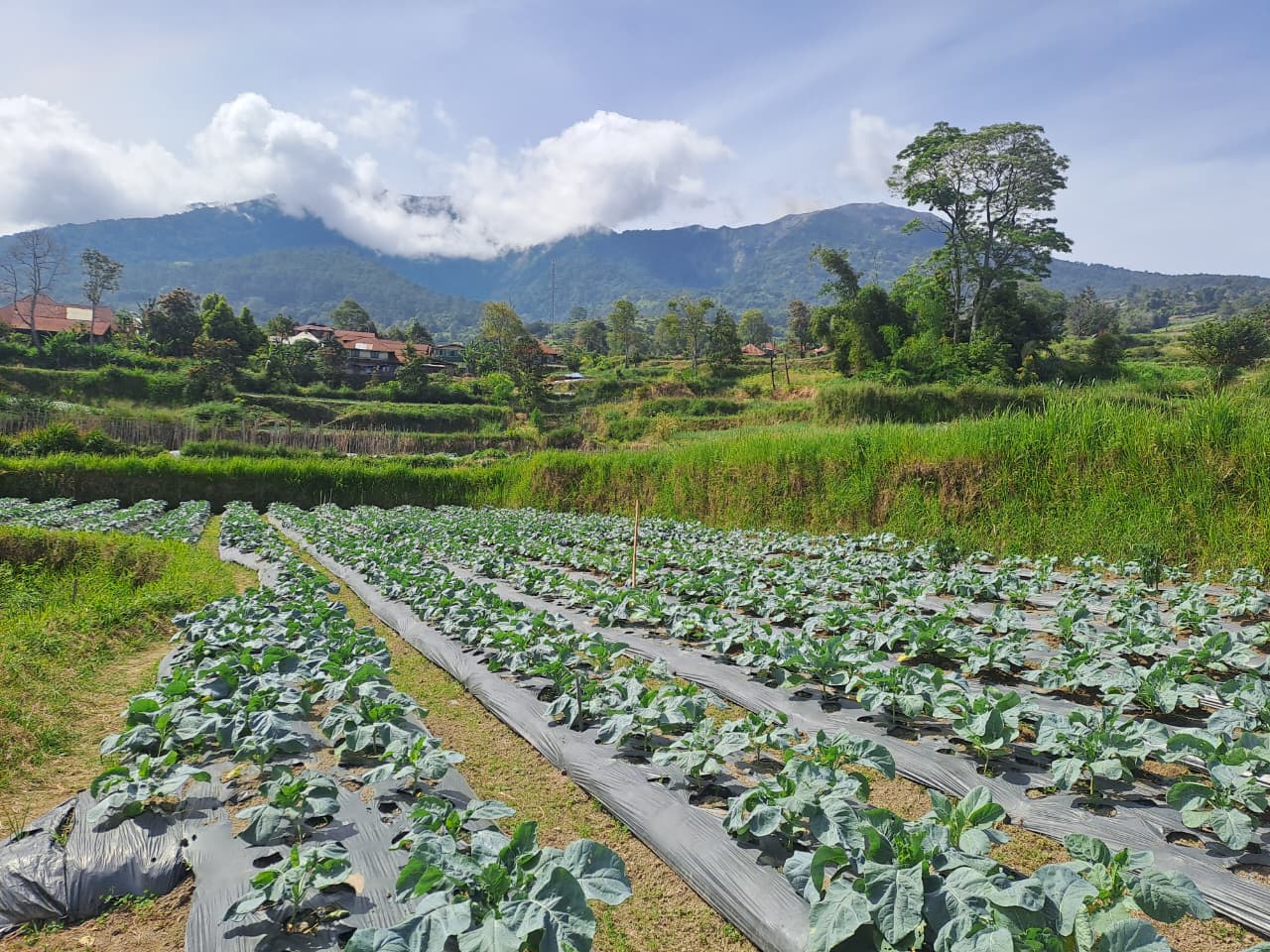
Beyond the immediate loss of crops, the volcanic material has caused long-term structural damage to the soil. The researchers noted fundamental changes in soil texture and water absorption capacity, which directly threatens the long-term fertility and productivity of these lands.
The Economic Burden of Adaptation
For many farmers, returning to the land was not a choice but a necessity, as they possess few other skills or resources. However, farming in the shadow of an active volcano in 2026 is an increasingly expensive gamble.
Ernis, a 65-year-old farmer from Sungai Pua, lost her entire radish crop during the 2023 eruption. She spent two grueling years restoring her land, cleaning away the volcanic debris, and gradually re-enriching the soil with organic fertilizers. It was not until 2025 that her land finally returned to a semblance of its former productivity.
Today, the challenges are compounded by climate unpredictability. Prolonged dry spells force farmers to invest heavily in irrigation. "If it doesn’t rain, we have to buy water from tanker trucks," says Omniwati, who pays Rp7,000,000 annually just to lease her half-hectare plot. "A single tank holds 2,000 liters and costs Rp130,000. Sometimes we need five or six tanks in a single watering cycle."
With costs ranging from Rp650,000 to Rp780,000 per irrigation session, the thin profit margins of agriculture are constantly threatened by the combined forces of geology and climate. While a recent, successful harvest of four tons of potatoes—yielding roughly Rp32 million—provided temporary relief, the cycle of debt and environmental stress remains an ever-present reality.
Official Responses and Mitigations
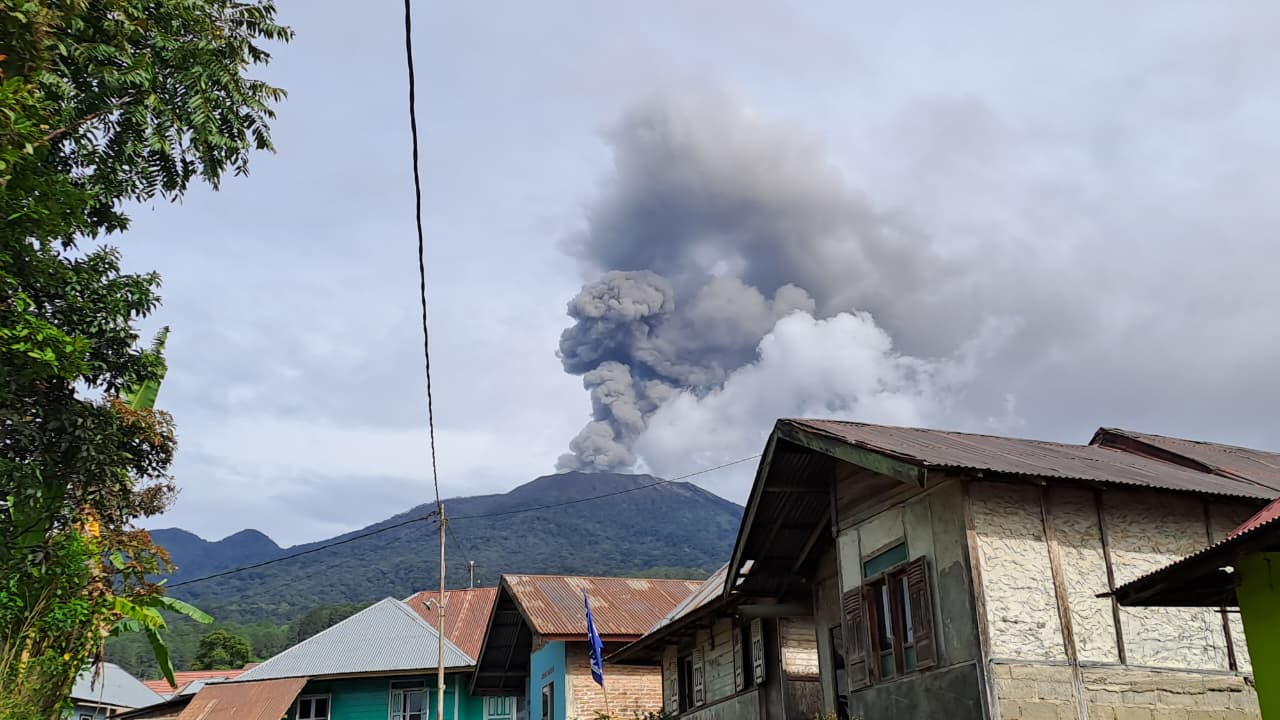
The local authorities and the Center for Volcanology and Geological Hazard Mitigation (PVMBG) have maintained a vigilant watch. On May 30, 2026, the mountain reminded the region of its power once again. Ahmad Rifandi, head of the Marapi Volcano Observation Post (PGA), reported an eruption at 08:42 local time that sent an ash column 2,000 meters into the sky.
"The ash was thick and gray, drifting toward the northeast," Rifandi stated. The eruption lasted over a minute, and the mountain remains at Status Level II (Waspada/Alert).
The PVMBG has issued strict directives to minimize human impact:
- Exclusion Zone: A three-kilometer radius from the Verbeek Crater is strictly prohibited for hikers, tourists, and residents.
- Lahar Awareness: Residents living near riverbanks that originate from the peak are urged to be alert for cold lava flows (lahars), particularly during the rainy season.
- Health Protocols: During ash falls, the use of masks is mandatory to prevent respiratory issues, and residents are advised to protect water sources and clear roofs of heavy ash to prevent structural collapse.
Despite these warnings, the research by Putra et al. highlights a critical gap: while farmers have developed sophisticated, indigenous methods of adaptation—such as monitoring wind patterns and diversifying income—these efforts are largely isolated. There is a lack of a structured, government-backed mitigation system that integrates technical support with the local experience.
Implications for the Future
The situation at Mount Marapi serves as a microcosm of the broader challenges faced by millions living in Indonesia’s "Ring of Fire." While the resilience of the local community is commendable, it is clear that individual adaptation alone is not a sustainable long-term strategy for survival.
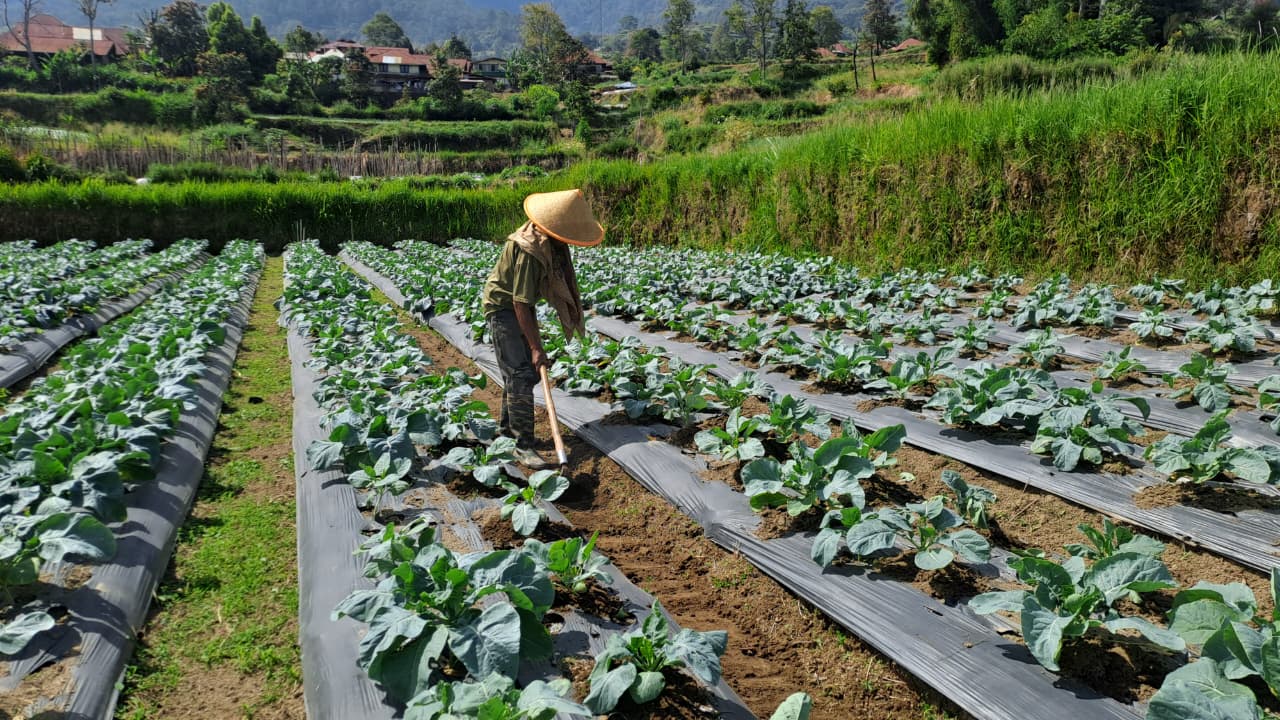
The transformation of farmers like Ernis and Omniwati—who now view eruptions with a stoic, almost analytical detachment—speaks to the psychological toll of living with perpetual uncertainty. They have moved from fear to a quiet, hard-earned acceptance. However, as the soil chemistry changes and the costs of agricultural inputs rise, the viability of farming on the slopes of Marapi is being pushed to its limit.
The future of these communities depends on more than just the mountain’s mood. It requires a robust policy framework that includes soil rehabilitation programs, subsidized agricultural infrastructure, and a more integrated disaster response system. Until such systems are implemented, the farmers of Marapi will continue to plant their seeds, watch the wind, and wait for the next rumble, embodying a fragile, persistent hope in the shadow of the earth’s fury.