
 By Lina Irawan
By the Digital Marketing Desk | Published in Strategy & Technology

Main Facts
In an era where the average digital consumer actively navigates nearly seven distinct social platforms each month, modern social media management has transcended simple posting schedules. To combat platform fatigue and skyrocketing operational friction, enterprise platforms are evolving. Hootsuite has officially redefined its core infrastructure, transitioning from a legacy scheduling tool into Hootsuite Social OS—an integrated, AI-first ecosystem.

Designed to streamline operations for marketing teams juggling dozens of digital channels, the platform breaks down silos by organizing its capabilities into a suite of specialized apps:
- Perch (Planning, publishing, and content creation)
- Wisdom (Centralized AI assistance and orchestration)
- Nest (Unified inbox, engagement, and customer care)
- Parliament (Employee advocacy and internal sharing)
- Lumen (Social listening and competitive intelligence)
- Vigil (Governance, approvals, and compliance controls)
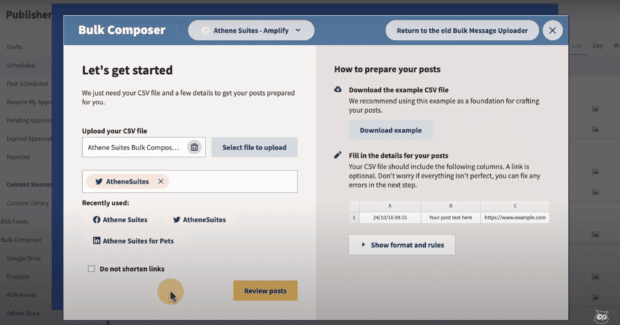
By marrying these discrete functions with next-generation artificial intelligence and Model Context Protocol (MCP) integrations, brands can now automate the most tedious elements of digital marketing—ranging from bulk scheduling 350 posts at once to parsing real-time sentiment analysis—without ever leaving a unified workspace.
Chronology of Evolution: From Scheduling Tool to AI Operating System
The evolution of social media management software mirrors the rapid expansion of digital ecosystems over the past two decades.
- The Early 2000s to 2010s (The Era of Basic Scheduling): Initially, social media toolsets were built to solve a single problem: chronological posting. Tools like early-iteration Hootsuite allowed teams to queue up text and links to prevent manual logins throughout the day. Content creation occurred in isolated graphic design software, and analytics required tedious data exports into standalone spreadsheets.
- The Mid-2010s to 2020s (The Multi-Channel Explosion): As platforms multiplied to include Instagram, LinkedIn, TikTok, and professional networks, the volume of inbound direct messages, comments, and mentions overwhelmed traditional marketing teams. Dashboards expanded to include multi-column streams, yet managing paid advertisements, organic campaigns, and customer support remained fragmented.
- The Present Day (The Rise of Social OS): Recognizing that marketing professionals spend the bulk of their days switching between tabs, tools, and disconnected analytics platforms, Hootsuite completely restructured its infrastructure into Hootsuite Social OS. By introducing native AI capabilities like OwlyWriter and conversational analytics layers like Wisdom, the platform has shifted from a passive execution tool into an active, intelligent operating system. Today, teams can query their live performance data using plain language, route customer queries via sentiment-based AI, and safely govern brand compliance at scale.
Supporting Data: The Metrics Driving Modern Social Operations
The complexity of modern digital marketing is quantified by empirical data highlighting both consumer expectations and the immense friction faced by marketing professionals:
- Platform Saturation: Backlinko data reveals that the average digital social media user actively visits 6.52 different social platforms each month. Social media managers, tasked with cross-channel visibility, must monitor significantly more.
- The Cost of Slow Responses: According to customer care benchmarks, 76% of modern consumers expect a direct response within one hour of reaching out via social channels. Every minute past that threshold rapidly erodes brand trust and customer retention.
- The Power of Employee Advocacy: Internal advocacy yields astronomical returns. Data highlighted by LinkedIn demonstrates that employee-shared brand content earns roughly 8 times the engagement generated by traditional corporate brand-page posts.
- The AI Investment Gap: Gartner’s Chief Marketing Officer (CMO) research indicates that marketing leaders allocate roughly 15.3% of their total budgets to artificial intelligence. However, only 30% of CMOs report mature operational readiness to scale those AI capabilities safely across their organizations—underscoring the critical need for enterprise governance frameworks like Hootsuite’s Vigil.
Official Responses and Strategic Perspectives
Industry leaders and platform architects emphasize that the shift toward an AI-first Social OS is not merely about convenience—it is an economic imperative for scaling brands.
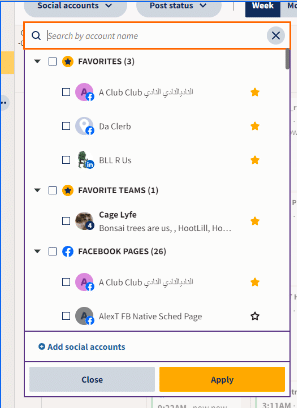
Product strategists at Hootsuite note that the fragmentation of marketing tech stacks has historically forced teams to waste hours stitching together disparate exports from publishing tools, listening dashboards, and customer care queues. By centralizing these functions into Perch, Nest, Lumen, and Wisdom, leadership can finally present a unified narrative to executive boards.
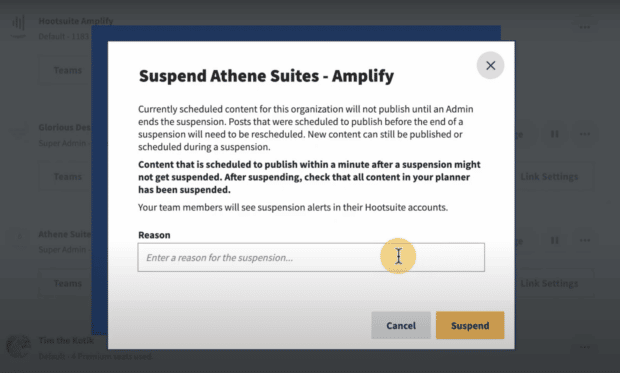
Furthermore, internal compliance and security experts highlight the introduction of Vigil as a breakthrough for regulated industries. As enterprise teams rapidly adopt generative AI to scale content creation, the risk of tone-deaf messaging, compliance breaches, or brand crises multiplies. By ensuring that every AI-generated asset is fully logged, reviewable, and traceable before it hits the public domain, governance tools bridge the gap between creative speed and corporate safety.
Implications for Marketers and Enterprises
The maturation of Hootsuite Social OS carries profound implications for digital marketing professionals, agencies, and enterprise organizations alike:
1. Operational Efficiency and Work-Life Balance
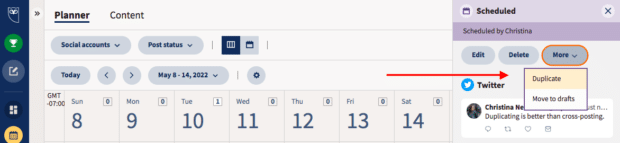
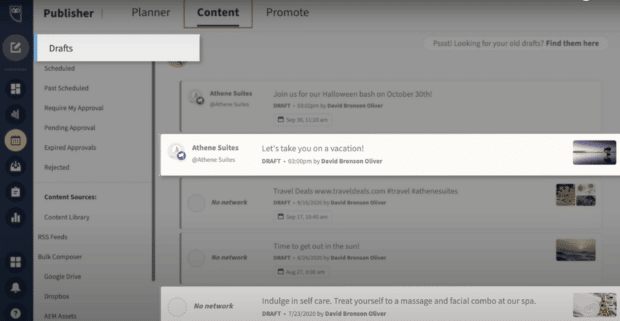
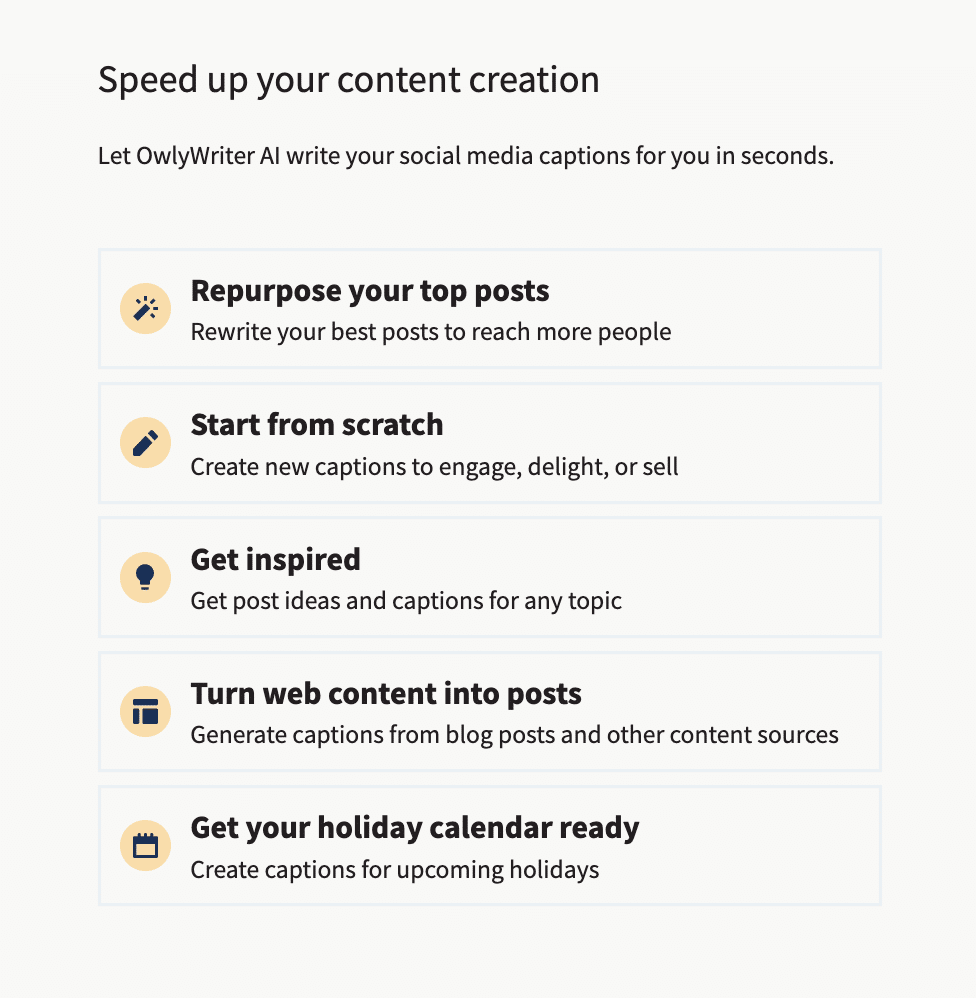
By leveraging bulk scheduling tools (up to 350 posts at once), collaborative editable drafts, and automated content duplication in Planner, marketing teams can reclaim hundreds of hours of manual labor. Automation frameworks directly combat burnout, allowing practitioners to transition from reactive administrative tasks to proactive, high-level strategy.
2. Democratizing Data Access via AI and MCP Connectors
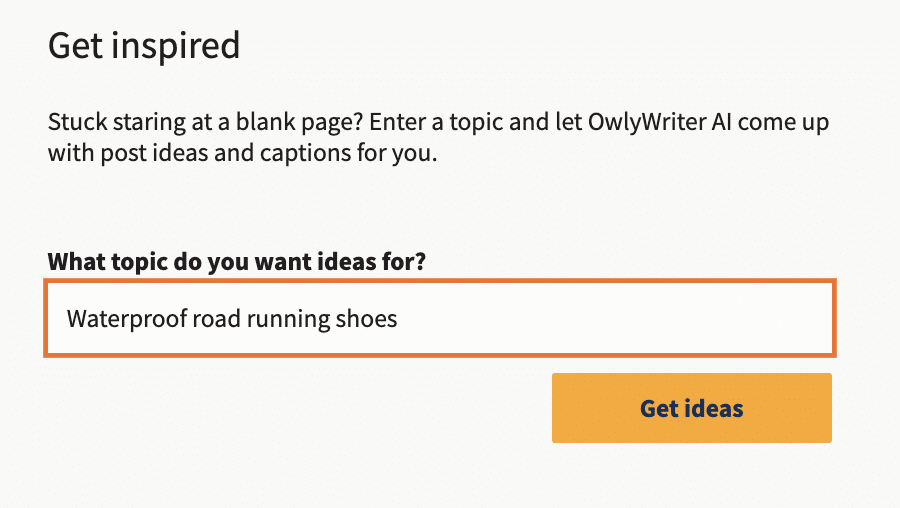
Through conversational data queries powered by Wisdom and external integrations with assistants like ChatGPT, Claude, Gemini, and Microsoft Copilot, valuable social insights are no longer trapped behind complex dashboard menus. Product marketers, sales teams, and corporate executives can pull performance metrics and competitive intelligence using plain language.
3. Unified Customer Care and Intelligence
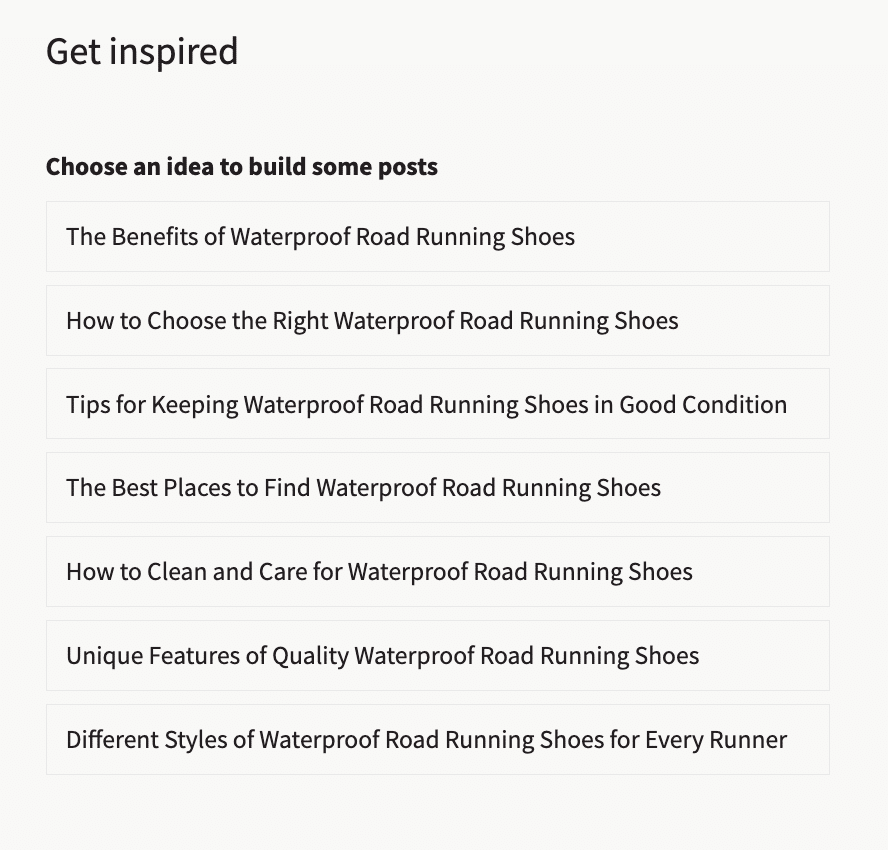
Consolidating DMs, comments, and reviews into a single queue via Nest, paired with AI-powered intelligent routing, ensures that urgent or hostile customer queries immediately bubble to the top of the queue based on sentiment analysis. Concurrently, Lumen empowers brands to monitor non-tagged brand mentions across millions of global sources, catching emerging market trends and competitor moves long before quarterly reports are compiled.
4. Risk Management in the Age of Generative AI
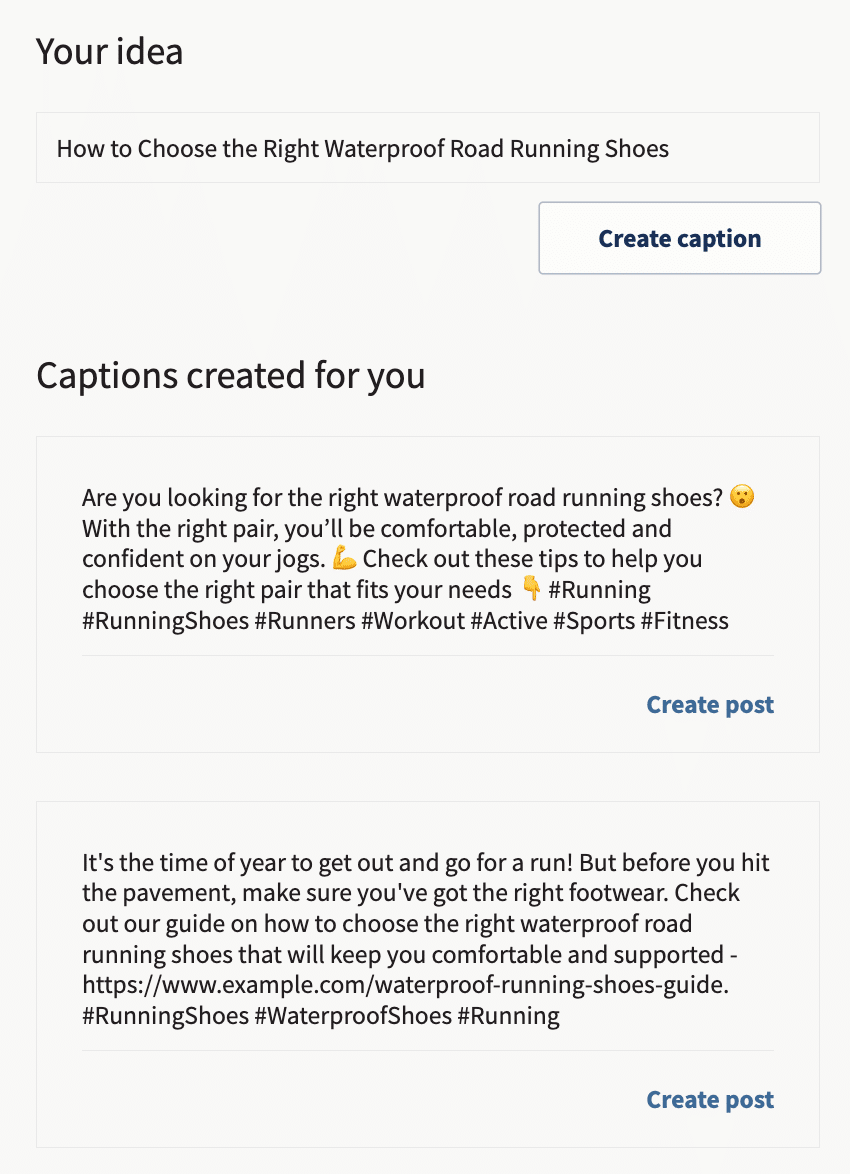
As marketing budgets increasingly fund AI initiatives, organizations that fail to implement robust governance risk severe public relations damage. Platforms that incorporate automated approval workflows, multi-tiered risk checks, and publishing suspension mechanisms during unexpected public crises will successfully harness AI without sacrificing brand safety.
In summary, the transition to an integrated Social OS marks the definitive end of the isolated social media scheduling tool. For brands striving to cut through the noise, mastering these interconnected workflows is no longer optional—it is the foundation of modern digital success.
 Nana Wu
  Nana
Nana  Azzam Bilal Chamdy