
 By Nana Wu
As the digital economy matures, the landscape of social media monetization continues to shift at a dizzying pace. No longer merely a virtual scrapbook for photographs, Instagram has firmly evolved into a robust economic ecosystem. For creators, influencers, and digital entrepreneurs, the platform offers unprecedented avenues to turn creative content into sustainable, full-time revenue.
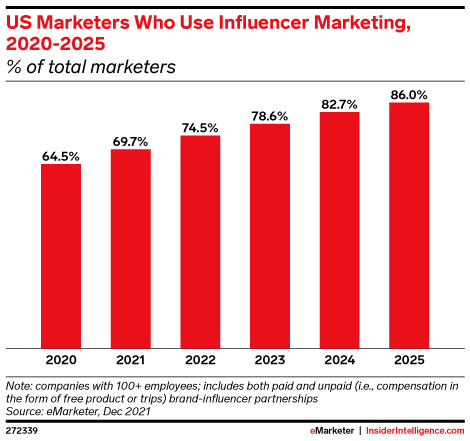
Data highlights the sheer scale of this transformation. According to industry analysis, US influencer marketing spend surpassed $10.5 billion, with Instagram commanding the lion’s share of that capital. Market projections indicate that this figure will march toward $13.7 billion. Crucially, this financial boom is not reserved exclusively for traditional celebrities. Micro- and nano-influencers—creators commanding follower counts ranging from 1,000 up to 50,000—now capture a staggering percentage of total brand spending, proving that niche authority and engaged audiences outweigh raw follower counts.

Whether you are looking to secure lucrative brand partnerships, launch digital products, or leverage Instagram’s native platform tools, mastering the modern monetization playbook requires a strategic, multifaceted approach.
Main Facts: The Evolving Anatomy of Instagram Income
At its core, Instagram monetization refers to the practice of generating revenue from the content you publish on the platform—spanning feed posts, Stories, Reels, and live broadcasts. Traditionally, creator monetization was synonymous with brand deals. Today, however, the line between content creation and social commerce has irrevocably blurred.

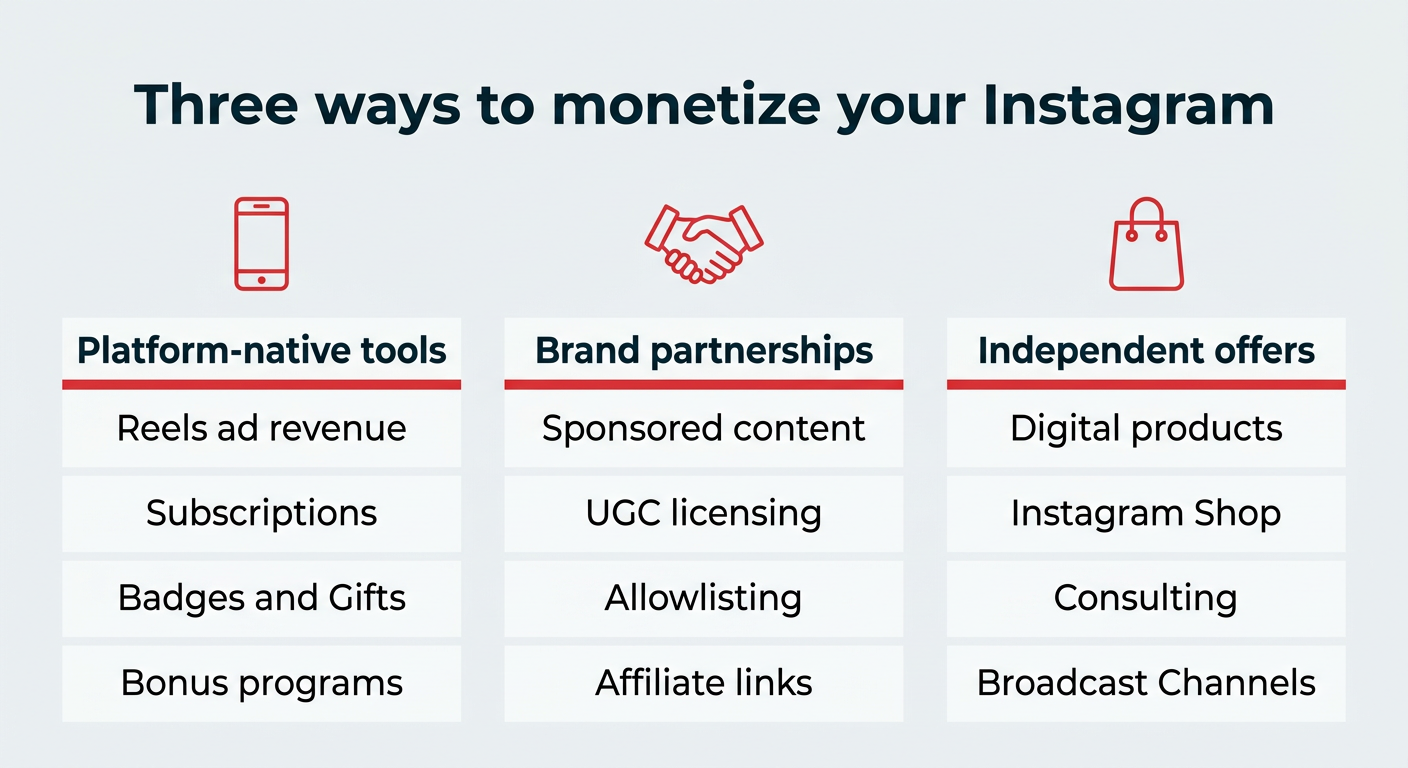
Creators no longer rely solely on getting paid for the content itself; many now utilize native Instagram Shops, deploy digital products, and run recurring subscription tiers. The primary pillars of Instagram monetization can be distilled into three distinct categories:
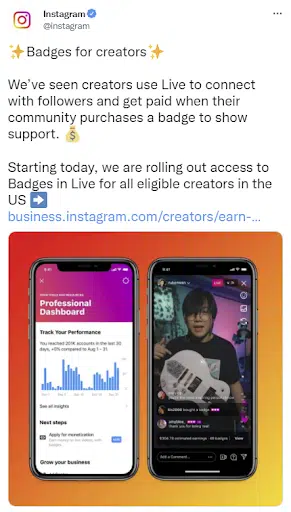
- Direct Platform Payouts: Features managed directly by Instagram, such as Reels ad revenue share, live Badges, and Gifts.
- Partnerships and Collaborations: Sponsored content, affiliate marketing, user-generated content (UGC) licensing, and allowlisting.
- Direct-to-Audience Sales: Instagram Subscriptions, digital products, e-commerce shops, consulting, and exclusive community access.
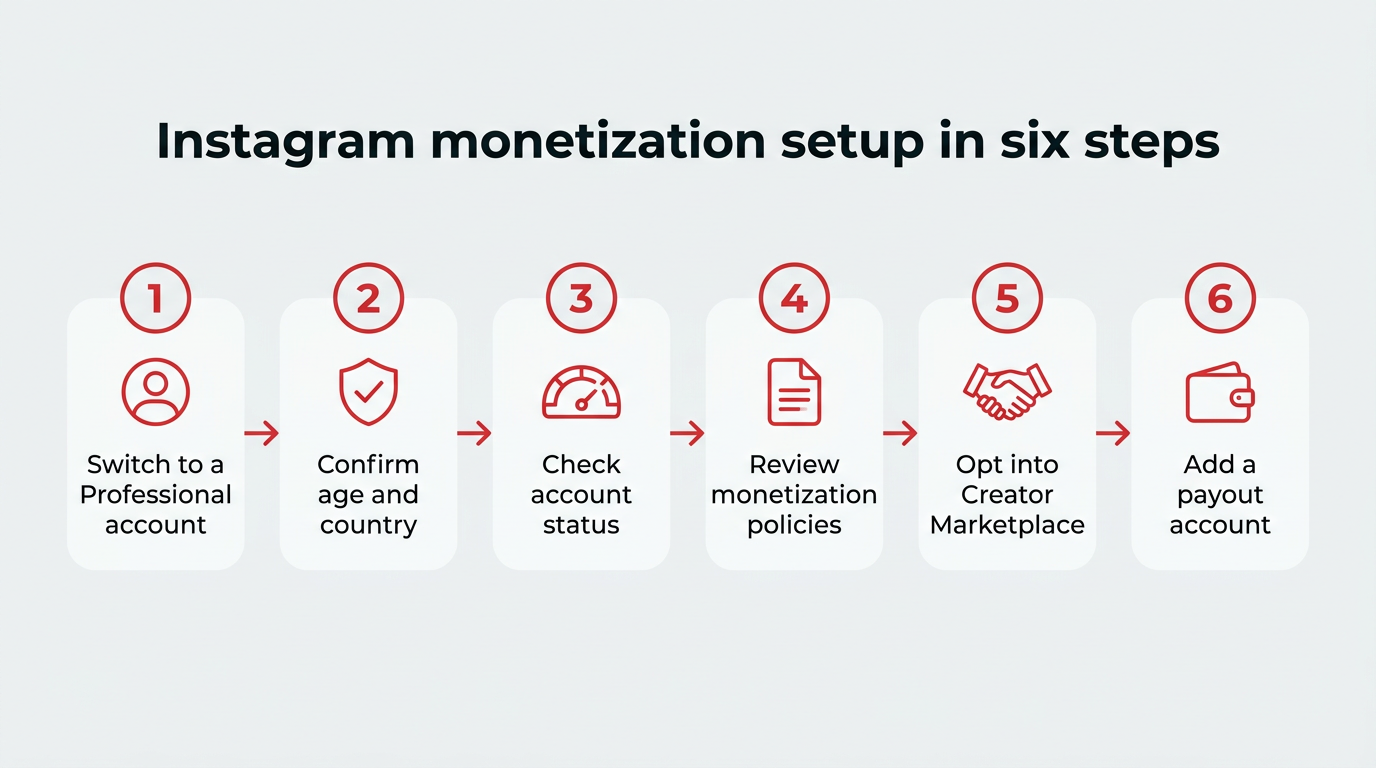
To access these revenue streams, accounts must first lay the proper groundwork. Personal profiles cannot utilize financial features; creators must transition to a Professional account (choosing either the "Creator" or "Business" classification) and maintain strict adherence to Instagram’s community guidelines and partner monetization policies.
Chronology: The Journey to 2026 Social Commerce
To understand how Instagram reached its current economic peak, it is essential to look at the chronological evolution of its monetization infrastructure:
- The Early Era (Pre-2018): Instagram functioned purely as an organic discovery engine. Monetization was informal, conducted almost entirely off-platform through direct brand pitches and sponsored in-feed posts.
- The Rise of Influencer Infrastructure (2018–2020): Brands began formalizing influencer marketing budgets. Instagram introduced shoppable tags, allowing users to purchase physical goods without leaving the app.
- Democratization of Tools (2021–2023): Instagram expanded link-sharing capabilities (such as Story link stickers) to all users regardless of follower count. The platform rolled out native tools like Badges for live streams, digital Subscriptions for recurring revenue, and the Creator Marketplace to streamline brand matchmaking.
- The Social Commerce Convergence (2024–2026): In-stream video ads were phased out in favor of dynamic Reels ad revenue sharing. The creator economy matured, with micro-influencers capturing nearly half of total market spending. Today, features like Broadcast Channels and advanced DM automation allow creators to seamlessly integrate affiliate marketing and digital product funnels directly into their messaging workflows.
Supporting Data and Financial Benchmarks
Navigating the financial side of Instagram requires hard data. Understanding typical earnings, pricing models, and demographic distribution helps creators avoid underpricing their services while allowing brands to allocate budgets effectively.
Earning Potential Across Revenue Streams
- Brand Deals: Ranging from $75 for nano-influencers up to $7,500+ per post for macro-creators, depending heavily on engagement rates and usage rights.
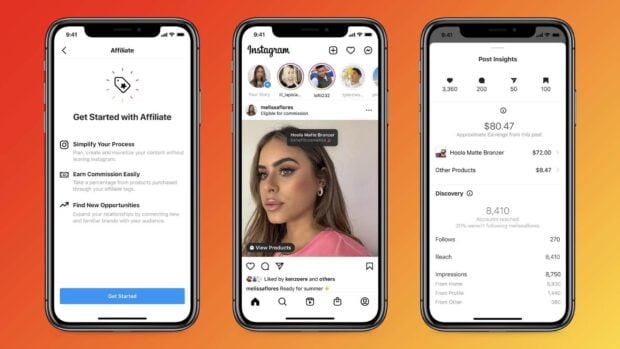
- Affiliate Marketing: Yielding anywhere from $50 to over $5,000 monthly, dictated by audience purchase intent and strategic link placement in Stories or bio link hubs.
- Instagram Subscriptions: Providing predictable monthly recurring revenue based on custom pricing tiers set between $0.99 and $99.99 per subscriber.
- Reels Ad Revenue: Operating on a revenue-share model that typically pays out low single to double digits per 100,000 qualifying plays.
- Digital Products & Consulting: Offering virtually limitless income potential with exceptionally high profit margins once the underlying intellectual property is created.
Pricing Your Worth: The Cost-Per-Engagement (CPE) Model
While legacy pricing rules suggested charging a flat rate per 10,000 followers, modern industry standards favor engagement-driven pricing. A common calculation utilized by digital strategists is:
$$textAverage Price per Post = textRecent Average Engagements times $0.16$$
By multiplying total interactions (likes, comments, shares, and saves) by a rate factor between $0.14 and $0.20, creators arrive at a rate that accurately reflects their audience’s true attention span and purchasing power.
Official Responses and Industry Accountability
As the creator economy expands into a multi-billion-dollar juggernaut, institutional oversight and ethical transparency have taken center stage. Regulatory bodies, such as the Federal Trade Commission (FTC), mandate rigorous disclosure requirements for any commercial content on social platforms. Creators are legally obligated to utilize native "Paid Partnership" labels, include explicit disclosures like #ad near the beginning of captions, and state partnerships verbally in video formats. Failure to comply can result in demonetization or severe legal penalties.
Furthermore, industry advocates continue to shine a light on systemic inequalities within influencer pay. Grassroots initiatives, such as the @influencerpaygap movement founded by Adesuwa Ajayi, have successfully exposed historical wage disparities between minority creators and their white counterparts. This push for pay transparency empowers creators across all demographics to share rate data, consult public pricing databases, and demand equal compensation for equal work.
Implications for Creators, Brands, and the Future Digital Economy
The maturity of Instagram monetization carries profound implications for the future of digital work:
- Diversification is Survival: Creators who rely on a single income stream—such as ad revenue or brand deals alone—remain vulnerable to algorithmic shifts and platform policy updates. Sustainable six-figure creator businesses in 2026 rely on diversified "stacking," combining brand partnerships, recurring subscriptions, and proprietary digital products.
- The Rise of the Micro-Enterprise: Solo creators are increasingly operating like traditional media companies. Utilizing tools like automated direct messaging funnels, broadcast channels, and integrated shops, individuals can build high-margin, low-overhead businesses entirely within the social media ecosystem.
- Authenticity Trumps Production Value: Because modern consumers have grown adept at filtering out overt advertisements, the most successful monetization strategies rely on native, story-driven content. Whether through authentic day-in-the-life Reels featuring a sponsored product or intimate community building via Close Friends and Subscriptions, relational capital remains the most valuable currency on the platform.
Ultimately, Instagram has cemented its status as a permanent fixture of the global economy. For those willing to master its tools, maintain strict compliance, and treat their creative output as a legitimate enterprise, the platform offers a viable pathway to lasting financial independence.
 Azzam Bilal Chamdy
  Basiran
  Jia Lissa