
 By Basiran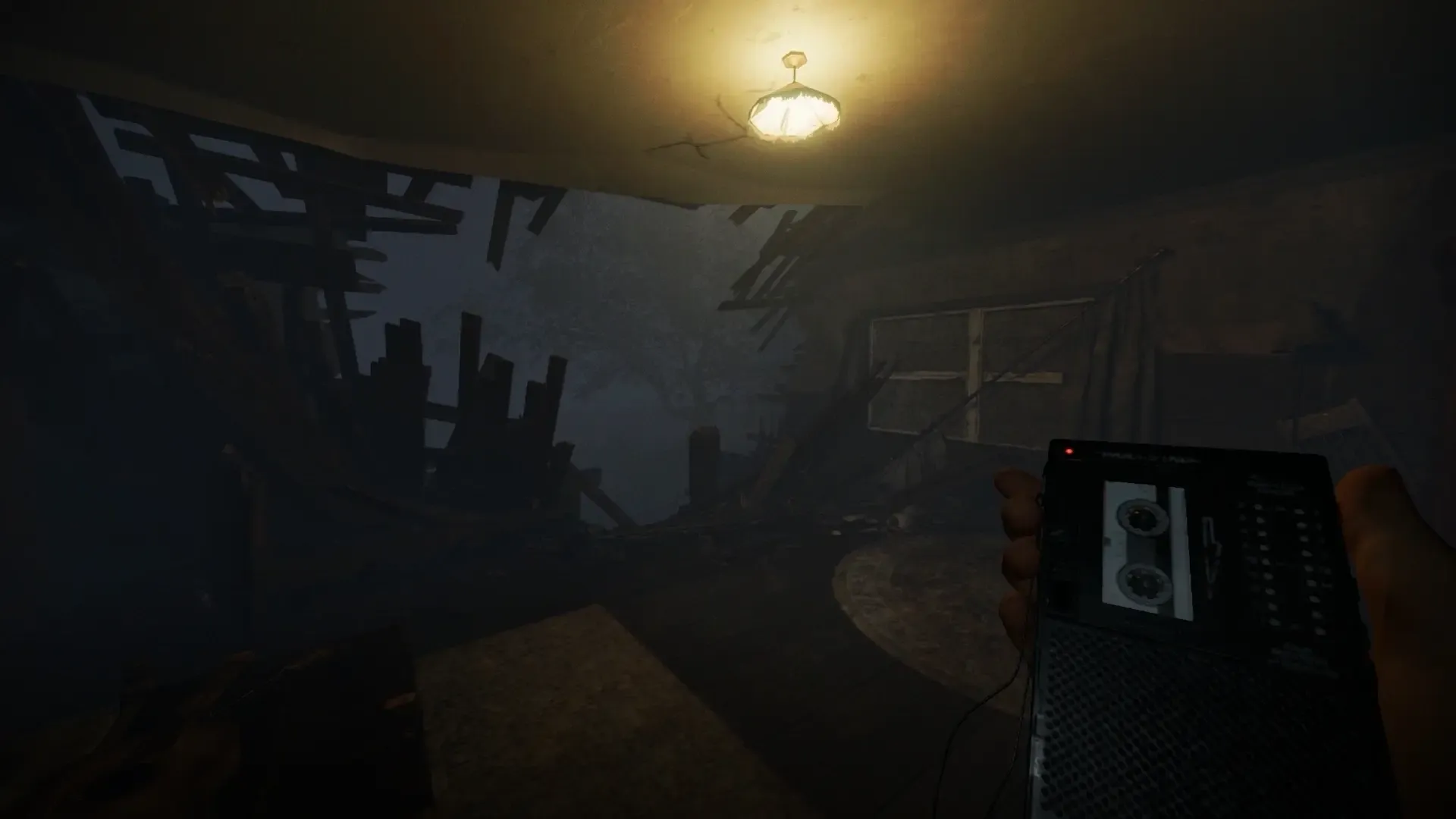
In the ever-evolving landscape of early access development, few titles have captured the public imagination quite like Phasmophobia. Since its breakout success in 2020, Kinetic Games’ cooperative paranormal investigation simulator has become a cornerstone of the horror genre. However, the path to a full, polished release has proven to be a marathon rather than a sprint. In a significant announcement this week, Kinetic Games revealed a revised development roadmap, officially pushing the game’s highly anticipated 1.0 release back to 2027. This decision, while disappointing to a segment of the long-term player base, signals a strategic pivot by the studio to prioritize long-term stability and depth over immediate feature delivery.
Main Facts: A Shift in Strategic Vision
The core of the announcement centers on a recalibrated roadmap that prioritizes quality-of-life (QoL) improvements and technical stability. The headline news is the deferment of the 1.0 full release until 2027. Kinetic Games, now a studio boasting over 50 developers, has clarified that this additional time is essential to realize their original vision for the game.
Key components of the updated schedule include:
- The Willow Street Rework: Arriving on July 21st, this update is the first major milestone of the new roadmap, incorporating community feedback to enhance room layouts, refine hiding mechanics, and integrate deeper environmental lore.
- Technical Migration: The development team is actively transitioning the game to Unity 6, a move expected to significantly improve performance, lighting, and engine stability.
- Quality-of-Life Initiatives: Two major QoL patches are slated to address player concerns regarding character models, movement, and UI, building on the lessons learned from recent updates.
- Seasonal Content: Fan-favorite events, specifically Crimson Eye and Winter’s Jest, are confirmed to return, ensuring engagement remains high during the extended development period.
- The Edgefield Overhaul: Planned for December, this update will apply the design philosophy used for the Willow Street rework to one of the game’s most iconic maps.
Chronology: From Early Access Origins to a 2027 Horizon
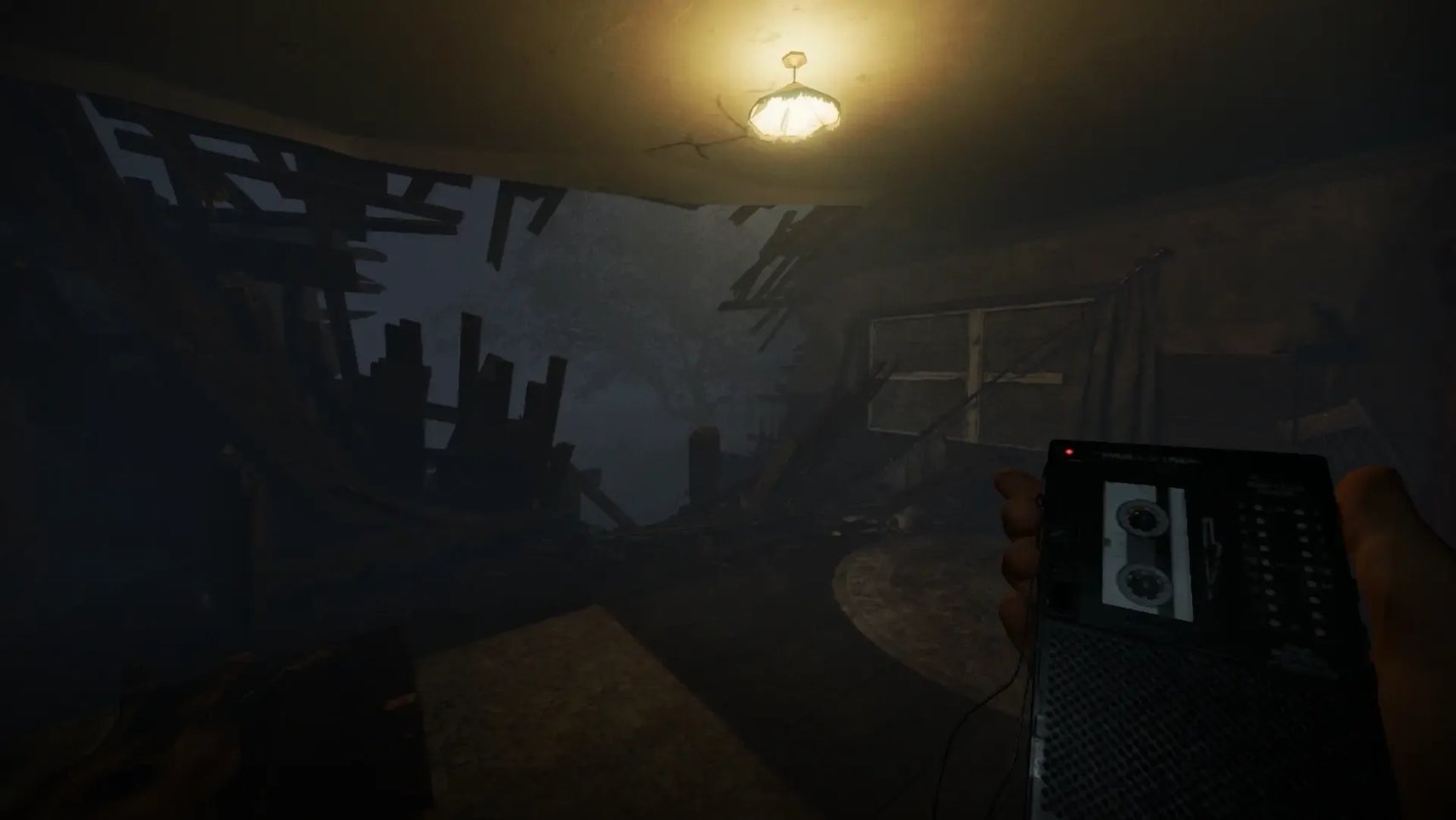
To understand the weight of this delay, one must look at the trajectory of Phasmophobia. Launched into early access in September 2020, the game became a cultural phenomenon during the COVID-19 pandemic. Its simple yet terrifying loop—identifying ghosts using tools like EMF readers and spirit boxes—created a unique template that many others have attempted to replicate, yet few have mastered.
Throughout 2021 and 2022, the game saw consistent content drops, including new maps and ghost types. However, as the studio grew, so did the complexity of their internal goals. The transition from a smaller indie project to a title targeting console release (including Nintendo Switch 2, PlayStation 5, and Xbox Series X/S) introduced technical hurdles that required a complete re-evaluation of the codebase.
The "Player Character Update," released earlier this year, was intended to be a major visual leap forward. Instead, it became a lightning rod for criticism. The update was plagued by bugs, animation issues, and performance regressions. This failure—and the subsequent apology issued by Kinetic Games—serves as the pivot point for the current roadmap. The studio has acknowledged that their previous pace was unsustainable and that the quality of the 1.0 version must meet a "gold standard" to justify the game’s long tenure in early access.
Supporting Data: The Anatomy of a Rework
The decision to delay is not merely about adding more content; it is about a fundamental redesign of how ghosts interact with the world. When the 1.0 version finally arrives in 2027, the current "roster" of ghost models will be entirely replaced.
Kinetic Games has outlined a plan to move away from generic models toward a system of "unique ghosts." These entities will possess bespoke animations, distinct appearances, and deep backstories. By integrating "ghost-specific conduits" and environmental storytelling, the developers aim to move away from the current loop of "find the ghost, survive the hunt" toward a more narrative-driven investigation experience.

Furthermore, the integration of advanced weather systems and spatial audio improvements is intended to heighten the sense of dread that made Phasmophobia a hit. The transition to Unity 6 is the bedrock of this effort, providing the rendering capabilities required for more dynamic, interactive, and terrifying environments.
Official Responses: Accountability and Growth
The leadership at Kinetic Games has been transparent about the friction between player expectations and the reality of the development process. CEO and Game Director Dan Knight issued a statement emphasizing that the studio’s growth has provided them with the tools to do more, but the responsibility to do so correctly has never been higher.
"I can only thank the community for the opportunities the game has given us," Knight stated. "Everyone’s feedback following our first Player Character Update showed that we have many areas to address before moving further along our roadmap. We’re going to take this time to improve and expand this update to shape the game into the refined horror experience our players expect."
The studio’s admission that they "missed the mark" with the recent character update was a rare moment of corporate vulnerability in the gaming industry. By publicly acknowledging the frustration of the player base, Kinetic Games is attempting to restore trust. They have spent the last month issuing a flurry of hotfixes and patches specifically targeting the issues raised by the community, proving that their commitment to the "live service" aspect of their early access model remains firm.

Implications: The Long-Term Viability of Early Access
What does a 2027 release date mean for the broader industry? It highlights a growing trend of "infinite" early access. While some critics argue that seven years (2020–2027) is an excessive amount of time for a single title to remain in an unreleased state, proponents argue that Phasmophobia represents a new model of game development: the "evolving platform."
By treating the game as a living entity that grows alongside the community, Kinetic Games has avoided the "one-and-done" launch cycle that often leads to abandoned games. However, the risk remains: player fatigue. By extending the roadmap, the studio is betting that the quality of the eventual 1.0 release will be sufficient to draw back players who may have moved on to other titles.
The Road Ahead
The upcoming Willow Street update in July will serve as a litmus test for the studio. If the team can deliver a refined, bug-free experience that genuinely improves upon the original, it will likely validate the decision to prioritize quality over speed. If, however, the update suffers from the same technical pitfalls as previous iterations, the 2027 timeline may face further scrutiny.
For now, the ghost hunters of the Phasmophobia community have a clear schedule. The journey toward the full, definitive edition is long, but the promise of a more immersive, narratively rich, and technologically advanced experience remains a powerful draw. Kinetic Games has made their choice: they would rather be remembered for a perfect launch in 2027 than a rushed one today. In an industry defined by crunch and broken promises, that commitment to a "highest standard possible" may be exactly what Phasmophobia needs to solidify its legacy in the horror hall of fame.
 Laily UPN
  Nila Kartika Wati
  Asro
Asro 