
 By Ammar Sabilarrohman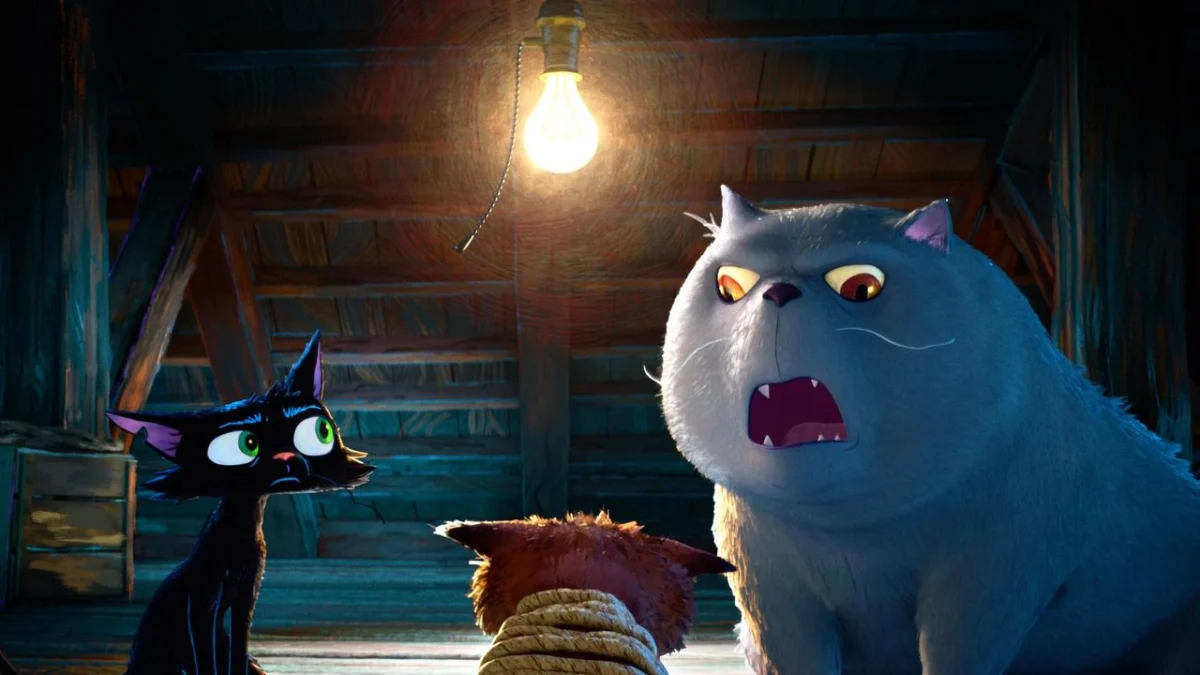
The animation industry is currently abuzz with the recent revelations from the Annecy International Animation Film Festival, where Pixar Animation Studios unveiled a strategy that simultaneously embraces a bold, avant-garde future and a nostalgic return to its storied roots. As the studio prepares to release Gatto, a project defined by a radical departure from the studio’s signature 3D aesthetic, it has also teased the return of one of its most beloved characters: Dory, the regal blue tang, in a new short titled Loving Dory.
This dual-pronged approach—venturing into 2D animation while potentially reviving the traditional theatrical "short-before-feature" model—represents a pivotal moment for the Disney-owned powerhouse.
A Shift in Aesthetic: The Rise of ‘Gatto’
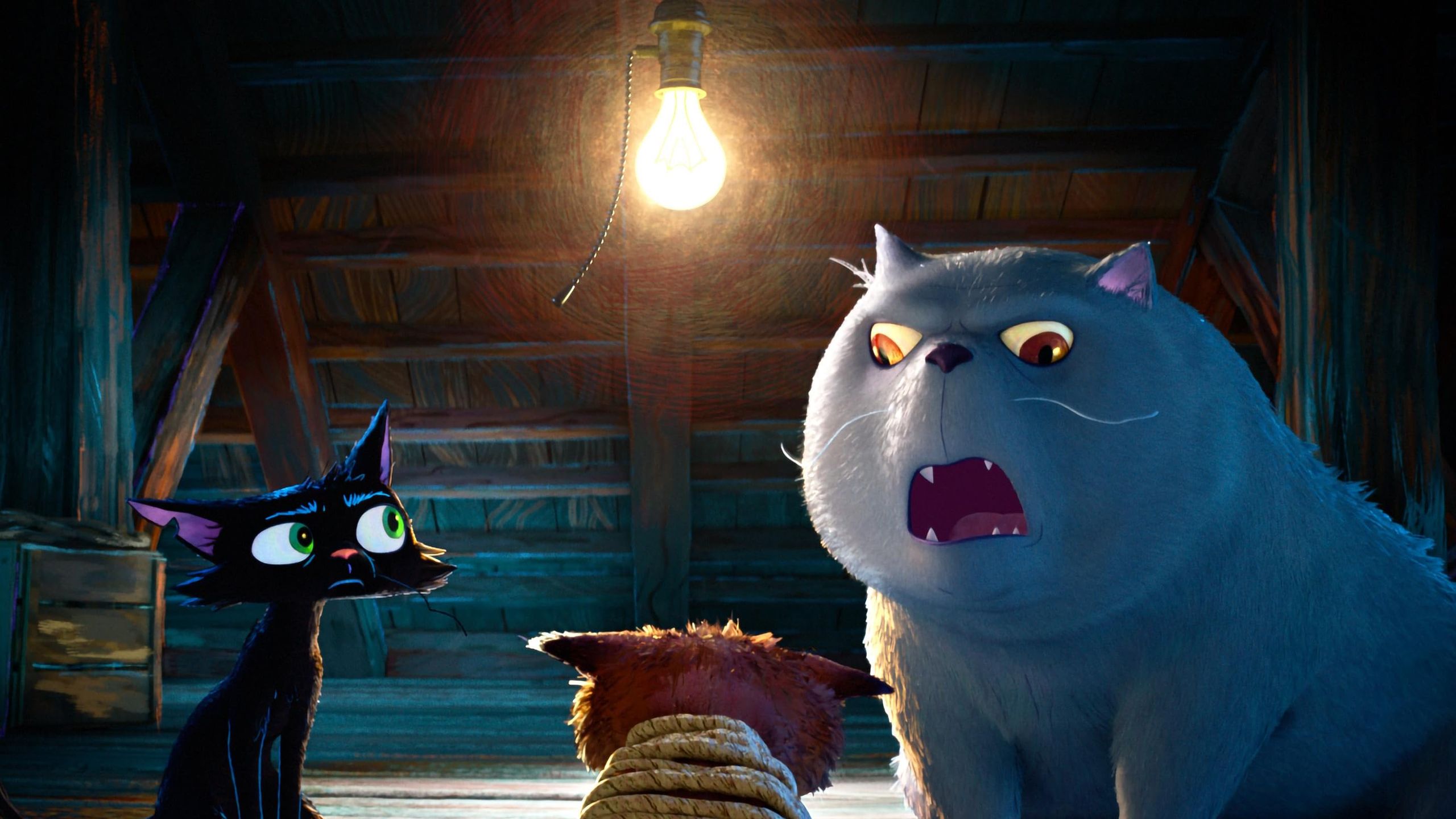
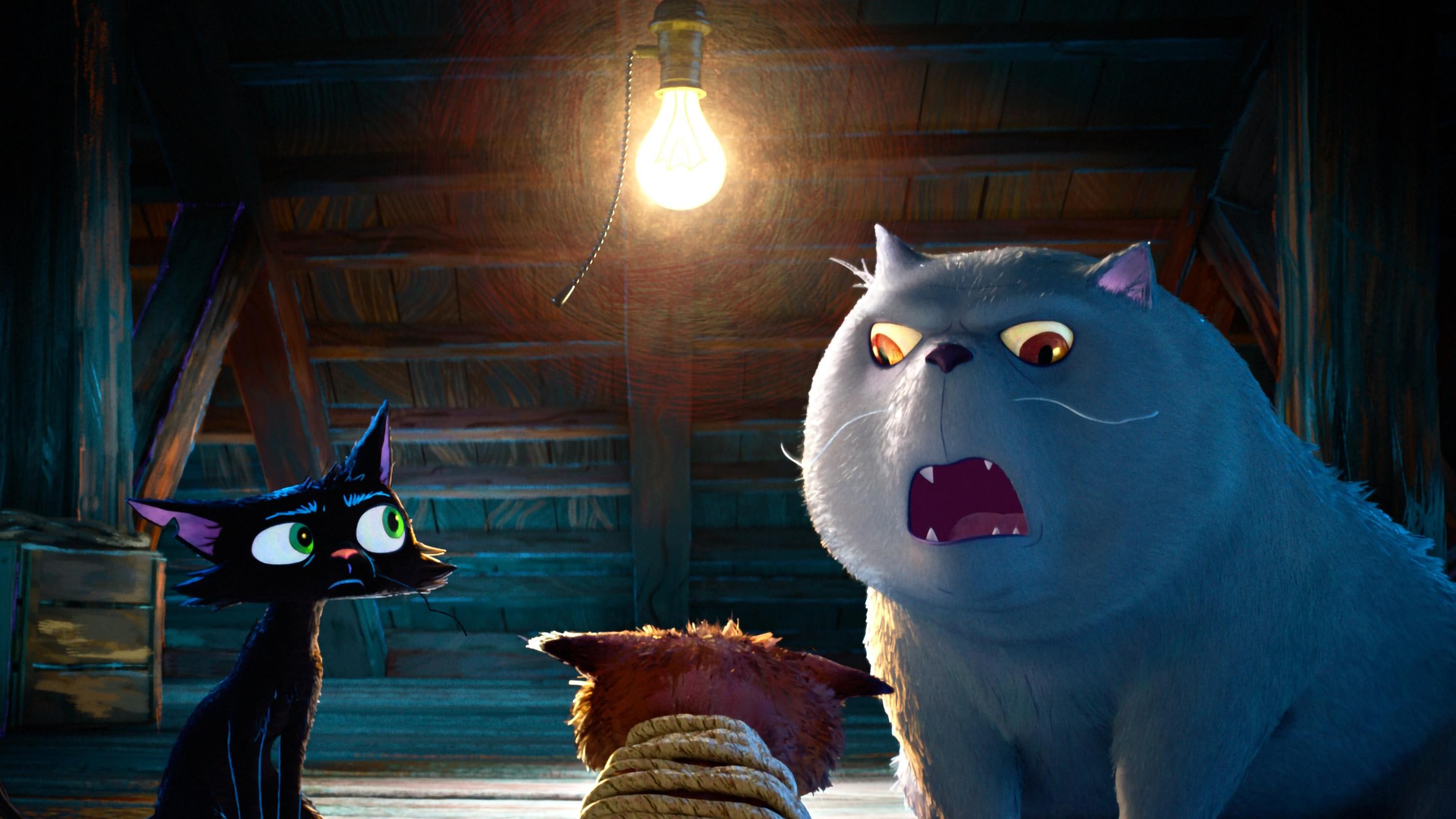
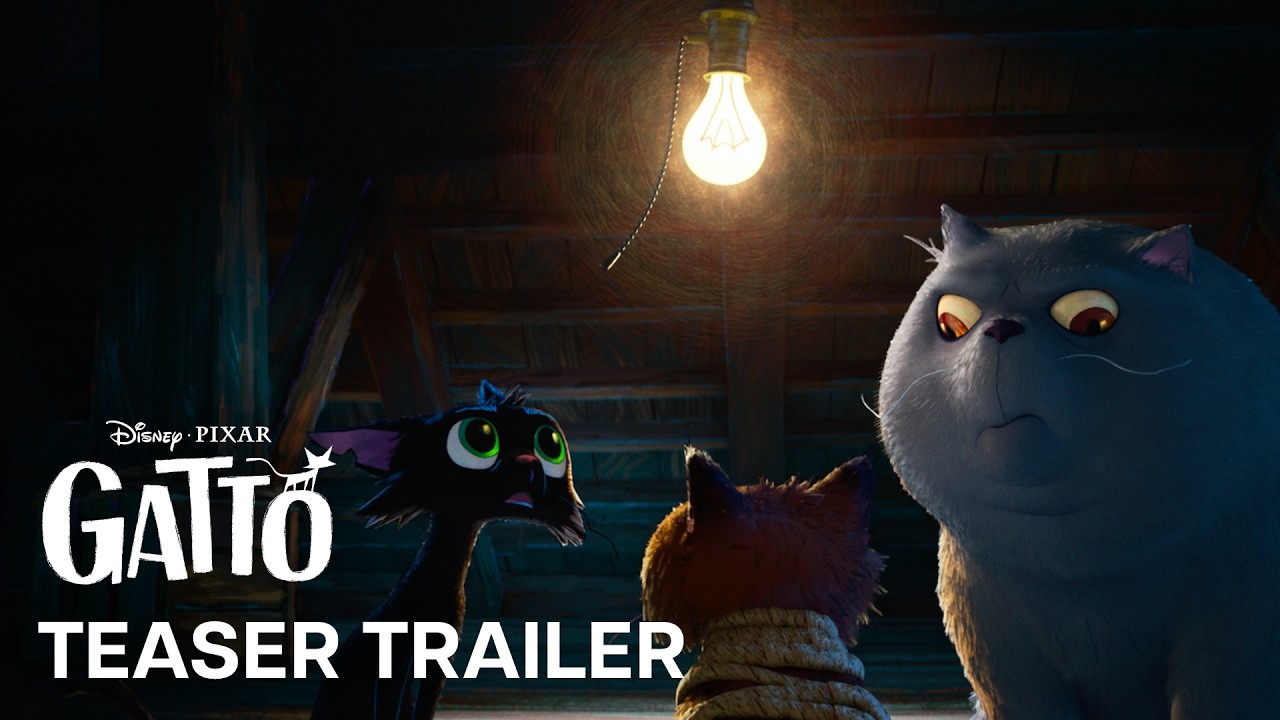
Pixar has long been the gold standard for computer-generated imagery (CGI). Since the release of Toy Story in 1995, the studio has defined the aesthetic of modern animation. However, the teaser trailer for Gatto has sent shockwaves through the creative community. The film, which follows the life of a black cat named Nero navigating the winding, picturesque canals of Venice, utilizes a 2D animation style that feels strikingly un-Pixar-like.
For a studio that built its reputation on the depth, texture, and light-refraction capabilities of 3D rendering, Gatto is a statement piece. It signals an artistic pivot—a willingness to experiment with flatter, more illustrative styles that prioritize artistic expression over the pursuit of photorealism. By moving into 2D, Pixar is not just testing new technology; it is reclaiming the artistry of traditional animation, likely seeking to compete with the stylistic diversity seen in recent hits like Sony’s Spider-Verse franchise or DreamWorks’ Puss in Boots: The Last Wish.
The Return of a Fan Favorite: Loving Dory
While Gatto pushes the studio forward, the announcement of Loving Dory offers a comforting nod to the past. During the presentation at the Annecy Festival, director Lou Hamou-Lhadj confirmed that the studio is developing a new short film centered on the iconic character from the Finding Nemo franchise.
Loving Dory is described by Hamou-Lhadj as "a new chapter in Dory’s story," with the director noting that "she allows us to have fun." The premise—which sees the forgetful fish find herself enamored with a plastic bag—promises the same blend of slapstick humor and heartfelt sincerity that defined the original 2003 masterpiece. With a release slated for 2027, this project will mark 23 years since the inception of the franchise, cementing Dory as one of the most enduring figures in the Disney-Pixar canon.
Chronology of Pixar’s Short Film Evolution
To understand the significance of this potential pairing, one must look at the historical trajectory of Pixar’s short film department.
- 1998: Pixar establishes the tradition of pairing shorts with feature films, starting with Geri’s Game attached to A Bug’s Life.
- 2003: Finding Nemo hits theaters, introducing the world to Dory.
- 2016: Finding Dory is released, grossing over $1 billion worldwide.
- 2018: Bao is released alongside Incredibles 2. This marks a major turning point, as it is widely considered the last "major" theatrical short pairing before the studio shifted its focus toward digital-first distribution.
- 2019–2024: Pixar shifts the release of its short films (such as those in the SparkShorts series) primarily to Disney+, bypassing the traditional theatrical experience.
- 2027: The scheduled release of Gatto and the potential reunion with a theatrical short, Loving Dory.
Supporting Data: Why the "Short-Before-Feature" Matters
The theatrical short was more than just a warm-up for the main event; it was an incubator for talent. Directors like Domee Shi (Bao, Turning Red) and Brian Larsen (Piper) used the short-film format to demonstrate their capability to helm feature-length projects. When Pixar transitioned to releasing shorts directly to Disney+, they arguably lost a vital "proving ground" for their internal talent pipeline.
By suggesting that Loving Dory might accompany Gatto in theaters, Pixar is acknowledging the value of the theatrical "event" experience. Data from the last decade suggests that audiences value the added "bonus" of a short film, which justifies the premium price of a movie ticket and encourages early arrival at the cinema. For a legacy studio like Pixar, this re-integration of the short film is an essential tool for maintaining its brand identity in an increasingly fractured media landscape.
Professional Insights and Creative Pedigree
Lou Hamou-Lhadj, the visionary behind Loving Dory, is a veteran of the studio. His pedigree is extensive, having served as an art director and animator on major projects including WALL-E, Toy Story 3, The Good Dinosaur, and Incredibles 2. Furthermore, his work on the Disney+ miniseries Win or Lose showcased his ability to weave complex narratives within shorter timeframes.
His involvement suggests that Loving Dory will not be a low-effort cash-in on a legacy franchise, but rather a carefully crafted piece of animation designed to push the boundaries of character-driven storytelling. When asked about the production, studio representatives at Annecy emphasized that the film is designed to capture the "pure joy" of the character, ensuring that it honors the emotional legacy of the Finding Nemo films while standing on its own as a self-contained narrative.
Implications for the Future of Pixar
The implications of this strategy are twofold. First, it demonstrates that Pixar is no longer strictly bound by the "CGI-only" mandate that governed its early decades. By embracing 2D, the studio is signaling to the industry that it values stylistic versatility. This shift is crucial for attracting the next generation of animators, many of whom are trained in diverse digital and traditional media.
Second, the potential return of the theatrical short marks a recalibration of the studio’s relationship with cinema. As streaming platforms continue to dominate, Pixar is using its most recognizable IPs—like Dory—to draw audiences back to the big screen. The combination of a daring new 2D project (Gatto) and a comforting, high-profile legacy short (Loving Dory) is a masterclass in brand management. It manages to satisfy the purists who want to see the studio innovate, while simultaneously catering to the families who seek the reliable charm of established characters.
Conclusion: A New Era for Animation
As we look toward 2027, the pairing of Gatto and Loving Dory stands as a symbol of Pixar’s evolution. The studio is learning that it does not have to choose between its history and its future. By leveraging its past to fund and support its creative experiments, Pixar is ensuring its longevity in a competitive marketplace.
Whether Gatto will successfully redefine the "Pixar look" remains to be seen, but the decision to wrap it in the familiar, warm blanket of a Dory adventure suggests that the studio understands exactly what its audience needs: a mix of the comfortingly familiar and the provocatively new. For animation enthusiasts and casual moviegoers alike, 2027 cannot come soon enough. The return of the theatrical short, combined with a willingness to experiment with aesthetic boundaries, ensures that Pixar remains at the forefront of the animation medium, proving that even after decades of success, the studio has plenty of new stories—and new styles—left to explore.
 Lina Hope
  Reynand Wu
  Pevita Pearce