
 By Laily UPN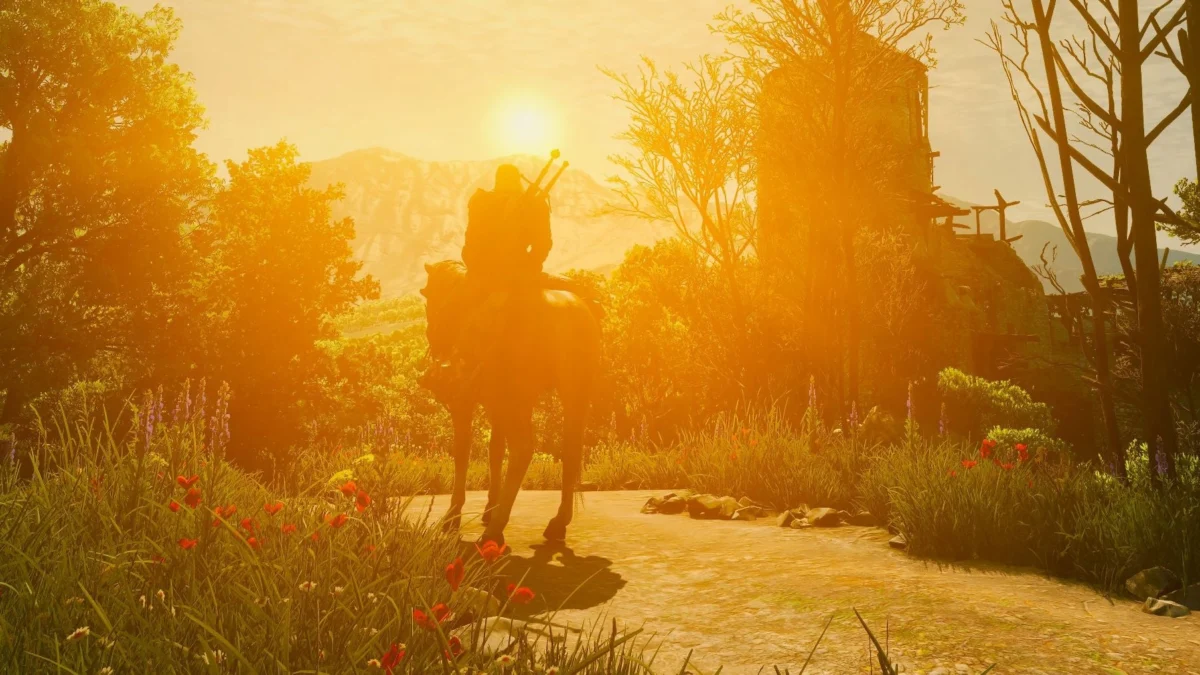
The landscape of the Continent has long been defined by its mercurial atmosphere, but for players of The Witcher 3: Wild Hunt on PC, the recent "Remastered" (Next-Gen) update brought a different kind of storm. Following a week of community feedback regarding aggressive lighting shifts and persistent audio glitches, CD Projekt Red has deployed Hotfix 5.00c, a targeted patch designed to stabilize the visual fidelity of the game’s open world and resolve nagging technical inconsistencies.
This latest update marks the second significant intervention by the Polish studio within a 48-hour window, underscoring a commitment to refining one of the most celebrated RPGs in gaming history. While the Next-Gen update was largely heralded as a generous, free gift to the player base, the transition to modern rendering techniques—specifically path tracing—was not without its friction.
The Scope of Hotfix 5.00c: Restoring the Vision
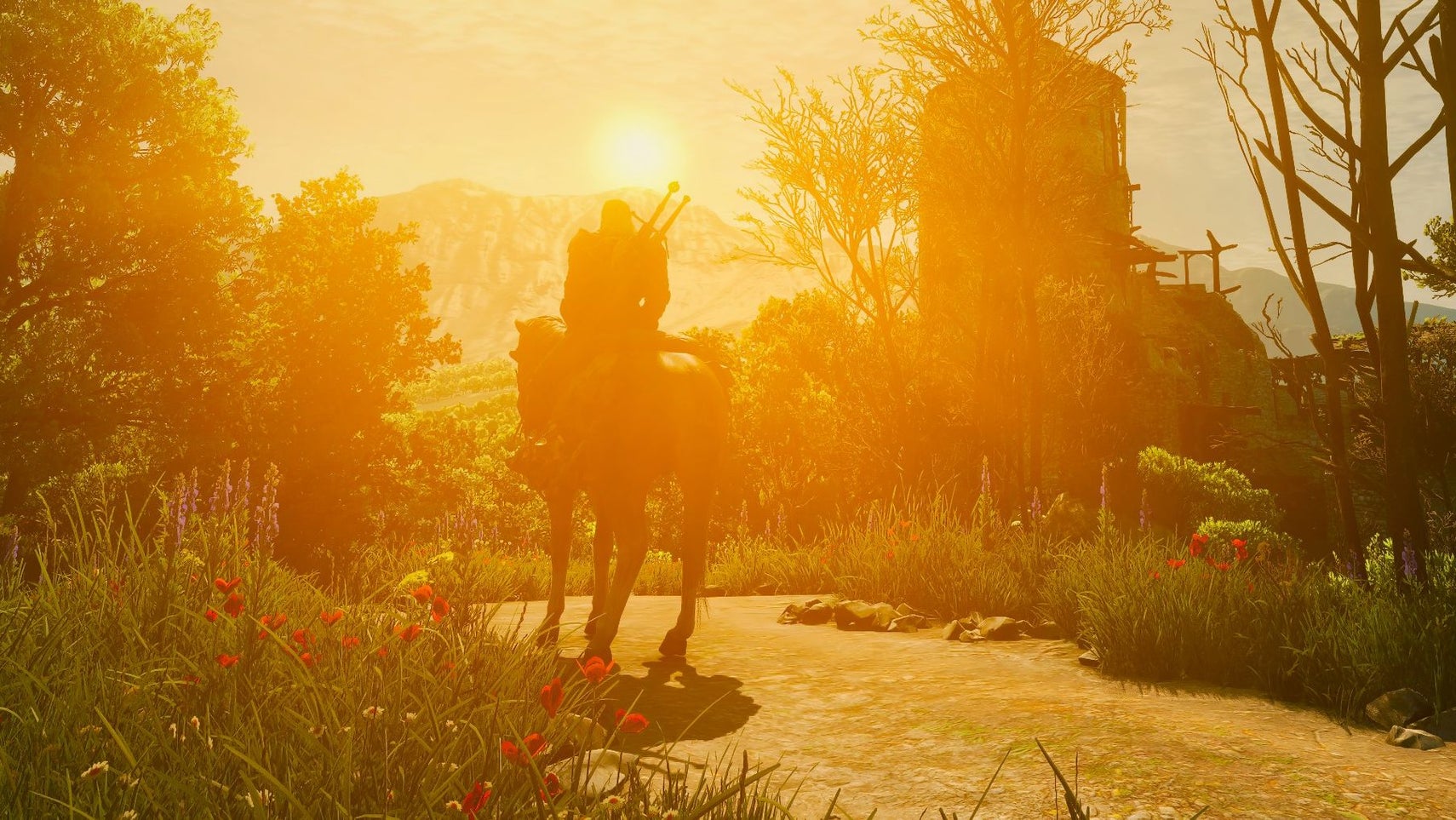
The primary focus of Hotfix 5.00c is the rectification of lighting artifacts that have plagued Velen, the game’s expansive, swamp-ridden starting region. Since the launch of the remaster, players across community forums and social media platforms expressed concerns that the new lighting model, while technically advanced, occasionally undermined the intended aesthetic of the game.
The patch notes specify that the developers have implemented "various visual adjustments in Velen," with a focus on:
- Bloom Calibration: Reducing the intensity of light spill which previously obscured fine textures.
- Vegetation Lighting: Addressing inconsistencies where foliage appeared disconnected from the global illumination pass.
- Saturation Adjustments: Re-balancing color palettes to ensure that the gritty, grim-dark aesthetic of Velen is not washed out by over-exposure.
- Path Tracing Optimization: Refining the path tracing lighting to ensure that light bounces interact more naturally with environmental geometry.
Beyond the visuals, the update resolves a vexing audio bug where voiceover volume levels would drop precipitously after a player interacted with the game’s pause or inventory menus. This fix is crucial for maintaining immersion, as the dialogue in The Witcher 3 is central to its narrative weight.
Chronology of the Next-Gen Rollout
The trajectory of the Witcher 3 Remastered release has been a rapid-fire sequence of innovation and reactive refinement.
- The Launch Window: The Next-Gen update arrived with much fanfare, offering ray-tracing, improved texture resolution, integrated mods, and significant gameplay overhauls including new camera angles and updated combat mechanics.
- The Community Reaction: Within 24 hours, the community noted that while the game looked objectively sharper, certain legacy environments—particularly the marshy regions of Velen—felt unnaturally bright or oversaturated, a departure from the deliberate, somber color grading of the original 2015 release.
- The Console Hotfix: Recognizing the need for immediate parity, CD Projekt Red released a console-focused hotfix yesterday. This patch prioritized similar lighting adjustments and stability improvements, acknowledging that hardware-specific rendering paths required unique calibrations.
- The PC-Specific Hotfix 5.00c: Today’s release addresses the PC-specific ecosystem, where the variance in hardware configurations (GPUs, Ray Tracing overheads, and resolution scaling) created a more complex set of lighting bugs than those found on locked console hardware.
Technical Context: The Challenges of Modernizing a Classic
To understand why these hotfixes are necessary, one must look at the monumental task CD Projekt Red undertook. Updating a game engine originally built for 2015 hardware to utilize modern features like Path Tracing and DLSS 3 is akin to changing the engine of a car while it is traveling at highway speeds.
The "Remastered" update is not merely a texture pack; it is a fundamental shift in how the game handles light. In the original version, lighting was largely "baked" into the environment. In the new version, light is calculated in real-time. This dynamic nature allows for stunning sunsets and hyper-realistic shadows, but it also means that if the parameters for a specific area (like the foggy, overcast skies of Velen) are miscalculated, the result can be jarringly bright or inconsistent.
The team at CD Projekt Red has had to manually revisit these "lighting zones" to ensure that the dynamic engine respects the artistic intent of the original designers. This is a delicate balancing act: provide too little light, and the game becomes muddy; provide too much, and the atmosphere evaporates.
Official Responses and Developer Transparency
CD Projekt Red has remained largely communicative throughout this process. In their official statement accompanying the 5.00c patch, the developers emphasized that these updates are part of an ongoing effort to ensure the "Next-Gen experience meets the high standards established by the original release."
The studio’s decision to provide this update for free has been a major point of discussion in the industry. As noted in critical reviews following the release, the sheer volume of changes—from combat quality-of-life improvements to the integration of high-quality community mods—represents a level of developer support rarely seen eight years after a game’s initial launch. The studio’s quick reaction to the lighting feedback is viewed by many as a testament to their dedication to the Witcher brand, which remains their flagship intellectual property.
Implications for the Industry
The "Witcher 3 Remastered" saga provides a masterclass in the complexities of modern game maintenance. It highlights several critical trends in the current gaming landscape:
1. The Era of the "Living Patch"
The expectation that a game will be "finished" on day one is increasingly being replaced by the reality of the "Living Patch." For developers, the ability to collect granular, real-time data from millions of players allows for rapid iteration. However, it also places immense pressure on developers to address feedback within hours, not months.
2. High Stakes for Legacy Titles
Reviving older titles with new technology is a high-risk, high-reward strategy. When successful, it extends the lifespan of a title by a decade, drawing in a new generation of players. When it stumbles, it risks tarnishing the nostalgia associated with the original. The speed of CD Projekt Red’s response is a strategic move to preserve the reputation of The Witcher 3 as a "timeless" title.
3. Community as Quality Assurance
The role of the community in shaping the post-launch state of the game cannot be overstated. The feedback regarding lighting in Velen was not just "noise"; it was actionable data. By listening to the community, the developers were able to pinpoint the specific assets and light-mapping errors that were causing the most friction, effectively using the player base as a massive, distributed QA department.
Conclusion: A Work in Progress
As players return to the Continent to take on the roles of Geralt of Rivia once more, the impact of Hotfix 5.00c will be immediately visible to those who found the recent lighting changes distracting. The path forward for CD Projekt Red is clear: maintain the high-fidelity graphical upgrades while aggressively pruning the technical bugs that inevitably arise when retrofitting a 2015 masterpiece with 2024 technology.
While the Witcher 3 Remastered is a "generous gift," as it was described in early reviews, it is also a reminder that technology is never static. The game is arguably more beautiful than it has ever been, but it requires constant care to ensure that the beauty does not come at the cost of the atmosphere that made the game a legend in the first place. For now, the lights in Velen have dimmed, the voices are clear once more, and Geralt continues his hunt—a little more polished, and significantly more stable.
 Basiran
  Ammar Sabilarrohman
  Reynand Wu