
 By Asro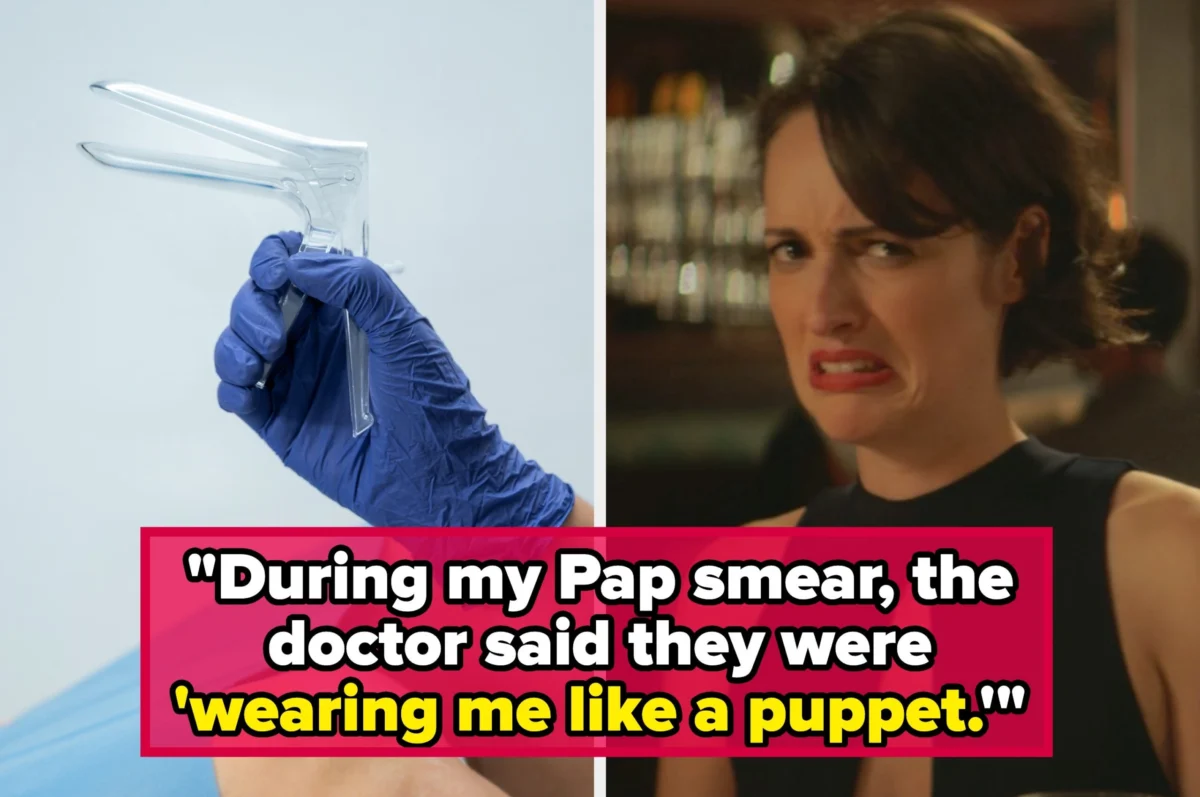
October 2, 2026 — In an era where patients increasingly rely on digital communities to validate their lived experiences, a single viral prompt on the social media platform Threads has opened the floodgates to a staggering public reckoning regarding medical communication.
What began as an open-ended question posed by prominent physician and media personality Dr. Jen Caudle—asking users to share the most "unprofessional things" healthcare providers have ever said to them—has rapidly evolved into an expansive digital archive. The thread has attracted thousands of responses, painting a disturbing portrait of systemic bedside callousness, diagnostic dismissal, outright cruelty, and profound ethical lapses within modern medicine.
While medical professionals take oaths to "do no harm," the accumulating testimonies underscore a persistent, pervasive reality that millions of patients know all too well: the deep-seated trauma inflicted by those entrusted with our care.
Main Facts: The Anatomy of a Viral Reckoning
The digital phenomenon initiated by @drjencaudle highlights a critical disconnect between the clinical standards expected of medical practitioners and the interpersonal realities patients routinely face in examination rooms, labor and delivery wards, and oncology clinics.
The collected narratives span decades and cross international boundaries, featuring recurring themes that transcend individual bad actors:
- The Dismissal of Serious Symptoms: Patients describing life-threatening conditions—ranging from metastatic cancers and blood clots to severe organ failure—being brushed off as anxiety, lifestyle issues, or hypochondria.
- Reproductive Coercion and Bias: Individuals seeking sterilization or navigating gynecological care encountering deeply patriarchal, judgmental, or outright bizarre commentary regarding their bodily autonomy and future reproductive choices.
- Cruelty During Vulnerable Moments: Terrified parents, patients receiving terminal or life-altering diagnoses, and women undergoing painful procedures facing blatant mockery, apathy, or hostility from nurses, anesthesiologists, and attending physicians.
Rather than isolated anecdotes, the sheer volume and consistency of the submissions point to a systemic crisis in medical training, empathy fatigue, and power imbalances inherent in the doctor-patient dynamic.
Chronology: How the Conversation Unfolded
The online discourse accelerated rapidly following Dr. Caudle’s initial post on Threads.
- Phase One (The Spark): The initial prompt invited casual engagement, encouraging users to share brief encounters of unprofessional behavior. Within hours, however, the tone shifted from mild administrative grievances to harrowing accounts of clinical negligence and psychological abuse.
- Phase Two (The Flood of Testimonies): As the algorithm amplified the thread, verified users and everyday contributors alike began detailing specific, highly traumatic incidents. Stories ranged from blatant homophobia and sexism in diagnostic settings to shocking statements delivered moments after receiving devastating news.
- Phase Three (Widespread Media Attention and Public Discourse): By October 2, 2026, the thread had accumulated tens of thousands of interactions, transforming from a social media curiosity into a broader cultural conversation about patient advocacy, medical gaslighting, and the urgent need for systemic reform in healthcare communication.
Supporting Data and Disturbing Dispatches
To understand the gravity of the public response, one must examine the specific accounts shared by contributors—testimonies that illuminate the harrowing emotional toll of clinical arrogance.
1. Diagnostic Dismissal and Fatal Consequences
Among the most alarming patterns in the thread are instances where medical professionals weaponized personal biases or sheer laziness against patients presenting with critical symptoms.
- User @drhailey recounted a chilling experience with an OB-GYN who attributed all of her physical symptoms to her identity: "An OB-GYN told me all my problems were in my head because I was a lesbian. Turns out, I had uterine cancer."
- In an even more tragic account, user @midwifebethany detailed how a doctor dismissed a husband’s life-threatening condition: "I told the doctor that I thought my husband’s red, tight, warm, and hugely swollen leg could be a blood clot. He told me that I ‘watched too much House,’ and it was clearly a bug bite. Spoiler alert: It was a huge blood clot caused by an abdominal tumor… He died 10 months later."
- Thyroid and endocrine disorders proved similarly mismanaged through lazy stereotyping. One contributor noted: "You gained over 70 lbs in four months because you are middle-aged and eat too much.’ In reality, my thyroid had crapped out. Five doctors and eight months later, it was cancer."
2. Violations of Patient Trust and Bodily Autonomy
The examination room is designed to be a sanctuary of safety and clinical objectivity. Yet, numerous accounts highlighted bizarre, deeply inappropriate, and coercive remarks made during vulnerable procedures.
- User @laurenmorrill shared a distressing encounter during a pediatric visit where a nurse discarded a clean diaper, forced a shortage, and shamed the mother: "When I realized I didn’t have an extra with me, she said, ‘No extra diapers? Bad mom!’ even though my husband was sitting right next to me."
- Another anonymous contributor described an invasive procedure compromised by grotesque commentary: "During my Pap smear, the doctor said they were ‘wearing me like a puppet.’ They then laughed when I tensed up from the discomfort of that statement and said they liked it."
- Patients seeking permanent reproductive solutions frequently faced obstruction disguised as moralizing philosophy. When user @solobotoys requested her tubes be removed following her second child, a physician responded: "Well, what if your entire family dies and you want to start a new one?" Similarly, another patient with dwarfism was told by an anesthesiologist to an OB-GYN during labor: "Go ahead and tie her tubes. People like her don’t need to have kids."
3. Empathy Deficits in Moments of Crisis
Perhaps most jarring are the moments when patients looked to medical professionals for compassion, only to be met with stark, unfeeling cruelty.
- A mother recounted the devastating delivery of a terminal prognosis for her newborn: "The pediatrician on duty when my son was born told my husband we shouldn’t name him because ‘Something is obviously very wrong and he probably won’t make it.’ …He turns 21 this month."
- Another user shared the stark reality of receiving news of a miscarriage: "An OB-GYN told me, after an ultrasound, that there was no fetal heartbeat… As I began crying, he said, ‘Well…that’s life.’"
- Even cancer survivorship was marred by psychological cruelty. User @juliacr99 described preparing for a double mastectomy following six months of chemotherapy for triple-negative breast cancer: "After I got up the courage to tell her I didn’t want any reconstruction, she blurted out, ‘So you want to look WEIRD?!’ I immediately burst into tears."
Official Responses and Institutional Silence
As these stories continue to circulate across digital platforms, medical boards, hospital networks, and patient advocacy groups face mounting scrutiny regarding how complaints of unprofessionalism and verbal abuse are handled.
Historically, medical institutions have prioritized institutional liability and the protection of licensed practitioners over patient satisfaction or emotional safety. Formal grievance procedures—often requiring patients to navigate labyrinthine bureaucratic processes, secure legal representation, or file formal complaints with state medical boards—frequently deter victims from coming forward.
While individual practitioners named in viral social media posts rarely issue public apologies due to privacy regulations and legal liability concerns, healthcare administrators are increasingly recognizing the public relations and operational risks associated with poor bedside manner. Modern medical schools have slowly begun integrating communication workshops, empathy training, and bias-awareness modules into their curricula. However, critics argue that these measures remain largely performative, failing to weed out practitioners who view patients through a lens of condescension or apathy.
Implications: The Future of Patient-Provider Dynamics
The viral Threads prompt serves as a cultural symptom of a broken social contract between patients and the medical establishment.
The Rise of Patient Self-Advocacy
With trust in institutional healthcare eroding, patients are increasingly turning to peer-to-peer networks, second opinions, and digital health communities to validate their symptoms and combat medical gaslighting. The phenomenon underscores the vital importance of self-advocacy, as marginalized groups—including women, LGBTQ+ individuals, racial minorities, and those with chronic illnesses—continue to bear the brunt of diagnostic bias.
A Call for Cultural Reform Within Medicine
Ultimately, the disclosures collected by Dr. Caudle and other medical advocates highlight an urgent need for institutional accountability. For the medical community to restore public trust, regulatory bodies and hospital administrations must treat unprofessional conduct, verbal abuse, and diagnostic dismissal not as minor personality quirks, but as critical safety violations that jeopardize patient outcomes.
Until systematic changes are implemented to prioritize compassionate, equitable care, the examination room will remain, for many, a place of anxiety rather than healing—leaving platforms like Threads to serve as the support networks that modern medicine too often fails to provide.
 Evan Lee Salim
  Asep Darmawan