
 By Neng Nana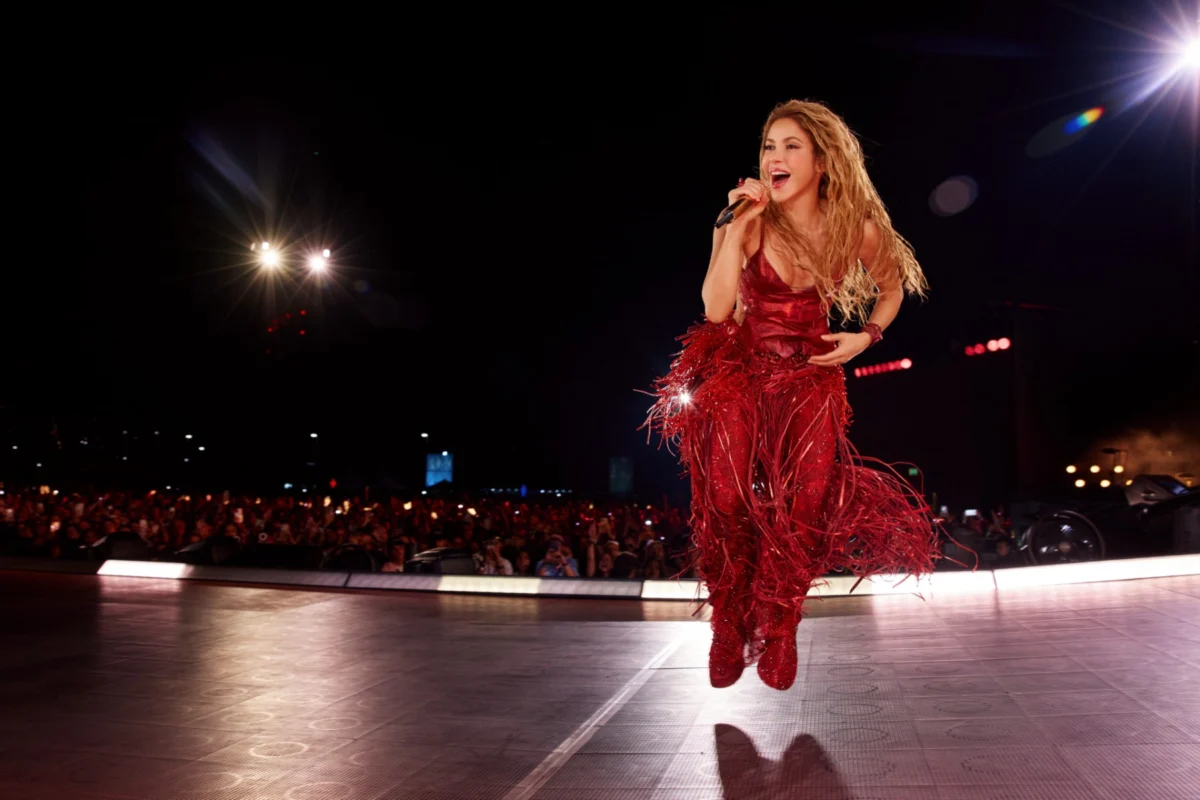
In a monumental display of global stardom and artistic endurance, Colombian music icon Shakira has officially extended her highly anticipated residency in the Spanish capital. Originally conceived as a centerpiece of her record-breaking Las Mujeres Ya No Lloran World Tour, the residency—held at the custom-built Shakira Stadium within the sprawling Iberdrola Music complex—has ballooned into a 13-night cultural phenomenon. The announcement of a final date, dubbed "The Last Dance," cements the series as one of the most significant musical events in Madrid’s modern history.
The Evolution of "The Last Dance"
What began as a limited run of performances has evolved into a marathon of sound, dance, and cultural fusion. Following the conclusion of her third consecutive weekend of performances in Madrid, Shakira’s team confirmed that an unprecedented demand for tickets necessitated the addition of a final show on October 12.
This date holds profound symbolic weight. Coinciding with Spain’s Hispanic Day, the October 12 finale is being curated not merely as a concert, but as a grand farewell celebration. The event will serve as a convergence of Latin and Spanish artistic traditions, featuring a star-studded lineup of collaborators. Joining Shakira on this historic night will be reggaeton heavyweight Maluma, singer-songwriter Beéle, and Spanish pop icon Dani Martín.
Pino Sagliocco, president of Live Nation Spain, noted that the artist’s commitment to her fans drove the decision to add the extra dates. "The She-Wolf, as always, has thrown herself into the ring," Sagliocco stated during a press conference on Tuesday. "She decided she was willing to make the sacrifice and do four consecutive days to meet the overwhelming demand of her audience."
A Chronological Breakdown: From September to the Grand Finale
The residency, which commenced on September 18, 2026, has been a masterclass in venue management and fan engagement.
- September 18 – Early October: The residency opened to immediate critical acclaim, with Shakira utilizing the custom-built Shakira Stadium to create an immersive experience. The venue, designed specifically to accommodate the complex technical requirements of the Las Mujeres Ya No Lloran tour, allowed for a level of intimacy rarely seen in stadium-sized shows.
- October 3: The concert on this date set a digital milestone. Streamed live via Amazon Music, the performance became the most-watched livestream by a female artist in the platform’s history, underscoring the singer’s massive global digital footprint.
- October 5: Shakira officially announced the extension of the residency, confirming that "The Last Dance" would take place on October 12.
- October 6: Live Nation held a press conference to detail the logistics of the final days, confirming the appearance of guest artists and the inclusion of a tribute segment to poet Federico García Lorca.
- October 9–12: The final four-night stretch, representing the most grueling segment of the residency, designed to close the Madrid chapter of her tour on a high note.
Supporting Data: The Magnitude of the Residency
The scale of this residency is reflected in both the physical logistics and the digital engagement metrics. By extending her stay to 13 nights, Shakira has effectively transformed a standard concert tour stop into a multi-week cultural residency.
The residency has not just been about the numbers, but about the eclectic roster of talent featured on stage. Throughout the weeks, the audience has witnessed surprise appearances from heavy hitters including Laura Pausini, Alejandro Sanz, Manuel Turizo, Dua Lipa, and the Ghetto Kids. Each guest has brought a different flavor to the stage, highlighting the versatility of Shakira’s catalog—from the pop-infused anthems of her early career to the genre-bending collaborations of her latest work.
Furthermore, the integration of local Spanish talent—such as the upcoming performances by Israel Fernández, Kiki Morente, and Antonio Carbonell—demonstrates a strategic effort to bridge Latin American and Spanish musical lineages. The inclusion of these artists in the tribute to Federico García Lorca, marking 90 years since his death, elevates the residency from a standard concert series to a curated artistic festival.
Official Responses and Strategic Planning
The management of this residency has been characterized by a "drip-feed" strategy of information. Pino Sagliocco, the architect behind the logistics of the residency, has emphasized that the goal was to keep the audience engaged through continuous updates.
"We’ll be sharing more news in the coming days because we want to surprise everyone little by little, not all at once," Sagliocco explained. This approach has proven highly effective in maintaining the "buzz" around the residency, ensuring that every weekend brought new headlines and renewed ticket interest.
The reunion with Maluma is particularly noteworthy. Having collaborated on international hits like "Chantaje," the two artists are set to perform their latest track, "Agua," live for the first time. The inclusion of Beéle, who has been instrumental in the 20th-anniversary reimagining of "Hips Don’t Lie," further cements the residency as a retrospective of Shakira’s enduring relevance.
Cultural Implications: Bridging the Hispanic World
Beyond the music, the residency at Iberdrola Music has significant implications for the cultural landscape of Madrid. By dedicating the October 12 performance to the legacy of Federico García Lorca and the genre of flamenco, Shakira is actively engaging with the historical and intellectual history of her host country.
The performance centered on Omega—the landmark album by Enrique Morente and Lagartija Nick that fundamentally changed the trajectory of modern flamenco—serves as a testament to the artist’s respect for the musical traditions that have influenced her own growth. This is not merely a pop concert; it is an attempt to synthesize the global reach of contemporary Latin pop with the deep-rooted, traditional artistry of Spain.
The economic impact on the city of Madrid has also been substantial. The temporary construction of the Shakira Stadium created a localized hub of commerce and tourism, drawing thousands of international travelers. As the residency concludes, it leaves behind a blueprint for how global superstars can engage with host cities, moving beyond the "fly-in, fly-out" model of traditional touring in favor of a more sustained and culturally integrated presence.
Looking Ahead
As the residency reaches its climax, the focus shifts to the final logistical hurdles. With tickets for the October 12 show moving through a tiered release system—starting with Santander Music customers and followed by a general public release through Ticketmaster and El Corte Inglés—the anticipation is at a fever pitch.
Shakira’s ability to sell out 13 nights in a single city, while consistently delivering high-octane performances that incorporate both pop spectacle and traditional tributes, reinforces her status as one of the most formidable entertainers of the 21st century. As the lights dim on the final night of "The Last Dance," the legacy of this residency will likely be studied by tour promoters and artists alike as a benchmark for the future of large-scale, destination-based live performance.
For the fans who have been part of this journey, the residency has been more than a concert series; it has been a testament to the power of music to unite, to evolve, and to celebrate the shared heritage of the Spanish-speaking world. As Shakira prepares to close this chapter, she does so not as a guest in Madrid, but as an artist who has truly made the city her own.
 Laily UPN
  Ali Ikhwan