
 By Reynand Wu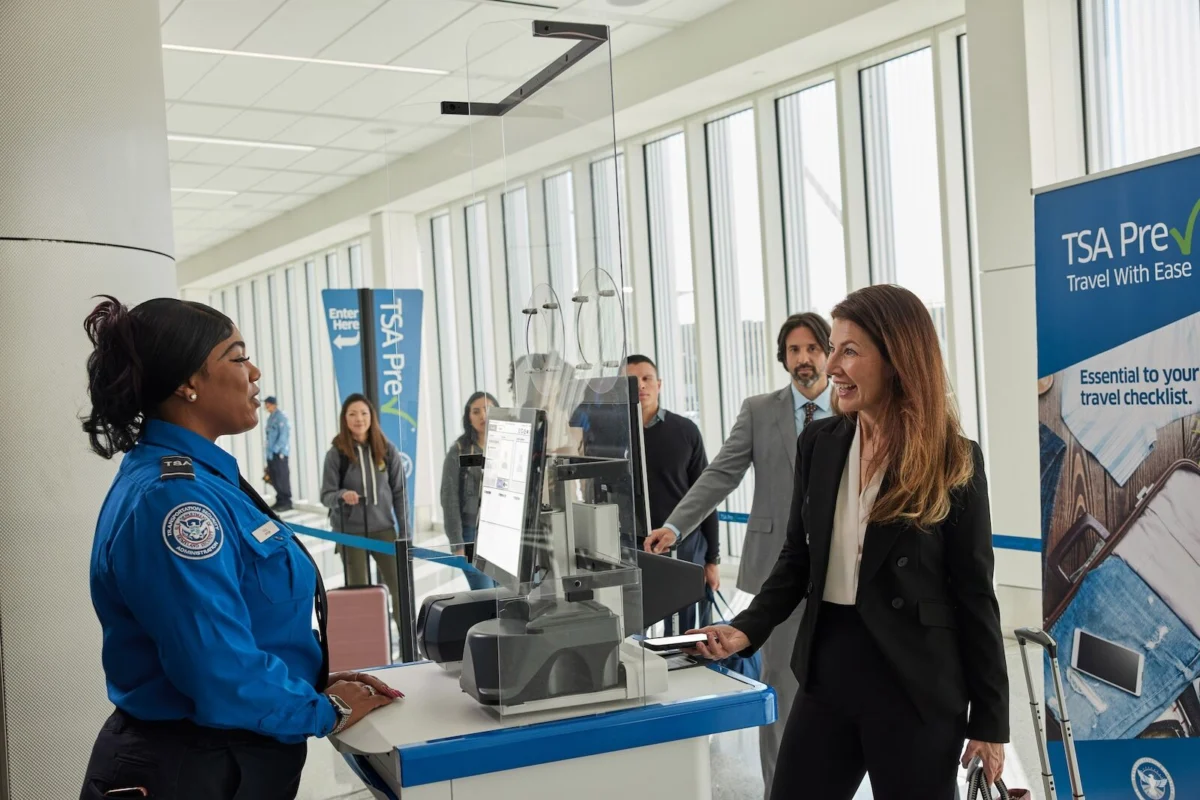
The modern airport experience has long been defined by the friction of physical documentation—fumbling for a passport, verifying a boarding pass, and standing in line for manual identity verification. However, a significant paradigm shift is underway. Google has announced a major update to its Google Wallet platform, fundamentally changing how TSA PreCheck members interact with the Transportation Security Administration’s (TSA) “Touchless ID” program. By centralizing the credentialing process, Google is moving the industry away from fragmented, airline-specific enrollment toward a unified, digital-first experience.
The Evolution of Identity: What is Changing?
For years, the promise of “touchless” travel was hampered by administrative silos. Previously, if a traveler wanted to utilize facial recognition technology at a TSA checkpoint, they were required to perform a cumbersome, repetitive dance: maintain an active profile with a specific airline, upload a passport to that airline’s proprietary database, and repeat the process for every carrier they flew.
This model was not only tedious but restrictive. Only a select group of carriers—Alaska, American, Delta, Hawaiian, Southwest, and United—supported the program, and access was often gated behind frequent flyer loyalty tiers.
The new Google Wallet integration dismantles these barriers. Instead of managing individual airline profiles, travelers can now upload their U.S. passport once as a digital ID pass directly into their Google Wallet. Once the passport is securely stored, users can opt into Touchless ID directly from their boarding pass within the app. This shift is monumental: it effectively expands Touchless ID eligibility from a handful of airlines to nearly 100 carriers participating in the broader TSA PreCheck ecosystem.
While the technology is currently restricted to U.S. passport holders enrolled in TSA PreCheck, the implications for the future of domestic travel are clear. By moving the identity verification logic to the wallet level, the TSA and Google have effectively turned the smartphone into the primary key for the airport terminal.
Chronology of Digital Identity in Travel
To understand the magnitude of this update, one must look at the timeline of digital adoption within the Department of Homeland Security (DHS).
- Pre-2020: The airport security experience was almost entirely physical, relying on paper boarding passes and plastic-card driver’s licenses.
- 2020–2023: The TSA began piloting facial recognition technology (Touchless ID) at select hubs. Initial enrollment was siloed, requiring passengers to opt in through individual airline applications, leading to low adoption rates and user frustration.
- Summer 2025: The TSA reached a significant milestone, expanding Touchless ID availability from a limited pilot of 15 airports to a broader rollout.
- June 2026: The official launch of the Google Wallet integration. This marks the first time that identity verification is decoupled from the airline’s own IT infrastructure, signaling a move toward a universal digital identity standard.
As of mid-2026, the program is live at 65 airports nationwide. While this does not cover every checkpoint in every terminal, it represents a rapid scale-up from the early days of limited testing.
Supporting Data and Technical Requirements
The transition to a digital-first checkpoint is not merely a convenience upgrade; it is a complex technical integration involving biometric data encryption and real-time verification against government databases.
How to Activate the Service
For Android users, the setup process is designed for simplicity:
- Passport Provisioning: Open Google Wallet and create a secure digital ID pass using a U.S. passport.
- Boarding Pass Integration: Save your boarding pass to the wallet as usual.
- Opt-In: If eligible, a "Get started" prompt will appear on the boarding pass.
- Consent: By agreeing to share credentials with the TSA, a "Touchless ID" indicator is digitally stamped onto the boarding pass, notifying the reader at the checkpoint that your biometric identity is ready for verification.
The Landscape of Compatibility
It is crucial to note that this specific, streamlined "Touchless ID" feature is currently exclusive to the Android ecosystem. While Apple Wallet supports digital identity, it has not yet partnered with the TSA for this specific "Touchless ID" boarding pass integration.
Similarly, Samsung Wallet offers a digital passport feature, but it operates through an integration with CLEAR, rather than the TSA PreCheck system. Because Google Wallet is platform-agnostic for Android devices, Samsung phone users can bypass the Samsung Wallet/CLEAR route by opting to use Google Wallet for their TSA PreCheck Touchless ID needs.
The iPhone Conundrum: Alternative Digital Pathways
While iPhone users are currently excluded from the Google Wallet-based "Touchless ID" boarding pass shortcut, they are by no means barred from the digital revolution. Apple has invested heavily in its own digital identity framework, which operates slightly differently.
As of the release of iOS 26, iPhone users with an iPhone 11 or newer can use a passport-based digital ID stored in Apple Wallet. At approximately 250 airports nationwide, travelers can scan their digital ID at a dedicated reader. The TSA camera then captures a photo of the traveler and compares it to the encrypted data provided by the digital ID. This process removes the need to present a physical driver’s license or passport to a Transportation Security Officer (TSO).
While this serves the same end goal—speeding up the checkpoint and reducing physical touchpoints—it relies on a different technical standard than the Google Wallet integration. Apple users, therefore, have a wider network of "digital ID" airports (250) but lack the specific "Touchless ID" boarding pass integration that currently provides a more seamless experience for Android users at the 65 airports supporting that specific protocol.
Implications for the Future of Air Travel
The integration of digital identity into mobile wallets has profound implications for both travelers and airport operators.
Security and Privacy
The move toward biometric verification is primarily a security-driven initiative. By utilizing facial recognition, the TSA can ensure that the person presenting the boarding pass is the same person who passed the initial vetting process. The encryption standards used by Google Wallet ensure that the biometric data is not permanently stored by the airline or the phone manufacturer; instead, it is a transient, secure verification process.
Efficiency and Throughput
The "bottleneck" at the security checkpoint has long been the manual inspection of identification. By automating this, the TSA can increase the throughput of passengers, reducing wait times even as air travel demand continues to rise. For the traveler, this means a more predictable, less stressful experience, particularly for frequent flyers who rely on the efficiency of the PreCheck program.
The Path to Standardization
The current landscape is admittedly fragmented. We are living in a "transitional era" where different platforms (Google, Apple, Samsung) and different programs (TSA PreCheck, CLEAR) utilize different methods to achieve a similar result. The long-term implication of Google’s latest update is a push toward industry-wide standardization. By proving that a single, centralized identity pass can work across nearly 100 airlines, Google is setting the stage for a future where the smartphone is the only document required for travel.
Challenges Ahead
Despite the progress, several challenges remain:
- Geographic Inconsistency: With only 65 airports currently supporting Touchless ID, travelers cannot rely on it as a universal solution. A passenger might be able to use it at their departure gate but find themselves back in the traditional line at a smaller regional airport.
- Device Inequality: The current divide between Android’s "Touchless ID" boarding pass integration and Apple’s "Digital ID" reader scan creates a fragmented user experience. Until these technologies are unified or cross-platform, the benefits of digital identity will remain unevenly distributed.
- Hardware Adoption: For the system to be truly effective, every TSA checkpoint must be equipped with the necessary biometric readers. This requires a massive capital expenditure by the federal government, which moves at a different speed than the tech sector.
Conclusion
The update to Google Wallet is a significant milestone in the digital transformation of aviation. By simplifying the enrollment process for TSA Touchless ID, Google has lowered the barrier to entry for millions of travelers, making the airport security checkpoint faster, more secure, and significantly less frustrating.
While we are not yet at the point where physical documentation is entirely obsolete, the trajectory is unmistakable. We are moving toward a future where our identity is not a piece of paper in our pocket, but a secure, encrypted, and instantaneous signal in our digital wallet. For now, the Android-toting, TSA PreCheck-enrolled traveler stands at the vanguard of this change, enjoying a level of efficiency that, just a few years ago, would have seemed like science fiction. As the technology matures and adoption spreads to more airports and devices, the "paperless checkpoint" will eventually become the global standard, fundamentally redefining our relationship with the sky.
 Layla Zulfa
  Lina Irawan
  Nana
Nana 