
 By Iffa Jayyana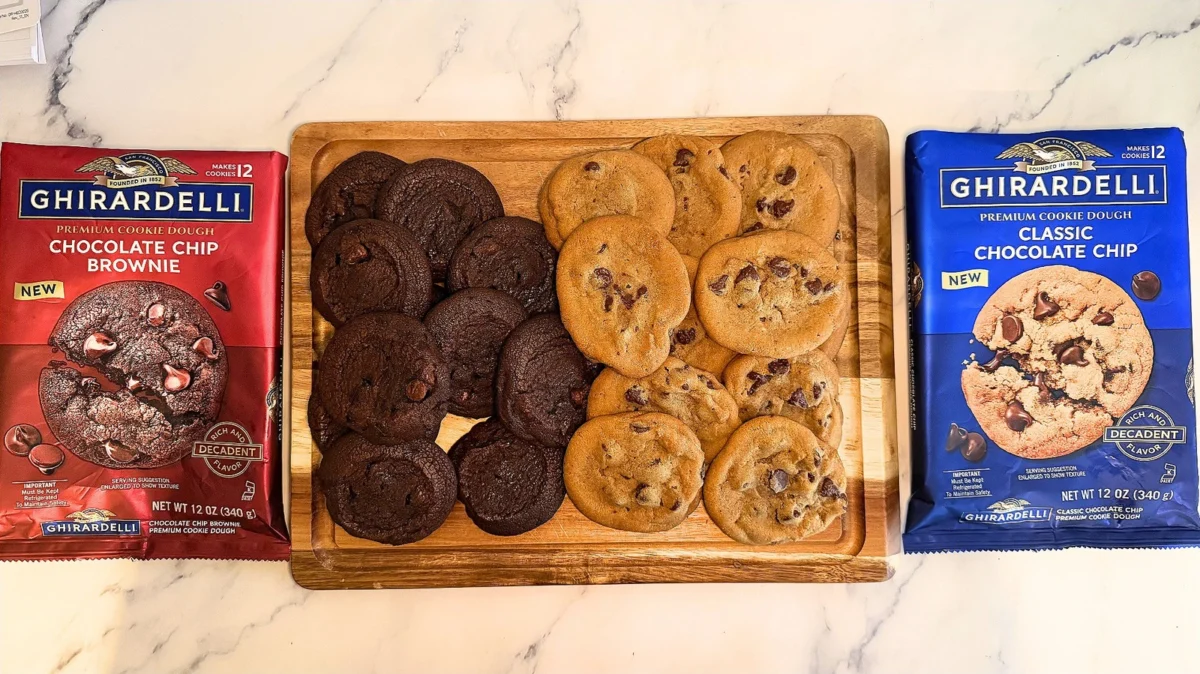
For decades, the name Ghirardelli has been synonymous with premium American chocolate. From their iconic baking bars to their ubiquitous semi-sweet chips, the brand has anchored the baking aisles of grocery stores nationwide. Yet, in an era where the "convenience economy" dominates the culinary landscape, the brand has remained notably absent from the refrigerated cookie dough section—a category dominated by established legacy players and boutique health-focused brands alike.
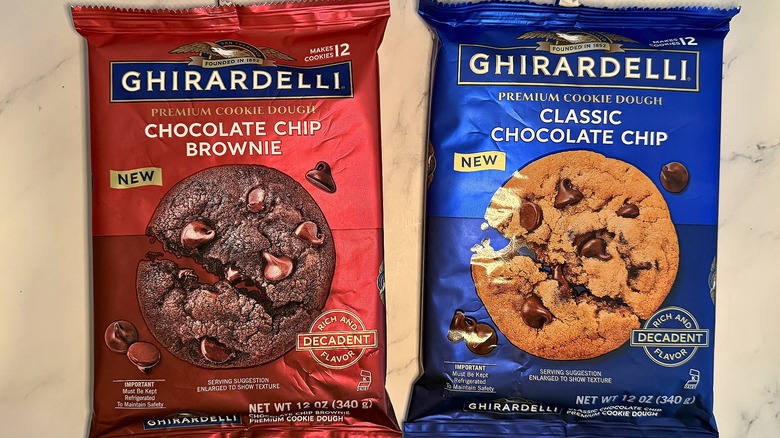
That has finally changed. Ghirardelli has officially made its debut in the refrigerated dough market, launching two distinct, pre-portioned offerings: Classic Chocolate Chip and Chocolate Chip Brownie. For home bakers and dessert enthusiasts alike, the question is no longer just about convenience; it is about whether a brand defined by high-quality cocoa can successfully translate its prestige into a format that traditionally prioritizes speed over gourmet quality.
Main Facts: The New Standard for Ready-to-Bake
The transition from shelf-stable chips to refrigerated dough is a calculated strategic move for the company. By leveraging their existing brand equity, Ghirardelli aims to capture the "premium-convenience" demographic—consumers who crave a high-end dessert experience but lack the time to measure, mix, and chill dough from scratch.
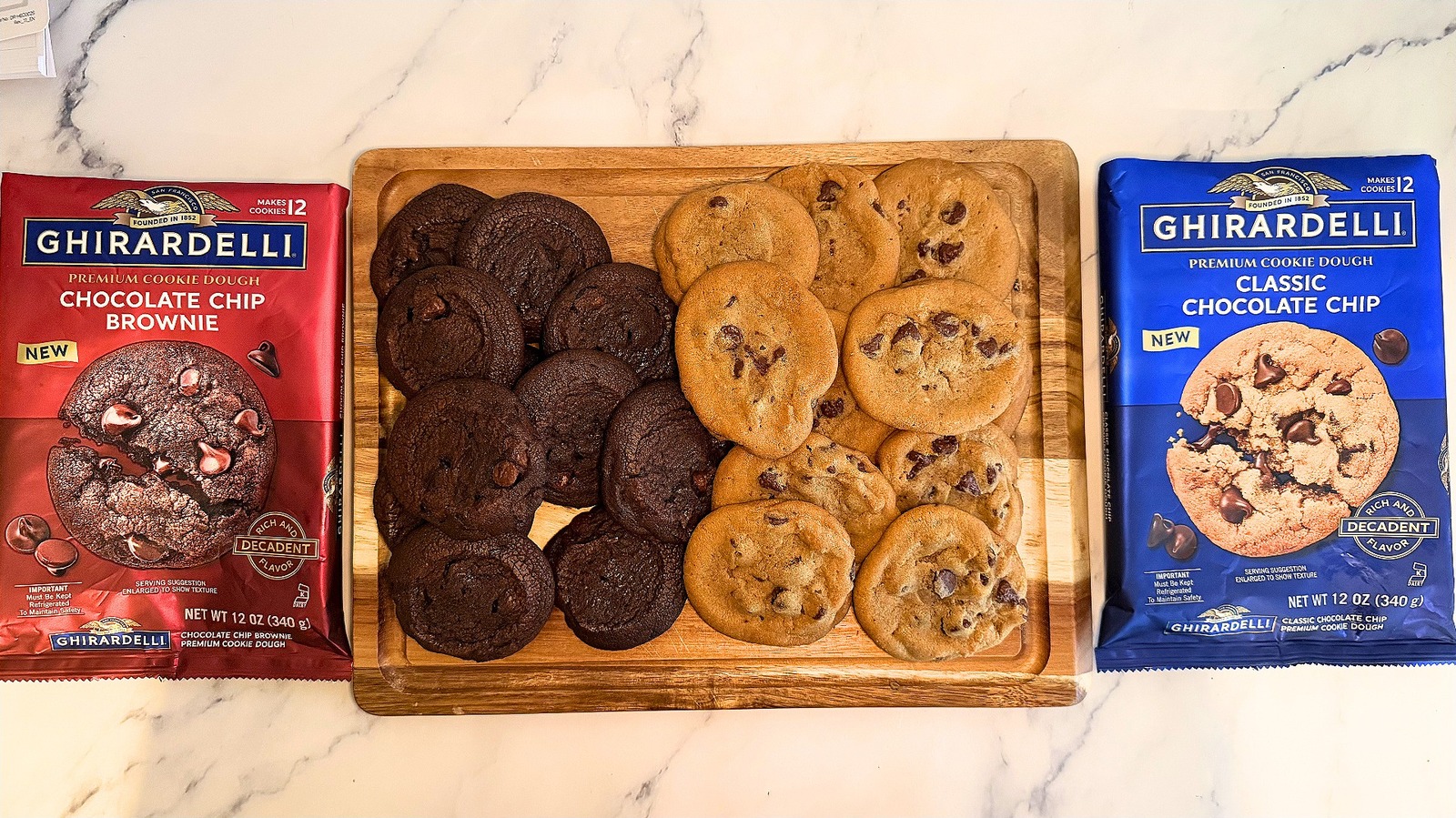
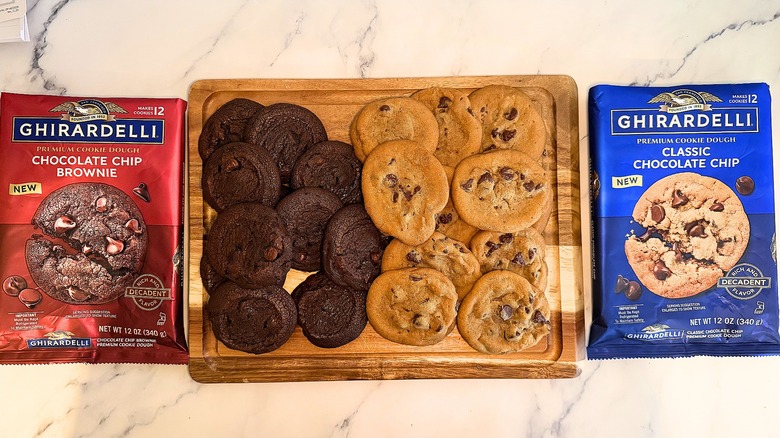
- The Lineup: The debut features two SKUs: the "Classic Chocolate Chip" and the "Chocolate Chip Brownie."
- The Format: Both are sold in pre-portioned, ready-to-bake formats, designed to move directly from the refrigerator to the oven tray.
- Availability: The products are currently hitting shelves at major retailers, including Walmart and Giant Eagle, with a broader rollout scheduled for Target, Publix, and Kroger locations in the coming months.
- Pricing: With a suggested retail price (SRP) of $4.97, the product sits in a competitive mid-to-high price tier, aiming to position itself as an accessible luxury.
Chronology of the Development
The path to this launch reflects a broader trend in the food industry where heritage brands are revitalizing their portfolios to stay relevant in a fast-paced retail environment.
The Pre-Launch Anticipation
For years, the refrigerated dough aisle had become somewhat stagnant. While brands like Sweet Loren’s carved out a niche for allergen-friendly, "clean label" products, the traditional space felt saturated with the same handful of corporate giants. The announcement of Ghirardelli’s entry was met with significant industry interest, as analysts speculated whether the brand would lean into a "gourmet" formulation or mirror the mass-market texture profile.
The Testing Phase
Following internal development, the products underwent rigorous sensory testing to ensure they met the high expectations associated with the Ghirardelli seal. The formulation process focused heavily on the interplay between the dough’s fat-to-flour ratio and the signature inclusion of Ghirardelli’s own chocolate chips, which are formulated to maintain integrity even under high oven temperatures.
The Market Rollout
The rollout began in early 2024, utilizing a phased distribution strategy. By securing shelf space in high-traffic retailers like Walmart and Kroger, the company ensured that the product would be positioned in the "impulse buy" zones of the dairy and refrigerated aisles, rather than being tucked away in specialty sections.
Supporting Data and Sensory Analysis
To understand the viability of these products, one must examine both the nutritional profile and the sensory experience provided by the bake.
Sensory Breakdown
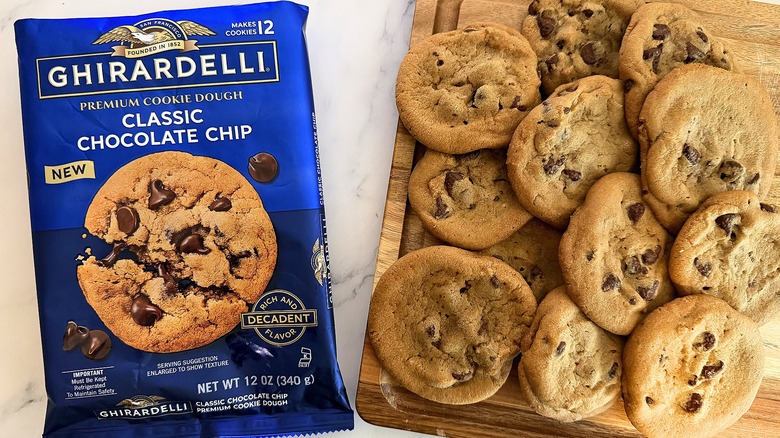
Classic Chocolate Chip:
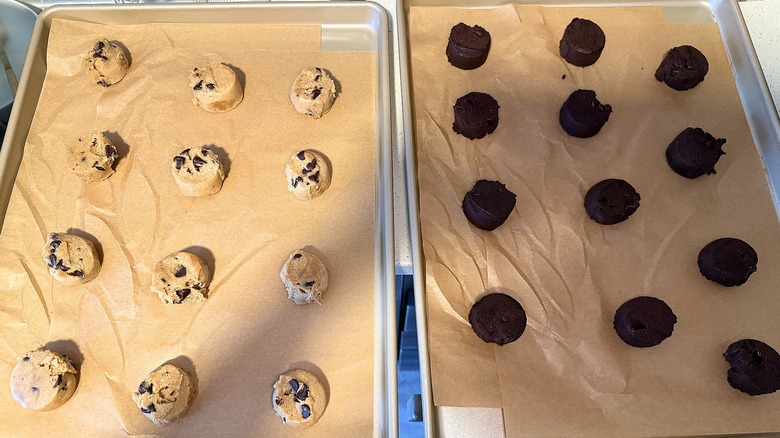
Despite initial concerns regarding the thickness of the cookie, the flavor profile proved to be a standout. The dough features a distinct malty undertone, providing a sophisticated depth that differentiates it from the overly sugary, one-note profiles of competitors. The texture—characterized by a crisp, caramelized edge and a soft, chewy center—suggests a masterclass in moisture retention.
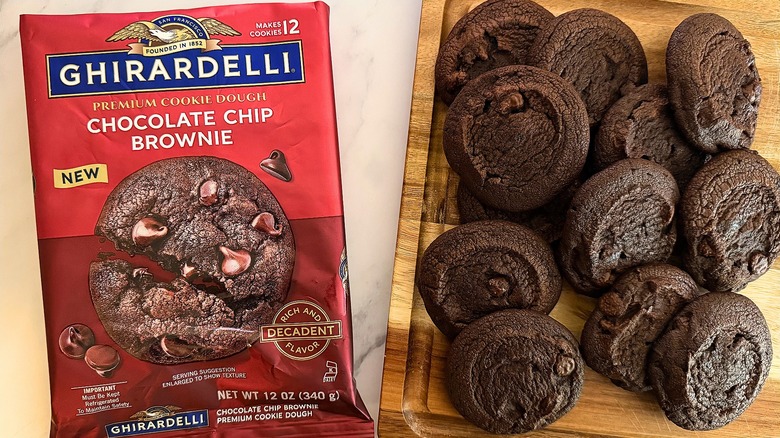
Chocolate Chip Brownie:
This variant leans into the brand’s strength: its brownie heritage. Visually, these cookies emerge from the oven with a darker, more intense aesthetic, bolstered by a crinkly, crackly top that mimics a traditional brownie surface. While slightly chewier than a standard cookie, they successfully bridge the gap between two of the most beloved baked goods.
Nutritional Profile
Transparency in nutrition is essential for modern consumers. The caloric and macronutrient breakdown for these products is as follows:
| Feature | Classic Chocolate Chip | Chocolate Chip Brownie |
|---|---|---|
| Calories | 130 kcal | 140 kcal |
| Fat | 6g | 7g |
| Carbohydrates | 17g | 16g |
| Protein | 1g | 2g |
The baking process is straightforward: both require a standard 350-degree Fahrenheit oven. The Classic Chocolate Chip requires a window of 11–15 minutes, while the Chocolate Chip Brownie is optimized for 11–13 minutes. Precision is key; as noted by reviewers, over-baking the brownie variety can result in a texture that is firmer than intended, suggesting that users should err on the side of caution when setting their timers.
Official Corporate Strategy
While Ghirardelli has remained relatively quiet regarding the specifics of their manufacturing process for the new line, their move is widely interpreted as a "brand expansion" play. By moving into the refrigerator, they are essentially inviting the consumer to participate in a "semi-homemade" experience that they control from start to finish.
The company’s focus appears to be on maintaining their reputation for quality while modernizing the consumer experience. By utilizing their own proprietary chocolate in these doughs, they maintain vertical integration of their most valuable asset: their chocolate. This not only ensures cost control but also guarantees that the flavor profile remains consistent with the brand’s premium reputation.
Implications for the Refrigerated Dough Market
The entry of a legacy powerhouse like Ghirardelli into the refrigerated cookie dough market carries significant implications for the industry.
1. Increased Competition
Smaller, boutique brands may find themselves pressured by the sheer retail distribution power of Ghirardelli. The brand’s ability to command shelf space at major national chains creates a formidable barrier to entry for smaller startups.
2. The Premiumization of Convenience
The success of this line confirms that the "premiumization" of everyday goods is not a passing fad. Consumers are demonstrating a willingness to pay a premium price for products that offer a "chef-like" experience at home. This could lead to a wave of other high-end chocolate and dessert brands exploring similar ready-to-bake formats.
3. A Shift in Retail Strategy
For retailers, the success of these products may lead to a reorganization of the refrigerated aisle. As shoppers become accustomed to finding premium, brand-name desserts in the dairy section, retailers may allocate more shelf space to these high-margin, high-turnover items.
4. Consumer Expectations
The success of the Ghirardelli line raises the bar for all players in the sector. Consumers, having now experienced a "premium" refrigerated cookie, may be less tolerant of products that rely on artificial flavors, hydrogenated oils, or overly processed ingredients. The standard for "convenience" has officially been shifted toward "quality."
Conclusion
Ghirardelli’s foray into the refrigerated cookie dough market is not merely a product launch; it is a strategic repositioning of the brand for a modern, busy, yet quality-conscious audience. By delivering a product that balances the ease of pre-portioned convenience with the flavor depth of a high-end bakery, the company has effectively silenced any doubts about whether a legacy brand could successfully innovate in a crowded space.
For the home baker, the verdict is clear: these doughs provide a reliable, delicious solution for when the urge for a warm, fresh-baked cookie hits. Whether they will maintain their momentum in a competitive market remains to be seen, but early indicators suggest that Ghirardelli has, quite literally, raised the temperature in the refrigerated aisle. As the brand continues its rollout, it is likely that these cookies will become a staple for households looking to elevate their dessert game with minimal effort, proving once and for all that you don’t need to sacrifice quality for the sake of convenience.
 Neng Nana
  Raul Delapena Setiawan
  Basiran