
 By Laily UPN
In the digital-first economy of 2025, the friction between a customer’s intent to purchase and the finalization of that transaction is the most critical hurdle for any small business. Whether you are launching a boutique e-commerce brand or managing a local brick-and-mortar storefront, your payment processing infrastructure is the backbone of your revenue cycle.
Choosing the right partner is no longer just about accepting credit cards; it is about seamless integration, fraud mitigation, and user experience. With an overwhelming number of providers flooding the market, business owners often face "choice paralysis." To help you navigate this landscape, we have analyzed the top six payment systems to consider in 2025, evaluating them on payout velocity, user experience, security, and scalability.
What Defines a Modern Payment System?
Before diving into specific providers, it is essential to define what constitutes a robust payment system. At its core, a payment system is an integrated network of technology—comprising gateways, merchant accounts, and processing software—designed to facilitate the secure transfer of funds from a buyer to a seller.
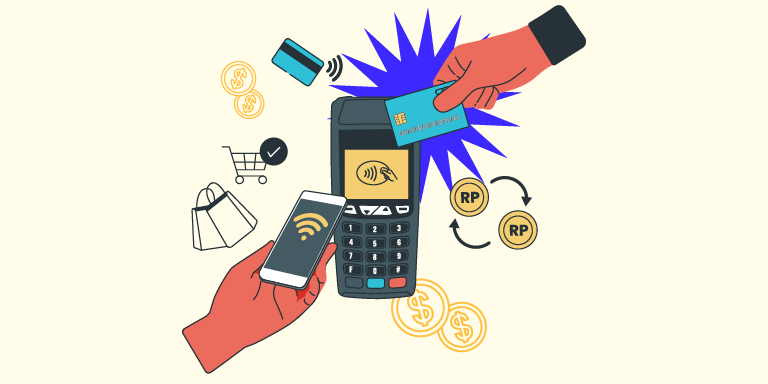
A high-performing system must do more than just "accept money." It must:
- Facilitate diverse payment methods: From digital wallets (Apple Pay, Google Pay) to traditional credit/debit cards and bank transfers.
- Ensure PCI-DSS Compliance: Adhering to the Payment Card Industry Data Security Standard is non-negotiable for protecting customer data.
- Optimize Conversion: Reducing the number of clicks required to check out, thereby minimizing cart abandonment.
What payment systems are not: They are not standalone accounting software or e-commerce platforms (like Shopify or WooCommerce), though they often integrate deeply with these services.
Key Factors for Selection: The 2025 Framework
In conducting this research, we evaluated platforms based on five critical pillars that determine long-term success for small business owners:

- Payout Velocity: Cash flow is the lifeblood of a small business. We prioritized platforms that minimize the delay between transaction and deposit.
- Conversion Friction: If a checkout process is cumbersome, customers will leave. We assessed how these platforms handle the user journey.
- Global Accessibility: Can the platform support cross-border transactions, or is it restricted by geography?
- Pricing Transparency: The payment industry is notorious for hidden "junk fees." We favored platforms with clear, predictable, or volume-based pricing structures.
- Security Protocols: We only considered providers that maintain rigorous, industry-leading fraud prevention tools.
The Top 6 Payment Systems to Consider in 2025
1. Stripe: The Developer-Friendly Powerhouse
Stripe remains the gold standard for businesses looking for a seamless, "invisible" checkout experience.
- Pros: Exceptional customization, developer-friendly API, and a unified dashboard that keeps the customer on your domain during checkout.
- Drawbacks: While its out-of-the-box features are great, unlocking its full potential often requires technical expertise or a dedicated developer.
- Strategic Use Case: Ideal for SaaS startups and e-commerce brands that want full control over the user experience.
2. PayPal: The Trusted Global Standard
PayPal is arguably the most recognized payment brand in the world. Its sheer ubiquity provides an immediate "trust signal" for new customers.
- Pros: Massive consumer trust, multi-currency support, and quick implementation for non-technical founders.
- Drawbacks: Redirecting customers to a third-party login page can sometimes result in higher bounce rates compared to embedded gateways.
- Strategic Use Case: Perfect for businesses targeting older demographics or international markets where PayPal is the preferred method of payment.
3. Authorize.net: The Legacy Leader
As one of the oldest and most reliable gateways, Authorize.net offers a robust suite of security features that appeal to risk-averse business models.
- Pros: Industry-leading fraud detection suites and immense versatility in how you configure your merchant account.
- Drawbacks: The interface can feel dated, and the setup process is significantly more involved than modern "plug-and-play" competitors.
- Strategic Use Case: Highly recommended for established businesses that prioritize stability and advanced security over modern aesthetics.
4. Amazon Pay: The Frictionless Giant
By leveraging the existing credentials of millions of Amazon users, Amazon Pay allows customers to check out in seconds.
- Pros: High conversion rates due to the "one-click" nature of the checkout; customers do not have to re-enter billing or shipping information.
- Drawbacks: Limited customization options; the branding is heavily tied to the Amazon ecosystem.
- Strategic Use Case: Excellent for e-commerce stores that want to reduce checkout time and leverage the trust associated with the Amazon brand.
5. Square: The King of In-Person Payments
If your business operates primarily in a physical space—such as a café, retail boutique, or pop-up market—Square is the undisputed leader.
- Pros: Exceptional hardware ecosystem and a highly intuitive "Virtual Terminal" that allows you to turn any device into a credit card machine.
- Drawbacks: Its online e-commerce features, while improved, lack the deep technical flexibility found in Stripe or Authorize.net.
- Strategic Use Case: The primary recommendation for brick-and-mortar stores and small businesses that frequently handle in-person transactions.
6. SecurePay: The Hidden Alternative
Often overlooked, SecurePay provides a balance of accessibility and integration, making it a strong contender for smaller businesses looking for a straightforward solution.
- Pros: Very easy to integrate with non-standard e-commerce platforms and offers a free trial to test before commitment.
- Drawbacks: Lack of brand recognition can occasionally make customers hesitant during their first interaction with your site.
- Strategic Use Case: Best for niche startups that need a reliable, cost-effective, and easy-to-deploy gateway.
Implications of Payment System Choice
Choosing a payment system is not a static decision. As your business scales, your needs will shift. In early 2025, we observed a trend toward "omnichannel" processing—businesses are no longer satisfied with online-only or offline-only solutions. The future of payments lies in ecosystems that provide a unified view of the customer, whether they tap a phone at your counter or click "buy" on your website.
A Note on Pricing:
The pricing information for these providers is current as of early 2025. However, the payment processing industry is volatile. Interchange fees, regulatory changes, and competitive pressure can lead to quarterly adjustments. Always consult the provider’s most recent documentation before finalizing your contract.
Frequently Asked Questions
Q: Is there a "best" payment processor for everyone?
A: No. The "best" system is the one that aligns with your specific business model. A high-volume online store has different needs than a seasonal farmers’ market stall.
Q: Do I need a dedicated merchant account?
A: Most modern Payment Service Providers (PSPs) like Stripe and Square provide a "bundled" service, meaning you don’t need a separate merchant account. This simplifies the process for small business owners significantly.
Q: How do I handle recurring subscriptions?
A: If you are running a subscription-based business, ensure your chosen platform offers robust "billing" or "subscription management" features, which handle automated dunning and retry logic for failed payments.
Accelerate Your Business Growth
Selecting a payment system is merely the first step in building a resilient brand. To truly scale in 2025, you must master the intersection of finance, marketing, and operational efficiency.
For those looking to deepen their expertise, consider accessing comprehensive training programs. With the right tools and knowledge, you can transform your checkout process from a simple transaction point into a cornerstone of customer loyalty and business growth.
Stay ahead of the competition—your journey to building a more profitable business starts with the right infrastructure.
 Suro Senen
  Evan Lee Salim
  Ammar Sabilarrohman