
 By Muslim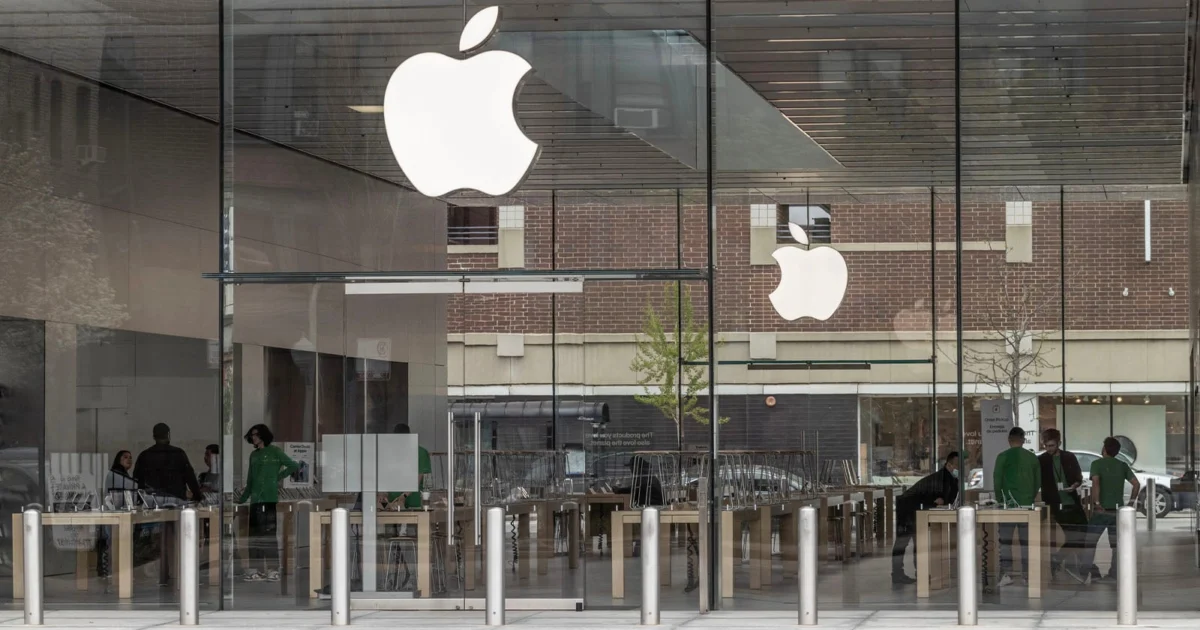
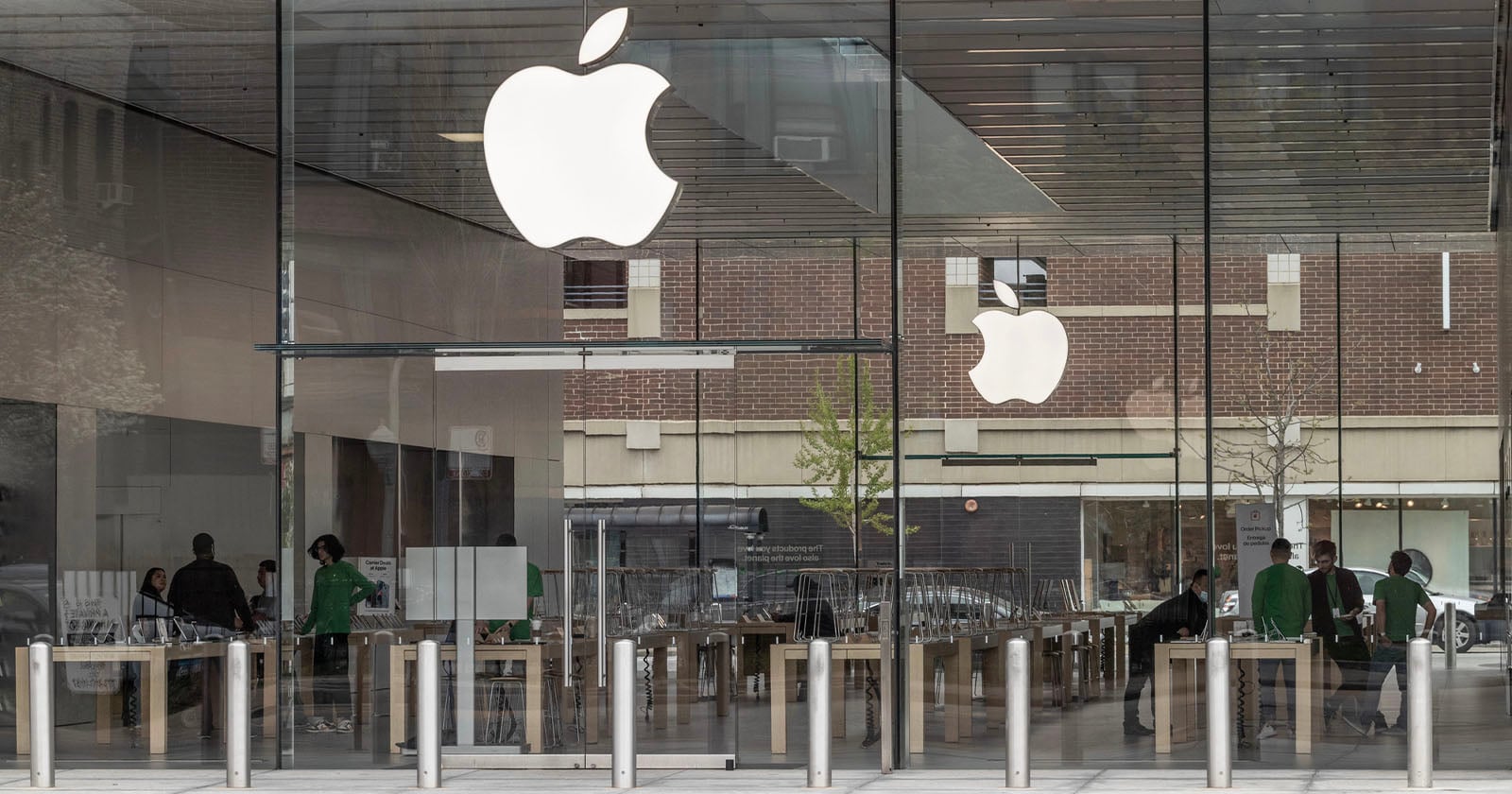
In a move that underscores the tech industry’s aggressive pivot toward generative AI, Apple has quietly launched a pilot program within its retail ecosystem that fundamentally alters the nature of the Genius Bar experience. The initiative, internally dubbed "Live Notes," utilizes real-time artificial intelligence to record, transcribe, and summarize technical support conversations between Apple employees and customers.
While Apple frames the project as a productivity-enhancing utility designed to streamline the service workflow, the introduction of audio recording into the intimate, face-to-face environment of an Apple Store has ignited a firestorm of debate. Employees, privacy advocates, and industry analysts are now questioning where the line between "efficiency" and "surveillance" truly lies in the modern workplace.
The Mechanics of Live Notes: How the System Functions
The Live Notes system is designed to act as a digital assistant for Genius Bar technicians. According to initial reports from Bloomberg’s Mark Gurman, the software operates by capturing the audio of a diagnostic session, converting that speech into a text transcript, and subsequently generating a concise AI-driven summary of the customer’s issue and the proposed resolution.
This summary is then pushed directly to the technician’s iPad, allowing them to finalize case notes without the need for manual data entry. Apple has emphasized that the system is built on a "consent-first" architecture: the recording function is not ambient and must be manually activated. Both the employee and the customer must explicitly opt-in to the recording before the AI begins listening. If either party declines, the system remains dormant.
Furthermore, in an attempt to alleviate privacy concerns, Apple has stated that these recordings are not stored indefinitely, nor are they accessible to store management for performance reviews. Technicians are granted editorial control, allowing them to review and amend the AI-generated transcripts and summaries before they are finalized and saved to the company’s internal service databases.
Chronology of the Pilot and Corporate Positioning
The pilot arrives at a time of immense pressure for Apple. As of mid-July 2026, the tech giant briefly reclaimed its title as the world’s most valuable company, narrowly eclipsing Nvidia in a high-stakes race toward a $5 trillion market valuation. With such massive market expectations, Apple is under constant pressure to demonstrate that its retail operations are as optimized as its hardware supply chains.
The introduction of Live Notes follows a broader trend of "AI-first" internal tooling. By leveraging Large Language Models (LLMs) to handle administrative overhead, Apple aims to reduce the "after-call work" that typically keeps technicians tethered to their iPads long after a customer has left the counter.
However, the rollout has been marked by a palpable sense of anxiety among staff. Unlike software features deployed to the general public, internal tools that monitor workplace interactions carry a different weight. Even with the assurance that transcripts are not routed to management, the cultural shift from a private conversation to an AI-documented one has proven jarring for many frontline staff members who view their rapport with customers as a hallmark of the Apple brand experience.
The Surveillance Landscape: A Comparative Analysis
Apple’s move into retail surveillance does not exist in a vacuum. It is part of a larger, systemic shift in how major corporations monitor their workforce under the guise of "productivity analytics."
Industry peers have set a precedent that has left workers wary of any new "productivity aid." Gizmodo recently highlighted the practices of JPMorgan, which implemented a suite of monitoring tools that track everything from keystroke activity to the frequency of video calls. While the bank officially characterized the initiative as a "weekly screen time report" for professional awareness, critics labeled the measures "Orwellian," arguing that such granular tracking inevitably leads to the quantification of human behavior, regardless of stated intent.
The fallout of such measures can be severe for company culture. Meta, for example, faced a significant decline in staff morale linked to its own internal monitoring and rigid productivity expectations. The resulting dip in employee sentiment was so pronounced that management felt compelled to increase the company’s "snack budget" and invest in employee wellness perks as a reactive measure to boost morale—a classic example of "band-aid" corporate culture management.
Official Responses and the Privacy Defense
Apple’s official stance remains one of transparency and employee empowerment. By allowing technicians to edit and curate the AI’s output, the company is attempting to position Live Notes as a tool for the employee, rather than a tool against them.
The core of Apple’s argument is that the system is ephemeral. By ensuring that the recordings themselves are purged and that transcripts remain outside the reach of the management chain, Apple is trying to mitigate the "snooping" narrative. However, the tech giant is also notoriously protective of its internal processes, and the lack of a third-party audit of the Live Notes data pipeline leaves room for skepticism.
For many, the fear is not necessarily what the system is today, but what it could become tomorrow. The history of corporate technology is littered with "optional" features that eventually became mandatory, and "ephemeral" data collection policies that were later revised to support performance analytics.
The Broader Implications: Efficiency vs. Autonomy
The implications of the Live Notes pilot extend far beyond the Genius Bar. They touch upon the fundamental tension between the pursuit of AI-driven efficiency and the preservation of human autonomy.
1. The Erosion of the Customer-Employee Dynamic
The Genius Bar has historically been a space defined by human connection—a "concierge" service that relies on empathy, nuanced listening, and trust. By introducing an AI intermediary, there is a risk that the interaction becomes transactional and formulaic. When a technician is conscious that their words are being parsed by an AI, does their behavior change? Does the customer feel comfortable being candid? The "performance" of the interaction may shift from serving the customer to satisfying the AI’s data requirements.
2. The Threat of Automated Performance Reviews
Even if management claims they do not receive the transcripts today, the technical infrastructure is already in place to change that. Once a company has a database of millions of summarized, AI-analyzed support interactions, it is only a matter of time before that data is used to identify "top performers" and "under-performers." This could eventually lead to AI-generated performance scores that dictate promotions, bonuses, or even termination, effectively removing human managers from the loop of professional assessment.
3. The Future of Work and Automation
Perhaps the most existential concern is the long-term goal of such projects. If an AI can successfully summarize a Genius Bar interaction, it is a short leap to having that same AI suggest the solution, troubleshoot the hardware, and perhaps one day, interact with the customer directly. Employees are rightfully wary that they are essentially helping to train the very systems that could eventually render their roles obsolete.
Conclusion: The Silicon Valley Paradox
As Apple continues to fight for its position as the world’s most valuable company, the Live Notes pilot serves as a microcosm of the Silicon Valley paradox: the drive for perfection through automation often comes at the expense of the human element that made the company successful in the first place.
The success of the Live Notes project will likely hinge on trust. If Apple can prove that the tool remains a genuine assistant and not a disciplinary measure, it may well become a standard feature in retail environments globally. However, if the project is perceived as a breach of trust—a way for the corporate office to peer over the shoulder of its retail staff—it may end up doing more harm to the company’s culture than the productivity gains are worth.
For now, the Genius Bar remains a battleground of sorts. As technicians pick up their iPads to start a new shift, they are not just dealing with broken screens and software bugs; they are navigating a new, AI-mediated reality where every word spoken is a data point, and the line between assistant and overseer remains dangerously thin. The world will be watching to see if Apple can navigate this transition without losing the "human touch" that has been the bedrock of its retail dominance for over two decades.
 Raul Delapena Setiawan
  rifanmuazin
  Ammar Sabilarrohman