
 By Nila Kartika Wati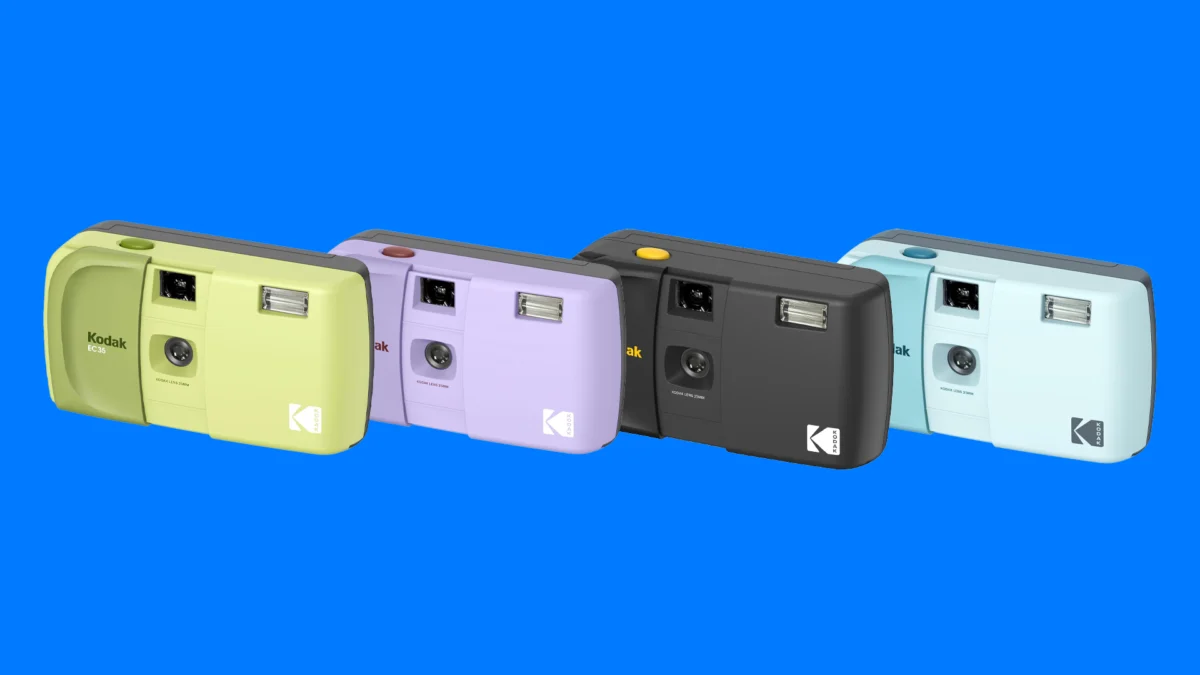
In an era defined by computational photography, where smartphones leverage artificial intelligence to correct lighting, sharpen focus, and erase unwanted photobombers in milliseconds, there is a quiet, counter-cultural revolution taking place. It is a movement defined not by the pursuit of technical perfection, but by the embrace of the unpredictable, the tactile, and the slow.
As digital sensors continue to push toward near-perfect clarity, a growing segment of the creative community is turning back to the medium of film. Kodak, the brand that essentially synonymous with the golden age of analogue photography, has leaned into this nostalgia by launching the EC35—a reusable 35mm film camera that aims to democratize the film experience for a new generation. Priced at approximately $35/£35, the camera serves as a bridge between the disposable culture of the past and the sustainable, hobbyist-driven interests of today.
The Return of the Tactile: Why Film Still Matters
The resurgence of film photography is more than a fleeting aesthetic trend; it is a psychological reaction to the digital fatigue brought on by the "always-on" nature of modern life. Digital photography offers instant gratification, yet it often strips the act of taking a picture of its weight. When you have the ability to take three hundred photos of a sunset, each shot loses its individual value.
Film, by contrast, forces a different relationship with the subject. With a limited roll of 24 or 36 exposures, the photographer is compelled to act as their own editor before the shutter is even pressed. This intentionality, combined with the physical wait time for development—the "anticipatory joy" of seeing how a shot turned out days or even weeks later—has created a loyal following among Gen Z and millennial creators who never grew up in the analog era.
Chronology: From Darkroom Dominance to the Digital Pivot
To understand the significance of the EC35, one must look back at the trajectory of Kodak itself. For most of the 20th century, Kodak was the titan of the industry. Founded by George Eastman in 1888, the company simplified photography for the masses with the Brownie camera. Through the 1970s and 80s, Kodak’s film stocks were the gold standard for both amateur family albums and professional cinematic productions.
However, the late 1990s and early 2000s marked a painful transition. Despite the fact that Kodak engineers invented the first digital camera in 1975, the company’s business model was so deeply entrenched in the profitable chemical film market that it struggled to pivot. By the time the digital revolution reached its zenith, Kodak filed for Chapter 11 bankruptcy in 2012.
Following a massive restructuring, the "new" Kodak emerged with a sharper focus on licensing its brand and catering to a niche, yet passionate, community of film enthusiasts. The introduction of the EC35 marks a milestone in this recovery. It represents a pivot away from high-end, complex vintage equipment toward accessible, lifestyle-oriented hardware that aligns with the modern "film aesthetic" popularized on platforms like Instagram and TikTok.
The Kodak EC35: Specs and Design Philosophy
The Kodak EC35 is not designed to compete with a professional-grade Leica or a high-end Nikon F3. It is, by definition, a "toy" camera—a point-and-shoot device designed for ease of use and stylistic appeal.
Technical Specifications
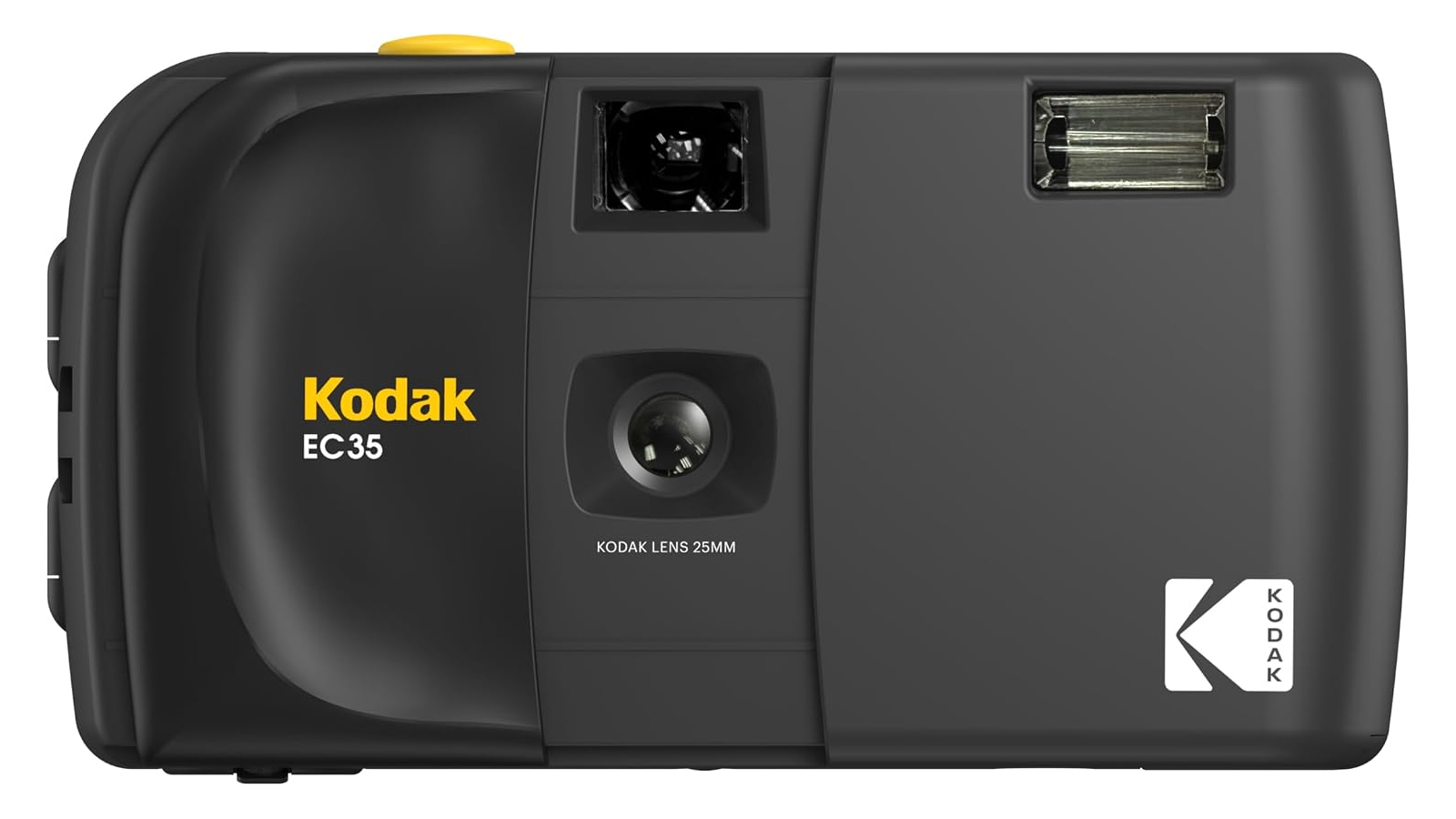
- Lens: 25mm fixed-focus lens with an aperture of f/10.
- Shutter: Fixed shutter speed, optimized for daylight and flash-assisted indoor photography.
- Flash: Built-in electronic flash, powered by a single AA battery.
- Film Format: Standard 35mm film (reusable).
- Design: A lightweight, compact chassis with a sliding cover, reminiscent of the late-90s "super-compact" era.
The decision to make the camera "focus-free" is a deliberate design choice. It removes the technical barrier to entry for beginners who might be intimidated by manual exposure settings. By keeping the aperture and shutter speed fixed, Kodak ensures that the primary focus remains on composition and the subject, rather than the mathematics of photography.
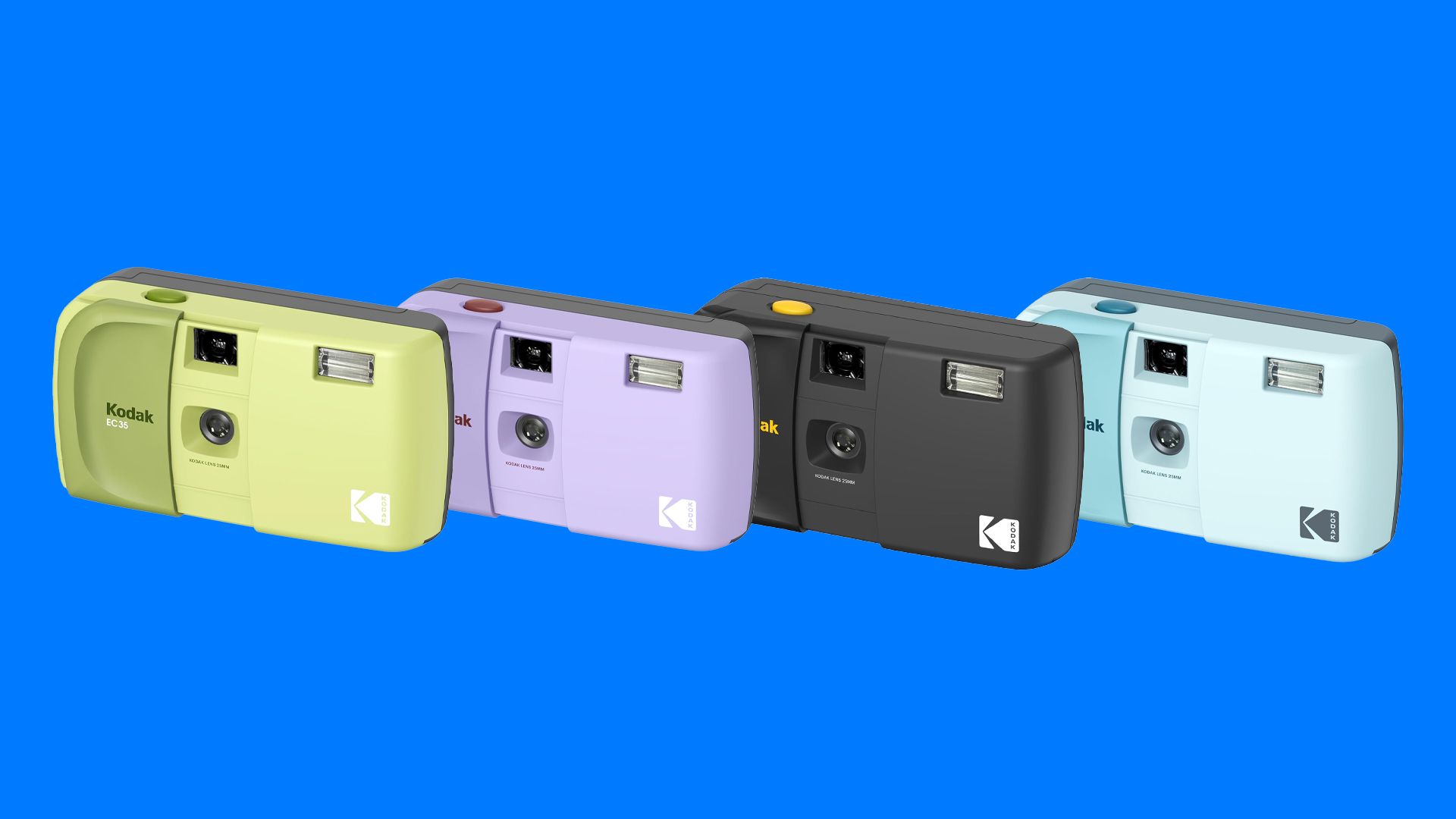
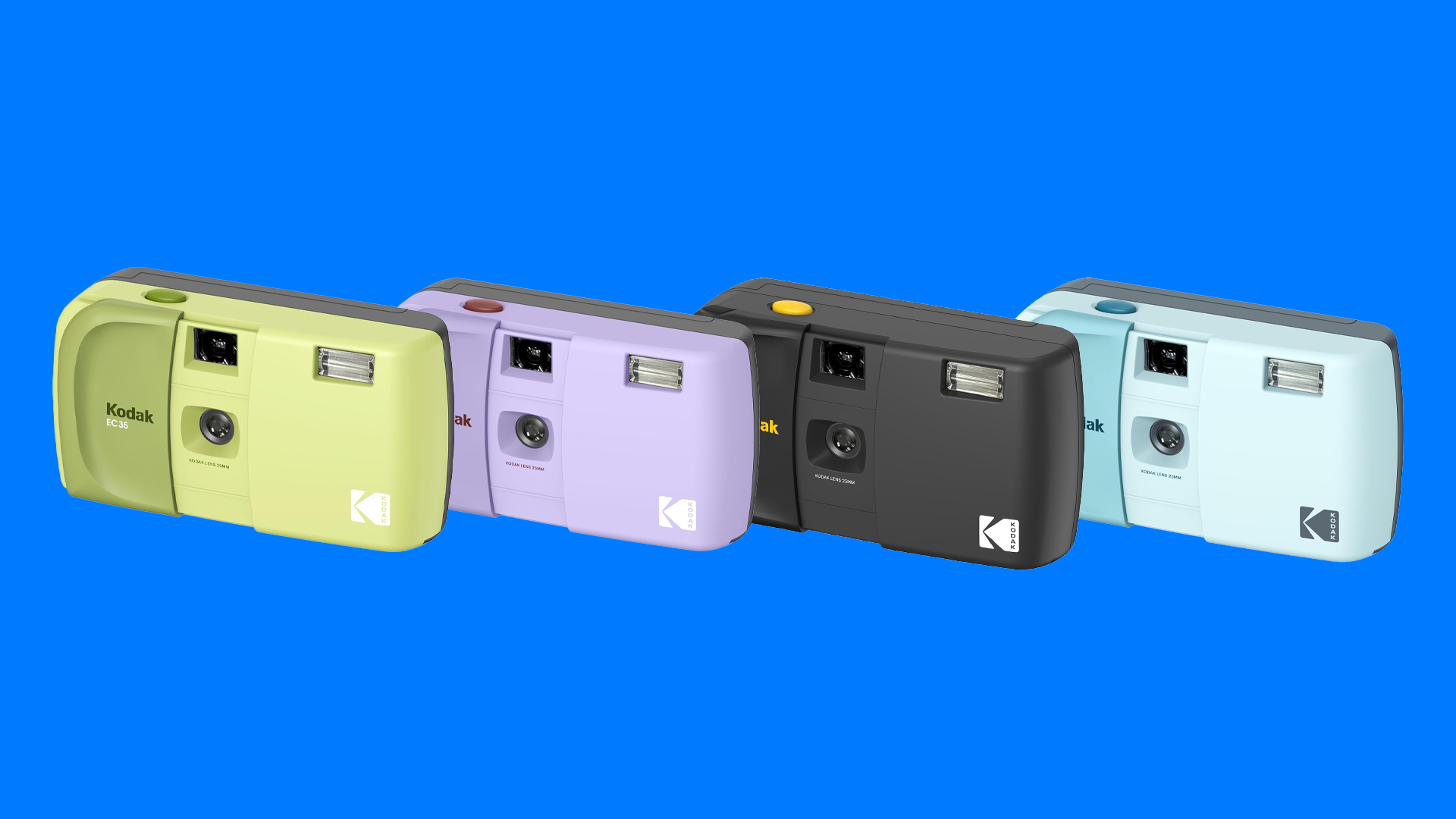
The camera is available in an array of vibrant, contemporary colors—Butter Yellow, Lavender, Powder Blue, Blush Pink, Avocado Green, Vanilla White, and Midnight Black—further signaling that this is a product marketed toward a lifestyle-conscious audience that values the camera as a fashion accessory as much as a tool.
Supporting Data: The Market for Analogue
Industry reports suggest that the film photography market has been seeing a steady year-over-year growth that defies the "digital-only" narrative. Sales of film rolls, particularly from major manufacturers like Kodak Alaris and Fujifilm, have seen consistent demand.
Furthermore, the secondary market for vintage cameras has exploded. Platforms like eBay and specialist camera shops have seen prices for classic 35mm models from Canon, Olympus, and Pentax rise significantly over the last five years. The EC35 addresses this by providing a "new" alternative—avoiding the risks of buying used, potentially broken, or aging electronic equipment that requires expensive repairs.
While a $35 camera will not produce the razor-sharp, high-dynamic-range images of a $2,000 mirrorless camera, that is precisely the point. The "Kodak look"—the characteristic grain, the color shifts, and the slight softness of the lens—is currently highly sought after in the digital post-production world. Many professional photographers use digital filters (LUTs) to simulate the very look that the EC35 achieves natively.
Implications for the Creative Industry
The release of the EC35 carries several implications for the photography industry at large:
- Lowering the Barrier to Entry: By providing a reliable, new, and affordable entry point, Kodak is actively growing the base of potential film photographers. This, in turn, supports the ecosystem of independent film labs that have sprung up to meet the demand for processing and scanning services.
- The Shift Toward "Slow" Media: Just as vinyl records have made a comeback in an age of streaming, film photography represents a movement toward "slow media." It encourages a meditative approach to capturing memories.
- Cultural Nostalgia vs. Innovation: The success of such products suggests that the market is currently underserved by pure digital innovation. Consumers are not just looking for more megapixels; they are looking for a unique experience of creation.
- Sustainability Concerns: While the EC35 is a "reusable" camera (unlike the disposable cameras of the 90s that contributed to significant plastic waste), the environmental impact of film processing chemicals and film canisters remains a topic for future discussion within the photographic community.
Expert Perspectives and User Reception
Early adopters of the EC35 have praised the camera for its simplicity. In the photography community, there is a consensus that while it is not a "serious" camera for architectural or landscape photography, it is an excellent tool for parties, street photography, and casual documentation.
"It’s about the vibe," says one industry observer. "People are tired of their photos looking like spreadsheets. They want the warmth, the grain, and the element of surprise. When you use a digital camera, you look at the screen more than the world. With the EC35, you’re present."
However, some critics argue that the fixed-focus lens is limiting. For those who wish to pursue photography as a serious craft, the EC35 might prove to be a "gateway drug" that leads them to invest in more capable, manual cameras within a few months. Yet, even as a stepping stone, its value proposition is difficult to argue with.
Conclusion: The Future of the Past
The Kodak EC35 is a testament to the fact that technology does not always move in a straight line. Sometimes, the most progressive move a company can make is to reach back into its heritage and offer a tool that serves a human need—the need for imperfection, tangibility, and surprise.
As we move deeper into the age of generative AI and synthetic imagery, the authenticity of a physical film photograph—a literal chemical record of a moment in time—becomes even more precious. The EC35 offers that experience for the price of a dinner out, proving that while digital is undoubtedly faster and sharper, film still holds the monopoly on soul.
Whether you are a seasoned professional looking for a fun, low-stakes secondary camera, or a complete beginner intimidated by the complexities of modern digital menus, the EC35 provides an invitation to slow down, look through the viewfinder, and embrace the beautiful uncertainty of the analogue world.
 Nana Muazin
  Raul Delapena Setiawan
  Ammar Sabilarrohman