
 By Dwi Wanna
The landscape of digital advertising has undergone a seismic shift. Gone are the days when marketers manually negotiated individual banner placements with publishers over phone calls and spreadsheets. In today’s high-velocity digital ecosystem, the sheer volume of available inventory—spanning streaming video, connected TV (CTV), audio platforms, and retail media—has rendered manual buying obsolete.
Programmatic advertising has emerged as the industry’s central nervous system, replacing human negotiation with sophisticated, algorithm-driven decision-making. As of 2026, this technology has matured into a $162.4 billion global powerhouse, dictating how brands reach, engage, and convert audiences at scale.
The Core Definition: What Is Programmatic Advertising?
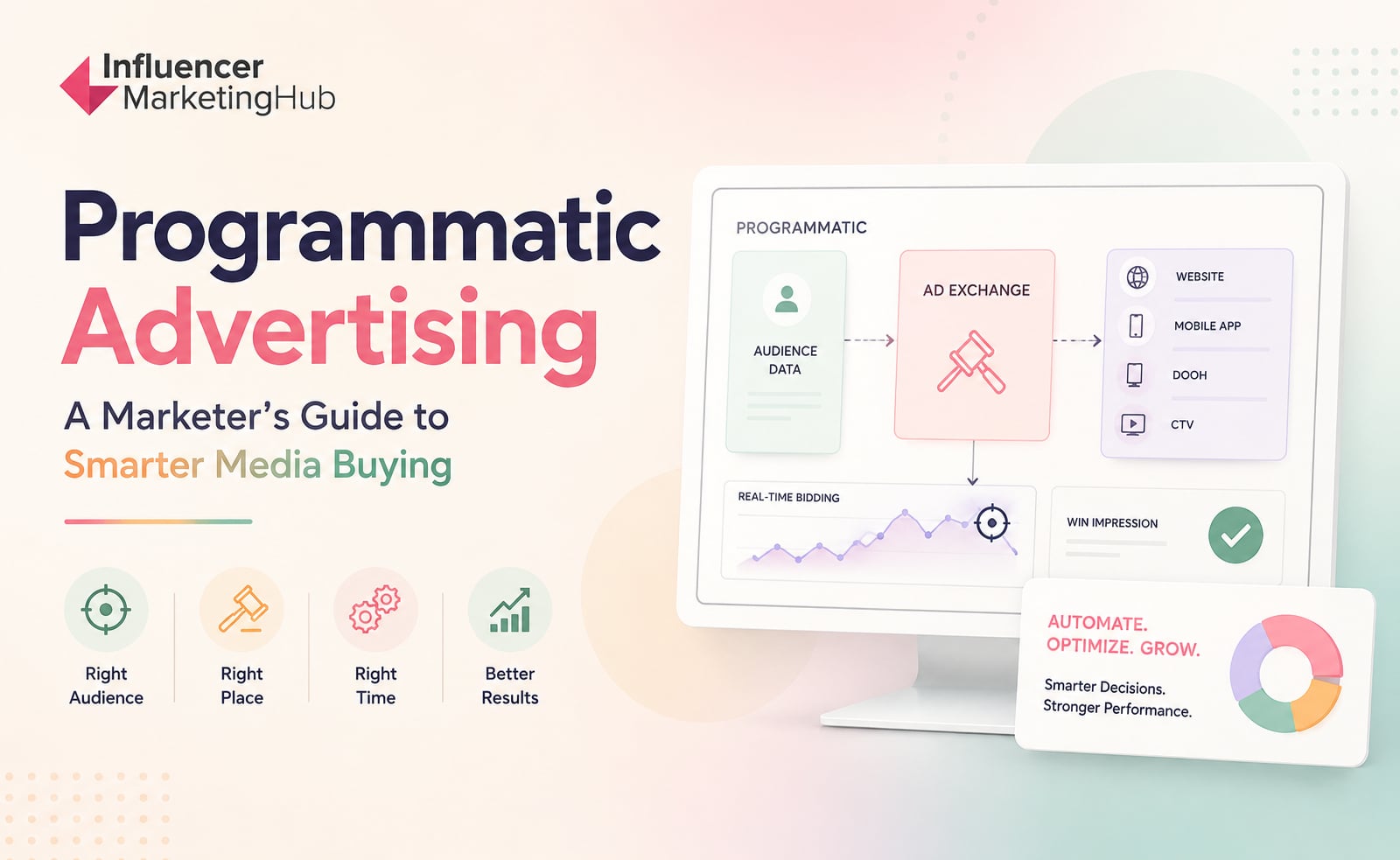
At its simplest, programmatic advertising is the automated buying and selling of digital ad inventory. By utilizing specialized software, advertisers can purchase impressions across a vast array of websites, apps, and streaming services in real time.
The process is a marvel of technical speed. In the milliseconds it takes for a user to load a webpage or open a mobile app, programmatic systems evaluate the available ad space, determine if the user matches the advertiser’s target criteria, execute a bid, and serve the ad. This entire lifecycle—from inventory identification to final delivery—happens faster than the blink of an eye.
A Brief Chronology: From Manual Deals to Real-Time Bidding
The history of digital advertising is a transition from manual effort to algorithmic precision.
- The Early 2000s: Advertising was largely transactional. Brands bought "direct placements" from publishers, similar to buying print ads in a newspaper.
- The Mid-2000s: The rise of ad networks consolidated publisher inventory, making it easier for advertisers to buy in bulk, though targeting remained broad and imprecise.
- 2010–2015: The "Programmatic Revolution" took hold. Real-time bidding (RTB) protocols were standardized, allowing for granular, impression-level bidding.
- 2016–2022: The ecosystem expanded beyond display banners to include video, native, and social inventory, with Demand-Side Platforms (DSPs) becoming the primary command centers for marketers.
- 2023–Present: We have entered the era of Omnichannel Programmatic. Automation now governs CTV, retail media networks, and digital out-of-home (DOOH) billboards, creating a unified fabric for brand communication.
The Infrastructure: The Technology Behind the Curtain
To the uninitiated, the programmatic ecosystem can seem like a chaotic web of acronyms. However, the architecture is strictly logical, functioning as a global marketplace.
The Demand-Side Platform (DSP)
The DSP is the advertiser’s control center. It allows marketers to aggregate inventory from multiple sources, define audience parameters (such as demographics or purchase intent), and set automated bidding strategies. Leading platforms include Google Display & Video 360, The Trade Desk, and Amazon DSP.
The Supply-Side Platform (SSP)
The SSP is the mirror image of the DSP, built for publishers. It allows websites, apps, and media owners to put their ad space up for auction, ensuring they maximize revenue by connecting with the highest bidder.
The Ad Exchange
The Ad Exchange acts as the digital trading floor where DSPs (buyers) and SSPs (sellers) meet. It facilitates the auction process, ensuring that the right ad reaches the right user at the optimal price point.
Data Platforms (CDPs)
With the decline of third-party cookies, Customer Data Platforms (CDPs) have become critical. They allow brands to unify their first-party data—such as email lists and website interactions—to create sophisticated audience segments that can be activated within the programmatic ecosystem.
Supporting Data: The Scale of the Industry
The growth of programmatic advertising is not just a trend; it is a fundamental shift in capital allocation.
- Market Dominance: As of 2026, programmatic accounts for nearly 90% of all global digital display ad dollars.
- Fiscal Growth: According to data from PwC, programmatic advertising revenue hit $162.4 billion in 2025, marking a robust 20.5% year-over-year increase.
- Efficiency Gains: Studies indicate that brands utilizing programmatic platforms report a 30-40% reduction in media wastage compared to traditional direct-buy models, primarily due to advanced frequency capping and audience filtering.
Channels of Influence: Where Programmatic Appears
Programmatic is no longer limited to the sidebar of a blog. It has permeated every digital touchpoint:
- Connected TV (CTV): As audiences migrate from cable to streaming, brands are using programmatic to buy premium video inventory, applying the same precision targeting of digital ads to the "living room" experience.
- Programmatic Audio: Spotify and other streaming platforms allow advertisers to reach listeners during commutes or workouts, using data-driven triggers to serve relevant ads.
- Retail Media: Platforms like Amazon and Walmart have opened their internal commerce data to programmatic buyers, allowing brands to target users who have specifically searched for or purchased related products.
- Digital Out-of-Home (DOOH): Even physical billboards are now part of the programmatic web, allowing for dynamic creative updates based on time, weather, or local foot traffic.
Strategic Implications for Marketers
For the modern CMO, programmatic advertising is not merely an execution tool; it is a strategic asset.
The Shift Toward First-Party Data
Privacy regulations have forced a move away from reliance on third-party tracking. Successful brands are now focusing on building "walled gardens" of their own data, using CDPs to feed their programmatic platforms with high-intent audience profiles.
The Role of Programmatic Guaranteed Deals
While open auctions provide scale, the industry is seeing a return to quality. "Programmatic Guaranteed" deals allow brands to secure premium inventory with fixed pricing and volume, effectively combining the control of traditional media buying with the speed of automation.
Cost Efficiency vs. Effectiveness
Marketers must be wary of viewing CPM (Cost Per Mille) as the sole metric of success. A $1.50 CPM for display is only efficient if the ads are actually viewable and the audience is relevant. Investing in higher CPM inventory—such as CTV or premium video—often yields superior results in brand lift and conversion, demonstrating that "value" and "cost" are distinct variables in the programmatic equation.
Conclusion: The Future is Automated
As we look toward the latter half of the decade, programmatic advertising is becoming increasingly integrated with Artificial Intelligence. AI-driven optimization now handles bidding adjustments, creative personalization, and predictive modeling, allowing marketers to focus on the "big picture" strategy rather than the mechanics of the auction.
For any organization looking to scale, the message is clear: programmatic is no longer an optional add-on. It is the required infrastructure for any brand that wishes to remain competitive in an increasingly fragmented media landscape. By mastering the technology and prioritizing data-driven audience insights, marketers can ensure their message is not just heard, but effectively delivered to the people who matter most.
 Siti Muinah
  Lina Irawan