
 By Asro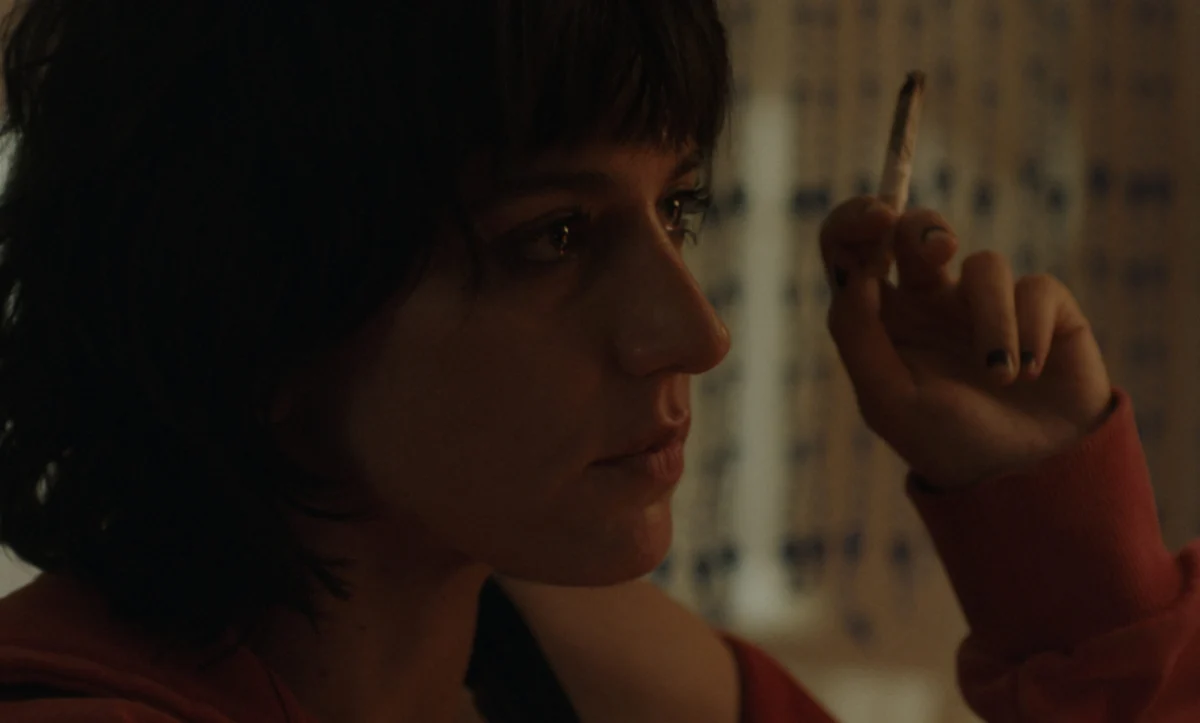
Introduction: A Cinematic Inquiry into the Invisible
In the landscape of contemporary European cinema, few filmmakers are as adept at peeling back the layers of the human psyche as Basque director Javier Giner. Following the resounding critical success of his Disney+ series I, Addict—a harrowing, autobiographical exploration of substance abuse that garnered an International Emmy for lead actor Oriol Pla—Giner has returned to the spotlight with his latest feature film, This Solitude (Esta Soledad).
Premiering to significant anticipation at the San Sebastián Film Festival’s "New Directors" section on September 23, the film serves as a somber, meditative, and deeply resonant study of the fractured nature of modern intimacy. Eschewing the comfort of narrative melodrama, Giner presents a story that is as much about the geography of the soul as it is about the streets of Bilbao. As the global conversation regarding the "loneliness epidemic" intensifies, This Solitude arrives not as a documentary-style critique, but as an intimate portrait of two people attempting to navigate a world that feels increasingly indifferent to their struggle.
The Narrative Core: Two Lives in Flux
At the heart of This Solitude lies the wreckage of a five-year relationship. The story centers on Leo and Lorea, a former couple thrust into the disorienting vacuum left by the end of their partnership.
Leo, portrayed with raw, transformative intensity by Oriol Pla, is a struggling actor whose dreams have been sidelined by the crushing realities of survival. To make ends meet, he works as a grocery clerk, a role that serves as a stark contrast to his aspirations. His life is further complicated by the responsibility of caring for his disabled father—a burden that highlights the crushing weight of familial duty and the limitations of personal agency.
Lorea, meanwhile, is a writer grappling with her own existential malaise. Seeking solace in the periphery of society, she begins an unlikely companionship with a former prison inmate. Her journey is one of quiet desperation, as she attempts to reconcile her internal turmoil with the harsh, external environment of a city that seems to demand resilience she no longer possesses.
The brilliance of the film lies in its refusal to offer easy answers. Giner does not portray Leo and Lorea as victims of a singular tragedy; rather, they are casualties of the "democratic" nature of loneliness. As Giner noted in a recent interview with Variety, the film focuses on people losing their footing in a world where, while the feeling of isolation may be universal, the resources required to endure it are distributed with profound inequality.
Chronology of Production and Release
The journey of This Solitude has been characterized by a swift but deliberate development process. Following the massive acclaim for I, Addict, Giner solidified his creative partnership with lead actor Oriol Pla, a collaboration that has become the backbone of his directorial style.

- Pre-Production: Giner collaborated with co-writer Luisa Matienzo to craft a screenplay that prioritized emotional authenticity over traditional plot beats.
- Production: The film was produced by a consortium of Spanish powerhouses, including Balance Media Entertainment, Fuga de Cuerpos, La Embajada TV, and Basajaun Filmak. The production team, led by Matienzo and Miguel Torrente, aimed to capture a specific, gritty, and industrial aesthetic unique to Bilbao.
- Premiere: The film’s world debut at the San Sebastián Film Festival on September 23 served as a cornerstone event for the "New Directors" section, drawing praise for its visual language and performances.
- Theatrical Launch: International sales agent Filmax has confirmed a theatrical release date in Spain for October 30, with high expectations for a broad rollout across the country.
Artistic Philosophy: Giner on the "Stradivarius" of Acting
The creative symbiosis between Giner and Oriol Pla is a focal point of the film’s success. In an industry where director-actor relationships are often transactional, their connection is rooted in a rare, absolute trust.
"Oriol and I have something more valuable than simply understanding each other: we trust each other completely," Giner explained to Variety. "After I, Addict, we had already gone through some very emotionally demanding places together, so now we can arrive on set and barely need to talk."
Giner describes Pla’s range as "animalistic" and "explosive," yet notes that the actor possesses a delicate, almost microscopic ability to convey heartbreak. For Giner, Pla is not merely an actor but a "Stradivarius"—a precision instrument capable of navigating the most extreme emotional registers. This trust allowed the production to bypass standard rehearsals in favor of a more collaborative, improvisational approach to finding the emotional truth of each scene.
The City as a Silent Protagonist
Bilbao is not merely a backdrop for This Solitude; it is a character in its own right. Giner consciously avoided the "postcard" version of the city, opting instead to focus on its humidity, industrial memory, and the volatile nature of its light.
"I wanted to film what almost never gets filmed anymore," Giner stated. "There is something very physical about the city; at times, it almost seems to weigh on the bodies."
By treating the city as an indifferent entity—one that remains physically unchanged even as the internal worlds of the protagonists collapse—Giner emphasizes the disconnect between the individual experience and the environment. This indifference serves as a mirror to Leo and Lorea’s internal state: the streets they walk are the same as before, but the meaning they derive from those streets has been permanently altered by their suffering.
Implications: The Intergenerational Burden
One of the most poignant themes in This Solitude is the exploration of parental absence, both physical and emotional. Giner argues that the current generation is left to grapple with the "emotional vocabulary" inherited from their predecessors—a vocabulary that often lacks the words for the traumas they have been forced to internalize.

"The parents in Esta Soledad are not monsters," Giner clarifies. "Even when they cause pain, they love their children and they do the best they can. But loving someone and knowing how to love someone are two very different things."
This perspective shifts the film from a standard drama about breakups to a broader commentary on the legacy of emotional baggage. It posits that the true struggle of the modern individual is not just the act of living, but the act of deciphering the inheritance of their parents’ choices and deciding what to discard and what to carry forward.
Supporting Data and Production Context
The film’s ensemble cast features notable performances from Marina Salas, Gemma Martínez, Kai Etxaniz, and Itziar Lazkano. Their contributions, alongside the tight, evocative cinematography, have contributed to a film that feels both intimate and expansive.
The logistical support provided by the combined efforts of Balance Media Entertainment and the other production houses ensured that the film maintained its artistic integrity while operating within the constraints of an independent European production. The involvement of Filmax as the international sales agent suggests a strong push for the film to reach audiences beyond Spain, reflecting the universal appeal of its subject matter.
Conclusion: A Lasting Impression
This Solitude is a testament to the idea that the most effective way to address the global "loneliness epidemic" is not through policy or social commentary, but through the granular, messy, and deeply personal experiences of individuals. Javier Giner has succeeded in creating an "emotional state" rather than just a film—a piece of art designed to linger in the audience’s consciousness long after the house lights return.
By refusing to pathologize the characters, Giner invites the audience to see themselves in the cracks of Leo and Lorea’s lives. It is a bold, uncompromising work that confirms Giner’s position as a vital voice in modern cinema, proving that even in a world that feels increasingly "cruel and scary," there is a profound, if painful, beauty to be found in our shared, solitary struggles.
 Nana Wu
  Azzam Bilal Chamdy
  Asep Darmawan