
 By Ali Ikhwan
In the competitive and rapidly evolving landscape of digital entertainment, few artists manage to bridge the gap between technical proficiency and soulful storytelling quite like Niko Gesell. Based in Nuremberg, Germany, Gesell has carved out a distinguished career as a freelance concept artist, contributing his vision to industry titans such as Blizzard Entertainment and Deep Silver. His work is characterized by a commitment to authenticity, creating immersive environments that do not merely serve as backdrops but act as narrative anchors within their respective worlds.
As the industry grapples with the transformative—and often disruptive—influence of generative AI and shifting production pipelines, Gesell’s perspective offers a grounded look at the life of a modern professional. In an exclusive discussion, he opens up about his creative process, his transition from the gaming sector to the world of film, and the hard-won lessons he has gathered along his journey.
A Career Defined by Craft and Context
Niko Gesell’s artistic foundation is built upon a versatile mastery of digital tools. Eschewing the limitations of a single software suite, he utilizes a robust pipeline that includes Rebelle 8 Pro—famed for its natural media emulation—and Blender, the industry-standard 3D creation suite. This combination allows him to blend the organic, tactile feel of traditional painting with the structural precision of 3D modeling.
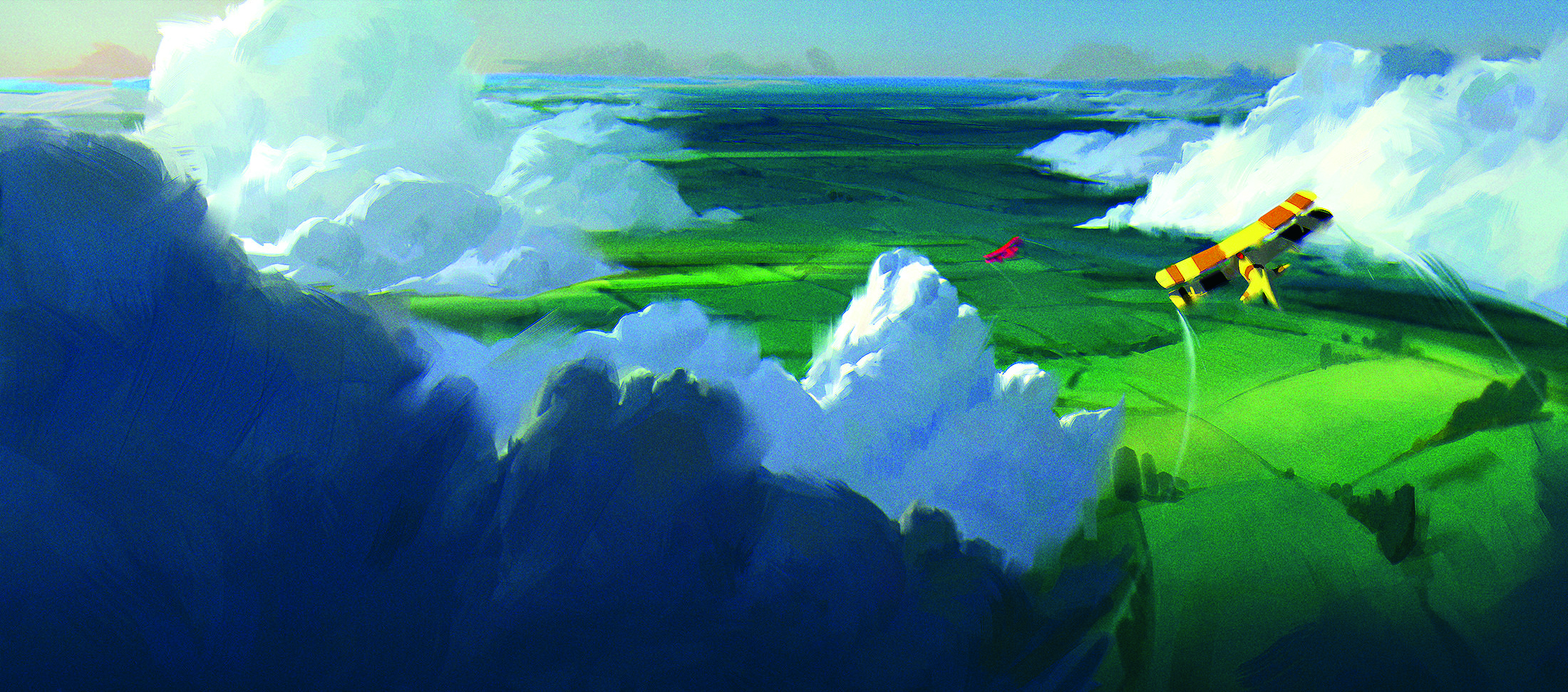
His recent work, Second Place, serves as a perfect microcosm of his evolution. Unlike the utilitarian, modular art required for in-game tile sets, Second Place is an aerial-shot painting that captures the kinetic energy of two airplanes locked in a race through the clouds. It is, as Gesell describes, "all about selling an idea and getting a mood across." This piece illustrates the distinction between "production-ready" assets and "pitch-ready" conceptual art—a critical skill set that defines the higher echelons of professional concept design.
Chronology: From Gaming Roots to Cinematic Aspirations
Gesell’s career path is a testament to the fluid nature of modern digital art. Initially cutting his teeth in the gaming industry, he spent years refining his ability to create environments that function within the constraints of game engines. This phase of his career was defined by technical discipline; he learned how to build assets that were not only aesthetically pleasing but also optimized for gameplay performance.
However, in recent years, Gesell has pivoted toward the film industry. While the technical transferability of skills between games and film is high, he notes that the narrative requirements differ significantly. "A lot of the knowledge from games does translate very well," he explains, "but there are so many new things to learn and understand regarding lighting, cinematic composition, and pacing."
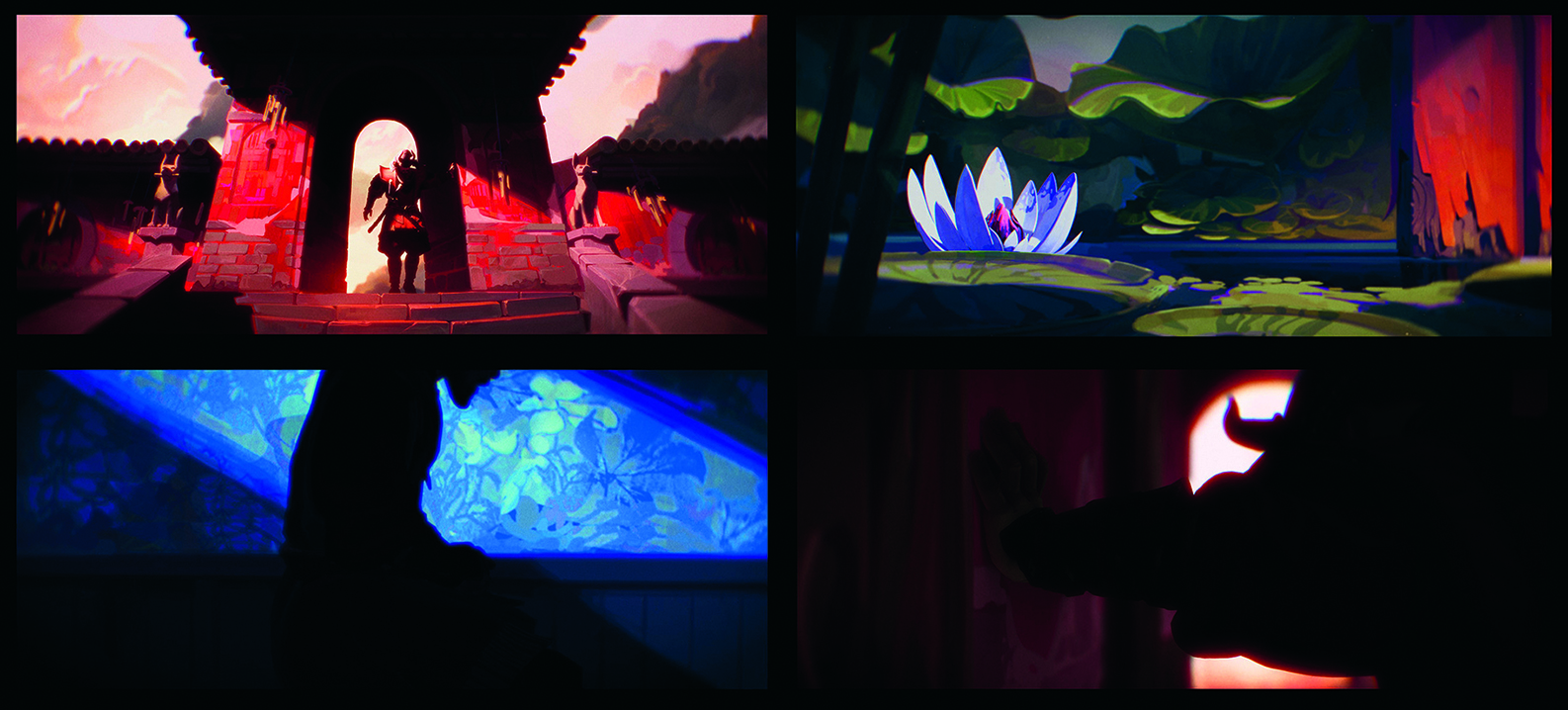
This trajectory reached a significant milestone with his recent directorial debut: an animated short film titled NOKORI. The project has moved through the festival circuit, marking a shift for Gesell from a contributor of singular images to a director of cohesive, moving narratives. This move toward film signifies a desire to explore storytelling beyond the interactive, leaning into the structured, temporal experience of cinema.
The Philosophy of "Ignorance as a Blessing"
When asked about the advice he would offer to his younger self, Gesell provides an answer that is both humble and provocative. He posits that, at the start of his career, "ignorance was a blessing."
"If I had known the amount of hours it would take, I might have been discouraged early on," he admits. This perspective highlights a common reality for digital artists: the "mountain" of technical skill and artistic intuition required to succeed is so immense that a full realization of the effort involved can be paralyzing. By focusing on the incremental joy of creation rather than the daunting finality of a career path, he was able to persevere.
His advice to budding artists is twofold:
- Prioritize Personal Voice: While industry demands are real, Gesell stresses the importance of producing work that the artist genuinely loves. "Do not always mould yourself into a cookie-cutter form," he warns.
- Balance Utility and Passion: He acknowledges that while having a unique style is paramount, one must also ensure their art is compatible with the rigors of modern production pipelines. Success, he suggests, is found in the intersection of personal creative satisfaction and professional utility.
Industry Implications: Navigating the AI Era
Perhaps the most pressing topic in contemporary digital art is the rise of generative AI. When asked if the industry has changed since he started, Gesell offers a sober assessment. He notes that the fundamental practice of art has not shifted, but the environment in which artists operate has become increasingly volatile.
"People are struggling more than they were a few years ago," Gesell observes. "The prevalence of AI has scared a lot of people away from investing in games and has just created general insecurity among artists."
This insecurity, while palpable, has shifted the focus toward a "premium" on human experience. In a market flooded with automated content, Gesell believes the path forward is not to compete with machines on speed or volume, but to lean into the unique, idiosyncratic "voice" of the artist. The demand for authentic, human-led creative direction has, in his view, never been higher.
Artistic Identity and Cultural Heritage
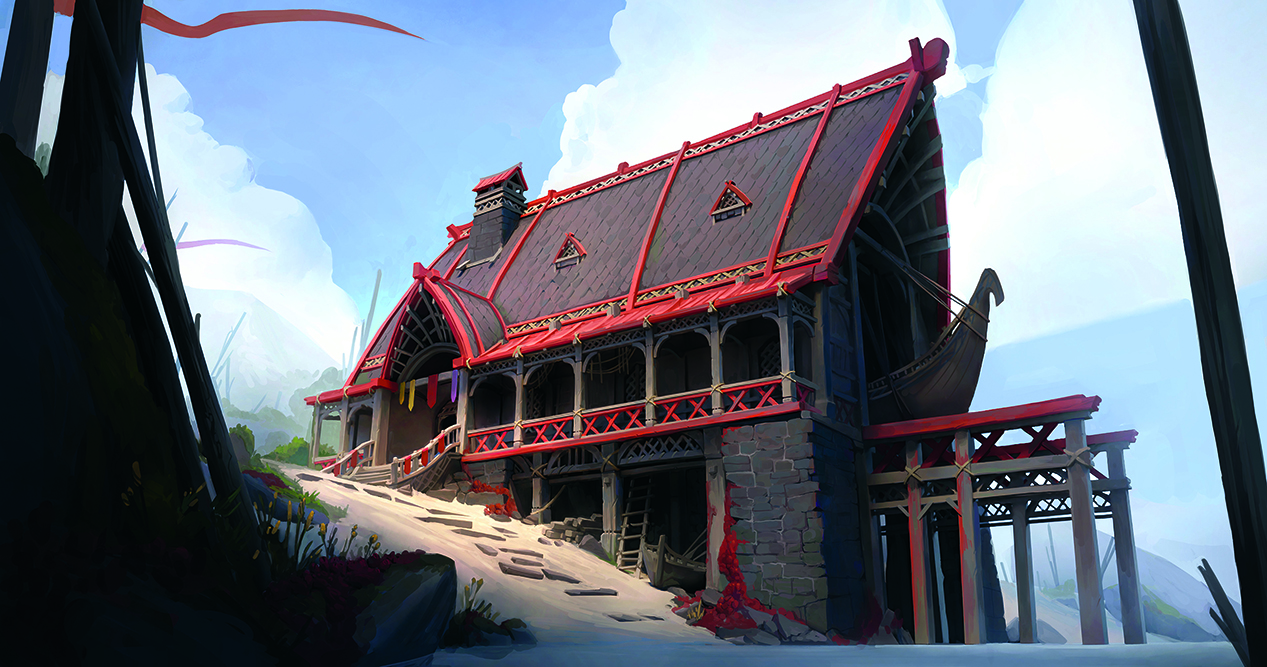
Every artist carries the echoes of their upbringing, and for Gesell, this manifests in his architectural sensibilities. His piece The Estate, featuring a striking orange house, is deeply personal. Based on a real-world building in the vicinity of Nuremberg, the piece represents his connection to his roots.
"There is something about old but colorful buildings that speaks to me," he shares. "My dad used to do a lot of renovation work on old buildings, so I think I was taught to appreciate those." This connection to the physical world—the textures of weathered stone, the specific hue of European architecture, and the history embedded in structures—informs his digital work, grounding his fantastical environments in a tangible reality.
The Road Ahead: Why the Journey Matters
As Gesell looks toward his future, he remains committed to the dual path of honing his craft and directing original content. His transition into the film industry is not an abandonment of his roots but an expansion of his canvas. The lessons learned in the demanding, iterative world of game design now serve as the scaffolding for his cinematic ventures.
For the aspiring artist, Gesell’s career serves as a roadmap of adaptability. He has moved from the technical constraints of game tiles to the emotive power of atmospheric concept art, and finally to the collaborative, long-form storytelling of animation.
His journey emphasizes that while software and industry trends are in constant flux, the core tenets of the profession remain static: an unwavering observation of the real world, the courage to maintain a personal voice, and the discipline to continue learning long after the initial "ignorance" of youth has faded.
Niko Gesell continues to push the boundaries of what is possible in digital illustration. His portfolio, which can be explored in detail on his ArtStation profile, stands as a testament to the idea that with enough patience and a clear vision, one can turn digital pixels into stories that resonate with the human spirit.
This article originally appeared in ImagineFX. For those looking to dive deeper into the technical aspects of digital painting and professional concept art, subscribe to ImagineFX to receive ongoing insights from industry leaders and experts.
 Lina Hope
  Reynand Wu
  Pevita Pearce