
 By Azzam Bilal Chamdy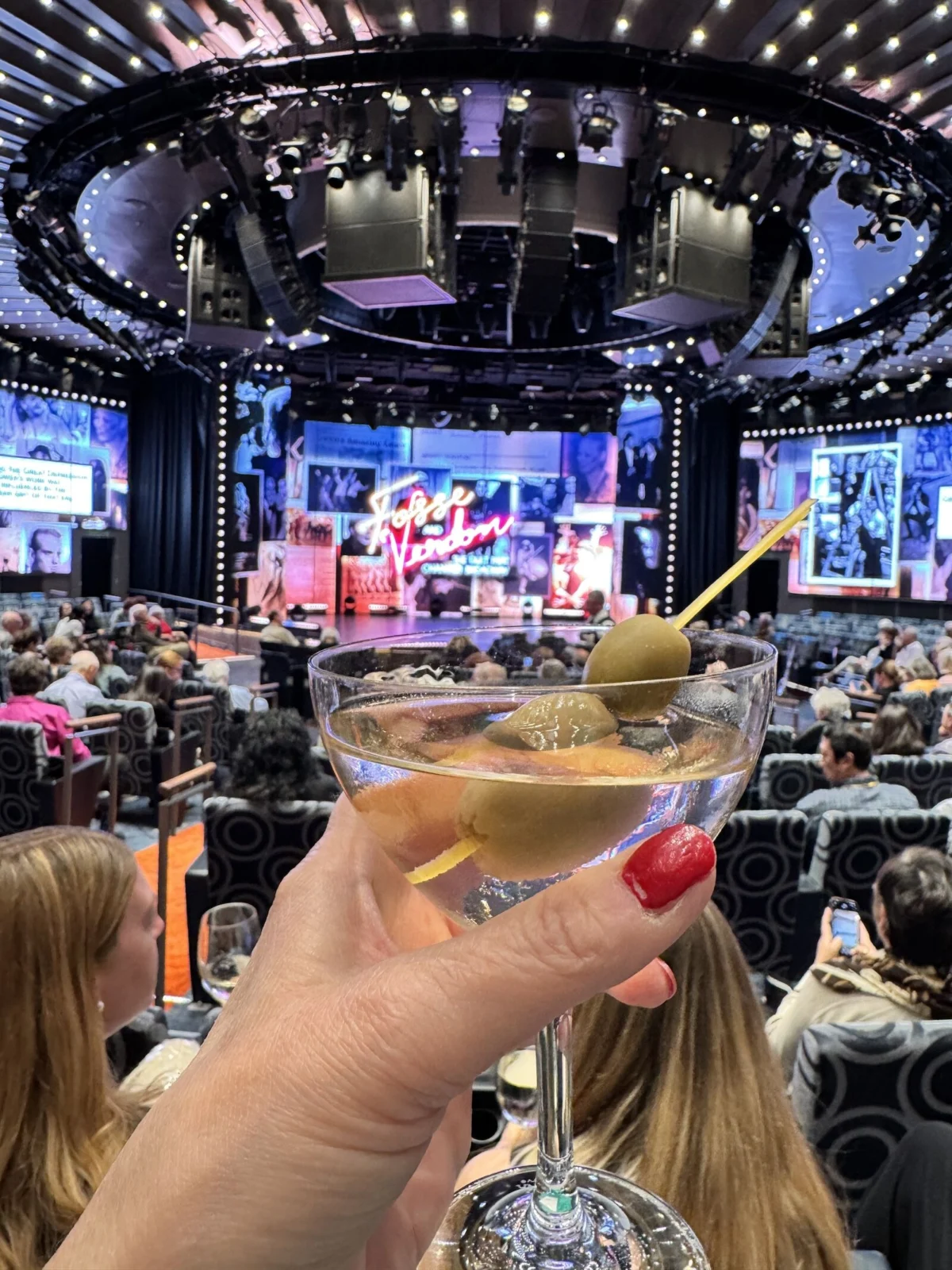
In an era defined by the frantic "bucket list" mentality—where travelers often return from vacations more exhausted than when they left—a quiet, sophisticated alternative has been gaining traction. Known as the "repositioning cruise," these unique voyages offer a rhythmic, meditative approach to global exploration. Far from the typical port-hopping scramble, these sailings prioritize the journey over the destination, providing a rare opportunity to disconnect from the frantic pace of modern life.
Main Facts: The Mechanics of the Repositioning Cruise
At their core, repositioning cruises are functional maneuvers. They occur primarily during the spring and fall shoulder seasons when cruise lines must shift their fleets to accommodate seasonal demand. For instance, a vessel that spends the summer navigating the chilly waters of Alaska or the bustling ports of New England may be moved to the Caribbean, the South Pacific, or the Mediterranean for the winter months.
Unlike standard round-trip itineraries, these are almost exclusively one-way sailings. Because these journeys are designed to move the ship from Point A to Point B—often spanning vast oceans—they inherently feature a higher ratio of sea days compared to traditional cruises.
From a financial perspective, these voyages are frequently positioned as "value" options. With fewer port calls, cruise lines pay lower port taxes and fees, savings that are often passed directly to the consumer in the form of significantly lower base fares. However, potential travelers should adhere to a golden rule: always price your one-way airfare before confirming your cruise booking. While the cruise fare may be an absolute steal, a last-minute one-way flight from an international port can negate those savings if not accounted for in the initial travel budget.
Chronology: From Logistics to Leisure
My personal introduction to this style of travel occurred during the final leg of a Panama Canal transit, originating in Fort Lauderdale. Stepping onto the deck, I was immediately struck by the atmosphere. While I had just begun my journey, many of my fellow passengers had been onboard for nearly three weeks.
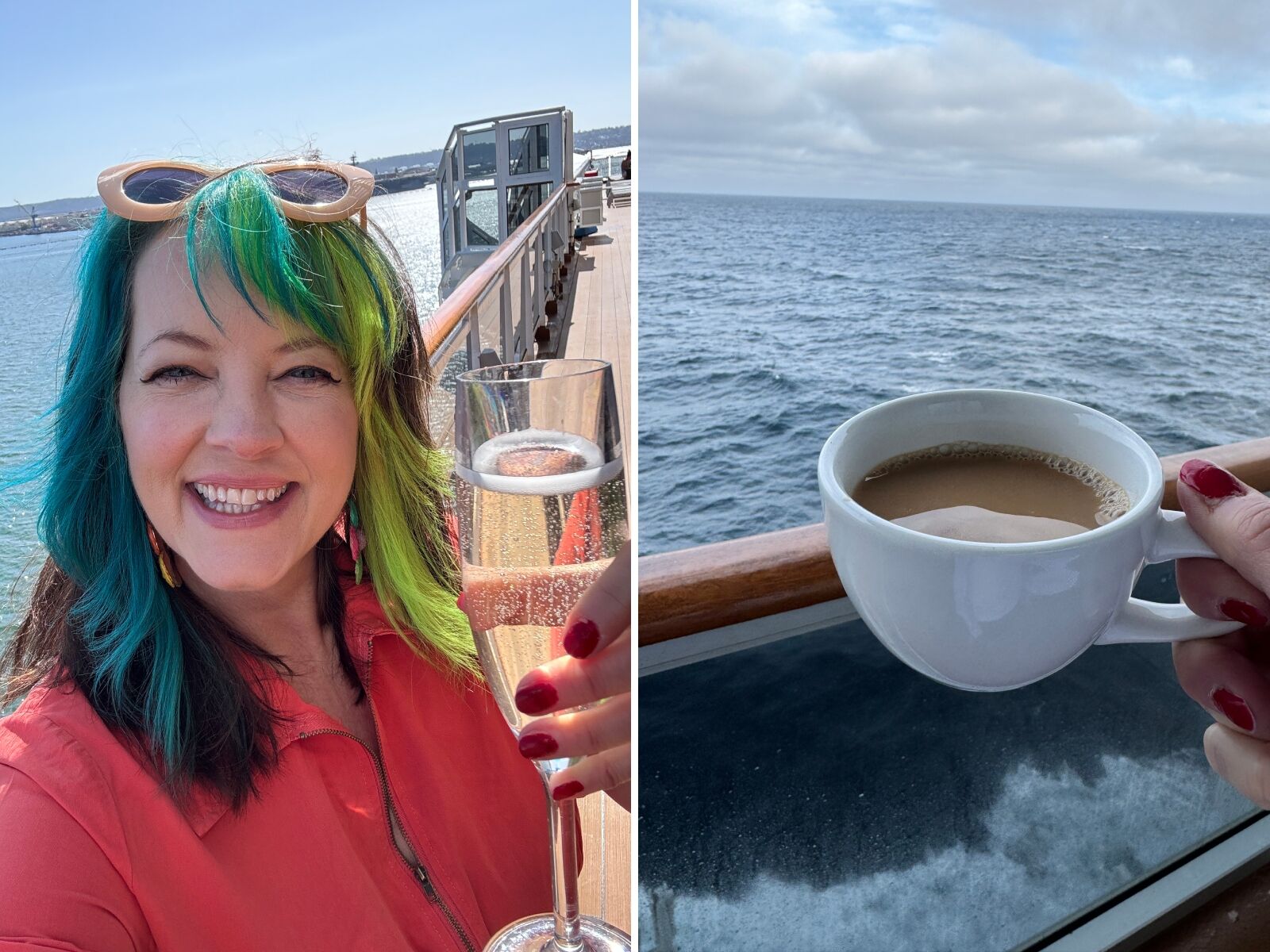
There is a palpable transformation that occurs when a ship remains at sea for an extended period. By the third or fourth day, the "shipboard rhythm" takes hold. The frantic energy of the departure port—the luggage, the security lines, the orientation—fades, replaced by a collective, unhurried ease. Passengers who might normally be seen rushing to a buffet or jostling for a deck chair are, by the second week, found lounging with books, engaging in long-form conversations, or simply watching the horizon. It is a surrender to the pace of the ocean, a phenomenon that cannot be replicated on a high-octane, port-a-day itinerary.
Supporting Data: Why Demand is Surging
The appeal of these voyages is not merely anecdotal; it is reflected in industry trends. Royal Ahmadi, senior vice president of The Vacation Group, notes that the demand for these sailings has surged significantly in recent years. "What makes them especially appealing is their unique itineraries," Ahmadi explains. "Because these ships are traversing oceans or moving between hemispheres, they visit ports and follow routes that simply aren’t available on standard, year-round sailings."
Major cruise lines—including Royal Caribbean, Holland America Line, Celebrity Cruises, and Carnival—all maintain robust repositioning schedules. For the luxury segment, lines like Seabourn, Silversea, and Regent Seven Seas offer transoceanic repositioning voyages that combine the "slow travel" ethos with high-end, all-inclusive service.
Finding these gems requires a bit of detective work. They are often tucked away under "Destinations" or "Transatlantic/Transpacific" tabs on cruise line websites. Celebrity Cruises, for example, categorizes many of these under "Ocean Crossing Cruises," featuring exotic routes through the Antarctic Ocean, the Panama Canal, and across the vast expanses of the Pacific.
The Psychology of the "Built-In Exhale"
Psychologist and travel writer Dr. Irene S. Levine points out that the modern traveler is often trapped in a cycle of over-scheduling. "One of the joys of travel is spontaneity—discovering unexpected experiences," Dr. Levine says. "Over-scheduling doesn’t allow for these moments. Following a grueling travel schedule doesn’t provide a real respite from the rigors of work."
This is where the repositioning cruise acts as a psychological reset. Even on itineraries that include a respectable number of ports, the sea days act as a "built-in exhale." They provide the necessary downtime between the excitement of a new destination, ensuring that the traveler remains refreshed rather than drained.
Paul Grigsby, vice president of deployment and itinerary planning for Holland America Line, emphasizes this flexibility. "We see a lot of range with these voyages," he notes. "It really comes down to how much time guests have and how they want to travel. There is enough variety onboard that people can fill their days however they want."
Amenities: Rediscovering the Ship
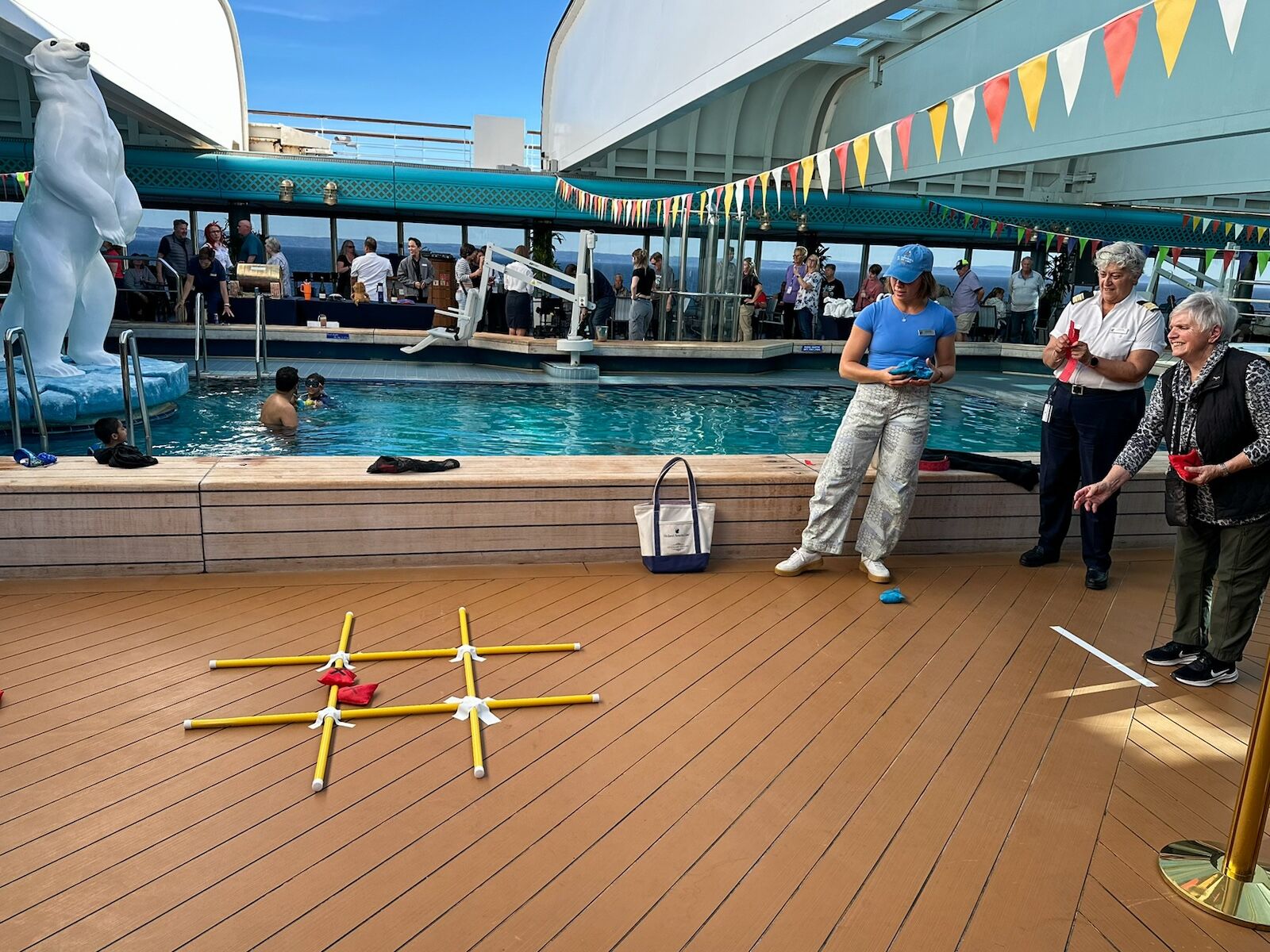
On a typical cruise, the ship is merely a floating hotel used to access ports. On a repositioning cruise, the ship is the destination.
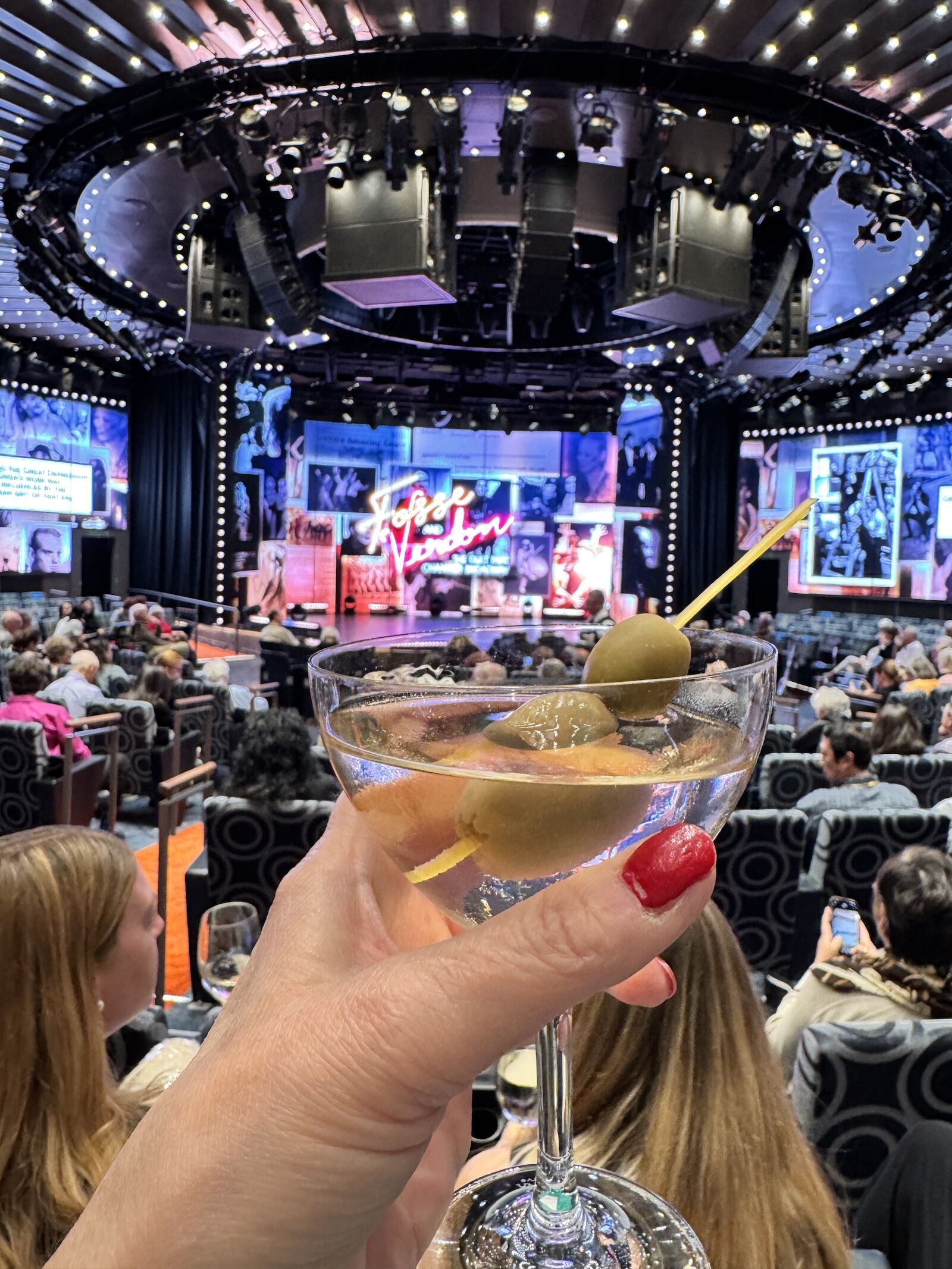
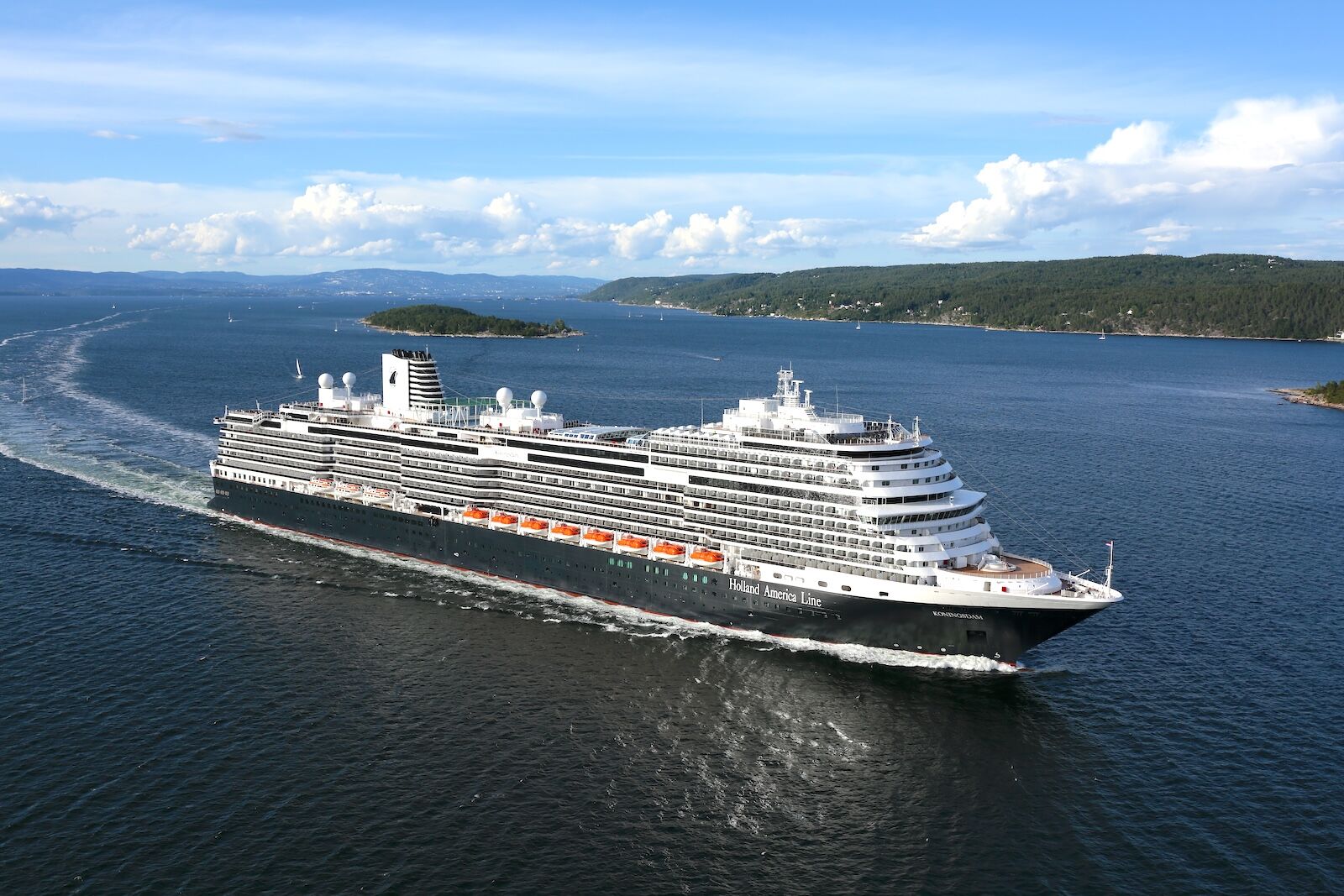
During my time on the Koningsdam, I finally had the time to explore aspects of the vessel I usually ignore. I participated in a bourbon tasting, attended a mixology class, and even sat for a calligraphy workshop—an activity that, at sea, felt profoundly meditative. One highlight was the "Blend Bar," where I spent an hour with a consultant creating a custom shade of lipstick. It wasn’t just a beauty treatment; it was an experience, a memory, and a physical souvenir of a moment where I wasn’t rushing to a tour bus.
The Working Traveler’s Oasis
Perhaps the most counterintuitive benefit of the repositioning cruise is its suitability for remote work. With the massive improvements in maritime satellite internet, connectivity is no longer the hurdle it once was.
For a freelancer, the extended sea days provide a sanctuary of focus. I found that by utilizing the observation lounges, such as the Crow’s Nest, I could maintain a productive schedule without the interruptions of port excursions. The consistent, sweeping ocean views provide a level of creative inspiration that a traditional office—or even a hotel room—cannot match. It is, quite possibly, the most productive way to spend a "vacation."
Implications: The "Two-in-One" Vacation Strategy
One of the smartest ways to book a repositioning cruise is to treat it as the bridge for a two-part holiday. By adding three to five days of land-based exploration at the arrival or departure port, travelers effectively gain two distinct experiences for the price of one flight.
On my journey, many passengers extended their trip in Vancouver, BC, spending several days exploring the city’s culinary scene and Stanley Park before flying home. This strategy allows for the logistical convenience of a cruise while maintaining the autonomy of independent travel at the destination.
Who Should—and Shouldn’t—Book a Repositioning Cruise
It is important to acknowledge that this style of travel is not for everyone.
This trip is for you if:
- You value relaxation and downtime over a jam-packed schedule.
- You are a "slow traveler" who enjoys reading, writing, or quiet reflection.
- You are a remote worker looking for a unique, distraction-free environment.
- You enjoy the social atmosphere of a ship but want the freedom to dictate your own pace.
This trip is likely not for you if:
- You measure the success of a trip by the number of landmarks checked off your list.
- You require constant, high-energy entertainment or daily excursions to remain engaged.
- You suffer from severe sea-sickness and prefer to keep land in sight at all times.
Final Reflections: The Luxury of Time
I boarded the Koningsdam initially viewing it as a logistical solution—a way to move from one region to another. I disembarked with a newfound respect for the voyage itself. In a world that demands constant motion and immediate results, the repositioning cruise offers the ultimate luxury: the permission to slow down.
When you strip away the pressure to "do it all," you are left with the vast, quiet beauty of the sea and the opportunity to actually inhabit your vacation. For those willing to trade a few ports for a few more days of horizon-watching, the repositioning cruise might just be the most transformative travel experience available today. It is not about the miles covered, but the peace of mind found in the wake of the ship.
 Layla Zulfa
  Lina Irawan
  Nana
Nana 