
 By Azzam Bilal Chamdy
Despite the relatively young age of the United States as a nation, the American landscape is dotted with gastronomic institutions that have defied the fleeting nature of the modern hospitality industry. In an era where the average restaurant struggles to survive its first decade, these establishments have stood the test of time, surviving economic depressions, world wars, and shifting cultural tides.
These restaurants are more than mere venues for sustenance; they are living museums, social hubs, and keepers of regional identity. From colonial taverns that predated the American Revolution to Old West saloons where legendary figures once traded stories, these 22 landmarks continue to serve their communities with the same dedication they offered over a century ago.
The Weight of History: Why These Landmarks Matter
The survival of a restaurant for over 100 years is a rarity that warrants closer inspection. These institutions serve as vital links to the past, preserving culinary traditions that might otherwise be lost to the homogenization of modern dining. Whether it is the preservation of authentic colonial-era recipes or the maintenance of immigrant traditions that defined the industrial growth of American cities, these eateries offer a sensory connection to history.
Beyond their historical value, these businesses remain economically relevant. They provide a blueprint for resilience, demonstrating how adapting to changing consumer tastes while maintaining a core identity can foster longevity. For the modern diner, visiting these spots is not just about the meal—it is an act of historical immersion.
A Chronological Perspective: Centuries of Service
To understand the depth of these institutions, one must look at their founding dates, which span from the late 17th century to the early 20th century.
The Colonial Foundations (1673–1826)
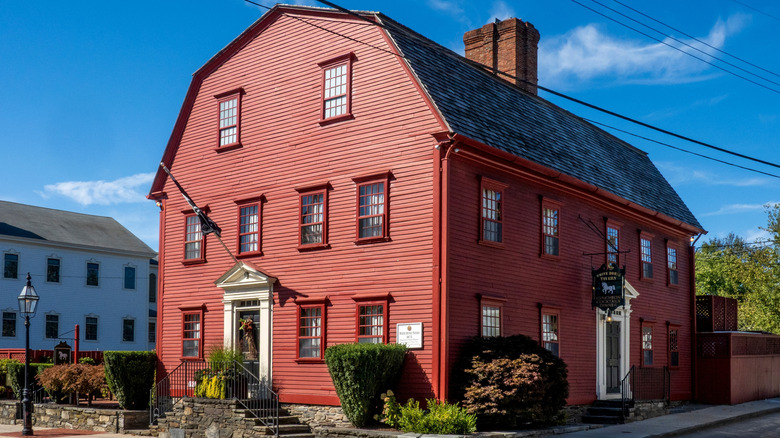
- White Horse Tavern (Newport, RI, 1673): Often cited as the oldest operating restaurant in the United States, it functioned as a political hub and even a mercenary barracks during the Revolutionary War.
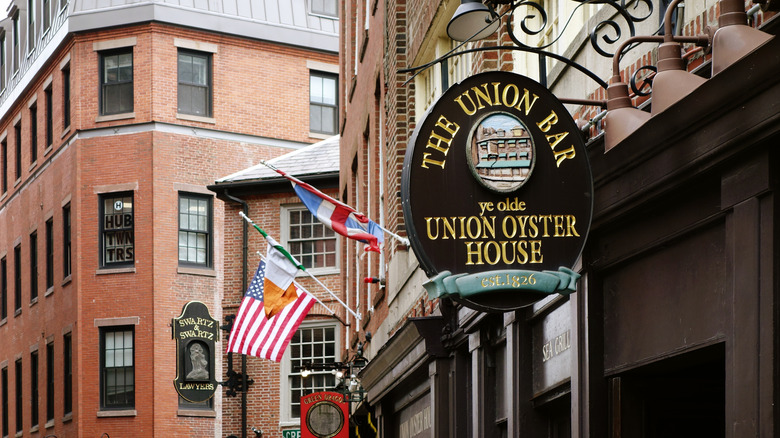
- Union Oyster House (Boston, MA, 1826): A bastion of New England seafood, this site remains a cornerstone of Boston’s culture, famously hosting figures like John F. Kennedy.
The Era of Expansion (1840–1899)
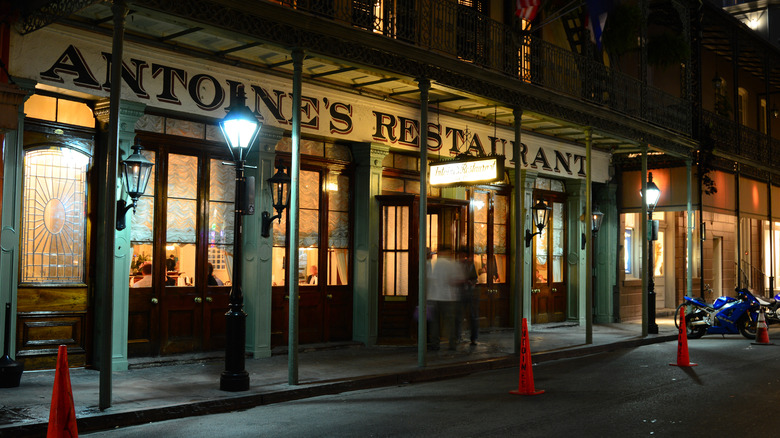
- Antoine’s (New Orleans, LA, 1840): Famous for the invention of Oysters Rockefeller, this French-Creole institution represents the sophistication of the French Quarter.
- Tadich Grill (San Francisco, CA, 1849): California’s oldest restaurant, established during the Gold Rush, continues to serve traditional seafood perfection.
- Old Ebbitt Grill (Washington, D.C., 1856): A haunt for the nation’s political elite, this establishment has hosted presidents and power-brokers for over 150 years.
- Hays House (Council Grove, KS, 1857): Founded by a relative of Daniel Boone, this stop on the Santa Fe Trail serves as a testament to the expansion of the American West.
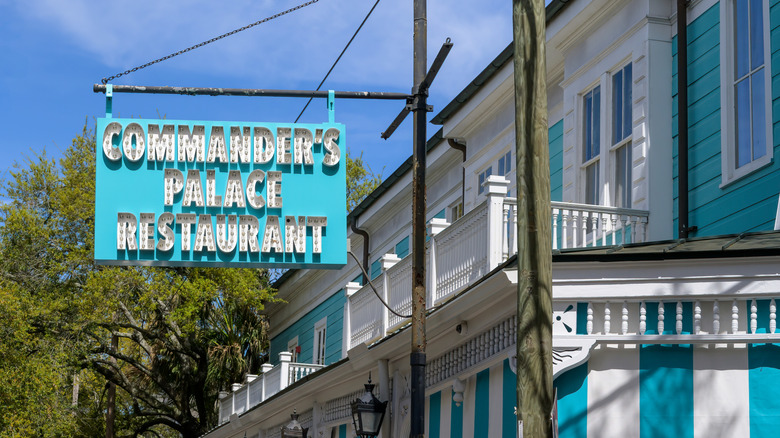
- Commander’s Palace (New Orleans, LA, 1880): A vibrant turquoise landmark that has nurtured the careers of culinary legends like Emeril Lagasse.
- The Log Inn (Haubstadt, IN, 1825): A historic stagecoach stop that famously hosted Abraham Lincoln.
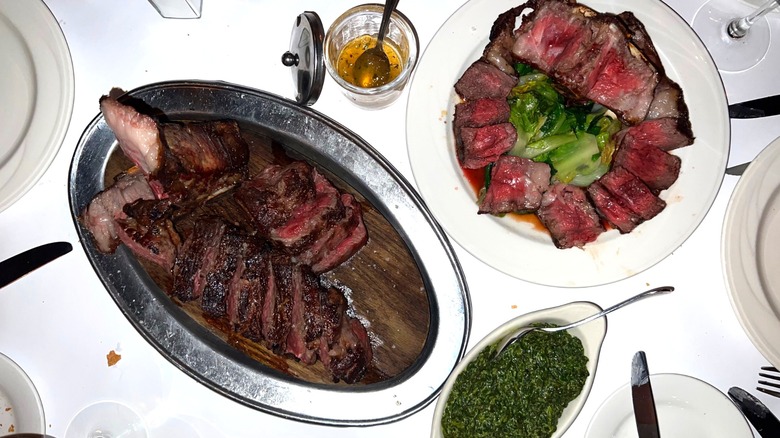
- Keens Steakhouse (New York, NY, 1885): Renowned for its mutton chops and a ceiling adorned with historical tobacco pipes.
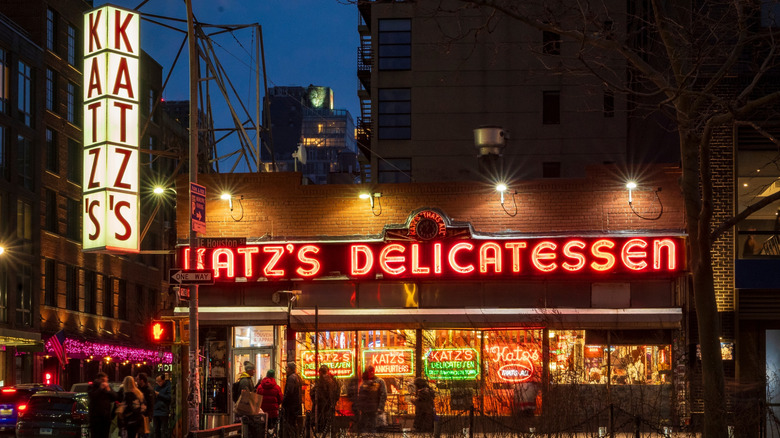
- Katz’s Delicatessen (New York, NY, 1888): An Lower East Side institution that remains a global symbol of Jewish deli culture.
- Buckhorn Exchange (Denver, CO, 1893): An Old West museum-turned-steakhouse founded by a companion of Buffalo Bill.
- The Berghoff (Chicago, IL, 1898): A German-American staple that successfully navigated the challenges of Prohibition.
The Turn of the Century (1900–1922)
- Ralph’s (Philadelphia, PA, 1900): The oldest Italian restaurant in the U.S., still family-run after four generations.
- Maneki (Seattle, WA, 1904): A resilient pioneer in Japanese-American cuisine that survived the adversity of WWII internment.
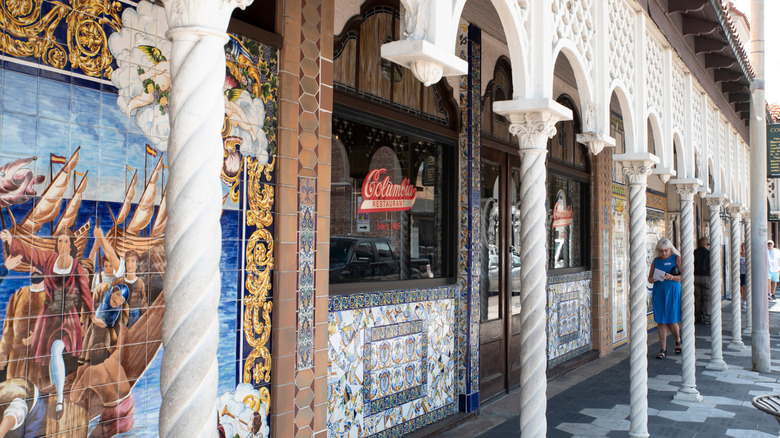
- Columbia (Tampa, FL, 1905): The world’s largest Spanish restaurant, showcasing the rich culinary heritage of Ybor City.
- The Bright Star (Bessemer, AL, 1907): Alabama’s oldest restaurant, blending Southern traditions with Greek culinary influences.
- Cattlemen’s Steakhouse (Oklahoma City, OK, 1910): A legendary stop for cattlemen, steeped in frontier lore and famous for its chicken-fried steak.
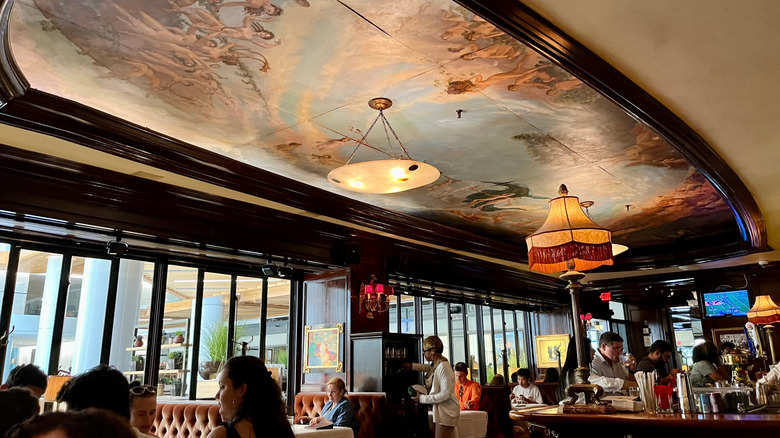
- Musso & Frank Grill (Hollywood, CA, 1919): The quintessential classic Hollywood venue, frequented by the silver screen’s greatest icons.
- Cozy Inn (Janesville, WI, 1922): The oldest Chinese restaurant in the U.S., serving historically significant dishes like chop suey.
- El Charro Café (Tucson, AZ, 1922): The birthplace of the chimichanga, representing the heart of Sonoran-style cuisine.
Supporting Data: Why They Survive
The "secret sauce" to longevity, as evidenced by these 22 establishments, generally falls into three categories:
- Family Continuity: Many of these restaurants (such as Ralph’s, Antoine’s, and El Charro) have remained in the same family for generations. This ensures that the original vision is honored while allowing for slow, deliberate evolution.
- Cultural Anchor Point: These restaurants are not just serving food; they are serving a specific community identity. Whether it is Jewish deli food in NYC or Sonoran cuisine in Arizona, they serve as custodians of cultural heritage.
- Adaptability: The best examples, such as The Berghoff, show that the ability to pivot—without abandoning one’s core product—is essential. When Prohibition hit, they shifted focus to food; when cultural tastes evolved, they refined their menus while keeping classics intact.
Official Responses and Culinary Impact
Critics and industry experts frequently point to these institutions as the "gold standard" for the restaurant business. The James Beard Foundation has recognized many of these establishments, such as Jones Bar-B-Q Diner in Arkansas, which earned a prestigious award in 2012 for its commitment to traditional, slow-cooked pork.
Furthermore, these restaurants are increasingly being recognized by historical preservation societies. The inclusion of these sites in local and national registers ensures that they are protected from the rapid redevelopment that often threatens historic storefronts.
Implications: The Future of Heritage Dining
The existence of these century-old restaurants presents an interesting paradox in the age of fast-casual dining. While the industry is moving toward automation and high-speed efficiency, these restaurants thrive on a slow, intentional pace.
The implication for the future of the American food scene is clear: there is a growing market for authenticity. As global travel and technology make the world feel smaller and more uniform, consumers are increasingly seeking out "the real thing." The success of these institutions suggests that the future of the restaurant industry—at least for those seeking long-term viability—lies in the past.
For the reader, the lesson is simple: if you find yourself near one of these landmarks, take the time to step inside. Whether it’s a bowl of gumbo in New Orleans, a pastrami sandwich on the Lower East Side, or a steak in the shadow of the Rockies, you are not just eating a meal; you are participating in a tradition that has helped define the American experience for over a century.
Quick Reference Guide for the Adventurous Diner
- Oldest Restaurant: White Horse Tavern, RI (1673)
- Oldest Italian: Ralph’s, PA (1900)
- Oldest Chinese: Cozy Inn, WI (1922)
- Oldest Japanese: Maneki, WA (1904)
- Oldest Spanish: Columbia, FL (1905)
These restaurants remind us that while the United States is a nation of constant change, it also possesses a deep, enduring capacity to preserve what is good, meaningful, and delicious.
 Raul Delapena Setiawan
  Basiran
  Nana
Nana 