
 By Basiran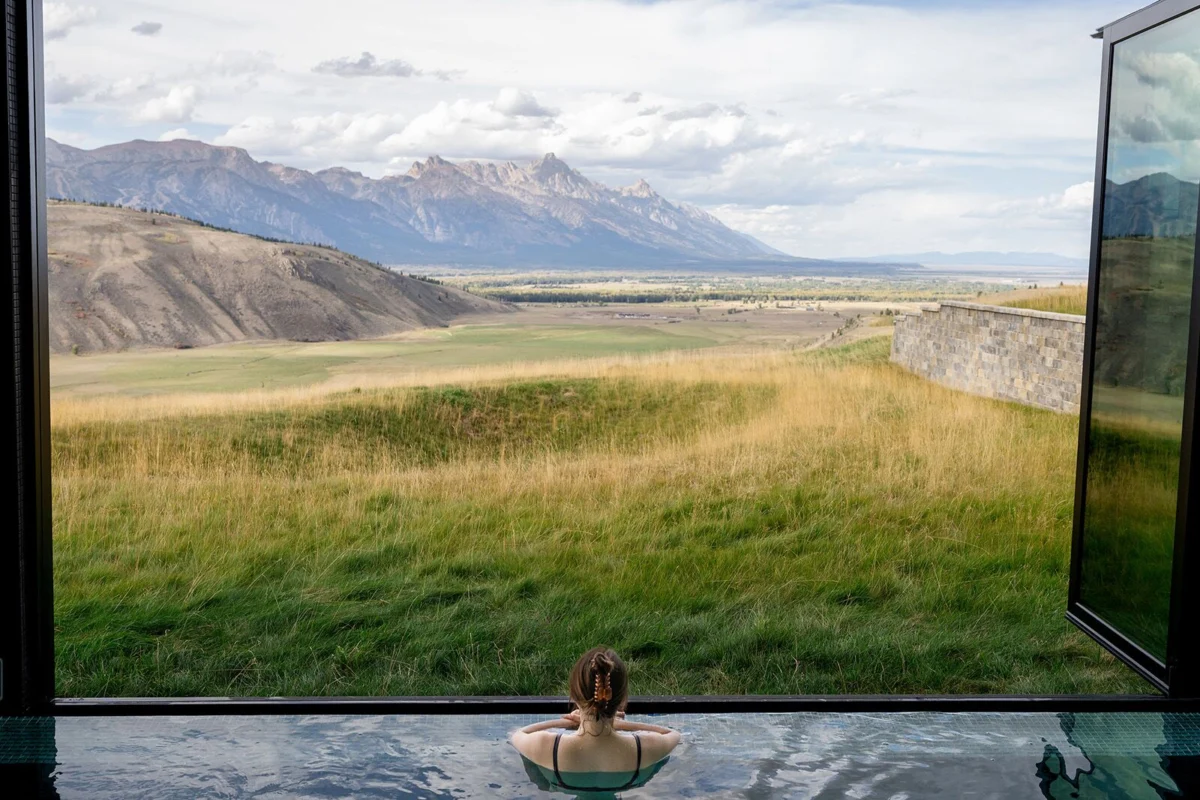
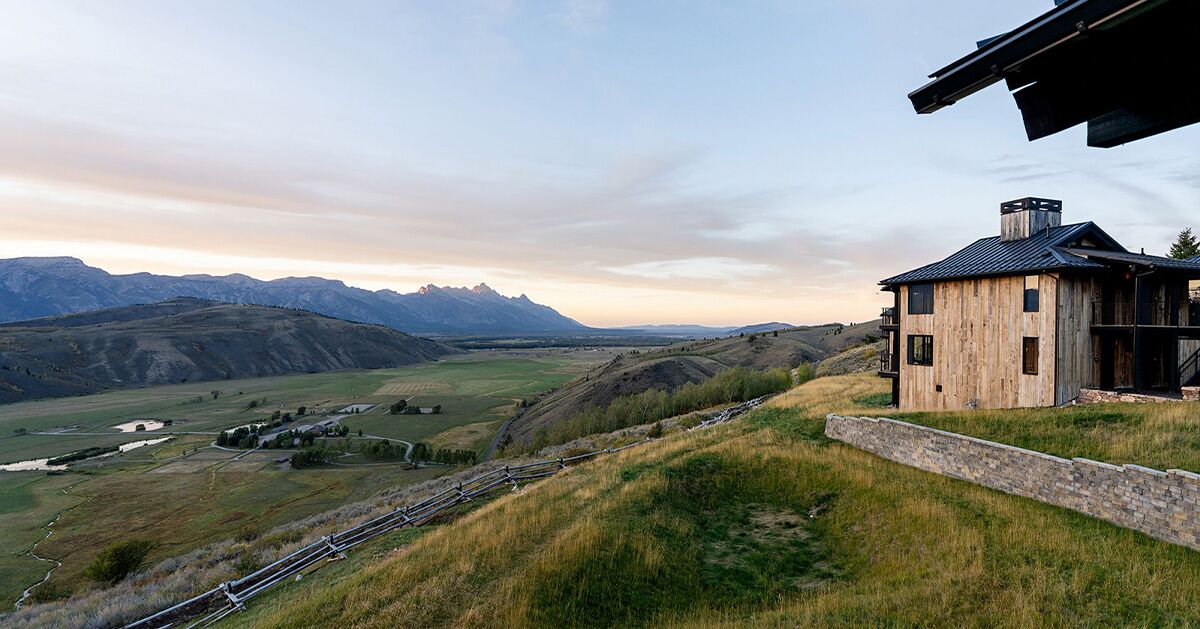
In the heart of the American West, where the jagged teeth of the Teton Range pierce the high-altitude sky, a new standard for luxury has emerged. Hotel Yellowstone is not merely a place to sleep; it is a meticulously curated experience that challenges the traditional concept of the hotel lobby. By eschewing the clinical, transaction-heavy front desk in favor of a warm, ranch-inspired living space, the property immediately signals a departure from the mundane. Here, the arrival process is an initiation—a welcome cocktail in hand, a personal concierge by your side, and the dramatic, sweeping vistas of the Lower 48’s most storied peaks serving as the ultimate backdrop.
The Architecture of Arrival: A Seamless Transition
The experience at Hotel Yellowstone begins long before a guest crosses the threshold into their private suite. The lobby, designed to evoke the spirit of a multigenerational Jackson Hole ranch, functions less like a commercial hotel and more like a private residence. Upon arrival, guests are greeted by a personal concierge, facilitating a seamless check-in process that feels intimate and unhurried.
This deliberate removal of the traditional reception desk is a strategic design choice, intended to foster a sense of arrival rather than an administrative check-in. As you move through the common areas, the design narrative remains consistent: natural textures, refined Western aesthetics, and a pervasive, quiet luxury that honors the landscape rather than competing with it.
Suites and Sanctuary: One Layout, Four Perspectives
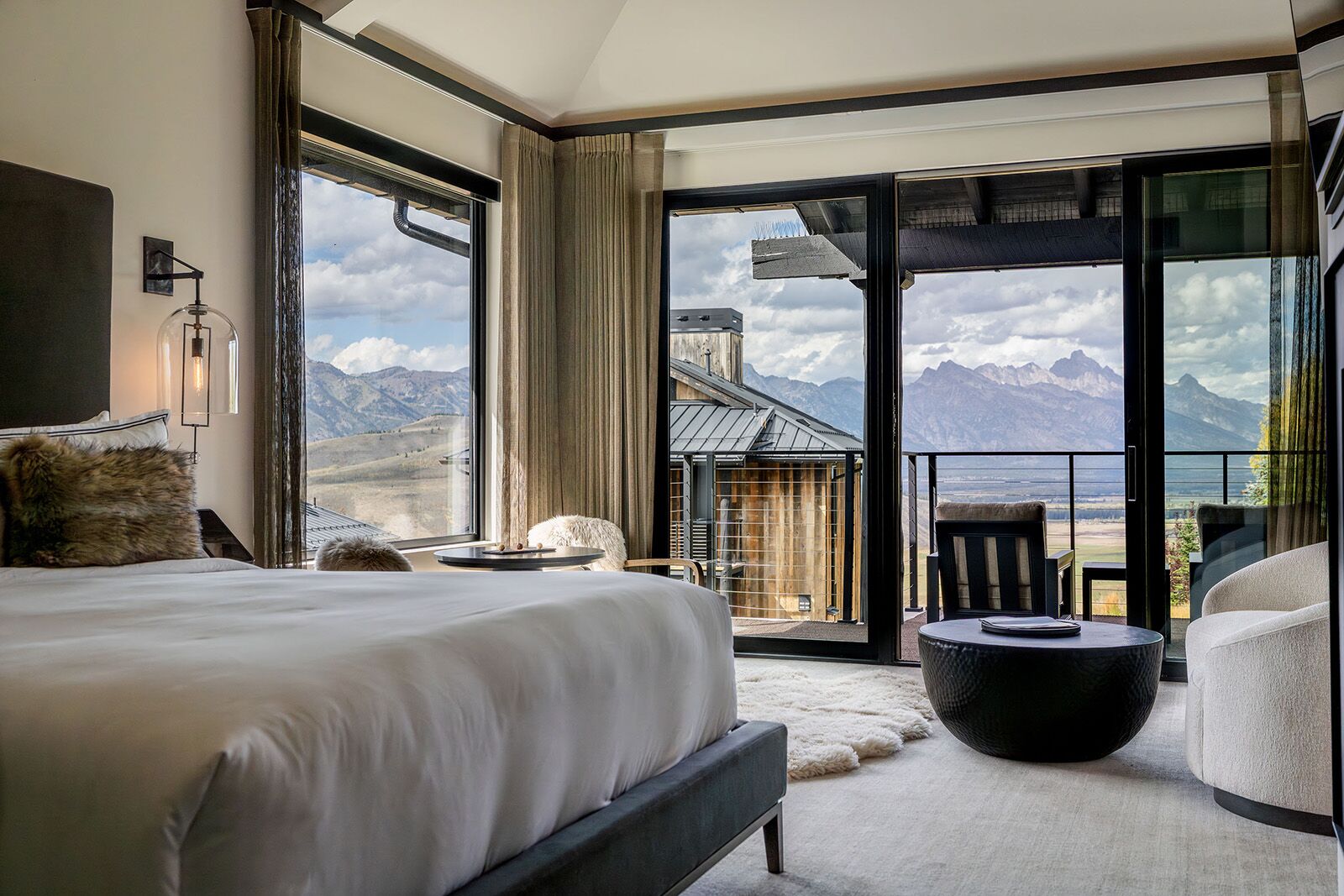
Hotel Yellowstone operates on a philosophy of consistency in quality, with subtle shifts in perspective. Every suite, regardless of category, shares a thoughtful layout featuring plush, high-end rugs, bathrooms clad in cool Calacatta marble, and freestanding tubs designed for long, restorative soaks after days spent in the elements.
The property divides its inventory into four distinct categories, each defined by its orientation toward the surrounding topography:
- Grand Teton Suites: These premium offerings provide an unobstructed, head-on view of the Grand Teton, the range’s highest and most iconic peak.
- Grand Reflection Suites: Situated with the same focus on the Grand Teton, these suites offer an elevated vantage point that captures the majesty of the range with a sense of architectural grandeur.
- Vista Suites: Designed for those who wish to track the movement of the sun, these suites look west, offering wide-angle views across the Teton Range.
- Reflection Suites: These units are positioned along the property’s serene pond, offering a meditative experience where the sound of water complements the visual drama of the mountains.
Nightly rates for these sanctuaries range from $799 to $1,899, depending on the season and room category, positioning the hotel firmly in the luxury tier of the Jackson Hole market.
Holistic Restoration: The Spa and Wellness Paradigm
Exclusivity is the defining pillar of Hotel Yellowstone’s operational policy. Unlike many resorts that open their facilities to the public, the restaurant, spa, and grounds here remain strictly reserved for overnight guests. This creates a rare, sanctuary-like atmosphere where the noise of the outside world is systematically filtered out.
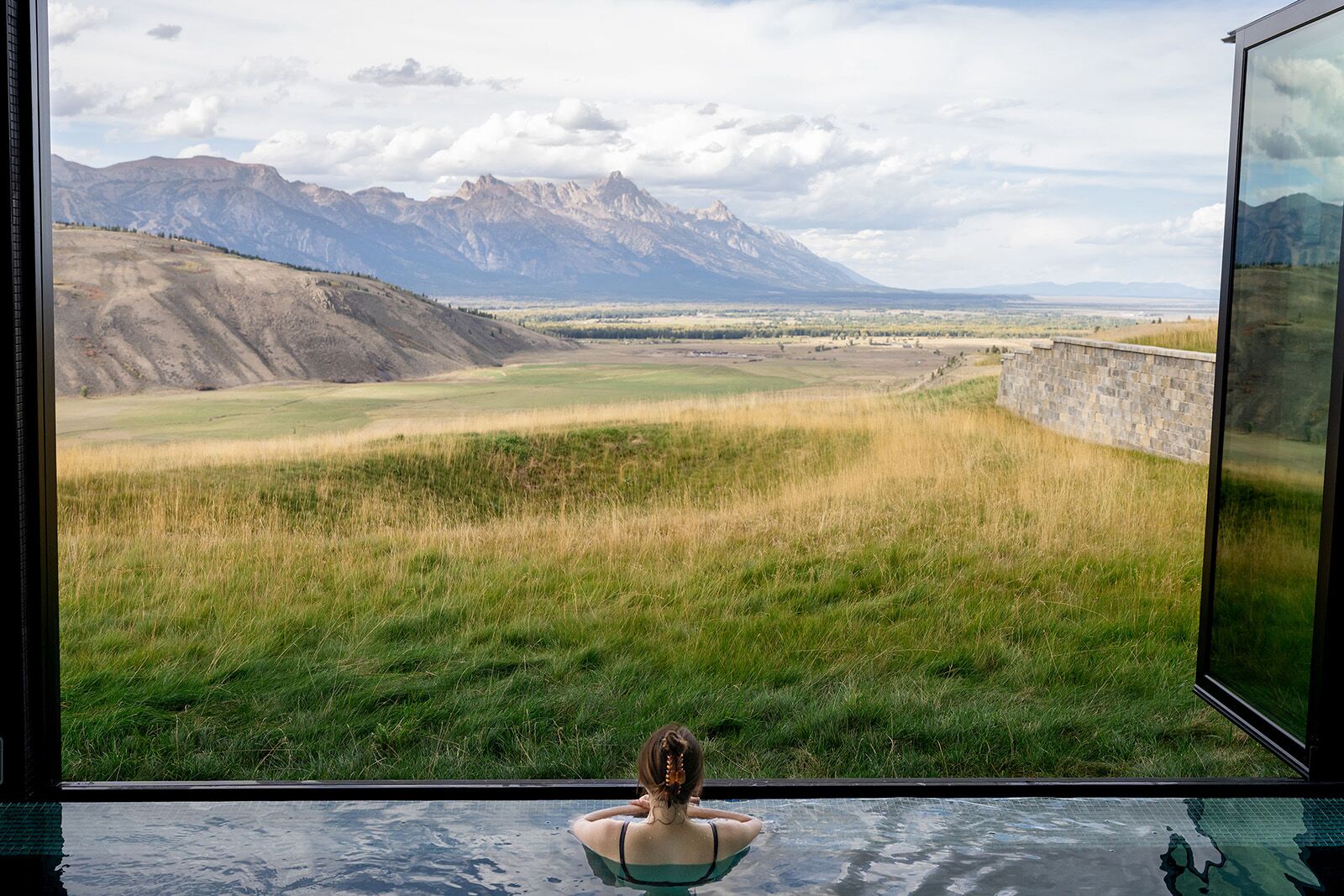
The wellness facilities represent a modern approach to mountain recovery. Beyond the standard pool and gym, the property leans heavily into contrast therapy—a practice that alternates between the intense heat of a dry sauna and the shocking invigoration of a cold plunge. For those seeking a deeper level of recovery, the spa offers:
- Forest Therapy Treatments: Designed to ground guests in the local ecosystem.
- Himalayan Salt Treatment Rooms: Focusing on respiratory and skin health.
- Red-Light Therapy Saunas: Utilizing advanced light technology to reduce inflammation and promote cellular recovery.
Culinary Horizons: The Sunset Experience at Olivia’s
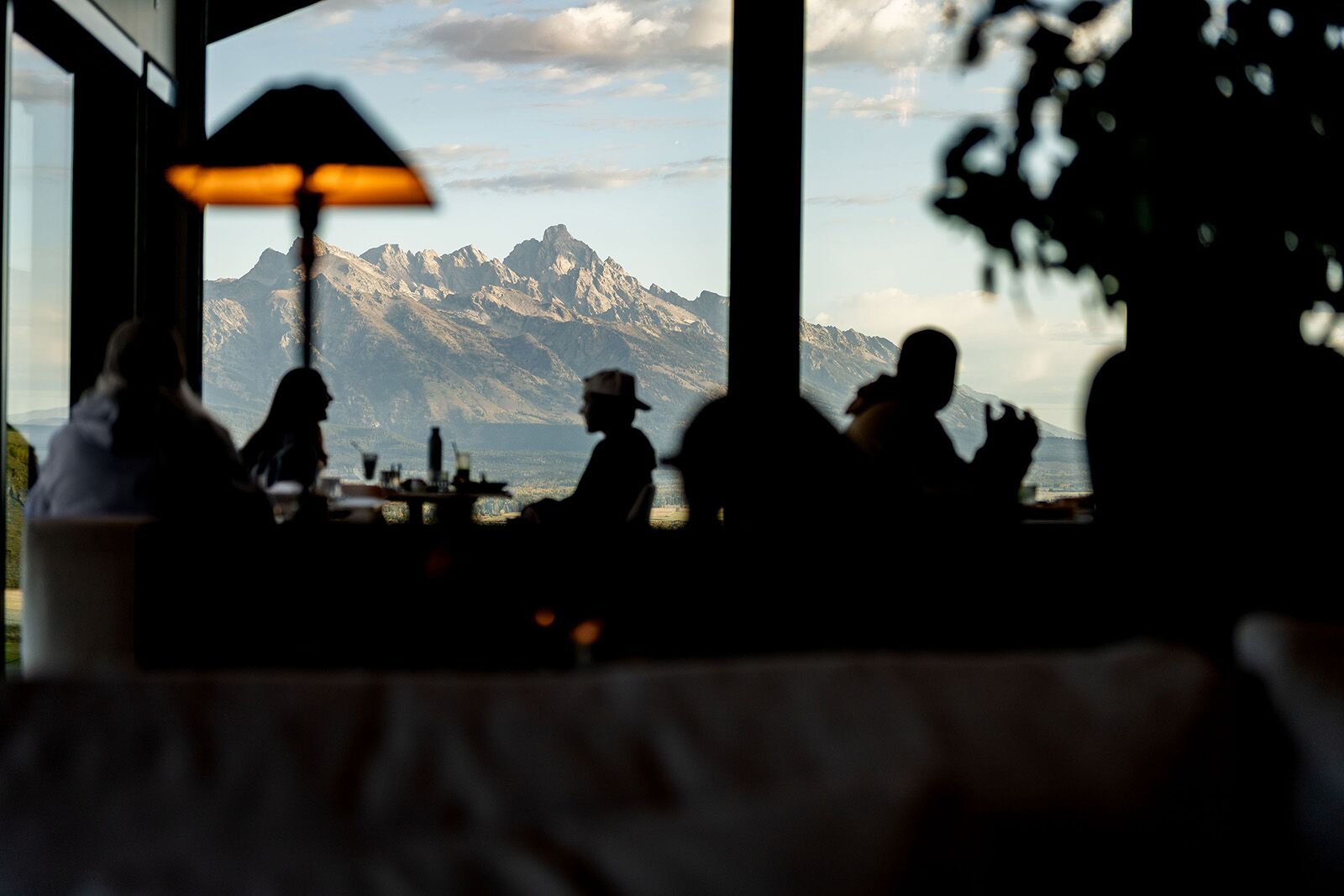
At the center of the culinary experience is Olivia’s, a restaurant that serves as both the social heart of the hotel and a vantage point for the valley’s changing light. Breakfast is included in the resort fee, providing guests with a daily ritual of minty passion fruit parfaits or decadent cinnamon French toast while the morning sun slowly illuminates the Teton peaks.
Executive Chef Brandon Esposito has cultivated a menu that balances rugged, local ingredients with refined, contemporary technique. The fried goat cheese starter, drizzled with a smoked chili caramel, has already gained a reputation for being an addictive staple. The hamachi crudo, brightened by the acidity of yuzu, and the New England striped bass, noted for its perfectly crisped skin, showcase a kitchen that understands the importance of texture and balance.
The most critical piece of advice for any guest is to time their dinner reservation to coincide with sunset. Watching the last rays of light sweep across the valley floor from the comfort of the dining room provides a visual feast that rivals the culinary offerings themselves.
The Gateway to the Greater Yellowstone Ecosystem
Hotel Yellowstone’s geography is its greatest asset. Positioned just 15 miles from the Moose Entrance of Grand Teton National Park and approximately 60 miles from the South Entrance of Yellowstone National Park, the property acts as a luxurious basecamp for wilderness exploration.
The hotel leverages this proximity by providing access to expert, locally-guided excursions. These are not generic tours; they are curated adventures ranging from sunrise wildlife safaris to e-bike tours that conclude with a private picnic. For those looking to explore the water, paddleboarding on the region’s glacial lakes is a hallmark of the summer experience.
However, with such access comes a responsibility. The hotel staff consistently emphasizes the "wild" in wilderness. Moose and mule deer frequently wander the property grounds, and guests are strictly reminded of the mandatory safety distances: 100 yards for bears and wolves, and 25 yards for all other wildlife.
Winter Operations and Logistics
While the summer months are defined by hiking and park exploration, winter transforms the region into a world-class skiing destination. The hotel is well-situated for access to Snow King Mountain (five miles), Jackson Hole Mountain Resort (13 miles), and Grand Targhee (46 miles). Given the delicate nature of the suites, the concierge team coordinates specialized storage for guest equipment, ensuring that gear stays secure and out of the living spaces.
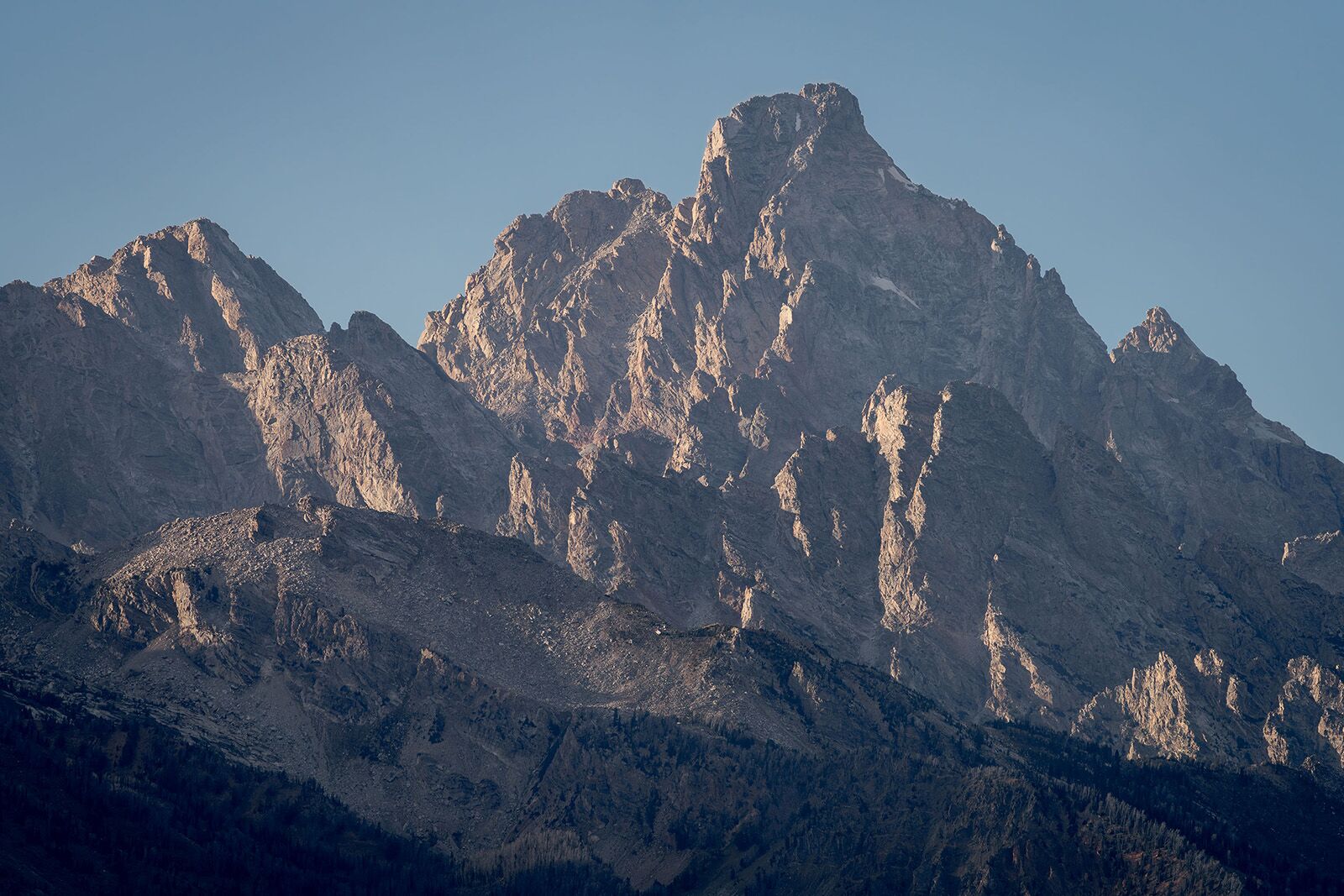
Logistically, the property is best accessed via the Jackson Hole Airport (JAC). As the only commercial airport in the United States located within a national park, the arrival itself is a sensory experience. For those arriving from further afield, Idaho Falls Regional Airport (IDA) is a two-hour drive, while Salt Lake City (SLC) is a five-hour trek. Travelers opting for the road trip from the south should be aware that the Teton Pass—a primary transit route—can be subject to closures due to extreme weather or avalanche control, making winter travel planning essential.
Implications for the Future of Hospitality
The rise of Hotel Yellowstone suggests a shifting appetite among high-end travelers. The modern luxury consumer is increasingly moving away from the "grand hotel" model—which can often feel impersonal and detached—toward a more intimate, boutique approach that prioritizes privacy, local expertise, and seamless integration with the environment.
By maintaining strict exclusivity and focusing on a personalized, concierge-led experience, the hotel has managed to capture the "ranch" ethos of Wyoming without sacrificing the amenities of a five-star property. As Jackson Hole continues to evolve as a year-round destination, Hotel Yellowstone stands as a testament to the fact that true luxury is no longer defined by how much a property offers, but by how well it connects its guests to the soul of the landscape. For the visitor, the result is a stay that feels less like a vacation and more like a return to a place that, despite its grandeur, feels remarkably like home.
 Laily UPN
  rifanmuazin
  Iffa Jayyana