
 By Iffa Jayyana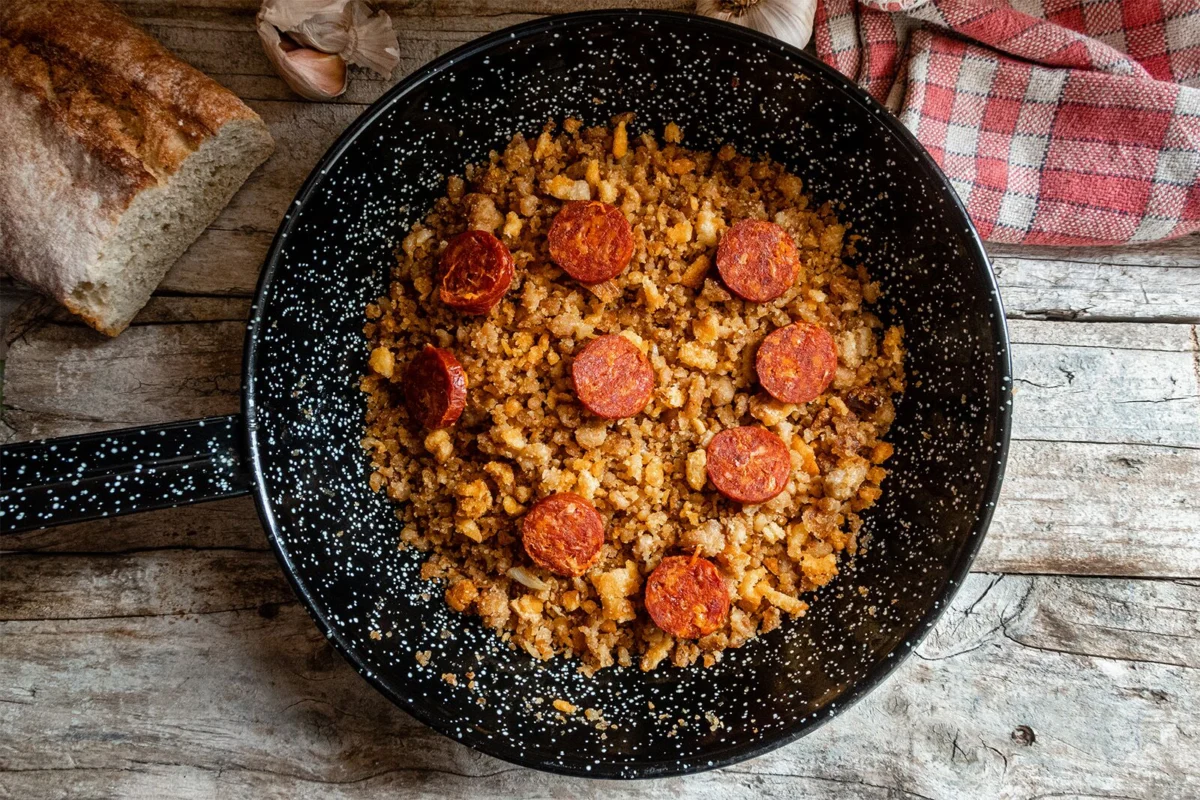
When travelers wander through the vibrant, bustling markets of Spain, they are greeted by an sensory tapestry that has become synonymous with the Mediterranean lifestyle: the sharp, nutty aroma of aged Manchego wheels, the glistening, velvet-red ribbons of jamón ibérico, the savory brine of anchovy tins, and the earthiness of dried peppers. To the modern consumer, these items are luxurious components of an upscale charcuterie board—treats to be savored with a glass of Tempranillo. Yet, beneath their polished, commercial appearance lies a more primal history. These delicacies were not born of culinary ambition or haute cuisine; they were born of necessity.
Before the advent of mechanical refrigeration, the preservation of food was not merely a hobby or a gourmet pursuit—it was a life-or-death struggle against spoilage. Every region in Spain faced unique environmental pressures, and the solutions devised by their ancestors did more than just prevent hunger; they codified the very essence of Spanish gastronomy.
The Chronology of Ingenuity: A Regional Breakdown
The development of Spain’s pantry was a centuries-long process of trial and error. From the rugged northern coast to the arid central plains and the sweltering southern reaches, the geography dictated the menu.
1. The Basque Shore: The Salted Legacy of the Cod
The Basque Country, hugging the tumultuous Bay of Biscay, has long looked to the sea for its survival. However, the bacalao (cod) that forms the backbone of Basque cuisine is not a local catch. It is a traveler.
Beginning in the 15th century, Basque mariners, fueled by ambition and the need for protein, sailed as far as the Grand Banks of Newfoundland and the icy waters of Iceland. Faced with the daunting task of keeping their catch edible during the months-long journey back to Europe, they turned to salt. While their Norse counterparts relied on the cold, dry air to dehydrate their fish, the Basques utilized the abundant salt mines of the Iberian Peninsula to create a cure that could withstand any climate. By the mid-1500s, this "gold of the sea" was the primary source of protein for much of Europe. Today, this tradition persists in iconic dishes like bacalao al pil-pil, where the collagen released from the rehydrated cod emulsifies with olive oil and garlic to create a silky, golden sauce.
2. Castile-La Mancha: The Bronze Age Cheese
South of Madrid, the dry, windswept plains of Castile-La Mancha present a landscape where sheep graze on sparse, hardy vegetation. Because milk—the primary product of these shepherds—is a highly perishable commodity, the need for transformation was immediate.
Archaeological evidence suggests that cheesemaking in this region dates back to the Bronze Age. By pressing sheep’s milk curds into woven esparto grass baskets, shepherds created a firm, dense product that could endure months of storage. This process left a distinct, zigzagging "pleita" pattern on the rind, a mark of authenticity that remains a hallmark of Manchego today. Through centuries of refinement, this survival tactic evolved into a tightly regulated Protected Designation of Origin (PDO), ensuring that the cheese produced today maintains the exact integrity of its prehistoric ancestors.
3. Andalusia: Defeating the Heat
In the southern province of Andalusia, the challenge was not just food spoilage, but the oppressive summer heat. Lighting a fire to cook meant turning a home into a furnace. The solution was a "no-cook" philosophy. Gazpacho, a chilled soup of tomatoes, cucumbers, peppers, stale bread, garlic, and oil, became the perfect antidote. Similarly, salmorejo from Córdoba utilized an even higher ratio of day-old bread to emulsify the soup into a creamy, satiating meal that required no stove. These dishes represent a triumph of Mediterranean resourcefulness, turning the simplest garden surplus into a cooling, nutritious daily ritual.
4. Extremadura: The Economy of Bread
In the agricultural heartland of Extremadura, bread was the lifeblood of the farmer. Because it was the most portable form of sustenance for those spending long days in the fields, bread was consumed in massive quantities. When the crusts inevitably turned rock-hard, wasting them was not an option. Migas (literally "crumbs") was the solution. By soaking these stale remnants and frying them with garlic, paprika, and bits of pork or chorizo, the Extremaduran people created a hearty, savory dish that remains a staple of the region’s rustic soul.
5. Santoña: The Italian-Spanish Anchovy Synergy
The history of the Cantabrian anchovy is a fascinating example of cross-cultural innovation. While local fishermen in Santoña had caught anchovies for generations, they were primarily consumed fresh. It wasn’t until the late 19th century, when Italian salters arrived looking for a higher-quality, fattier fish, that the canning industry was born. By marrying Italian curing techniques with the superior, nutrient-dense anchovies of the Bay of Biscay, Santoña transformed from a sleepy fishing village into the anchovy capital of the world.
Supporting Data: The Science of Preservation
The success of these food traditions is grounded in fundamental food science. The "Four Pillars" of traditional Spanish preservation—salt, oil, time, and heat-management—all serve to inhibit the growth of pathogenic bacteria.
- Salt (Osmotic Pressure): In both cod and anchovies, salt draws moisture out of the cellular structure of the protein. This reduction in "water activity" makes the environment inhospitable for microbes, effectively pausing decay.
- Oil (The Sealant): Olive oil acts as an anaerobic barrier. By submerging foods like garlic or fish in oil, cooks prevent oxygen exposure, which would otherwise lead to oxidative rancidity.
- Lactic Acid Fermentation: In the case of Manchego, the process of acidification through bacterial cultures—combined with the reduction of moisture—creates an environment where only "good" bacteria thrive, resulting in a shelf-stable product that can be aged for up to two years.
Official Perspectives: The Value of Heritage
The Spanish government and various regional culinary boards have invested heavily in protecting these methods. The establishment of "Protected Designation of Origin" (PDO) and "Protected Geographical Indication" (PGI) statuses is not merely about branding; it is an effort to prevent the dilution of heritage.
According to representatives from the Consejo Regulador de la Denominación de Origen Queso Manchego, the strict enforcement of the casein label system is vital. "These labels are not just for marketing," says a spokesperson. "They are a certification of time, labor, and history. When a consumer buys a wheel of Manchego, they are participating in a lineage that dates back to the era of Cervantes and beyond."
Similarly, the Cofradía de Pescadores in Santoña emphasizes that the industry’s survival depends on sustainable, traditional practices. By limiting the catch size and adhering to the traditional salting calendar, they ensure that the anchovy population remains robust, protecting both the environment and the local economy.
Implications: The Modern Gastronomic Landscape
The globalization of the food supply chain has made these once-regional survival foods available at any local grocery store. While this accessibility is a boon for the home cook, it brings with it the risk of losing the "sense of place."
There is a profound difference between consuming a piece of mass-produced, industrial "Manchego-style" cheese and tasting a genuine, PDO-certified Manchego in the heart of La Mancha. The latter carries the flavor of the soil, the history of the sheep, and the weight of the tradition that saved it from the trash heap of history.
As we move toward a future of increasingly processed foods, the enduring popularity of these five Spanish staples offers a lesson in sustainability. They remind us that the most delicious foods are often those that require the least waste. By choosing to engage with these products—not just as items on a charcuterie board, but as storied relics of human ingenuity—we honor the generations of fishermen, shepherds, and farmers who turned the struggle for survival into an art form.
Whether it is the creaminess of a bowl of salmorejo in a sun-drenched Andalusian courtyard or the intense, saline punch of a Santoña anchovy paired with a crisp local white wine, these foods invite us to slow down. They ask us to taste the time, the salt, and the ingenuity that built a nation’s culinary identity. Ultimately, the greatest souvenir one can bring back from Spain is not a trinket, but a new appreciation for the humble origins of the food on our plates.
 Siti Muinah
  Jia Lissa