
 By rifanmuazin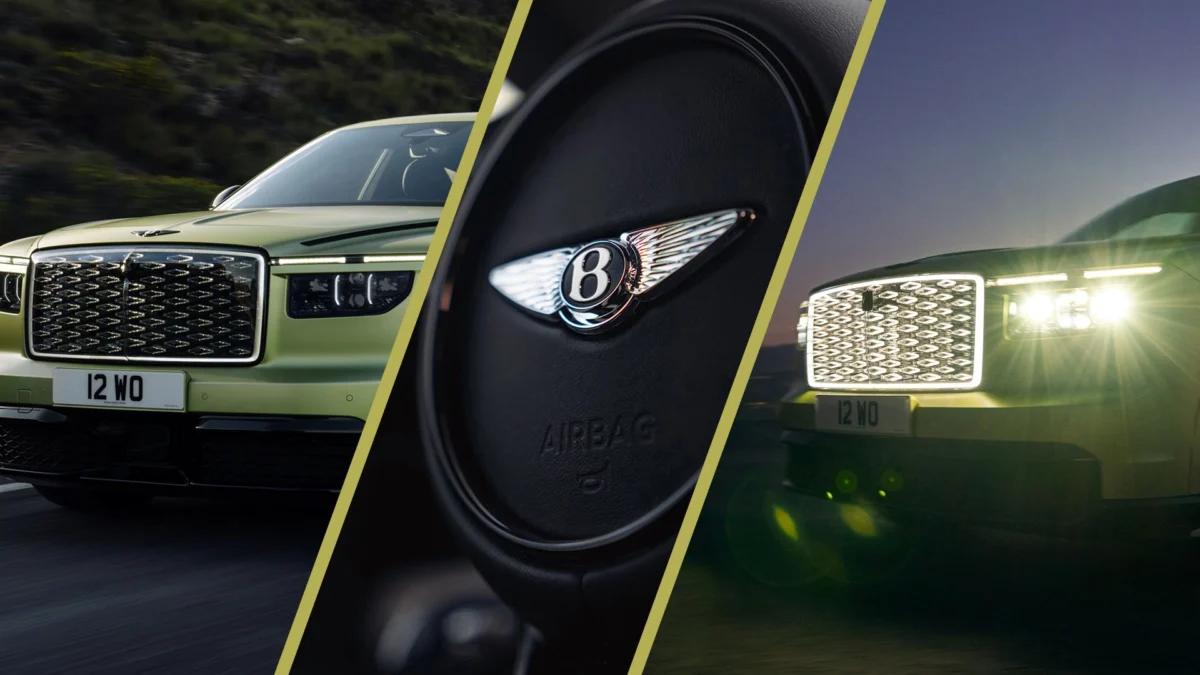
In the high-stakes world of automotive luxury, the transition to electrification has become a crucible for heritage brands. Recently, the industry has witnessed a series of high-profile design pivots that have polarized enthusiasts and critics alike. From the abrasive discourse surrounding Jaguar’s recent brand reinvention to the skepticism directed at Jony Ive’s vision for the Ferrari Luce, the move toward battery-electric vehicles (BEVs) has frequently felt like a war on tradition.
Yet, amidst this turbulence, the Bentley Torcal has emerged as a beacon of stability. By eschewing the "burn it all down" approach favored by its contemporaries, Bentley has managed to introduce its first fully electric vehicle without inciting a storm of public outcry. The question is no longer just about the technical prowess of the car, but rather a profound inquiry into branding: Did Bentley succeed where others stumbled by playing it safe, or have they discovered the secret to evolving luxury in the post-combustion era?
A Strategic Departure from "Tabula Rasa" Branding
The primary factor insulating the Bentley Torcal from the controversy that dogged Jaguar and Ferrari is its refusal to abandon its lineage. Where Jaguar opted for a radical, disruptive rebrand—effectively attempting to sever ties with its past to appeal to a new, younger demographic—Bentley has chosen a path of continuity.
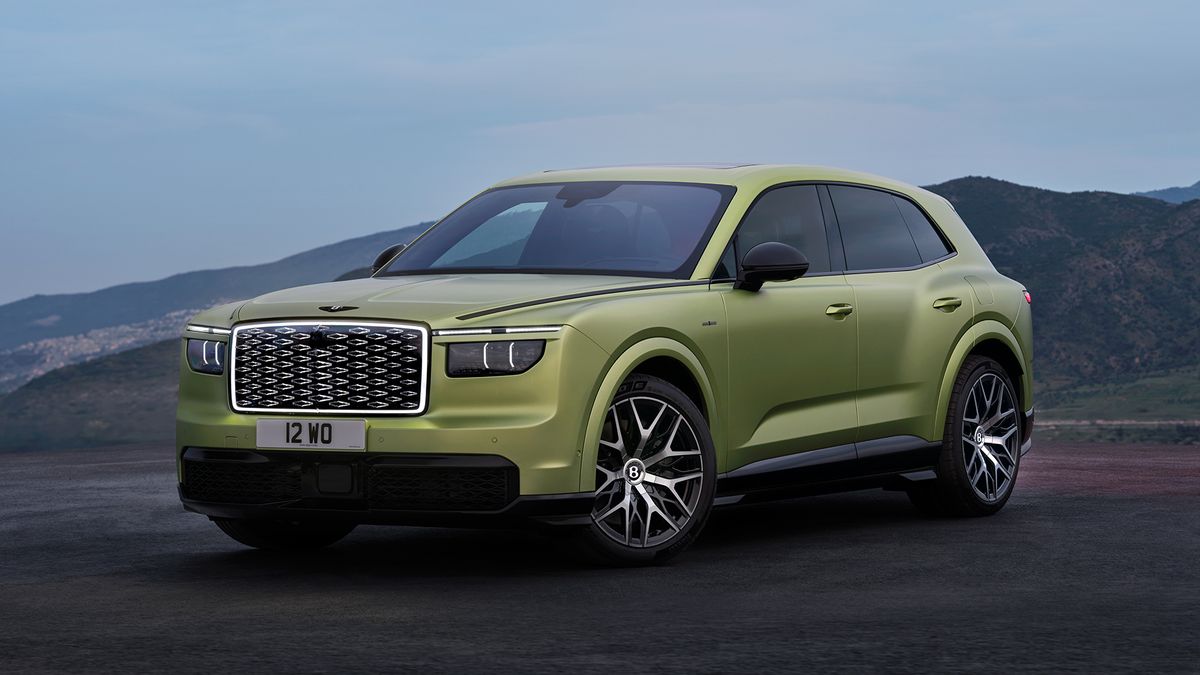
Bentley’s strategy is rooted in the philosophy that its customers do not buy a car for the powertrain alone; they buy it for the brand’s established identity, which centers on craftsmanship, British heritage, and an unwavering sense of occasion. When the Torcal was unveiled, it did not feel like an alien intruder in the Bentley lineup. It felt like a Bentley that simply happened to be electric.
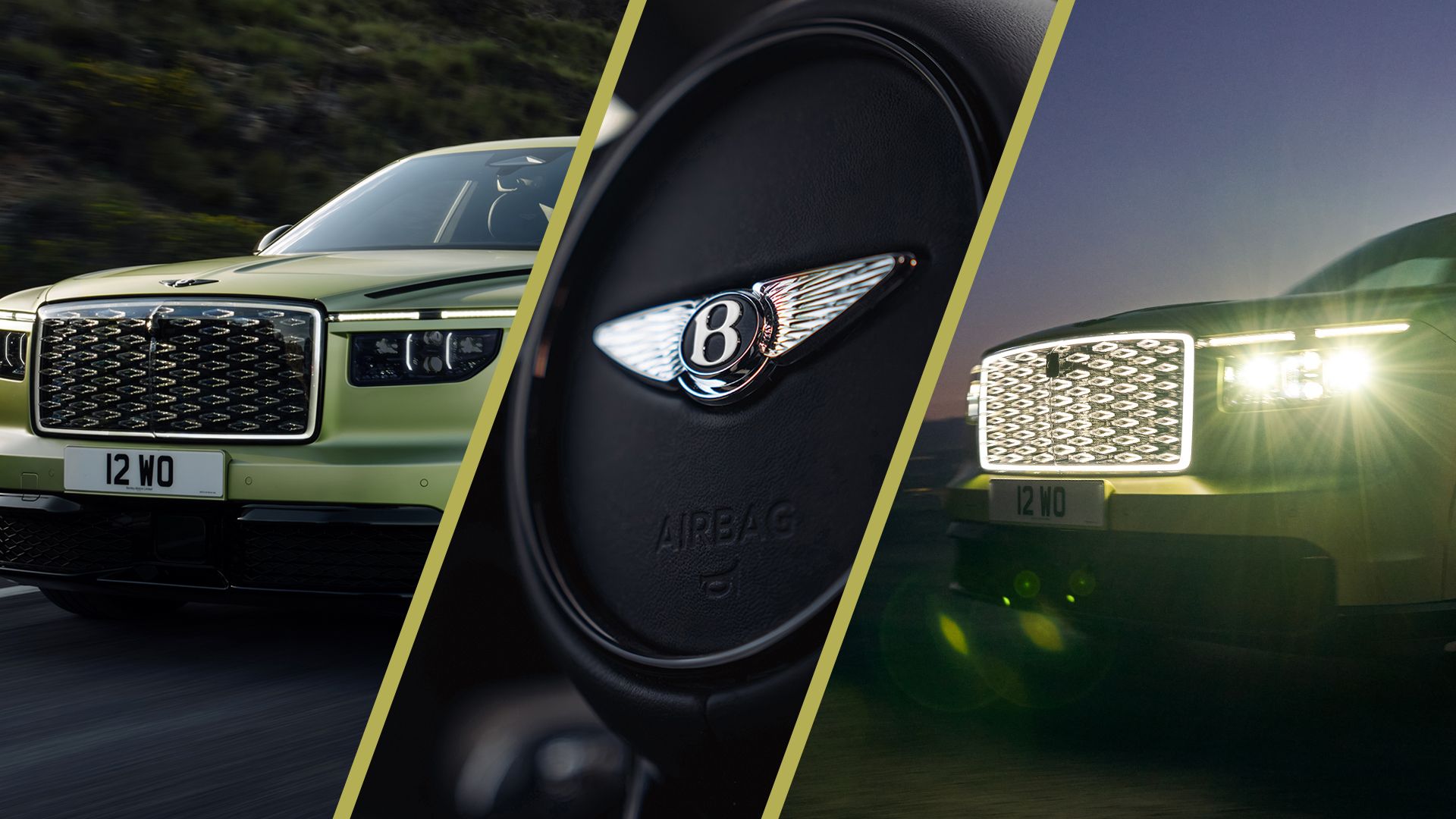
"Our goal was not to create a new design language, but to build another great Bentley," explained Design Director Robin Page. His team’s directive was clear: embrace the DNA of the brand and project it into a modern, progressive future rather than discarding the history that defined it.
Chronology of the Torcal’s Development
The journey toward the Torcal began long before its public debut. Bentley’s internal roadmap for electrification was meticulously paced to ensure that the transition did not feel abrupt to their core customer base.
- 2020-2022: The Conceptual Phase: Bentley initiated its "Beyond100" strategy, focusing on sustainable luxury. During this period, the design team experimented with various silhouettes, ensuring that the signature "Bentley look"—the long hood, the powerful rear haunches, and the upright, authoritative grille—could be translated into an electric architecture.
- 2023: The Integration of EV Technology: The team successfully mapped the high-voltage drivetrain onto the classic Bentley proportions. This was the critical moment where they decided against creating a "jellybean" aerodynamic shape, opting instead to retain the muscular aesthetic that signifies power and status.
- 2024: Refinement and Sensory Design: The focus shifted to the interior and the "sound" of the car. Recognizing that silence can sometimes feel "cold" in a luxury cabin, engineers and musicians began developing the "Bentley Dynamic Symphony."
- September 2026: The Official Reveal: The Torcal was unveiled to the public, accompanied by a modest, iterative update to the brand’s iconic logo, signaling that the company was evolving rather than resetting.
Engineering Excellence: The Numbers Behind the Luxury
While luxury branding is inherently emotional, the Torcal does not shy away from the competitive demands of the electric performance market. The vehicle boasts headline-grabbing statistics that place it firmly in the ultra-luxury tier.
The Torcal is propelled by a powertrain capable of delivering 876 horsepower and a staggering 996 lb-ft of torque. These figures ensure that the car maintains the effortless, locomotive-like acceleration that Bentley owners expect from a W12 or V8 engine. However, the engineering team was careful to tune this performance for "effortless speed" rather than the jarring, neck-snapping acceleration often found in entry-level performance EVs. The torque, drawing from the same Latin root as the car’s name—torquere—is delivered with a linearity that mimics the grand touring capabilities of the brand’s heritage vehicles.
The Grille Controversy: Bling or Necessity?
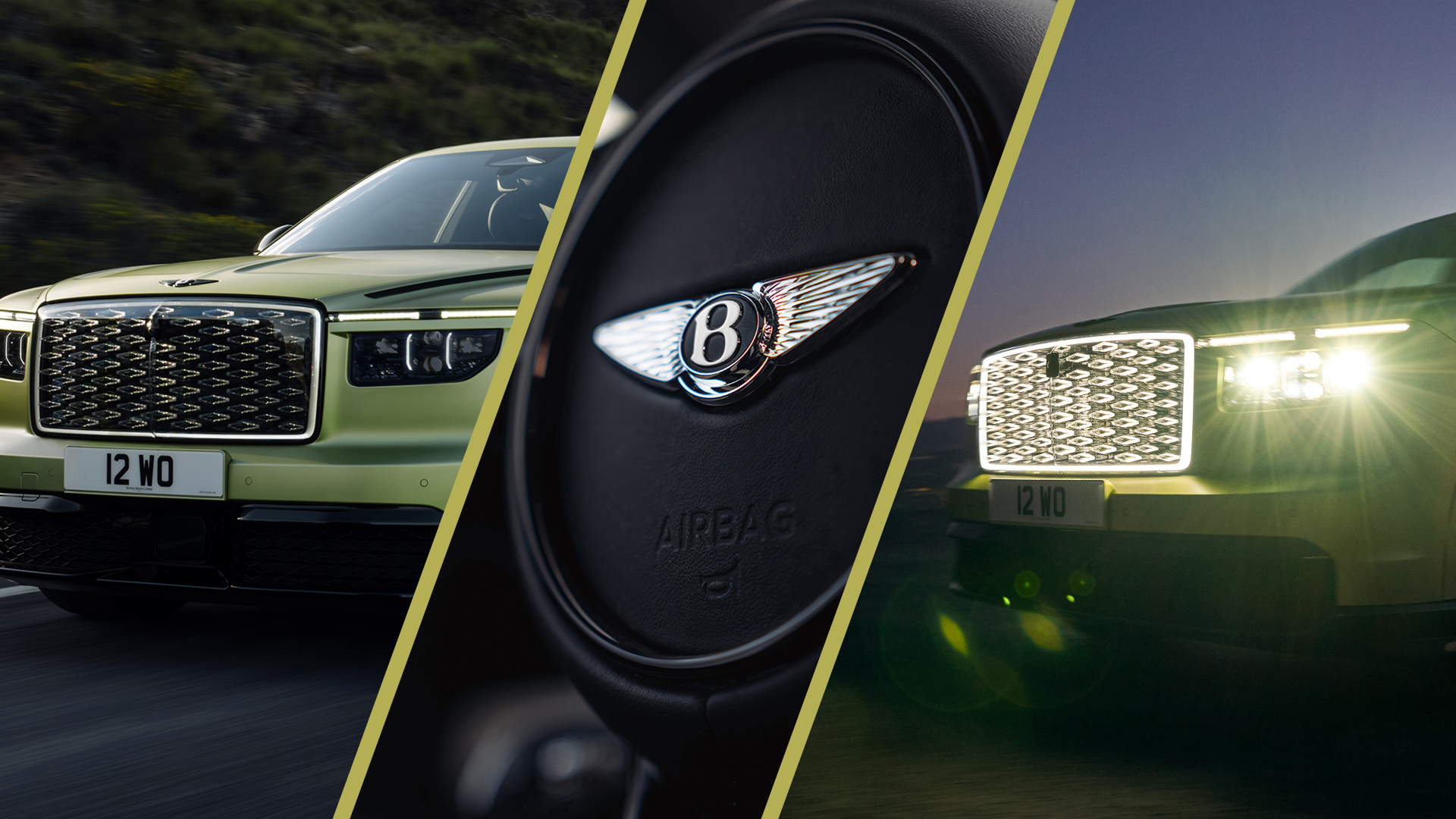
Perhaps the most debated feature of the Torcal is its front grille. In an EV, where traditional radiator cooling is largely obsolete, the presence of a massive, illuminated diamond-pattern grille is a bold design choice.
Critics argue that a "fake" grille is an uninspired remnant of the past. However, from a branding perspective, the grille is a critical touchpoint. It provides an immediate, subconscious signal to the observer that "this is a Bentley." By opting for an illuminated design, the brand has transformed a functional necessity into a signature night-time feature. It bridges the gap between the traditional, analog world of automotive design and the high-tech, neon-infused reality of modern EV aesthetics. It is a calculated piece of "bling" that serves to maintain instant brand recognition while offering a nod to the future.
Sensory Craftsmanship: Defying the "Digital Cold"
One of the most common complaints regarding modern electric vehicles is the "iPad-on-wheels" interior aesthetic, where physical buttons are replaced by touchscreens, and materials are swapped for cold plastics or synthetic alternatives.
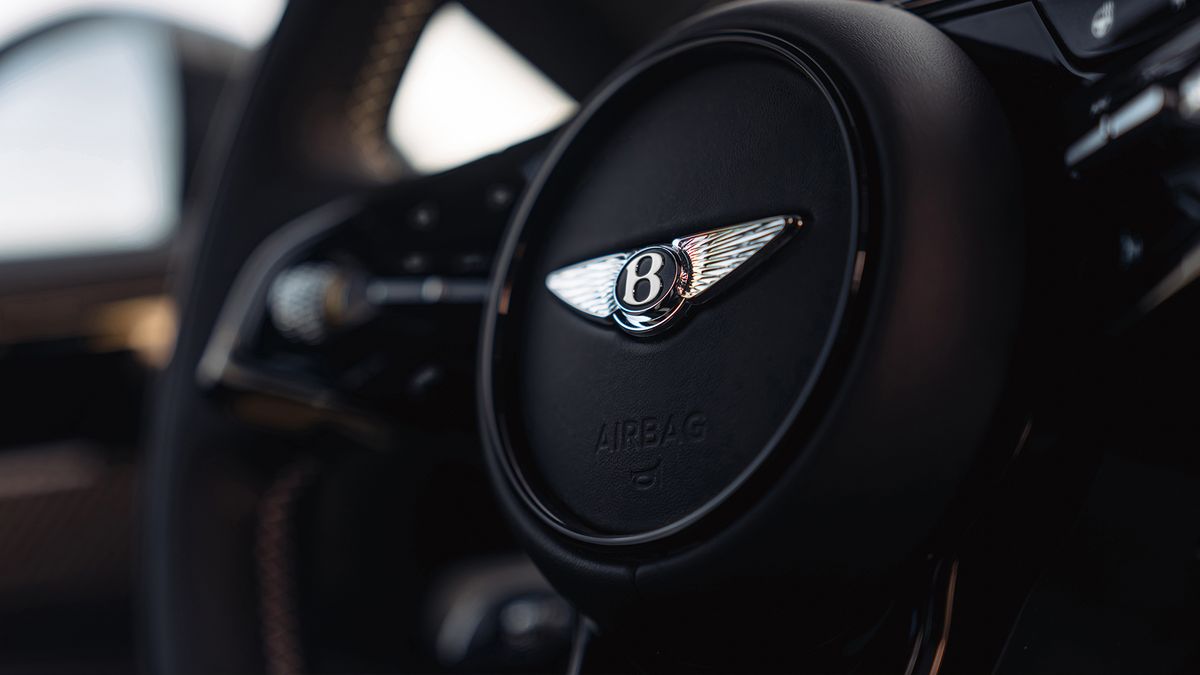
Bentley has taken a diametrically opposed approach with the Torcal. The interior remains a bastion of tactility. Drivers are greeted by heavy, cold-to-the-touch metal controls, premium wool upholstery, and sustainably sourced wood veneers. By minimizing the reliance on excessive screens, Bentley has successfully avoided the sterile, clinical feeling of its competitors.
The most daring aspect of this sensory design is the "Bentley Dynamic Symphony." Acknowledging that the removal of an internal combustion engine removes a vital part of the car’s soul, Bentley commissioned a team of musicians to compose a synthetic soundscape. Using organic instruments—drums, viola, and bass guitar—the team created a driving soundtrack that mimics the visceral experience of a V8 engine. It is not an attempt to trick the driver into thinking they are in a gas car; rather, it is a deliberate "feature" that acknowledges the emotional importance of sound in the driving experience.
Implications for the Ultra-Luxury Market
The success of the Torcal carries significant implications for the wider automotive industry. It suggests that for legacy brands, the path to electrification is not through reinvention, but through translation.
The "Jaguar approach"—stripping away the old to make room for the new—carries an inherent risk of alienating the customer base that built the brand’s equity. Bentley’s success proves that it is possible to modernize a brand’s powertrain while keeping its soul intact. This is particularly vital for ultra-luxury manufacturers, where the purchase is often an expression of personal history and status.
Furthermore, the Torcal demonstrates that the "luxury" in electric vehicles is not defined by the size of the battery or the speed of the software, but by the preservation of human-centric design. By focusing on physical tactility and auditory emotion, Bentley has created a benchmark for what a luxury EV should be.
Conclusion: The Path Forward
The Bentley Torcal represents a triumph of design discipline. By resisting the urge to follow industry trends toward minimalism and digital-only interfaces, the brand has secured its relevance for a new generation of buyers without sacrificing its heritage.
Whether the Torcal will ultimately convince the most ardent petrolheads to plug in remains to be seen. However, as the automotive world continues to grapple with the seismic shifts brought on by the electric revolution, Bentley has provided a blueprint for how to transition with grace, confidence, and a deep respect for the legacy that came before. The Torcal is not just a car; it is a declaration that the future of luxury does not have to look, feel, or sound entirely different—it just has to be better.
 Lina Hope
  Neng Nana
  Iffa Jayyana