
 By Neng Nana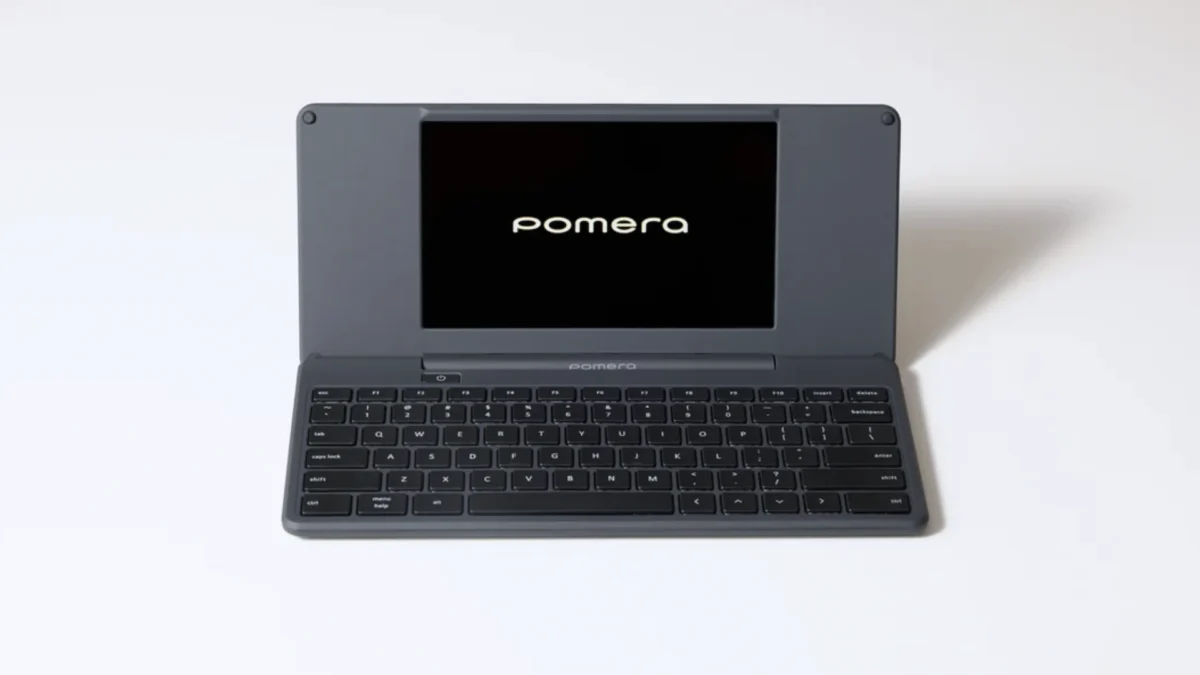
In an era defined by constant connectivity, notification fatigue, and the relentless pull of the algorithmic feed, the act of writing has become increasingly fragmented. For many, the laptop—once the pinnacle of productivity—has evolved into a digital gauntlet of open tabs, Slack pings, and the siren call of social media. Into this chaotic landscape enters the Pomera DM250, a dedicated digital typewriter from Japan that promises to return the writer to the only thing that truly matters: the words on the screen.
While it may look like a relic to the uninitiated, the Pomera DM250 is arguably the most sophisticated "dumb" device on the market today. It represents a growing movement toward intentional technology, where hardware is designed not to keep you engaged, but to help you finish your work and move on.
The Evolution of the Digital Typewriter
The concept of the "digital typewriter" is not new, yet it has remained a niche pursuit for those who prioritize output over connectivity. For years, the space was dominated by the Freewrite Traveler, a device that captured the imagination of novelists and journalists alike. However, the Traveler faced significant criticism, particularly regarding its e-ink display, which suffered from a sluggish refresh rate that many found jarring during rapid-fire drafting.
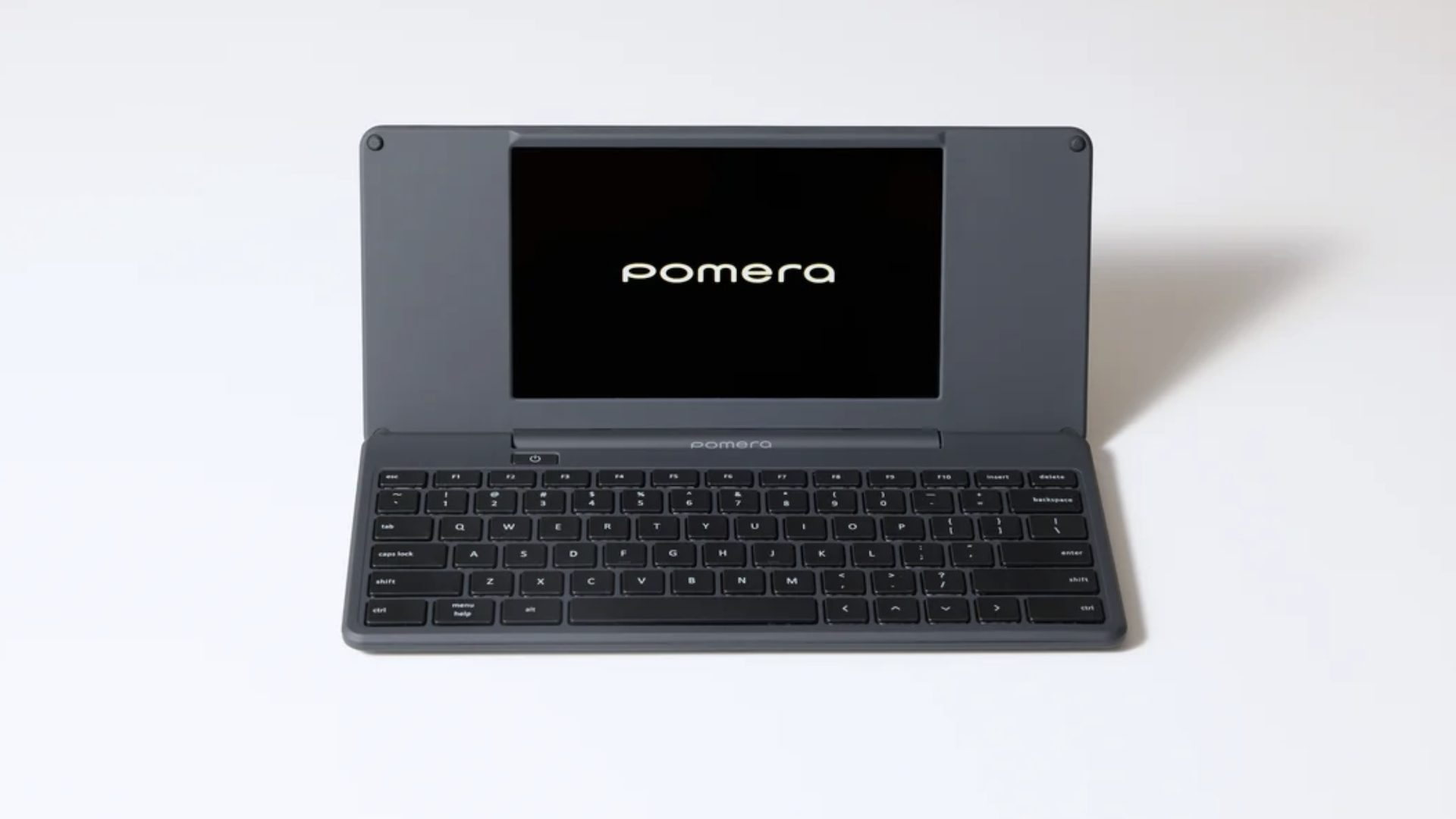
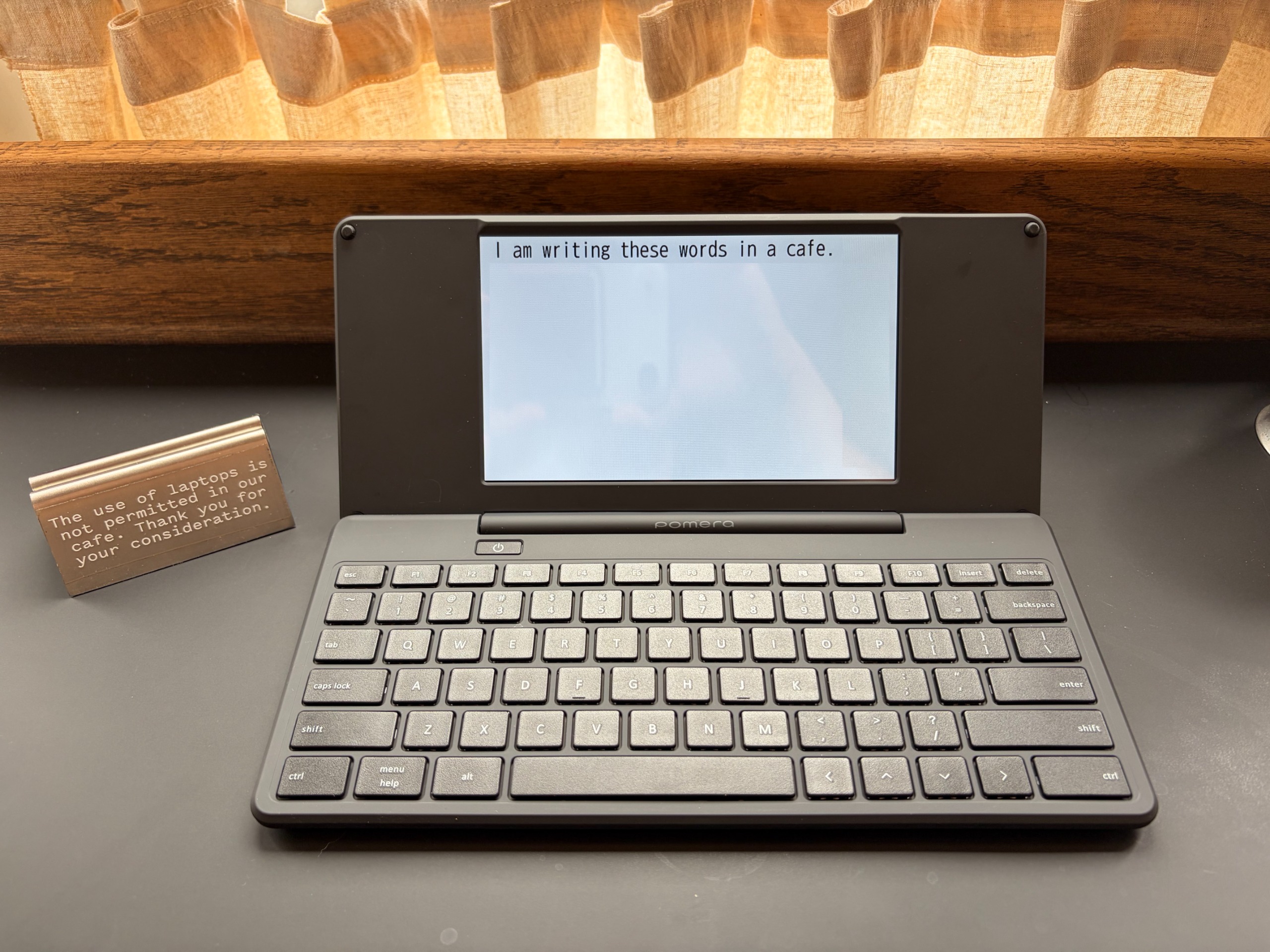
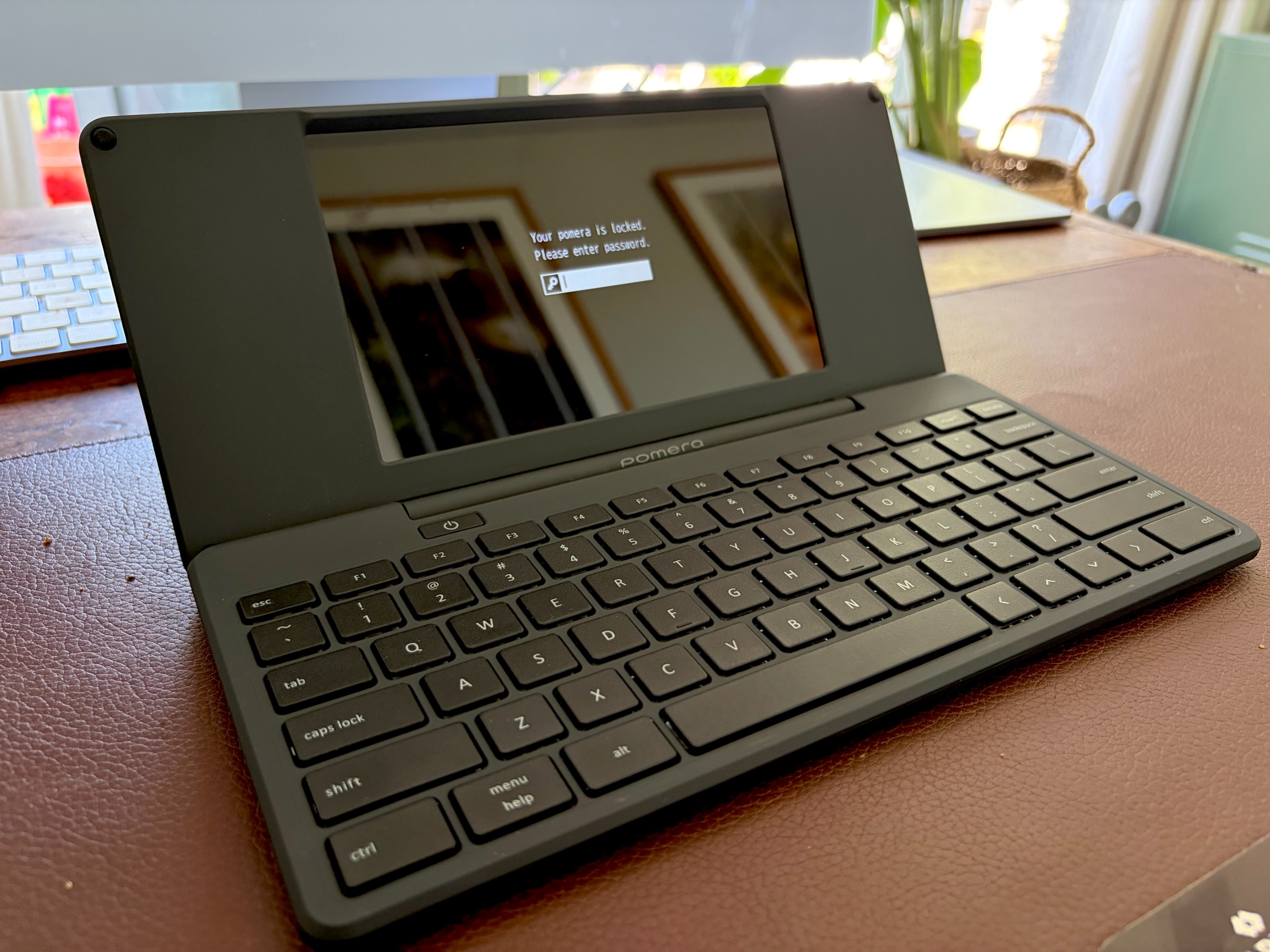
The Pomera DM250 distinguishes itself by opting for a crisp, high-resolution LCD display. The result is a writing experience that feels immediate and responsive. There is no "ghosting" or lag; as your fingers strike the keys, the characters appear instantly. It is a machine designed for the flow state, stripping away the friction of modern operating systems to provide a clean, uncluttered canvas.
A Chronology of the Minimalist Movement
The surge in popularity of devices like the Pomera DM250 did not happen in a vacuum. It is the culmination of a decade-long shift in consumer sentiment regarding digital well-being.
- 2014–2016: The rise of the "distraction-free" software movement, characterized by apps like OmmWriter and FocusWriter, which blocked access to the internet to help writers concentrate.
- 2018–2020: The "Digital Detox" trend gains mainstream traction. As screen time statistics become more alarming, users begin seeking hardware alternatives to their smartphones.
- 2021–2022: The "Dumbphone" renaissance. Enthusiasts begin trading in iPhones for minimalist devices like the Light Phone, prioritizing functionality over feature bloat.
- 2023–2024: The current "Single-Use" era. Products like the reMarkable paper tablet and the Pomera DM250 are no longer viewed as eccentric hobbies but as essential tools for professionals seeking to reclaim their cognitive bandwidth.
The DM250 stands at the intersection of this cultural pivot. It acknowledges that if you want to write a book, a long-form article, or a screenplay, the worst possible environment is one where you can also check your email or browse the latest news.
Anatomy of the Device: Form and Function
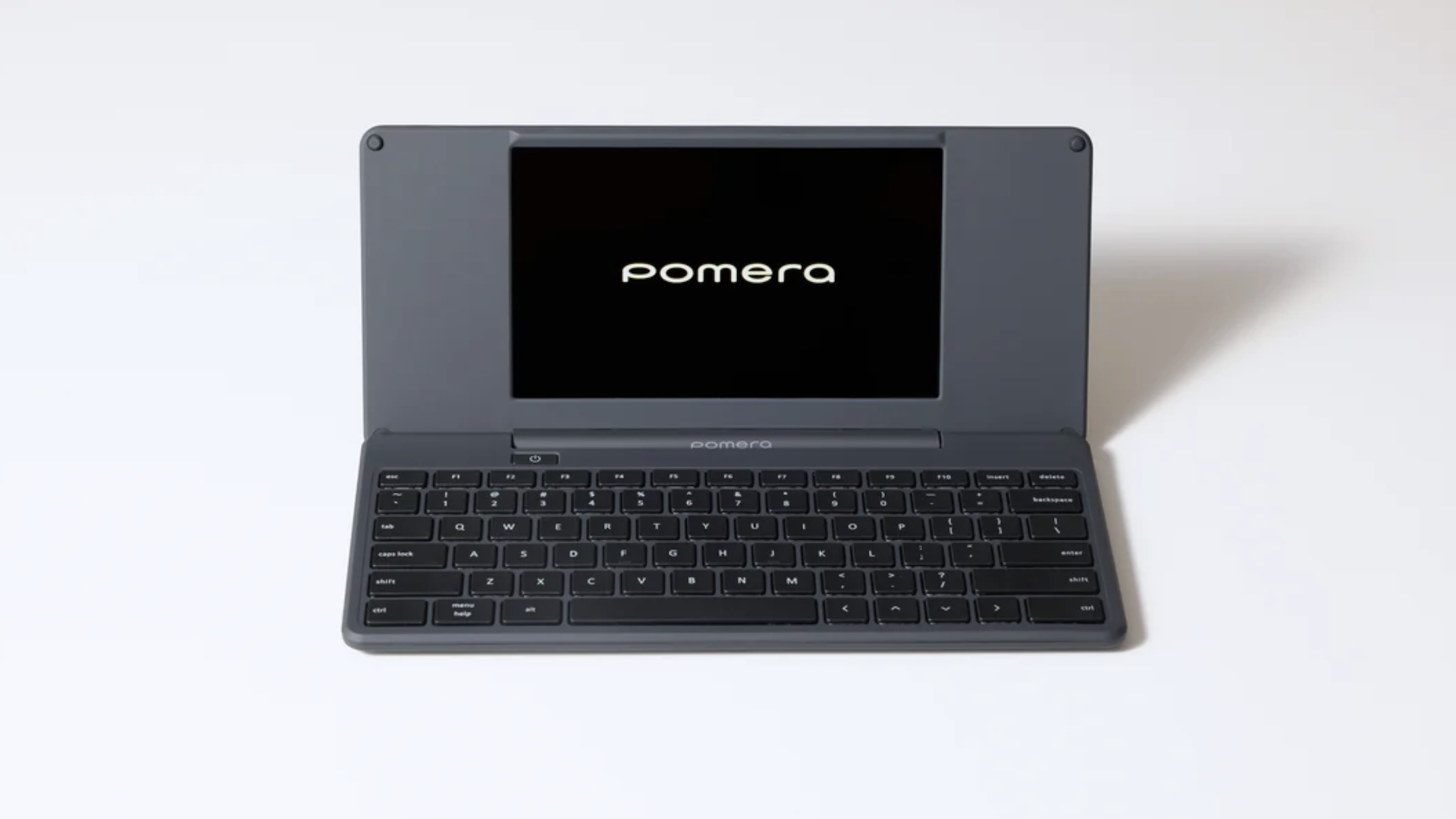
The physical design of the Pomera DM250 is a masterclass in portable engineering. It employs a clever clamshell design that unfolds into a full-sized, surprisingly tactile keyboard. While it lacks the mechanical "click" of a traditional Cherry MX keyboard, it offers a level of resistance and responsiveness that makes long-form typing not just bearable, but enjoyable.
The Software Philosophy
The software powering the DM250 is refreshingly austere. It is, at its core, a word processor and a file management system. There is no web browser, no email client (in the traditional sense), and no social media integration. The device does include Wi-Fi functionality, but it is strictly limited to file transfer and emailing drafts to oneself—a "digital leash" that allows you to get your work off the device without inviting the internet onto it.
Learning Curve
Because the device lacks a graphical user interface (GUI) in the modern sense, it relies on a series of keyboard shortcuts for navigation and text editing. New users might find this intimidating at first, but much like learning to use a mechanical watch or a manual camera, these shortcuts quickly become muscle memory. Within a few hours of use, the device ceases to be a piece of hardware and starts to feel like an extension of the writer’s hands.
Supporting Data: The Cost of Interruption
Scientific studies consistently show that "task-switching"—the act of moving between a writing document and a browser window—carries a significant cognitive tax. Researchers at the University of California, Irvine, have noted that it takes an average of 23 minutes to regain deep focus after a single interruption.
For a writer, this means that every time a notification pops up, they are not just losing the seconds it takes to check the alert; they are losing the "flow state" that allows for creative synthesis. The Pomera DM250 acts as a physical barrier against these interruptions. By providing a dedicated space for writing, it reduces the mental effort required to stay on task, effectively lowering the barrier to entry for deep work.
Official Responses and Industry Reception
While manufacturers like Pomera (a brand under King Jim) have remained relatively quiet in the Western media landscape, the response from the design and writing community has been vociferous. Critics have praised the DM250 for its build quality, noting that it feels like a professional tool rather than a toy.
However, the elephant in the room remains the price point. Retailing at approximately $549, the DM250 is a significant investment. For the casual hobbyist, this price tag is a barrier. But for the professional writer, the device is being positioned as a "capital expense" for their craft—an investment in productivity similar to a high-end camera for a photographer or a professional-grade mixer for a chef.
Implications for the Future of Productivity
The success of the Pomera DM250 and similar devices suggests a growing fatigue with "all-in-one" computing. We have spent twenty years trying to make our devices do everything, and in the process, we have made them worse at doing the one thing they were originally designed for: enabling human intent.
The rise of single-use devices suggests that the next generation of productivity tools will be defined by their limitations rather than their capabilities. By intentionally limiting what a device can do, manufacturers are providing users with the one commodity that is becoming increasingly scarce: focus.
Conclusion: Is It Worth the Investment?
The question for any potential buyer is simple: What is your focus worth? If you find yourself constantly battling the urge to check your inbox while working on a draft, the Pomera DM250 is more than just a keyboard and screen; it is a dedicated sanctuary for your thoughts.
It is a reminder that in an age of infinite digital complexity, sometimes the most sophisticated solution is the simplest one. By removing the world from your screen, the Pomera DM250 allows you to finally see what you’re actually trying to say. Whether you are a novelist, a journalist, or simply someone who misses the quiet of a focused page, this device offers a compelling argument that when it comes to technology, less really can be more.
 Lina Hope
  rifanmuazin
  Iffa Jayyana