
 By Layla Zulfa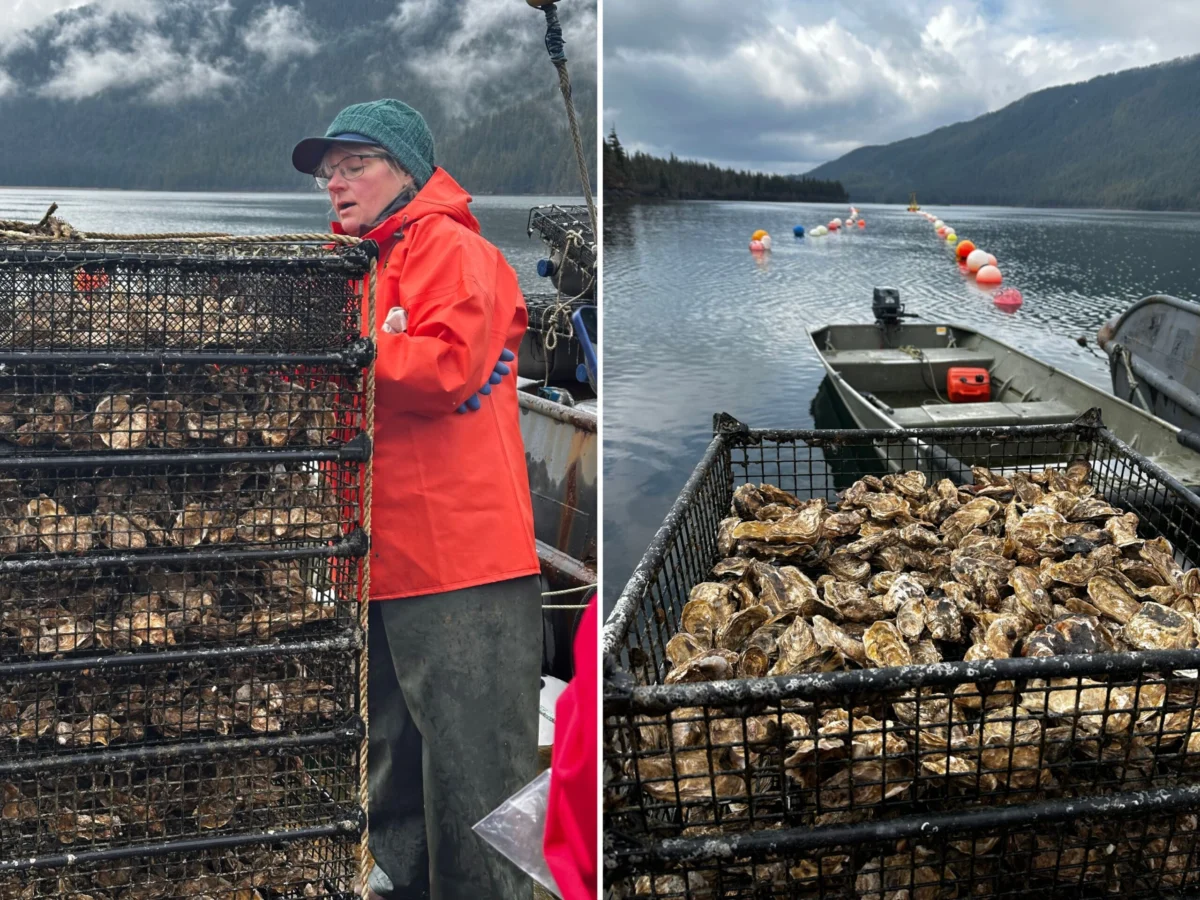
In the remote, mist-shrouded reaches of Prince William Sound, a quiet revolution is taking place beneath the surface of the icy, nutrient-rich waters. As Alaska’s storied wild salmon industry grapples with the cascading effects of climate change and fluctuating fish stocks, a new generation of mariculture farmers is looking toward the tide for a more sustainable future.
In Cordova, a town physically isolated from the mainland and often overlooked by the casual tourist, a small but determined group of entrepreneurs is building a regenerative industry centered on two unsung heroes of the North: sugar kelp and oysters. For these farmers, the ocean is not just a place to catch a living—it is a garden to be cultivated, a ecosystem to be restored, and a buffer against the economic uncertainty that has long plagued traditional fishing communities.
The Main Facts: A Shift from Wild Catch to Regenerative Farming
The shift toward mariculture in Alaska represents a fundamental change in how the state views its marine resources. For decades, the narrative of Alaskan seafood was defined almost exclusively by the wild salmon run. However, as warming waters and shifting migratory patterns threaten the stability of the salmon harvest, the rise of kelp and oyster farming offers a form of "economic diversification."
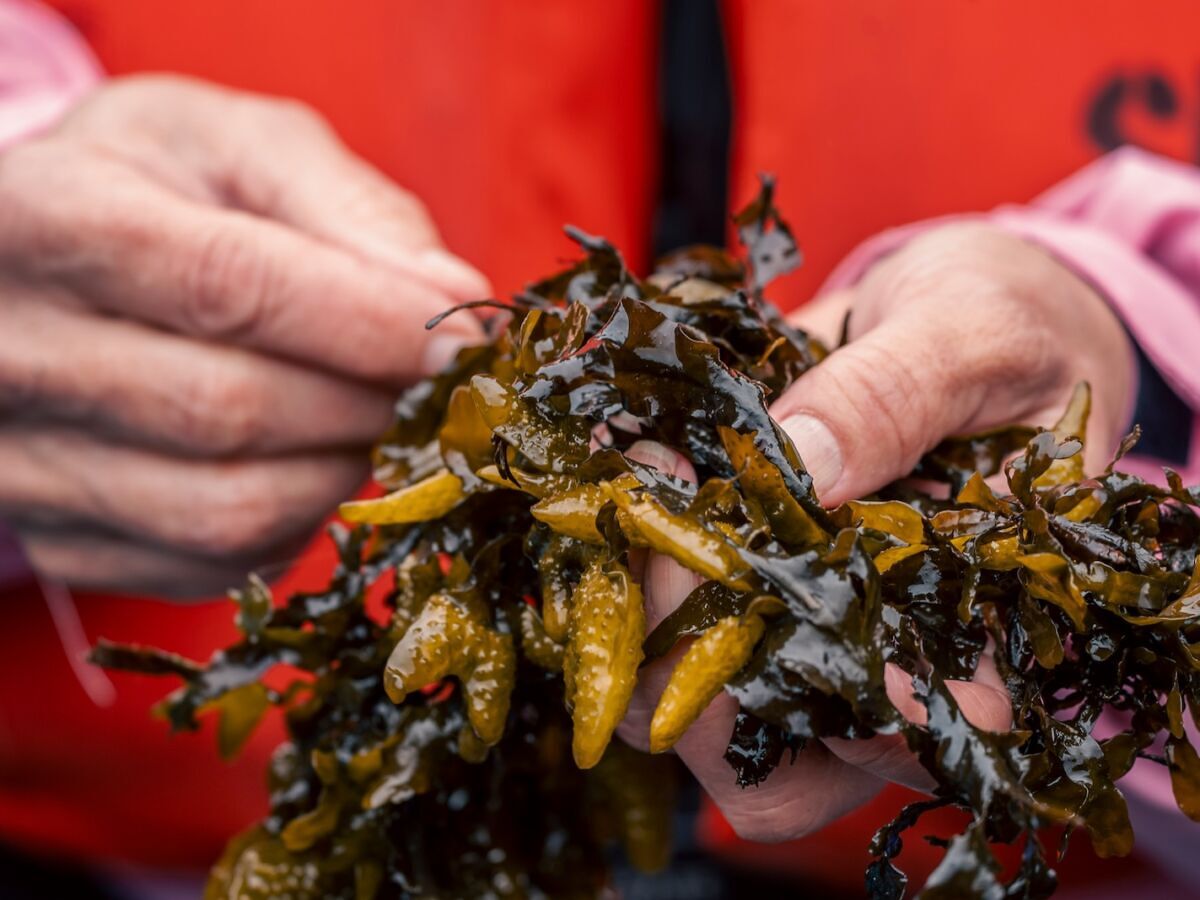
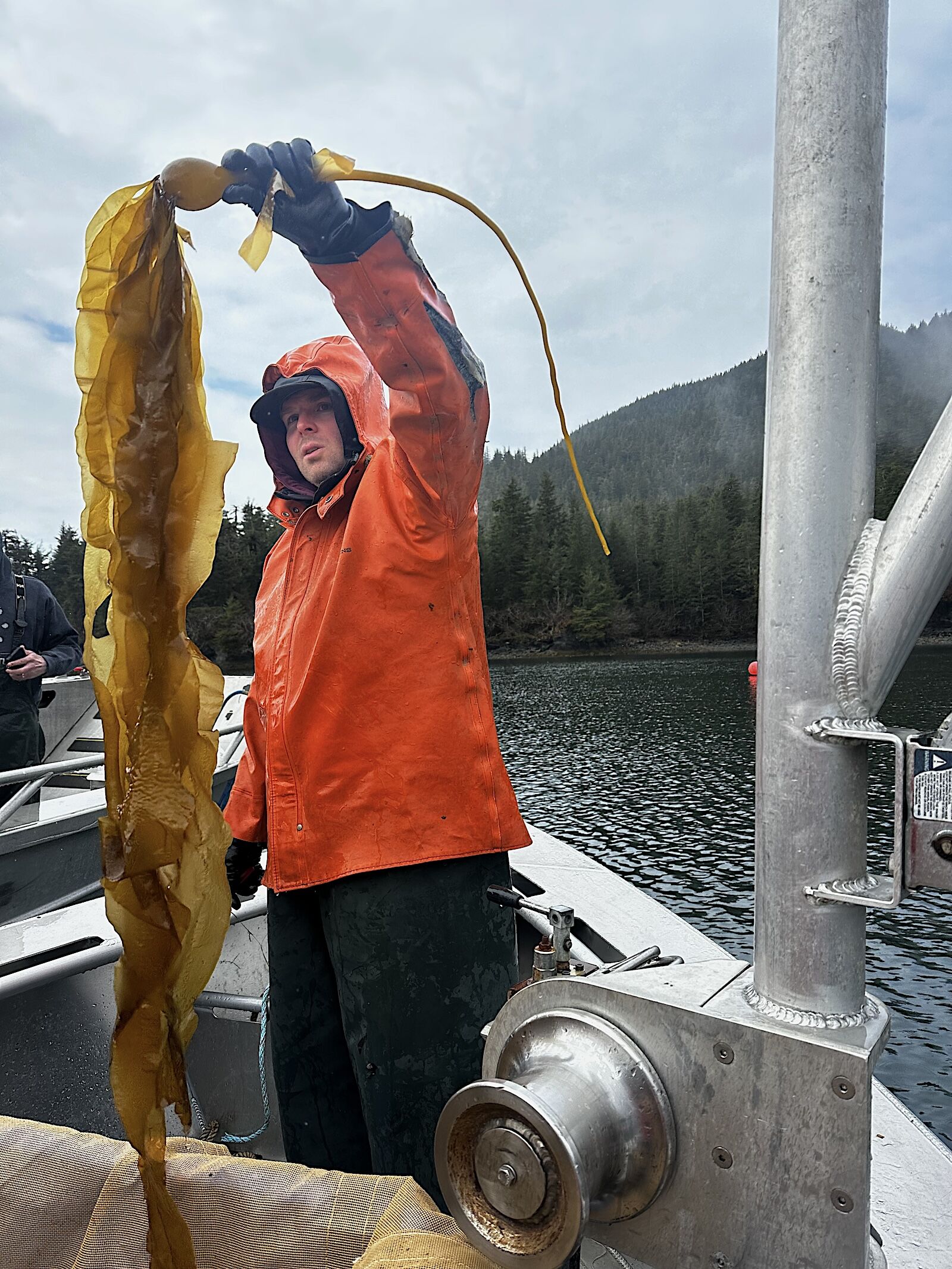
Kelp, a zero-input crop, is perhaps the most promising element of this transition. It requires no fresh water, no land, and no synthetic fertilizers. Instead, it actively sequester carbon and filters nitrogen from the marine environment, providing critical habitat for juvenile fish and invertebrates. Similarly, oyster farming in the cold, pristine waters of Prince William Sound has become a symbol of high-end, sustainable aquaculture, producing shellfish with a distinct, briny, and umami-rich profile that rivals any in the world.
A Chronology of Growth: From Resilience to Harvest
The development of this industry has been anything but linear. The journey of these farmers is marked by trial, error, and an unwavering commitment to the water.
- 2019: Seawan Gehlbach, a former biologist with the Alaska Department of Fish and Game, launches the Simpson Bay Oyster Company. Driven by a desire to remain connected to the water, she begins the challenging process of mastering aquaculture in an environment where local residents are historically skeptical of non-wild-caught seafood.
- 2020: Sean and Skye Den Adel establish Noble Ocean Farms, with a mission to integrate sustainable kelp production into the local ecosystem. Their early years are defined by the "trial-and-error" reality of the industry, as they navigate the complexities of state permitting and the harsh environmental realities of glacial runoff and freezing bays.
- 2021-2023: The "learning phase" for the industry. Farmers across the Sound refine their techniques for line suspension, processing, and navigating the unpredictable spring weather. They begin to form a collective identity, sharing knowledge on everything from the temperamental growth cycles of ribbon kelp to the logistics of getting their products to market.
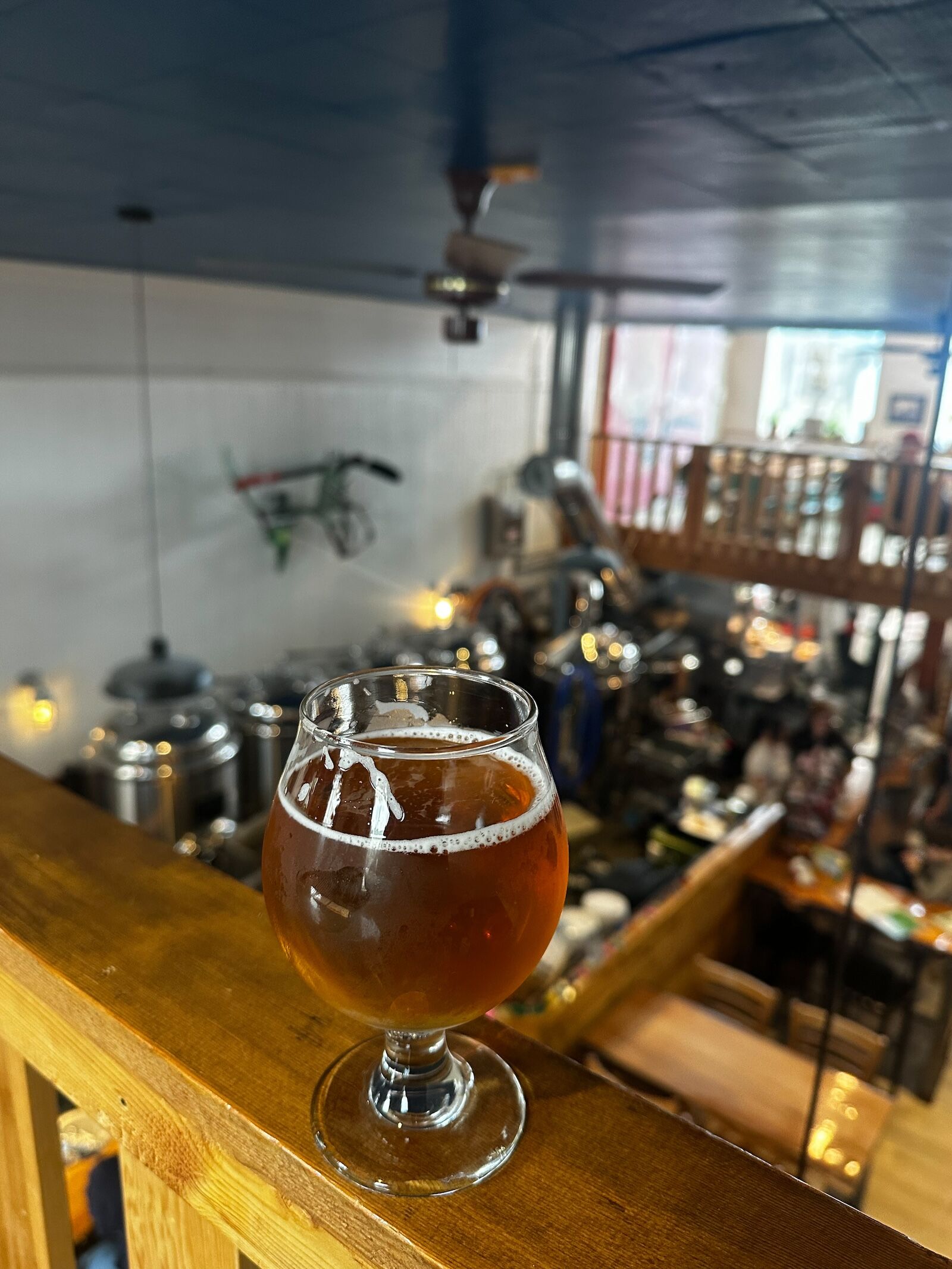
- May 2026: The industry hits a maturation point. Farmers like Thea Thomas and Cale Hershcleb of Royal Ocean Kelp Co. are now fully integrated into the local economy, collaborating with local businesses like Copper River Brewing and Baja Taco to create a "circular" culinary experience that draws visitors to the region.
Supporting Data: The Anatomy of a Kelp Harvest
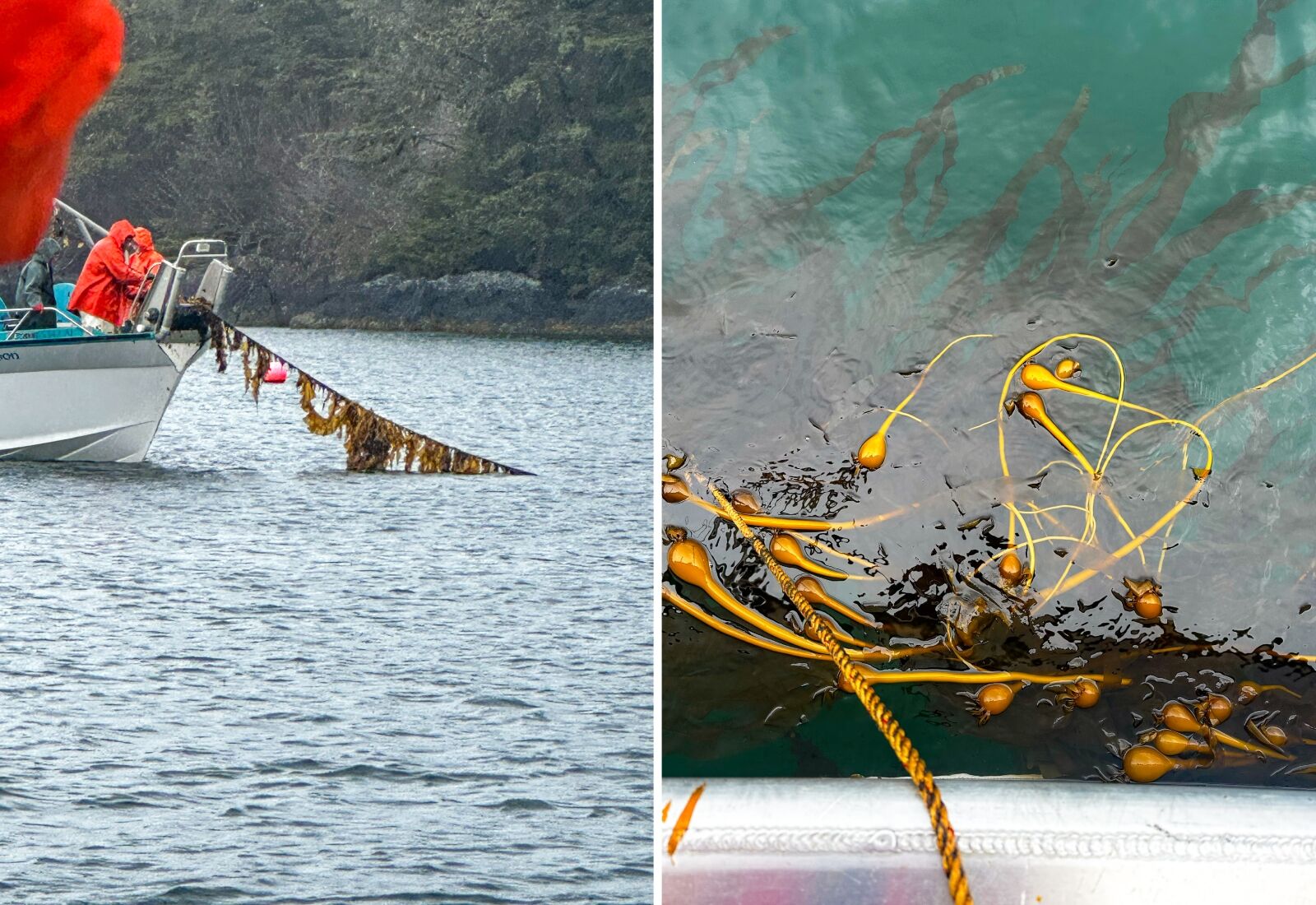
The logistics of kelp farming are as demanding as they are rewarding. The harvest season, which runs roughly from late April through May, is a narrow window dictated by the biology of the kelp itself. Farmers must wait until the seaweed reaches its peak biomass, but harvest before it begins to degrade.
The work is grueling. On a typical day in May, a farmer might spend six hours on the water in freezing, drizzly conditions, pulling 3,000 pounds of sugar kelp from suspended ropes. The unpredictability of the yield—where certain species like ribbon kelp may thrive one year and fail the next—requires farmers to be as adaptable as the ecosystem they manage.
For these producers, the financial model is equally complex. The products are sold across multiple streams:
- Wholesale/Fertilizer: Providing bulk biomass for industrial applications.
- Culinary Innovation: Smoking, drying, and grinding kelp into furikake or incorporating it into local salsas and beers.
- Direct-to-Consumer: Through pop-up events and local storefronts, creating a direct connection between the farmer and the diner.
Official Perspectives: The Voices of the Sound
The farmers themselves are the primary architects of this change. Their insights reveal a deep philosophical commitment to the marine environment.
"It’s a struggle, life here, and the largest benefit of kelp is the diversification," says Thea Thomas of Royal Ocean Kelp Co. "It can’t support you completely, but it can play a part—create jobs, local incomes, benefit the economy."
For Sean Den Adel, the allure of kelp is as much about ecology as it is about profit. "Kelp farming is a regenerative, zero-input crop," he notes. "Kelp absorbs carbon, filters excess nitrogen from the ocean, and provides habitat for native fish species at key life cycle stages. Growing a sustainable food source and supporting marine biodiversity—what’s not to love about that?"
Even those who entered the industry from a background in traditional resource management, like Seawan Gehlbach, recognize the importance of community trust. "I’m new to aquaculture," Gehlbach says, "so there’s been a lot to learn." Her success is best measured by the local fishermen who return to her pop-ups—a sign that the culture of the region is evolving to embrace the "new" seafood alongside the traditional.
The Implications: A New Model for Coastal Economies
The rise of mariculture in Cordova has profound implications for Alaska’s future, both environmentally and economically.
Environmental Resilience
By moving toward regenerative crops like kelp, the region is creating a buffer against the instability of wild stocks. Kelp farms provide a "nursery" for native species, potentially helping to replenish the very fish populations that the commercial industry relies on. This creates a symbiotic, rather than extractive, relationship with the Sound.
Economic Autonomy
The ability for small-scale farmers to control their own supply chain—from the farm gate to the brewery tap or the local restaurant—is a powerful economic model. It keeps the value of the product within the community. For the visitor, this creates a unique "culinary tourism" experience. Whether it is tasting the briny sweetness of a Simpson Bay oyster or enjoying a Sour Sea Witch beer brewed with local kelp at Copper River Brewing, travelers are increasingly seeking out the story behind their food.
The Future of Tourism
Cordova is no longer just a stopping point for commercial fishing vessels; it is becoming a hub for "blue tourism." With local outfitters like Orca Adventure Lodge offering tours of these farms, visitors are getting a firsthand look at the future of the ocean. This interest provides a vital secondary revenue stream for the farmers, who can share their knowledge and passion with the public during the slow periods of the off-season.
Conclusion: A Sea Change in Progress
As the mist clears over Prince William Sound, it is evident that the future of Alaskan seafood is not just what is being caught in a net, but what is being carefully grown on a line. The farmers of Cordova have demonstrated that in the face of environmental uncertainty, innovation and resilience are the most valuable tools at hand.
By prioritizing regenerative practices and fostering a deep, respectful connection to the marine ecosystem, they are not only sustaining their own livelihoods but are setting a standard for coastal communities worldwide. For the visitor, the payoff is a deeper understanding of the sea—a realization that the most delicious things come from a place where the water is clean, the air is sharp, and the people are as resilient as the tide. As this industry continues to grow, one thing remains certain: the "Blue Frontier" of Alaska is just getting started.
 Nana Wu
  Jia Lissa
  Evan Lee Salim