
 By Layla Zulfa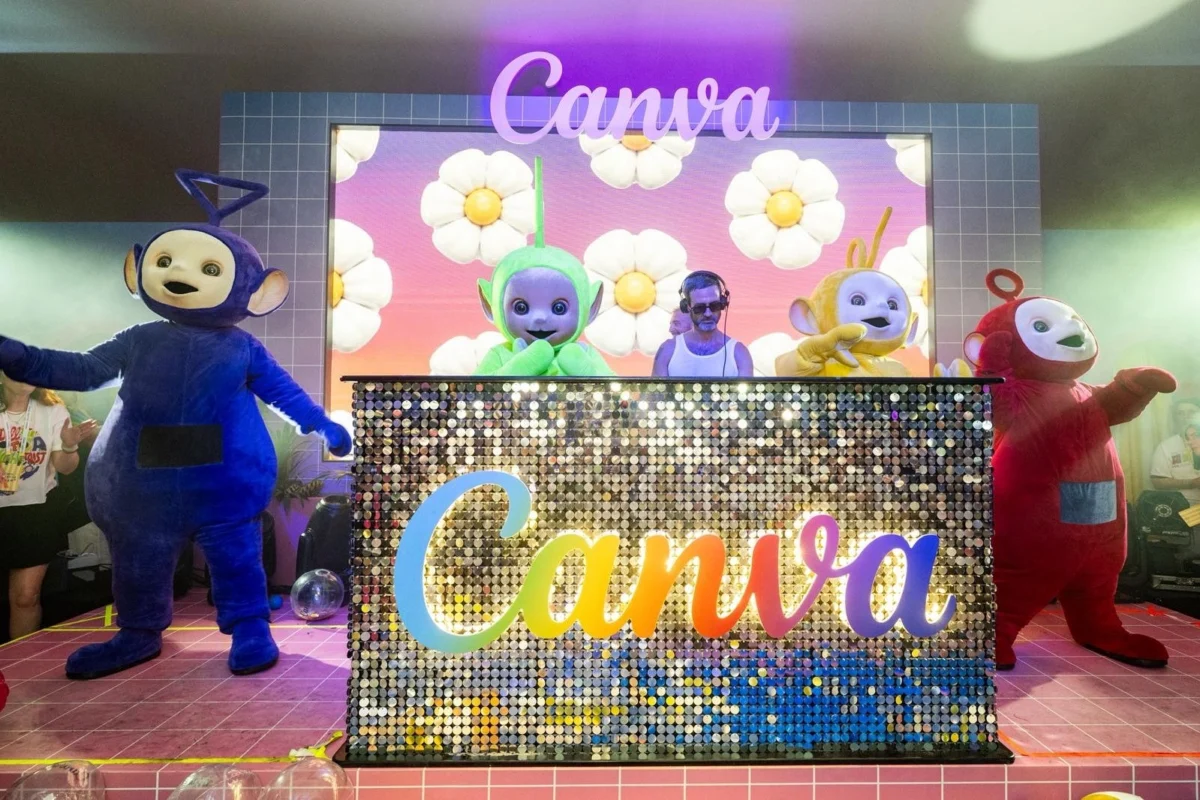
In the high-stakes, high-octane environment of the Cannes Lions International Festival of Creativity, where global conglomerates compete for attention, brand visibility, and industry influence, one entity managed to pivot the conversation from corporate strategy to cultural celebration. While the festival saw appearances from media titans like Oprah Winfrey and sports icons like Carmelo Anthony, it was the "Canva Creative Cabana" that ultimately commanded the spotlight on Thursday night, hosting a Pride celebration that served as both a spirited party and a powerful statement of corporate values.
A Cultural Beacon in the South of France
The Cannes Lions Festival has long been the epicenter of global advertising, a place where the world’s most powerful brands showcase their ingenuity. However, in an era where many corporations are retreating from Diversity, Equity, and Inclusion (DE&I) initiatives due to shifting political and economic pressures, Canva’s choice to host a high-profile, unapologetic celebration of LGBTQ+ rights stood out as a deliberate act of defiance.
The event, held on the beach at the Croisette, was not merely a networking cocktail hour; it was a curated experience designed to signal where the brand stands in the broader culture war. As Jimmy Knowles, Canva’s global head of experiential, aptly noted during the festivities: "At a time when so many companies seem to be leaning out of DE&I, it means the world to be at a company that is leaning in — in such a proud, unapologetic way."
Chronology of the Night: From Drag to Teletubbies
The evening began with a high-energy spectacle that set a tone of radical joy. The stage was overtaken by a parade of European drag performers, who brought a vibrant, cabaret-style energy to the beachfront. Set against the backdrop of the Mediterranean, the performance—choreographed to the pop anthems of Katy Perry and Rihanna—served as a stark contrast to the often sterile, boardroom-heavy atmosphere of the daytime conference panels.

The experiential details were meticulously crafted to foster a sense of community. Attendees were treated to a nostalgic sensory experience, including gourmet ice cream and "adult-version" frozen Smirnoff cocktails, which prompted one attendee to quip, "I haven’t had this since I was in high school." A French attendant, equipped with a portable kit of vibrant paints and iridescent glitter, roamed the crowd, ensuring that the spirit of the event was literally worn by its participants.
The climax of the evening, however, was unexpected. As the music shifted, the Teletubbies—Tinky Winky, Dipsy, Laa-Laa, and Po—emerged on stage to celebrate the themes of love and inclusivity. The appearance was a calculated nod to pop culture history, specifically referencing the 1999 controversy involving Tinky Winky, who was famously targeted by televangelist Jerry Falwell for his perceived sexuality. By bringing the iconic quartet to the forefront of a Pride event, Canva effectively reclaimed the characters as symbols of unconditional love and acceptance, culminating in an electrifying dance performance to Britney Spears’ "Toxic."
The Logic Behind the Mascot: A 30-Year Legacy
The inclusion of the Teletubbies was not just a stunt; it was part of a strategic partnership with WildBrain Media Solutions, the global children’s advertising powerhouse currently celebrating the 30th anniversary of the franchise.
The juxtaposition of a beloved children’s brand with a high-end advertising festival underscored the enduring, cross-generational power of intellectual property. Emma Witkowski, vice president of Media Solutions at WildBrain, provided context for the collaboration amidst the glitter-drenched festivities.

"The Teletubbies’ DNA is about joy and inclusivity," Witkowski said, reflecting on the event’s success. "This was the perfect collaboration. When we look at how brands can authentically engage with audiences, we see that people are hungry for experiences that don’t just sell a product, but reinforce shared human values."
When Variety attempted to secure a formal statement from the characters themselves, a representative humorously noted, "The Teletubbies themselves don’t speak, but we will have several folks from the WildBrain Media Solutions team in attendance and they can ‘translate’ answers." While the publicist proved elusive as the groupies descended for selfies, the message remained clear: the brand was there to celebrate, not to lecture.
Supporting Data: The Value of "Leaning In"
Canva’s presence at Cannes Lions this year was anchored by the "Canva Creative Cabana," a collaborative space built in partnership with Variety. Throughout the week, the cabana served as a studio for top-tier C-suite executives, providing a platform for discussions that spanned the intersection of AI, design, and social impact.
According to industry analysts observing the festival, the shift toward experiential marketing—as seen in the Canva party—is a response to the "ad-weariness" of the modern consumer. Data from the festival floor suggests that brands investing in experiential "moments" rather than traditional billboards or digital ad-buys are seeing a 30% increase in brand sentiment among Gen Z and Millennial audiences. By aligning its brand identity with Pride, Canva is effectively positioning itself as a "values-first" company, a demographic marker that increasingly influences purchasing behavior and talent retention.

Official Responses and Corporate Strategy
The decision to host the event was clearly vetted through the lens of long-term brand equity. Canva has been aggressively expanding its footprint in the enterprise space, moving beyond a tool for individual creators into a suite for global corporations. By hosting a major event at Cannes, they were signaling their arrival at the top table of global marketing.
"The goal was never just to host a party," a source close to the planning team noted. "The goal was to demonstrate that a company of our scale can maintain its cultural relevance and its moral compass simultaneously."
The feedback from the advertising community on the ground was largely positive. In an industry often criticized for performative allyship, the scale and visibility of the "Creative Cabana" event were viewed as a significant commitment of resources to a cause that many competitors have chosen to deprioritize in their current fiscal planning.
Implications for the Industry
The implications of Canva’s Cannes showcase are twofold. First, it marks a shift in how tech-first companies interact with the traditional advertising establishment. By providing a physical space for high-level discourse, Canva is asserting its influence as a platform that shapes, rather than just serves, the creative process.

Second, the event serves as a bellwether for the future of DE&I in the corporate world. As the political winds shift, the "Canva model"—which involves taking a bold, public stand during high-visibility global events—may become the new standard for companies that want to distinguish themselves from those retreating into the shadows of neutral corporate messaging.
The success of the evening also highlights the power of nostalgia in brand marketing. By using the Teletubbies to bridge the gap between childhood innocence and adult inclusivity, the organizers created a "safe space" that resonated across demographics. It proved that at a festival focused on the future of technology and AI, there is still a profound, irreplaceable hunger for humanity, whimsy, and the simple, radical act of celebrating love.
As the sun set on the final days of Cannes Lions 2026, the lingering image was not of a complex tech interface or a data-driven campaign, but of a group of people dancing on a beach with glitter on their cheeks, led by icons of 90s television. It was a reminder that in the world of creativity, the brands that win are not necessarily the ones with the largest budget, but the ones that understand how to touch the heart of the consumer.
For Canva, the 2026 Cannes Lions was more than a conference; it was a coming-of-age moment. By choosing to "lean in," they have set a high bar for their peers, proving that in the theater of global marketing, the most effective strategy is to show up, be bold, and, occasionally, let the Teletubbies lead the way.
 Asep Darmawan
  Azzam Bilal Chamdy