
 By Azzam Bilal Chamdy
Trader Joe’s is not your average neighborhood grocery store. While it remains a staple for reliable pantry essentials and beloved frozen classics, the retailer has carved out a unique identity as an incubator for the bizarre. Its "innovative spirit"—a blend of fearless fusion and experimental marketing—has turned the grocery aisles into a testing ground for concepts that often leave shoppers simultaneously intrigued and bewildered.
Over the last two decades, the company has frequently pushed the boundaries of conventional food science, mashing up ingredients that culinary tradition suggests should remain firmly separated. While some of these experiments have become legendary successes, others have landed with a thud, relegated to the "discontinued" graveyard. Yet, in the digital age, these products live on in the collective memory of the internet, serving as a testament to the brand’s willingness to embrace the strange.
A Chronology of Innovation and Infamy
The history of Trader Joe’s experimental products is a timeline of culinary risk-taking. While the exact origins of some of these items are lost to the rotating nature of the store’s inventory, the peak of their "weird" era began in earnest around 2010.
- 2010s Early: The debut of the controversial Chocolate Cheddar Cheese.
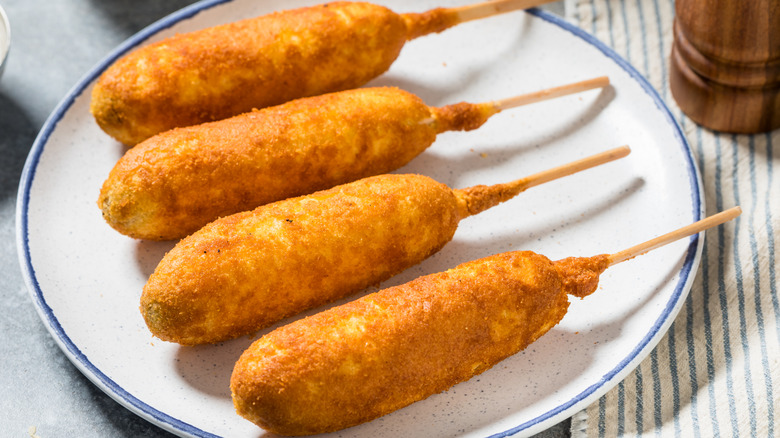
- 2012: The launch of the cult-favorite Shrimp Corn Dogs.
- 2015: A year of high-concept snacks, including Chocolate Raspberry Tamales and the Uncured Bacon Ganache Bar.
- 2017: The move toward "healthy" oddities with Crispy Crunchy Okra.
- 2018: The seasonal Brussels Sprouts Tortilla Chips.
- 2019: A banner year for bizarre fusion, introducing Chocolate Hummus and Watermelon Jerky.
- 2022-2023: Recent attempts like Peanuts in a Pickle, Ketchup-Flavored Sprinkle Seasoning, and the ultimately ill-fated Philly Cheesesteak Bao Buns.
Deep Dive: The Hits and the Misses
The Fusion Experiments
Trader Joe’s has always been a proponent of global fusion, but the results vary wildly. The Philly Cheesesteak Bao Buns (2019) remain a prime example of a "success" that left a void in the hearts of customers. By replacing traditional bread with fluffy, mild-flavored bao, the store bridged the gap between East and West. Despite criticisms regarding filling-to-dough ratios, the product gained a loyal following before its 2023 discontinuation.
Conversely, the Chocolate Hummus (2019) was a masterclass in texture mismatch. While chickpeas are versatile, the graininess of the hummus did not translate well to a dessert application. Consumers largely felt the earthy, savory notes of the tahini clashed with the sweetness of cocoa, leading to a product that failed to gain traction outside of curiosity-driven purchases.
The "Flavor Profile" Mismatches
Some products failed because they defied the fundamental rules of palate chemistry. The Chocolate Cheddar Cheese is the quintessential example. While "sweet and salty" is a proven culinary success, the intensity of mature English cheddar combined with dark chocolate proved too aggressive for the average palate. Reddit threads from the era are still littered with reviews describing the experience as "vile," proving that some flavor marriages are best left unconsummated.
Similarly, the Peanuts in a Pickle (2022) attempted to capitalize on the "dill pickle craze." By seasoning peanuts with vinegar, garlic, and dill, the store created a snack that felt inherently sour and disjointed. The intensity of the brine, when paired with the oiliness of a peanut, resulted in a flavor profile that many customers found actively off-putting.
The Misunderstood and the Mourned
Not every weird product was a failure in quality; some were simply misunderstood. The Shrimp Corn Dogs (2012) are frequently cited by loyalists as one of the great lost items. By combining the batter-fried texture of a corn dog with the delicate flavor of shrimp, Trader Joe’s created a unique pescatarian-friendly snack. Its relatively short shelf life remains a point of contention among long-time shoppers.
In the case of the Uncured Bacon Ganache Bar (2015), the failure was one of execution rather than concept. While high-end chocolate shops have successfully used bacon for years, the bar lacked the necessary punch to make the bacon flavor discernable. It was a sophisticated idea that suffered from a lack of commitment to its core novelty ingredient.
Supporting Data: Why Do We Keep Buying Them?
The psychology behind the purchase of these products is a subject of interest for retail analysts. Trader Joe’s utilizes a "limited-time" strategy, which creates a sense of urgency. When an item is labeled as a "weird" or "seasonal" release, the consumer is driven by FOMO (Fear Of Missing Out).
According to informal polls on social media platforms like Reddit and Instagram, the top-performing "weird" items are those that maintain a balance between novelty and palatability. Items like the Crispy Crunchy Okra succeeded with a niche demographic because they offered a genuine nutritional alternative to potato chips, despite the flavor being polarizing. When the product is "too weird," such as the Pumpkin Spiked Seltzer, the reaction is almost universally negative, serving as a reminder that even the most adventurous shoppers have a line they won’t cross.
Official Responses and Corporate Strategy
Trader Joe’s rarely comments on the specific failure or success of individual products. Their business model relies on a high turnover rate; products are meant to be tested, sold, and then cleared to make room for the next experiment.
From a strategic standpoint, this is a brilliant maneuver. By acting as a pioneer in the grocery space, the store keeps its brand perception "fresh." Even when a product like Watermelon Jerky fails, the media coverage generated by the "weirdness" provides free marketing for the brand as a whole. The company has even learned from its mistakes; the later release of Crispy Dried Watermelon was a refined, successful version of the failed 2019 jerky, showing that the company iterates based on consumer feedback.
Implications for the Grocery Industry
The legacy of these products is not just one of oddity; it is a case study in modern food retail. Trader Joe’s has proven that:
- Consumer Base Loyalty: A brand can cultivate a base that is willing to experiment. By trusting the store’s brand name, shoppers are more likely to try a product they might avoid if it were manufactured by a generic conglomerate.
- The "Third Place" Grocery Experience: Shopping at Trader Joe’s is treated as a form of entertainment. The weird products serve as conversation starters and social media content, turning a mundane chore into an exploratory event.
- Risk Mitigation: By keeping the quantities limited and the product cycles short, the store minimizes the financial risk of a "failed" product. A bad batch of Chocolate Hummus is a small loss compared to the massive brand equity built by the "innovator" persona.
Conclusion
Whether you remember the Chocolate Raspberry Tamales with nostalgia or the Ketchup-Flavored Sprinkle Seasoning with horror, there is no denying that Trader Joe’s has fundamentally changed how we view grocery shopping. By turning the shelf into a laboratory of the avant-garde, they have succeeded in making the weekly grocery run an unpredictable adventure. While not every experiment earns a place in the pantheon of food history, each one serves as a reminder that in the world of culinary innovation, the risk of failure is often the price of discovery. And as long as they keep inventing, we will keep buying—if only to see what happens next.
 Raul Delapena Setiawan
  Basiran
  Nana
Nana 