
 By Siti Muinah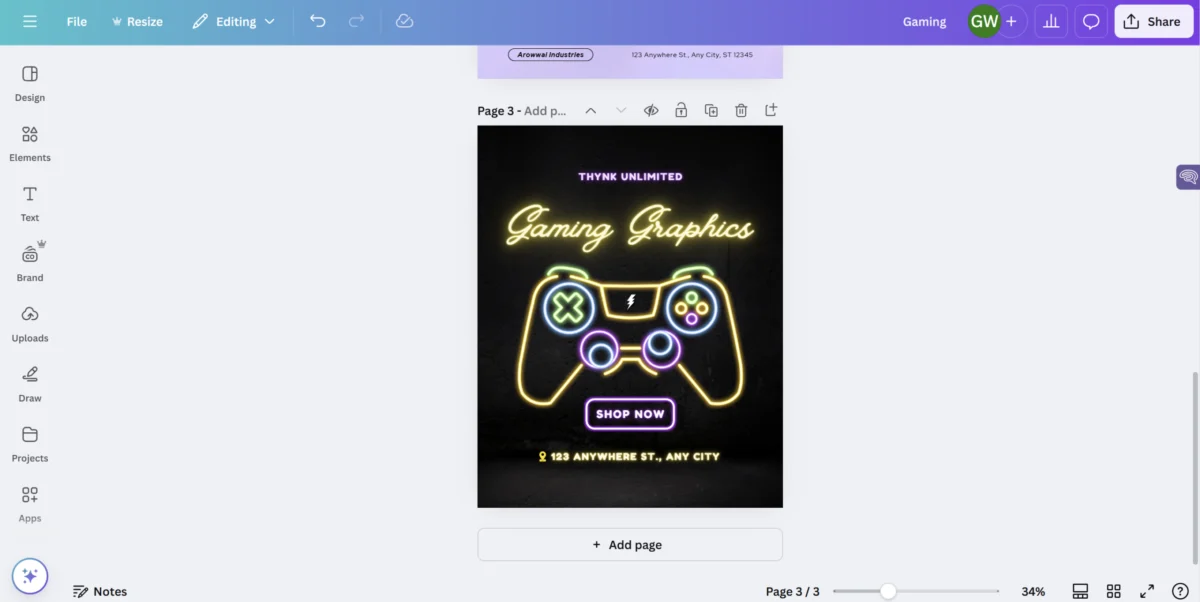
In the modern digital economy, the adage "a picture is worth a thousand words" has evolved into "a professional graphic is worth a thousand conversions." For small business owners, startups, and marketing departments, the pressure to produce high-quality visual content is constant. Yet, the traditional barrier to entry—mastering complex, expensive software like the Adobe Creative Cloud suite—remains a significant hurdle for those whose primary focus must remain on product development and operations.
Enter Canva, the Australia-born design platform that has fundamentally altered the landscape of digital creation. By prioritizing user experience over technical complexity, Canva has moved from a niche tool for social media hobbyists to a mission-critical component of the modern business tech stack. As we move further into 2025, it is time to examine why this platform has become an essential pillar for entrepreneurs aiming to scale their brand identity efficiently.
The Genesis of a Design Revolution: A Brief Chronology
To understand Canva’s impact, one must look at its trajectory. Founded in 2013 by Melanie Perkins, Cliff Obrecht, and Cameron Adams, the platform was built on a simple, audacious premise: design should be accessible to everyone, not just trained graphic designers.
- 2013–2015: The Early Adoption Phase. Canva launched with a limited set of templates, primarily targeting non-designers who needed social media graphics. Its success was immediate, proving that there was a massive, underserved market of people who found traditional software intimidating.
- 2016–2019: Enterprise Integration. Recognizing the needs of larger organizations, Canva introduced "Canva for Work," expanding its feature set to include brand kits, team collaboration tools, and folders. This period marked the transition from a "fun" tool to a business-ready utility.
- 2020–2022: The Remote Work Catalyst. During the global pandemic, when remote teams needed to collaborate on marketing assets without meeting in a physical office, Canva’s cloud-based, real-time collaboration features became industry-standard.
- 2023–2025: AI-Driven Design. In the current era, Canva has integrated generative AI tools (Magic Studio), allowing users to create images from text prompts, translate designs into different languages, and automate layout resizing. This has solidified its place as a powerhouse for agile businesses that need to iterate at the speed of modern digital marketing.
Supporting Data: The Efficiency Gap
The primary driver of Canva’s adoption is the economic reality of the "time-value" trade-off. For a startup founder, the cost of a professional graphic designer for every minor social media post or blog header is prohibitive.
Data suggests that businesses utilizing integrated design platforms like Canva experience a 30% to 50% increase in content production velocity. By eliminating the "feedback loop" required when sending briefs to external designers for simple tasks, internal teams can push campaigns live in minutes rather than days.
Furthermore, the "Canva Free" model provides a robust entry point for bootstrapping businesses, while "Canva Pro" and "Canva Enterprise" tiers offer sophisticated brand management. With features like the "Brand Kit," businesses can lock in their specific fonts, color palettes, and logos, ensuring that every employee—regardless of their design background—produces output that remains strictly "on-brand."
Strategic Applications: Six Ways to Use Canva in 2025
For those wondering how to best integrate this platform into their daily workflow, here are the six most effective applications for business growth this year.
1. Establishing a Cohesive Brand Identity
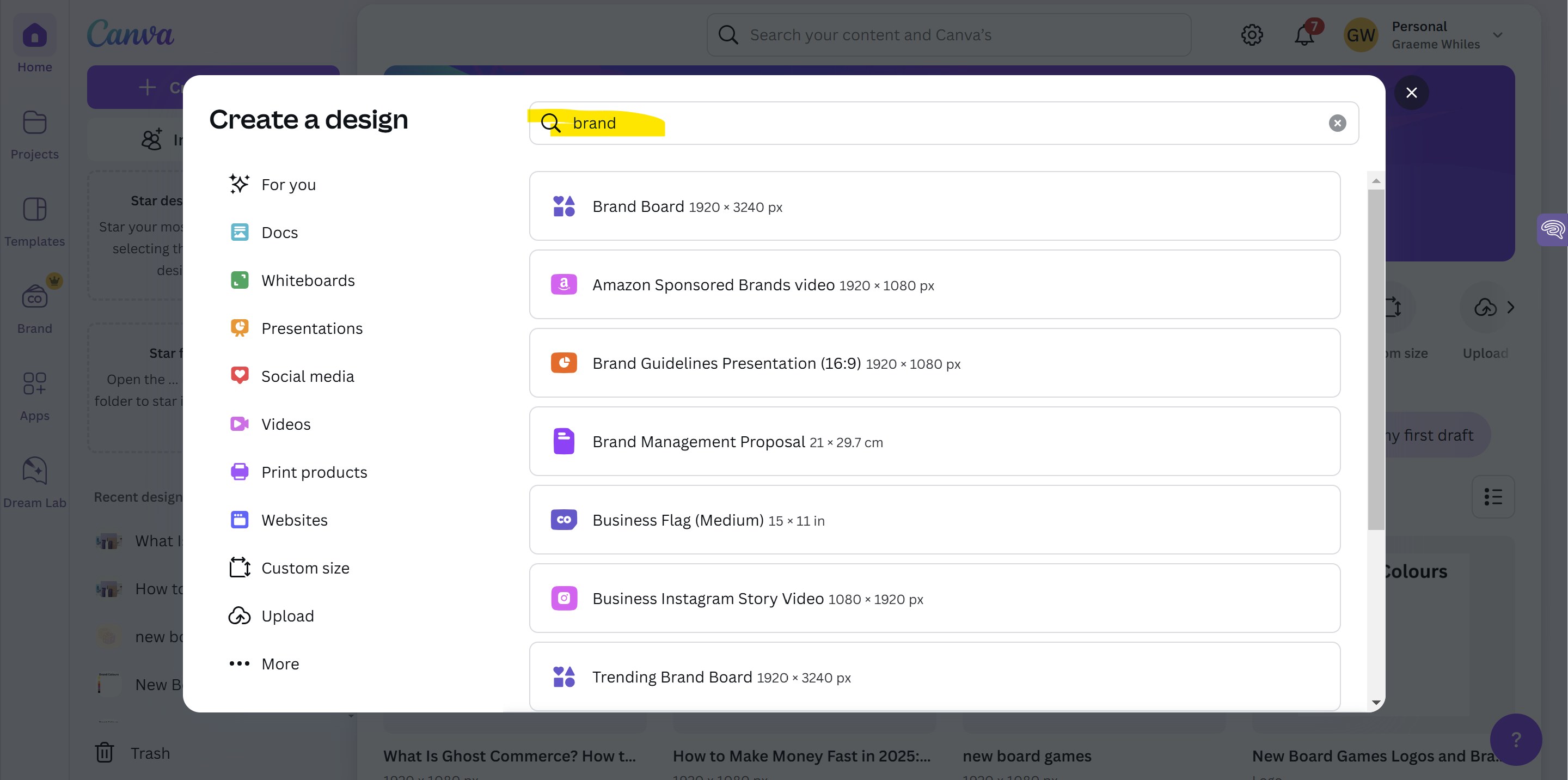
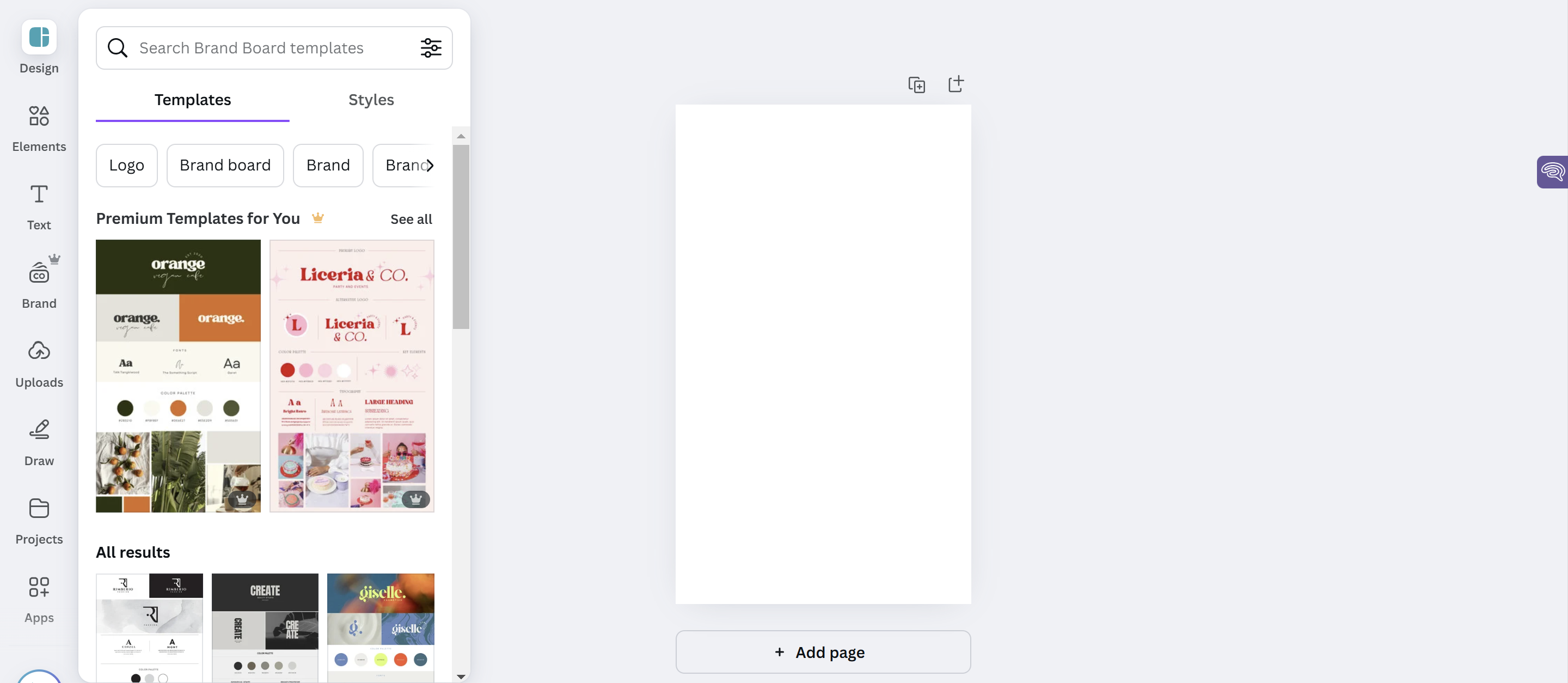
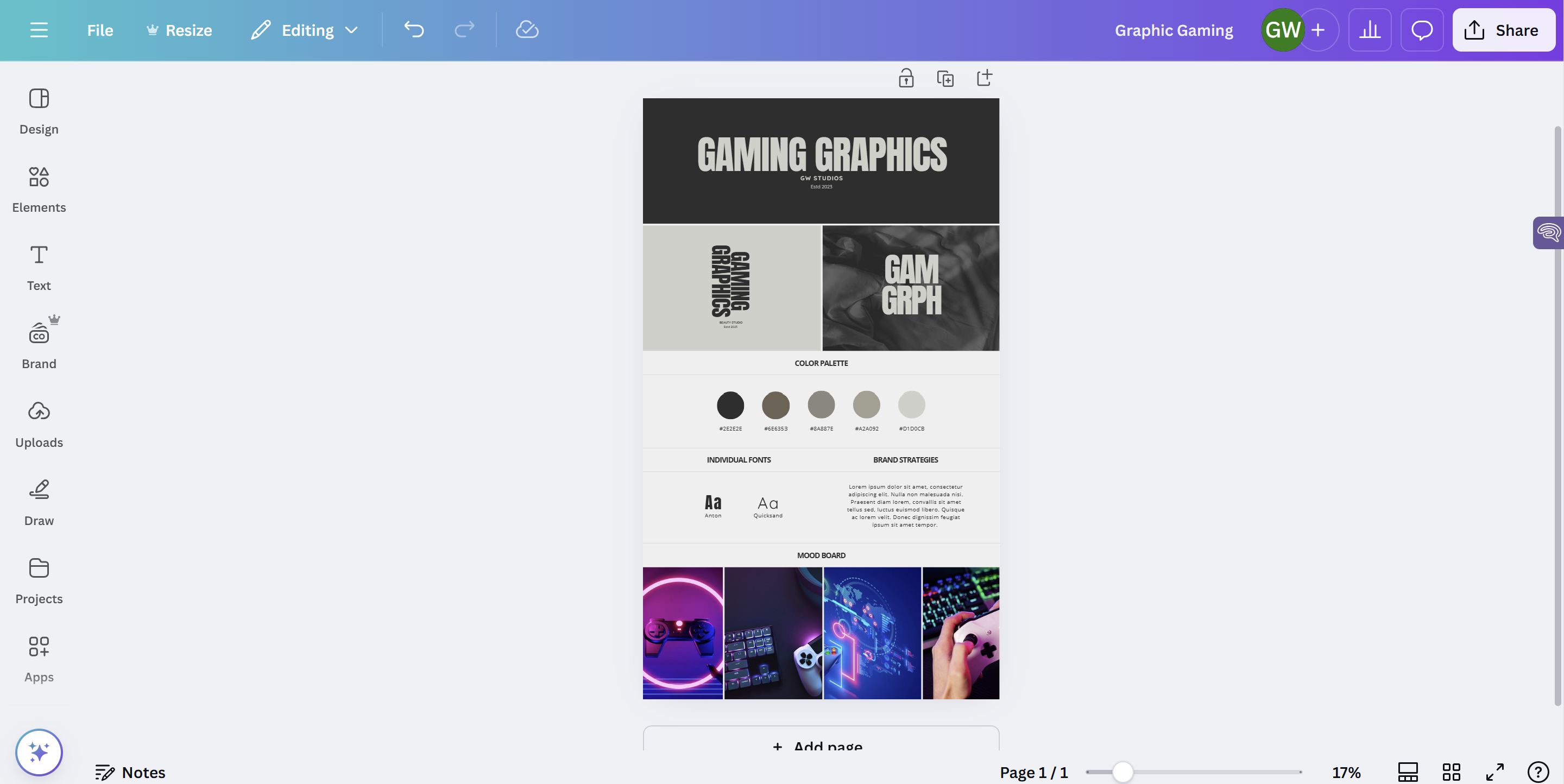
Consistency is the cornerstone of brand recognition. Through the "Brand Board" and "Brand Kit" features, you can centralize your visual identity. Whether you are launching a new venture—like our hypothetical gaming firm "Gaming Graphics"—or rebranding an existing one, Canva provides a centralized hub where your assets live. When all employees have access to the same approved colors and typography, the risk of "off-brand" communication disappears.
2. Streamlining Social Media Output
Social media platforms require a constant stream of fresh, platform-specific content. Canva’s vast library of templates—tailored for TikTok, Instagram Reels, LinkedIn, and X—allows businesses to maintain a high frequency of posting. By utilizing the "Magic Resize" feature, a single campaign concept can be adapted for multiple platforms in seconds, saving hours of manual labor.
3. Elevating Blog and SEO Visuals
Text-heavy content is often ignored by modern audiences. To improve dwell time and reduce bounce rates, blog posts require high-quality imagery, infographics, and charts. Canva simplifies the process of turning complex data into easy-to-digest visuals, which not only keeps readers engaged but also provides valuable "linkable" assets that can improve your search engine rankings.
4. Creating Professional Lead Magnets
The backbone of email marketing is the lead magnet—a free resource, such as an eBook, whitepaper, or checklist, offered in exchange for a prospect’s contact information. These documents must look authoritative. Using Canva’s document design templates, even a novice can produce a polished, high-conversion PDF that looks like it was designed by a premium agency.
5. Facilitating Internal Team Collaboration
Canva is no longer a solo tool. With "Canva Teams," multiple stakeholders can comment, edit, and approve designs in real-time. This eliminates the "email chain of death" where design feedback gets lost in transit. It serves as a single source of truth for all creative assets.
6. Scaling with Enterprise Features
For larger organizations, Canva offers enterprise-grade security and asset management. These features allow for tiered permissions, ensuring that junior staff can create content within strict brand guidelines, while senior managers maintain control over final approvals, protecting the company’s reputation.
The Official Perspective: The Democratization of Design
In recent statements, industry analysts have noted that tools like Canva are not replacing designers, but rather evolving the role of the designer. Creative directors are increasingly spending less time on pixel-pushing and more time on strategic brand oversight and creative direction.
"The goal," notes industry expert and Foundr instructor, "is to remove the technical friction that stops great ideas from being realized." By making professional-grade tools accessible, companies can foster a culture of creativity where anyone from the sales lead to the developer can contribute to the visual narrative of the brand.
Implications: The Future of Business Marketing
The rise of Canva reflects a broader trend in the software industry: the move toward "no-code" and "low-code" solutions. In 2025, if your business is still bottlenecked by the inability to produce high-quality visual content, you are operating at a competitive disadvantage.
The implications for business strategy are clear:
- Agility is the new currency. Brands that can pivot their marketing collateral based on real-time data trends will outperform those that rely on slow, legacy creative processes.
- Professionalism is mandatory. In an age of AI-generated content, consumers are hyper-aware of quality. Using polished, well-composed design templates is the baseline expectation for any business seeking to build trust.
- The "Design-for-Everyone" culture. By empowering non-creatives to contribute, organizations can unlock hidden creative potential within their teams, leading to more diverse and innovative marketing ideas.
Conclusion: Take the Next Step
Canva is more than just a tool; it is a catalyst for entrepreneurial efficiency. Whether you are a solopreneur building your first website or a marketing manager overseeing a global brand, the ability to produce high-quality visuals on demand is a superpower.
However, design is only one piece of the puzzle. To truly thrive in the competitive landscape of 2025, you need to combine your visual strategy with a deep understanding of marketing, e-commerce, and business operations.
Unlock Your Full Potential
If you are ready to elevate your business beyond just design, consider joining Foundr+. With instant access to over 30 expert-led courses and more than 1,000 lessons on branding, scaling, and digital marketing, you can gain the frameworks needed to turn your creative output into sustainable revenue.
Don’t let technical barriers hold you back. Start creating today, and build the business you’ve always envisioned.
 Asep Darmawan
  Suro Senen
  Evan Lee Salim