
 By Nana Wu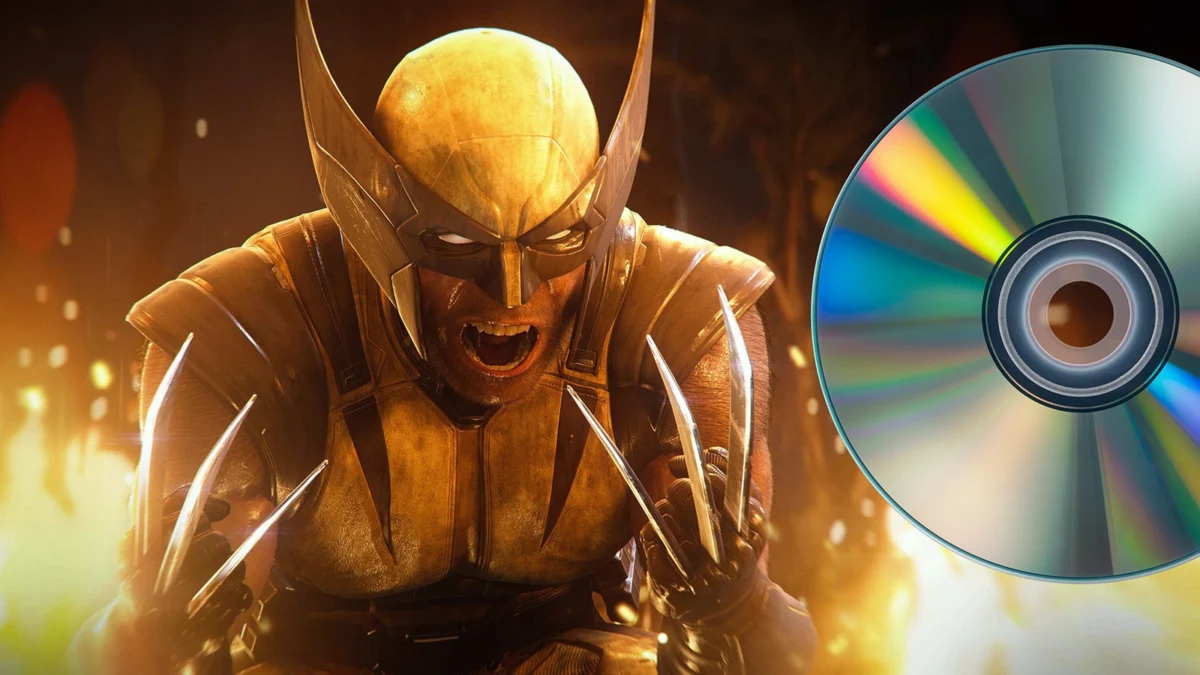
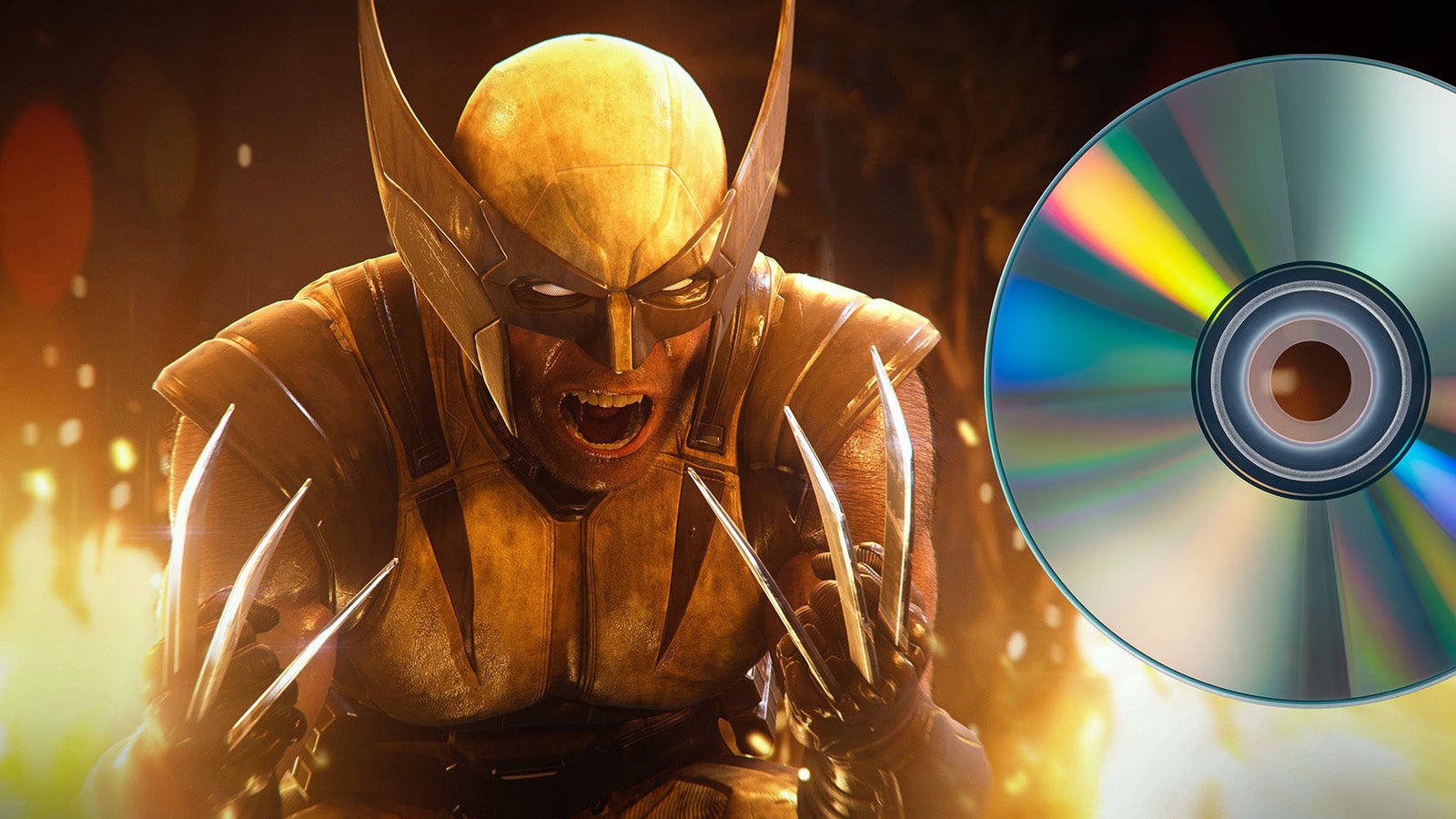
In an era defined by high-speed internet and the ubiquity of digital storefronts, the humble physical game disc has remained a bastion for collectors, preservationists, and gamers with limited bandwidth. However, recent industry shifts—spearheaded by the controversial decision regarding Grand Theft Auto 6—have sent tremors through the gaming community. Amidst this anxiety, Insomniac Games has stepped forward to offer a breath of relief: Marvel’s Wolverine, the highly anticipated PlayStation 5 exclusive, will indeed arrive with a physical disc.
While this may seem like a standard expectation for a triple-A title, it serves as a critical flashpoint in the ongoing battle between digital convenience and physical ownership.
The Catalyst: The GTA 6 Precedent
The conversation surrounding physical media changed overnight when reports confirmed that Grand Theft Auto 6 would abandon the traditional disc format for its physical edition, opting instead for a download code inside the box. For many, this "code-in-a-box" model represents a hollow gesture—a piece of plastic containing a digital license that could, in theory, be revoked or rendered inaccessible if servers are shuttered in the future.
The fallout was immediate. Fans began flooding the social media channels of various developers, seeking assurances that their favorite upcoming franchises would not follow Rockstar Games’ lead. It was within this climate of uncertainty that a fan reached out to Insomniac Games on X (formerly Twitter). Following a dynamic clip of Wolverine tossing an adversary from a transport truck, a user asked the inevitable: "Will it come with a disc?"
Insomniac Games’ response was swift and definitive: "The physical version will include a disc in box." While it may seem mundane to celebrate the inclusion of a disc, the sentiment reflects a growing movement of consumers demanding the right to own their software.
Chronology of a Shifting Landscape
To understand why this has become such a contentious issue, we must look at the timeline of digital distribution.
- The Early 2010s: Digital stores like Steam and the PlayStation Store became secondary to physical retail, with physical media serving as the primary method for high-fidelity gaming due to large file sizes.
- The Mid-2010s: The rise of day-one patches and mandatory installations began to erode the "plug-and-play" nature of physical discs.
- 2020-2023: The launch of the PS5 and Xbox Series X/S introduced "Digital-Only" console variants, signaling a clear push by hardware manufacturers toward an all-digital future.
- Late 2024: The GTA 6 announcement solidified the fear that even major publishers might move toward "discless" physical releases, effectively killing the second-hand market and physical ownership for the industry’s biggest hits.
Supporting Data: The Economics of the Disc
Why would a publisher like Rockstar move toward a code-in-a-box model? The motivations are multifaceted, rooted in both economic strategy and supply chain logistics.
1. Combatting the Second-Hand Market
The most significant factor is the secondary market. A physical disc can be traded, sold to friends, or resold at shops like GameStop. Publishers see zero revenue from these transactions. By replacing the disc with a single-use digital code, publishers ensure that every copy of the game is tied to a single user account, effectively eliminating the possibility of resale.
2. Controlling the Narrative and Pricing
Physical discs are subject to price drops at third-party retailers. By forcing a digital download, the publisher maintains absolute control over the price point of the software. Furthermore, it prevents "street date" leaks, where physical copies are acquired by retailers and sold to consumers before the official launch day, causing spoilers and breaking marketing embargoes.
3. Logistical Costs
Manufacturing discs, printing manuals, shipping thousands of tons of plastic to global warehouses, and managing retail shelf space is an expensive endeavor. For a game as massive as GTA 6, the logistics are a nightmare. Switching to a simple printed slip of paper reduces overhead costs significantly, despite the potential consumer backlash.
The Implications for Industry Standards
The move toward digital-only distribution has profound implications for game preservation. History has shown that when digital services are discontinued, games can disappear entirely. The "Digital Dark Age" is a genuine concern for historians and archivists who fear that the current generation of gaming will be the hardest to preserve for future generations.
If GTA 6 proves successful despite its lack of a physical disc, it will almost certainly signal a "green light" for other publishers to follow suit. We have already seen inquiries directed at studios like Rebel Wolves regarding The Blood of Dawnwalker. When developers remain silent on these questions, the community often assumes the worst.
A Stacked Season: What’s Next?
We are currently entering one of the most crowded release windows in gaming history. As developers rush to launch their titles before the vacuum created by GTA 6 arrives, the industry is seeing a surge of high-profile projects:
- The Blood of Dawnwalker
- Phantom Blade 0
- Marvel’s Wolverine
- Fire Emblem: Fortune’s Weave
- Control Resonant
- Gears of War E-Day
Each of these games represents a test of consumer appetite. Will publishers feel pressured to include discs to compete with the backlash against GTA 6, or will the convenience of the digital ecosystem eventually outweigh the protests of the physical media purists?
Official Responses and Developer Stance
The response from Insomniac Games is a vital data point. By confirming the disc’s inclusion, Insomniac is positioning itself as a developer that listens to its core audience. Unlike the silence from other studios, this proactive communication helps build trust.
However, the industry is not monolithic. There is a distinct split between indie developers, who often lack the budget to manufacture discs, and massive conglomerates who have the budget but choose to prioritize digital control. The "code-in-a-box" model is not just about the disc; it is about the power dynamic between the corporation and the consumer.
Conclusion: The Value of Ownership
The reassurance from Insomniac regarding Marvel’s Wolverine is a victory for the physical media community, but it is likely just one skirmish in a much larger war. As we move closer to the November release of Grand Theft Auto 6, the industry will be watching closely to see if the lack of a disc impacts sales.
If consumers continue to vote with their wallets, we may see a resurgence in the demand for physical media. If they don’t, we may be looking at the final years of the game disc as a standard industry feature. For now, fans can rest easy knowing that when they pick up Wolverine this September, they will own something tangible—a piece of gaming history they can hold, share, and play for years to come, regardless of server status or digital licenses.
The debate over the future of gaming is far from over, but for the moment, the claws are out, and the disc is in the box.
 Laily UPN
  Nila Kartika Wati
  Asro
Asro 