
 By Laily UPN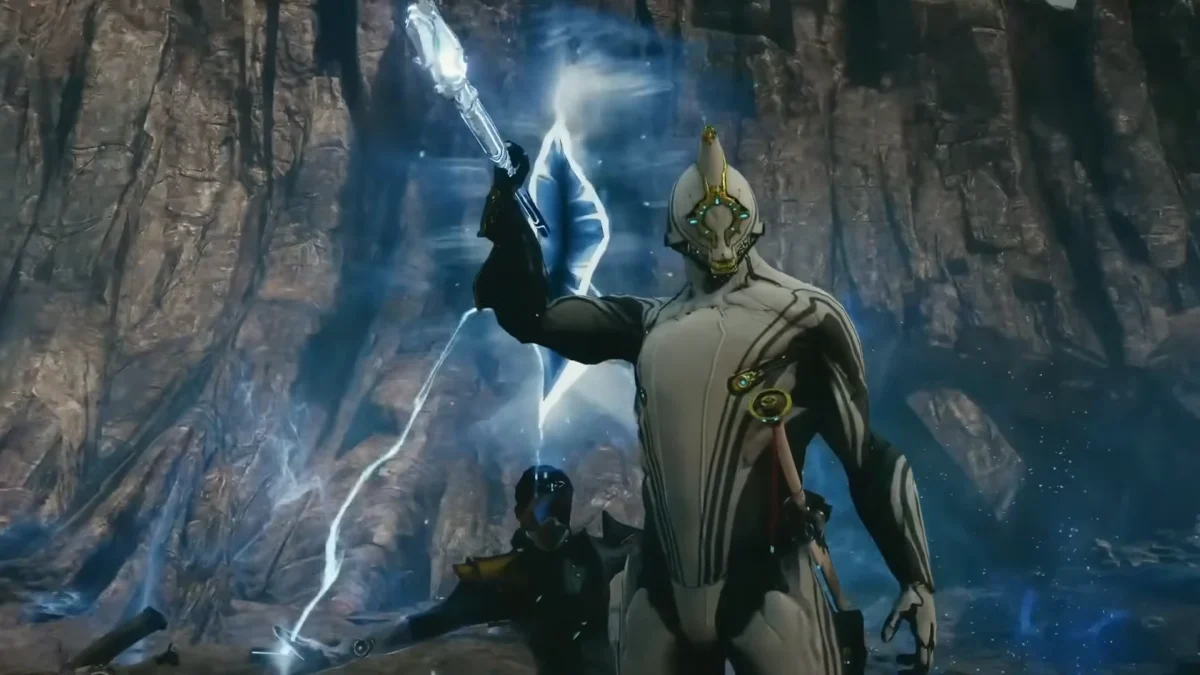
In the rapidly shifting landscape of the live-service video game industry, few titles have cast as long a shadow as Bungie’s Destiny 2. For nearly a decade, the franchise has served as a cornerstone of the sci-fi looter-shooter genre, defined by its crisp gunplay, expansive lore, and the perennial "guardians" who have navigated its solar system. However, the recent announcement that Bungie will cease updates for the game has sent shockwaves through the gaming community, marking the conclusion of a monumental chapter in modern digital entertainment.
While industry cynics might view the departure of a titan as a vacuum waiting to be filled by rivals, the reaction from the sector’s primary stakeholders has been one of genuine, heavy-hearted professional grief. Among the most vocal in their mourning is the team behind Warframe, Digital Extremes, a developer long pitted against Bungie in the court of public opinion. Rather than celebrating the elimination of a primary competitor, the Warframe leadership has offered a sobering reminder: the health of the genre is inextricably linked to the success of its peers.
A Chronology of the Giant’s Sunset
The journey of Destiny 2 is a masterclass in the volatility of the live-service model. Launched in 2017 as a sequel to the original 2014 Destiny, the game survived a turbulent start, characterized by content droughts and player disillusionment. Through the release of massive expansions—from Forsaken to The Witch Queen and the final narrative culmination in The Final Shape—Bungie managed to cultivate a dedicated, albeit often vocal, fanbase.
The road to the current announcement was paved with both internal and external pressures. Bungie, long considered an industry gold standard, faced significant financial headwinds and corporate restructuring in recent years. As the narrative arc of the "Light and Darkness Saga" reached its conclusion, speculation mounted regarding the future of the live-service juggernaut.
When the official announcement arrived—confirming that the game would move into a maintenance-only phase without further major content updates—it was not greeted with the usual "fanbase exodus" expected of failing titles. Instead, it triggered a surge of player nostalgia and a last-minute rush to experience the game’s final chapters. This sudden influx of support serves as a bittersweet coda to a game that defined an entire generation of multiplayer engagement.
The Industry Perspective: Beyond the Competitive "Zero-Sum" Game
The narrative that a rival’s failure is a competitor’s gain is a common trope in business reporting, yet it is one that the developers of Warframe vehemently reject. Megan Everett, Community Director and Live Ops Lead at Digital Extremes, expressed a sentiment that resonates across the developer community: the loss of Destiny 2 is a loss for the entire ecosystem.
"Truthfully, it’s heartbreaking. It’s earth-shattering," Everett told Eurogamer. "I never thought I’d ever see the day where I’d read an article from Bungie about Destiny 2 essentially shutting down. No one is celebrating the fact that this has happened to Destiny, its players, and that story."
This perspective highlights a fundamental truth often overlooked by market analysts: developers are, first and foremost, players themselves. Many of the creative minds currently crafting the future of Warframe grew up on the legacy of Bungie’s earlier work, including the Halo franchise. Rebecca Ford, Warframe’s Creative Director, noted on social media that "there is no Warframe without the legacy of Bungie games." This acknowledgment of lineage serves as a reminder that the industry is an interconnected web of inspiration and iteration, not a series of isolated, warring fiefdoms.
Supporting Data: Why Competition Breeds Innovation
The relationship between Warframe and Destiny 2 has been characterized by mutual respect, even as their player bases often engaged in "console-war" style debates. The economic and creative argument against the "zero-sum" mentality is clear: competition acts as a pressure cooker for innovation.
When two high-quality titles occupy the same genre, they force each other to evolve. If Destiny 2 had not existed, Warframe might not have been pushed to refine its own space-faring systems or complex modular storytelling. Conversely, Warframe’s unique approach to community-led development and free-to-play accessibility forced Bungie to constantly re-evaluate how they treated their own player base.
Everett’s comments underscore the importance of this symbiosis: "I think a game is healthy when you have competitors… Having games that are similar enough that the communities can come together and talk about both games, and maybe educate people on those games so people go to both, that’s not a bad thing."
The Human Element: The "Love Letter" to a Fallen Peer
Perhaps the most poignant moment in the industry’s response was the decision by the Warframe team to create an in-game honorific for Destiny 2. By introducing an account title that references the legacy of their peer, Digital Extremes has bridged the gap between developer and developer, and player and player. It is a gesture of professional camaraderie that transcends the bottom line.
This tribute also touches upon the tragedy of the "negativity loop" that often plagues large-scale live-service games. As Everett pointed out, the sudden outpouring of love for Destiny 2 following the sunset announcement is a stark reminder of the toxicity that can sometimes define community feedback.
"They’ve been getting a lot of negativity for all this time, and it’s like, where was all this love?" Everett noted. "People need to put the hate away and show the love, because they could have really used that. I know it was there, but it wasn’t as vocal as maybe some of the negativity."
Implications for the Future of Live-Service Gaming
The sunset of Destiny 2 raises significant questions about the longevity of the live-service model. If a titan of the industry, backed by one of the most storied developers in history, cannot sustain a permanent, ever-growing service, what hope is there for the myriad of smaller titles attempting to emulate that model?
The industry is currently in a state of flux. Players are showing signs of "service fatigue," and the costs of maintaining these massive digital worlds are skyrocketing. The departure of Destiny 2 serves as a cautionary tale: no game is too big to fail if the infrastructure of the live-service model becomes untenable.
However, the response from developers like those at Digital Extremes provides a silver lining. The industry is not merely a collection of predatory businesses looking to capture market share; it is a community of creators who appreciate the craft of their peers. When a major game goes offline, it does not just remove a competitor from the board—it removes a shared cultural touchstone, a repository of memories, and a benchmark of what is possible in interactive media.
Conclusion: A Legacy of Mutual Respect
As Destiny 2 enters its final act, the industry is forced to confront the reality of its own mortality. The game’s legacy will not just be found in its gunplay or its raids, but in the way it challenged other developers to be better, to reach further, and to respect the medium.
Digital Extremes’ refusal to capitalize on their competitor’s misfortune is a masterclass in professional grace. By choosing to mourn rather than conquer, they have reinforced the idea that the "sci-fi space" is a garden that requires multiple varieties of plants to thrive. While the departure of Destiny 2 is undeniably a tragedy for its dedicated community, the solidarity shown by its peers suggests that the lessons learned from Bungie’s work will continue to influence the industry for years to come.
In the end, as Rebecca Ford famously stated: "Do not offer succor with comparison." The loss is real, the impact is felt, and the industry is, in a very meaningful way, smaller today than it was yesterday. The challenge for the future is not to replace what has been lost, but to carry the spirit of that innovation forward into the next generation of digital worlds.
 Nila Kartika Wati
  Asro
Asro 