
 By Neng Nana
As digital landscapes mature and traditional outbound strategies face diminishing returns, enterprise organizations are aggressively overhauling how they capture and nurture pipeline. At the bleeding edge of this operational shift is social listening for lead generation—the strategic practice of monitoring, analyzing, and acting upon public online conversations to identify prospective buyers at the exact moment they express intent.
Far from being a passive brand-protection exercise, modern social listening has evolved into an active, high-precision revenue driver. Backed by advancements in artificial intelligence and deep integration with CRM systems, enterprise teams are moving away from brute-force cold outreach and toward real-time relevance.

Main Facts: The Paradigm Shift in B2B Buyer Behavior
The urgency behind social listening stems from a fundamental change in how enterprise buyers evaluate solutions. According to industry data, social media has surged to become the second most meaningful source of information for B2B buyers, rivaling traditional search engines and vendor websites.
Simultaneously, recent surveys indicate that a staggering 61% to 73% of B2B buyers actively prefer a representative-free buying experience during the early stages of research. They are turning to platforms like LinkedIn, X, Reddit, and specialized niche forums to evaluate competitors, discuss pain points, and seek peer recommendations without a salesperson in the room.

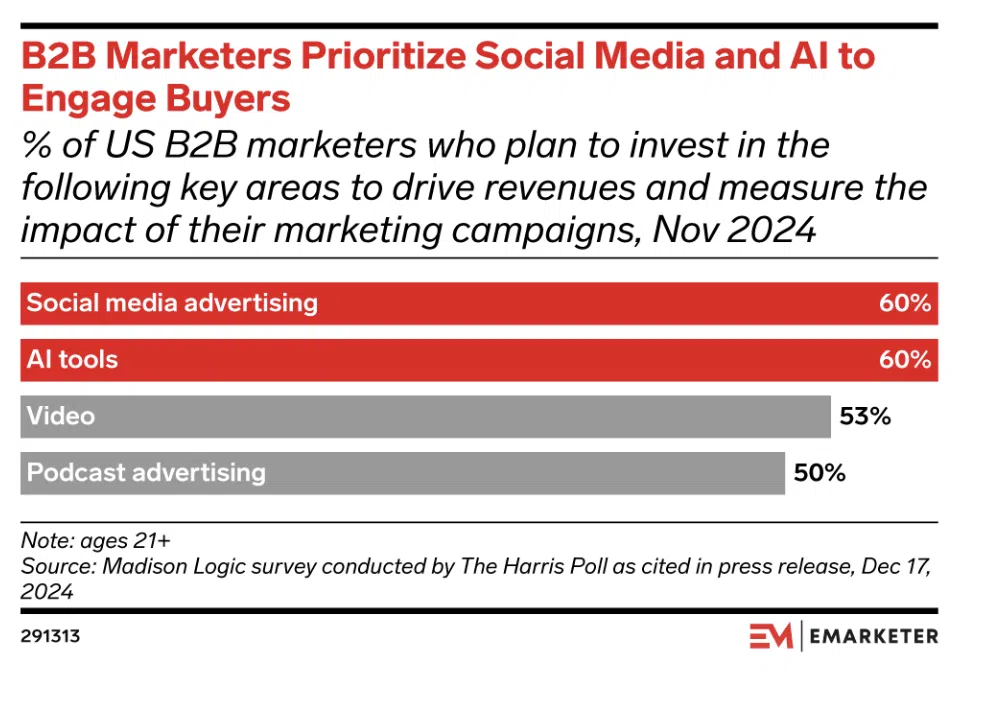
To capture this demand, enterprise budgets are shifting rapidly. Data from eMarketer highlights that 60% of U.S. B2B marketers plan to increase investments in both social media advertising and AI-driven engagement tools. Social listening fills the critical window of opportunity that traditional forms of lead generation miss: the space before a prospect fills out a gated form or officially raises their hand.
Chronology: The Evolution from Brand Monitoring to Intent-Driven Sales
Understanding the maturation of social listening requires looking at how enterprise strategies have adapted over the past decade:
- Phase 1: Brand Monitoring (Passive Safety Net): Historically, companies deployed listening tools primarily to track direct brand mentions, monitor sentiment crises, and protect public relations. The focus was reactive and defensive.
- Phase 2: Keyword Chasing (Manual Outbound): Marketing teams began searching for broad industry keywords and product names on social platforms, manually flagging posts to pass along to sales teams. While more proactive, this method suffered from high noise-to-signal ratios and slow response times.
- Phase 3: Automated Intent Detection (The Modern Playbook): Today, enterprise ecosystems combine automated keyword tracking, natural language processing, and AI classifiers (such as Hootsuite’s Lumen and Wisdom). These systems filter out irrelevant chatter, score incoming leads based on urgency and context, and route high-intent conversations directly into CRMs like Salesforce in real time.
Supporting Data: Comparing Lead Generation Methods
Social listening does not operate in a vacuum; rather, it bridges the gap left by traditional lead acquisition channels. Enterprise leaders evaluating their marketing mix must look closely at how listening compares across signal quality, speed, cost efficiency, and scalability:
| Method | Signal Quality | Speed to Lead | Cost Efficiency | Scalability |
|---|---|---|---|---|
| Social Listening | High (Buyer states problem in their own words) | Fast (Same-day response capability) | High (No mandatory media spend) | High with proper tooling; limited if manual |
| Cold Outreach / Email | Low (Intent is assumed, not expressed) | Slow (Dependent on reply rates) | Moderate (Low cost per contact, low conversion) | High volume, low precision |
| Paid Social Ads | Moderate (Interest inferred from targeting) | Fast (Once active budget is deployed) | Lower (Costs scale alongside volume) | High, directly tied to ad spend |
| Gated Content / Forms | Moderate to High (Form fill shows basic intent) | Slow (Buyer dictates conversion timeline) | Moderate (Front-loaded production costs) | Moderate (Dependent on inbound traffic) |
Furthermore, organizations implementing disciplined social listening frameworks report higher confidence in measuring true social media ROI. By tracking signals such as vendor evaluations, competitor frustrations, and explicit recommendation requests, teams can directly tie social touchpoints to closed pipeline.

Official Perspectives and Expert Strategies
To unpack how high-performing enterprises successfully transition social signals into qualified pipeline, industry leaders emphasize several core methodologies.
1. Listen for Problems, Not Just Brand Names
Sarah Stephenson, Director of Social Media at TMP, warns against the common pitfall of restricting listening queries to corporate brand names.
"Brands often focus too heavily on brand keywords, but the real opportunity is in the pain points—the questions, the frustrations, the comparisons, and the ‘how do I…’ moments," Stephenson explains.
Unmet needs surface organically when users discuss broken workflows, seek alternative tools, or vent about challenges—often long before they ever tag a vendor directly.

2. Weigh Intent and Context Together
A keyword alone does not make a qualified lead. Stephenson stresses that context, authority, and urgency must be evaluated simultaneously. Phrases indicating active evaluation—such as "We’re evaluating options before Q1" or "Does anyone have a recommendation?"—combined with time-bound urgency markers like "ASAP" or "this quarter," dramatically elevate conversion potential.
3. Lead with Value, Not a Pitch
Because modern buyers actively avoid unsolicited sales pitches, enterprise teams must prioritize trust over immediate conversion.

"Respond in-platform, but respond with value," advises Stephenson. "Relevant insights, resources, or perspectives will move the conversation forward naturally. You need to build the trust first, conversion second."
4. Close the Loop with Sales Alignment
Social listening data is useless if it stays trapped within the marketing department. Daily scanning of high-intent keywords must be paired with routine alignment sessions between social media managers and sales teams. This ensures that prospects transitioning from the awareness phase to active consideration receive immediate, highly personalized follow-ups.

Implications for Enterprise Organizations
The widespread adoption of AI-enhanced social listening carries profound operational implications for enterprise B2B strategies:
- Operational Agility: Organizations can identify market shifts, feature requests, and competitor vulnerabilities in real time, allowing product and marketing teams to pivot campaigns dynamically (much like brands that successfully launched rapid-response campaigns addressing competitor wait-time frustrations).
- Workflow Integration: The boundary between customer care, social media management, and CRM operations is dissolving. Unified ecosystems—such as Hootsuite Social OS paired with automated inbox routing (Nest)—ensure that no high-intent signal falls through the cracks.
- The Human-AI Synergy: While artificial intelligence is essential for processing massive volumes of global conversation data and surfacing shortlisted leads, human intuition remains irreplaceable. Projections indicate that up to 75% of B2B buyers will continue to prefer human-centric interactions over fully automated sales experiences. AI’s true role is not to replace the sales rep, but to ensure that the right human reaches the right prospect at the exact optimal moment.
Conclusion
Social listening for lead generation is no longer an experimental tactic for forward-thinking tech companies; it has matured into a core enterprise discipline. By shifting focus from brand monitoring to intent-driven listening, aligning marketing and sales workflows, and leading with genuine value, enterprises can cut through the noise of modern digital fatigue. As Sarah Stephenson aptly summarizes: "Social listening isn’t a shortcut to leads, it’s more like a shortcut to relevance." And in today’s hyper-competitive marketplace, relevance is the ultimate driver of sustainable revenue.
 rifanmuazin
  Nila Kartika Wati
  Basiran