
 By Azzam Bilal Chamdy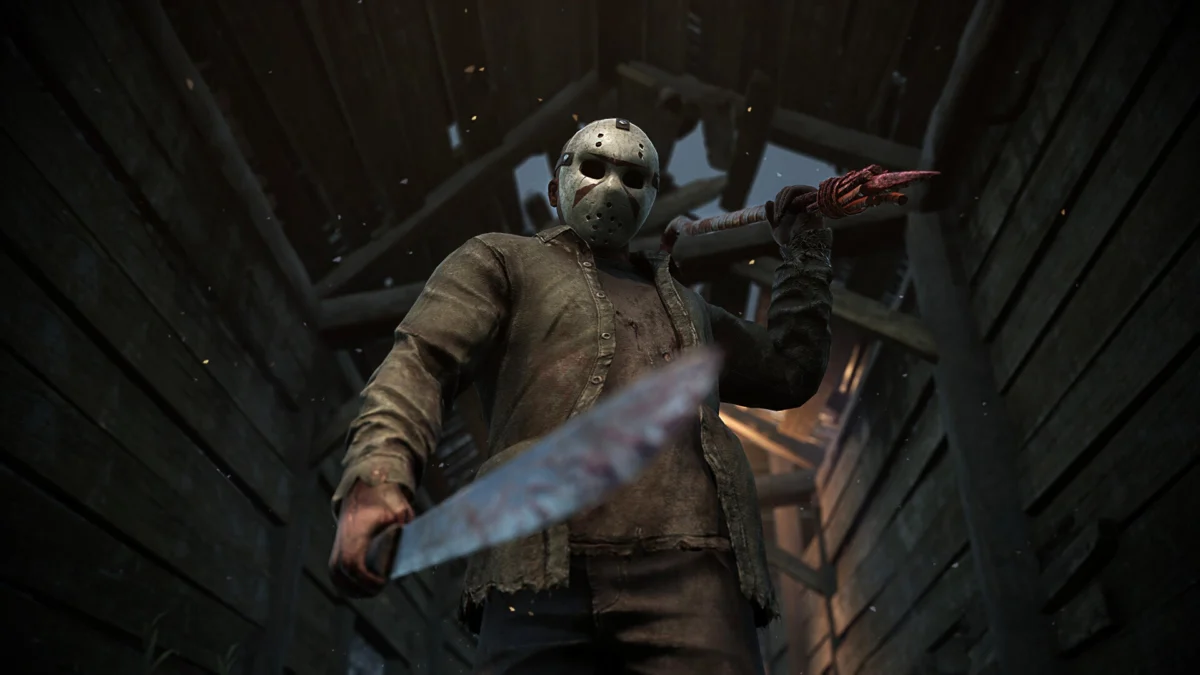
In the volatile landscape of modern live-service gaming, few titles manage to defy the natural laws of player retention. Most games follow a predictable arc: a massive launch, a steady decline, and an eventual fade into obscurity. Dead by Daylight, the asymmetrical horror titan from Behaviour Interactive, has not only ignored this trend but has actively reversed it. Following a landmark showcase held last weekend, the game has shattered its own historical concurrent player records on Steam, signaling that after nearly a decade, the "murder party" is only just hitting its stride.
Main Facts: The Arrival of a Legend
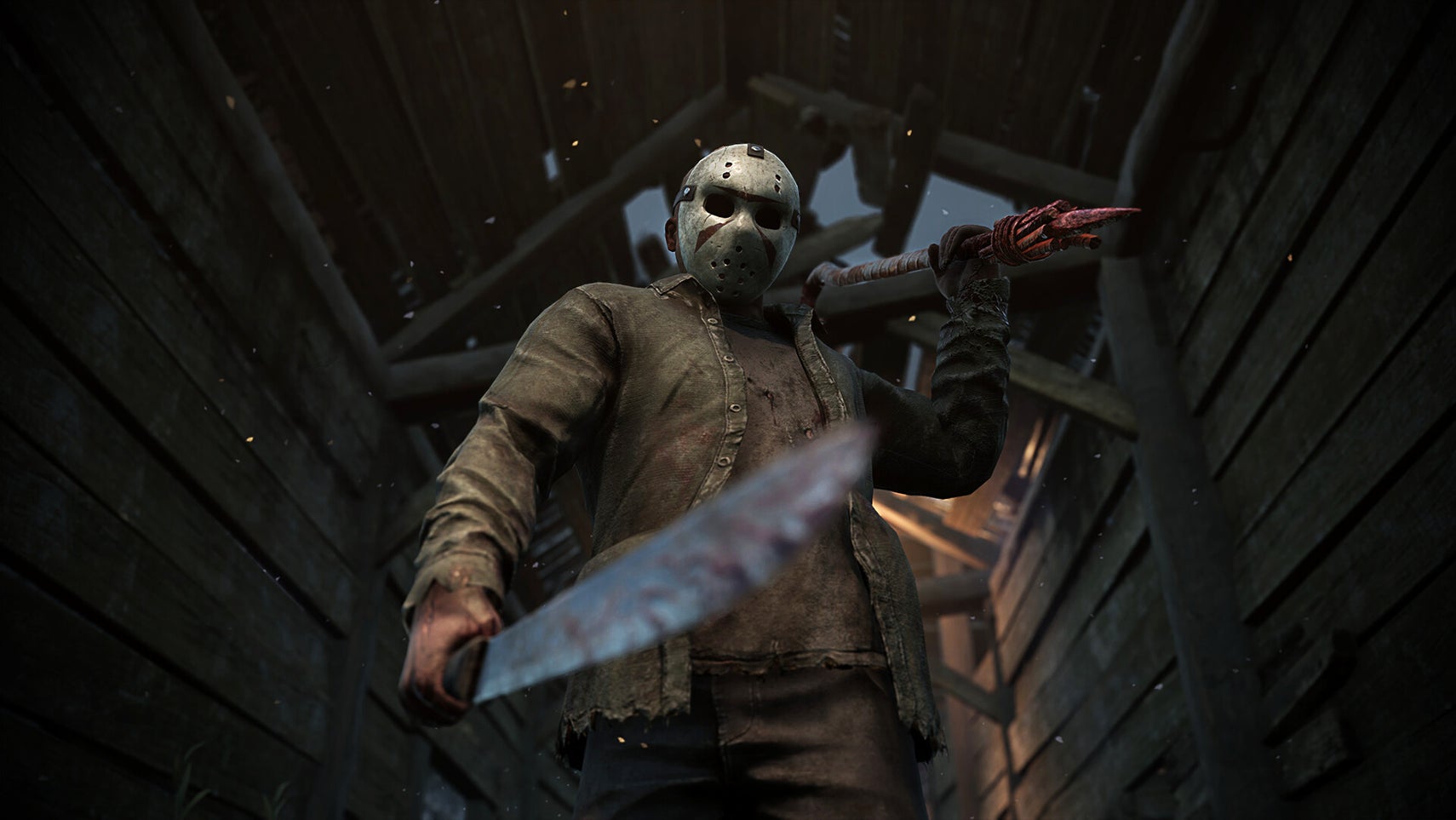
The primary catalyst for this recent surge is the long-awaited inclusion of a horror icon: Jason Voorhees. For years, the Friday the 13th antagonist was the "white whale" of the Dead by Daylight community—a character whose rights issues were so labyrinthine that many fans believed he would never grace the Entity’s realm.
The reveal trailer, which sparked immediate viral excitement, confirmed that the Crystal Lake slasher has finally arrived, bringing his signature machete and telepathic, unstoppable lethality to the game. Alongside this monumental licensing deal, Behaviour Interactive unveiled a robust Year 11 roadmap. This roadmap promises more than just new characters; it pledges comprehensive visual overhauls, mechanical refinements, and quality-of-life updates designed to modernize the game’s decade-old foundation.
The impact was immediate. SteamDB, the definitive tracker for PC gaming metrics, recorded a massive spike in engagement. As of this writing, Dead by Daylight peaked at 125,820 concurrent players—a figure that represents an all-time high for a title that first launched in 2016. This surge suggests that the combination of legacy horror icons and a clear, ambitious future roadmap is a potent cocktail for attracting both returning veterans and curious newcomers.
A Chronology of Survival: From Indie Underdog to Horror Titan
To understand the significance of these numbers, one must look at the game’s trajectory. Dead by Daylight did not begin as the cultural phenomenon it is today.
- 2016 (The Beginning): The game launched with a modest roster of original killers (The Trapper, The Wraith, and The Hillbilly). It was a niche title that relied heavily on "cat-and-mouse" mechanics and atmosphere.
- 2017–2019 (The Licensing Era): Behaviour Interactive realized the power of horror cinema. By introducing Michael Myers (Halloween), Leatherface (The Texas Chain Saw Massacre), and Freddy Krueger (A Nightmare on Elm Street), the game transformed into a "Horror Museum." This era cemented the game as the premier destination for fans of the genre.
- 2020–2022 (Expansion and Cross-Play): As the player base grew, the technical infrastructure evolved. The implementation of full cross-play across PC, PlayStation, Xbox, and Nintendo Switch was a watershed moment, effectively unifying the community and ensuring that queues remained healthy regardless of the platform.
- 2023–2024 (The Modern Era): The focus shifted from merely adding content to refining the core loop. The team began addressing "technical debt," improving engine performance, and leaning into the game’s lore with more cinematic storytelling. The announcement of a feature-length film adaptation, currently in development, signaled that the IP had moved beyond the confines of a computer screen and into the broader pop-culture zeitgeist.
Supporting Data: By the Numbers
The recent peak of over 125,000 concurrent players on Steam is particularly noteworthy because it only captures a fraction of the total ecosystem.
While Steam remains the most transparent platform for data, Dead by Daylight maintains a massive presence on the Epic Games Store, the Microsoft Store, and consoles. When accounting for the aggregate user base across PlayStation 5, Xbox Series X/S, and the Nintendo Switch, the total number of "active survivors" is likely several times higher than the Steam charts suggest.
Furthermore, the "stickiness" of the game—the ability to keep players coming back—is reflected in the sheer volume of content releases. Behaviour Interactive maintains a relentless pace, releasing new chapters roughly every three months. This cadence ensures that the game’s "meta" is constantly shifting, preventing the gameplay from becoming stale. The recent uptick in player counts coincides perfectly with the start of the summer holiday season, traditionally a peak time for engagement, suggesting that the developers timed their marketing efforts with surgical precision.
Official Responses and Strategic Vision
Behaviour Interactive has been remarkably transparent regarding their long-term philosophy. Perhaps the most significant decision made by the leadership team is the explicit refusal to develop a sequel.
In a gaming industry obsessed with "Part 2s" and engine resets, the developers have doubled down on the idea of a "living game." The rationale is clear: Dead by Daylight is a platform. By investing in the existing foundation—upgrading textures, refining hit-detection, and expanding the lore—they are building upon an established investment for their players.
"We’re not going to do a Dead by Daylight 2," a developer representative recently stated. "We want to continue to evolve the experience we have."
This strategy avoids the "split-community" problem that plagues many sequels, where the player base is divided between the old and new versions. Instead, all efforts are focused on a single, continuously improving product. This philosophy has earned the developers significant goodwill, as players feel their time, cosmetic investments, and mastery of the game’s mechanics remain relevant for the foreseeable future.

Implications: The Future of the Asymmetrical Genre
The success of Dead by Daylight has profound implications for the gaming industry at large.
1. The Power of Licensing
The game has proven that "crossover content" is the most effective marketing tool for a live-service game. By acting as a digital archive for horror history, Dead by Daylight provides a service that no other game can match. The integration of Jason Voorhees is the culmination of this strategy, proving that even the most difficult rights negotiations can eventually yield results.
2. The Longevity of the Live-Service Model
The game’s trajectory challenges the narrative that live-service games have a short "shelf life." With the right amount of community engagement and consistent updates, a well-managed title can remain a top-tier performer for a decade or more.
3. Cross-Media Synergy
With a live-action film in production, Dead by Daylight is poised to enter a new phase of expansion. Much like The Last of Us or Fallout, the move to television and film is expected to act as a funnel, introducing millions of horror fans who may not have previously touched a video game to the property.
As we look toward the remainder of the year, all eyes remain on the Entity. With the summer months ahead and a clear roadmap of visual and mechanical improvements on the horizon, it is increasingly likely that the record-breaking numbers of this past weekend are not the end of the growth, but merely the beginning of a new, blood-soaked chapter. The game is no longer just a trend; it is an institution, and for the foreseeable future, the survivors—and the killers—are here to stay.
 Laily UPN
  Nila Kartika Wati
  Asro
Asro 