
 By Asro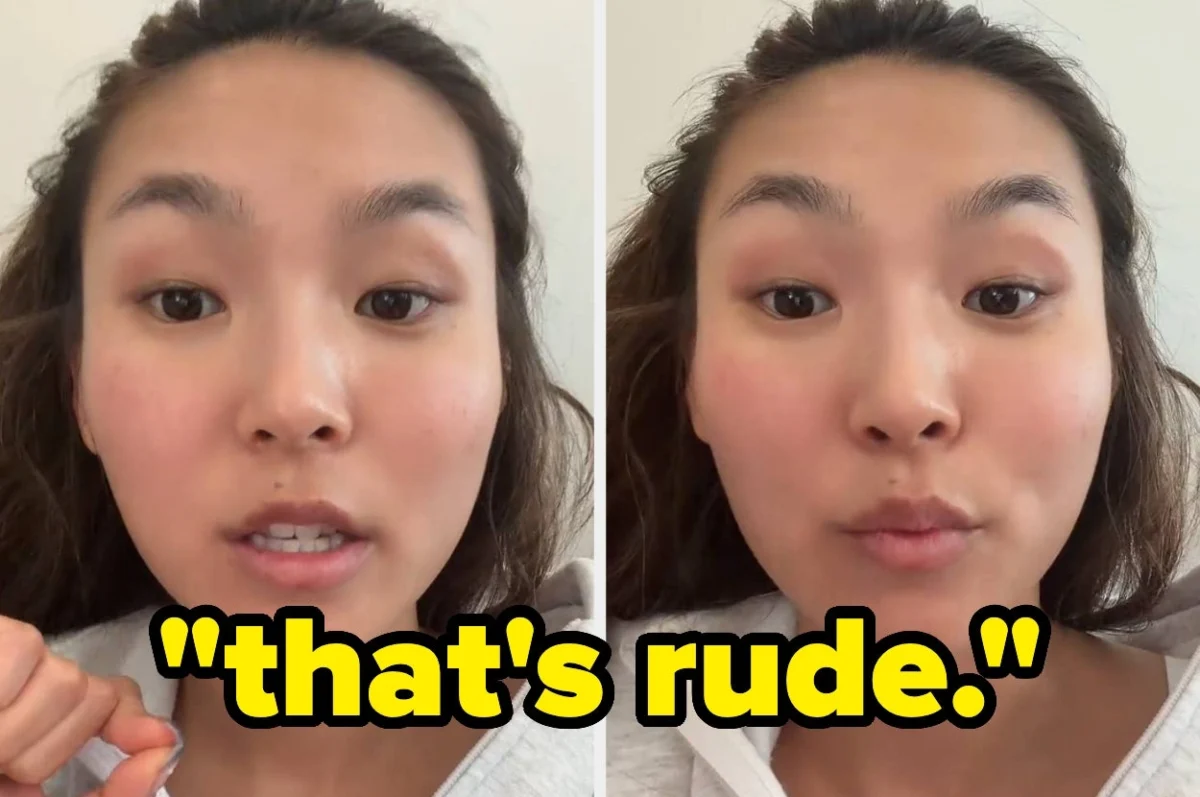
In the hyper-curated landscape of social media, where perfection is often the default setting, the line between "enhancing" a photo and distorting reality has become increasingly blurred. Recently, Olympic gold medalist and professional snowboarder Chloe Kim thrust this conversation into the spotlight with a candid—and decidedly divisive—TikTok video. Her plea to fans regarding the "etiquette" of photo editing has ignited a fiery debate that touches on body image, social boundaries, and the psychological toll of digital perfectionism.
The Catalyst: Chloe Kim’s Call for "Professional" Courtesy
Chloe Kim, celebrated as much for her effortless style as her gravity-defying athletic prowess, took to TikTok to address a recurring grievance. When fans stop her for a photo, she is more than happy to oblige. However, she has noticed a trend that she finds both personally frustrating and objectively rude: fans who post photos of the two of them, but choose to "Facetune" only themselves.
"If you are going to stop me for a photo and you’re gonna post it, Facetune me, too," Kim stated, addressing her followers with a mix of humor and frustration. Her point was straightforward: if an individual feels the need to smooth their skin, brighten their eyes, or reshape their jawline using photo-editing software, they should extend that same "courtesy" to the person standing next to them. By leaving her face untouched while digitally altering their own, Kim argues that users are inadvertently highlighting their own perceived "flaws" in others, or worse, implying that the other person is not worthy of the same polished presentation.
Chronology of the Digital Firestorm
The video, posted within the last 48 hours, gained immediate traction, racking up millions of views and thousands of comments.
- Initial Posting: Kim shared the video, framing it as a "public service announcement" regarding social media manners.
- The Athlete Solidarity Wave: Within hours, fellow elite athletes, including tennis star Coco Gauff and gymnast Suni Lee, chimed in, echoing Kim’s sentiments. Their participation signaled that this is a frustration shared by many public figures who are frequently subjected to the "selective editing" of fans.
- The Counter-Argument Emerges: By the following morning, the comment section and external platforms like X (formerly Twitter) and Reddit began to push back. The conversation shifted from "polite etiquette" to the ethics of altering someone else’s physical appearance without consent.
- Wider Cultural Discourse: By day two, the conversation moved beyond Kim’s specific situation, evolving into a broader analysis of how apps like Facetune, Lightroom, and AI-powered filters are eroding our collective grasp on what human beings actually look like.
The Ethical Dilemma: Consent and Self-Perception
The debate currently raging online is divided into two distinct schools of thought.
The "Courtesy" Argument
Proponents of Kim’s stance argue that photo editing has become a social norm. If a photo is being posted to a public feed, it is common practice to ensure that the image is aesthetically pleasing. By this logic, if you are going to edit a group photo, you have a duty of care to ensure all subjects look their best. To edit only yourself is perceived as a "dig" at the other person—a silent statement that says, "I care about my image, but yours is fine as it is," or even, "I am the priority here."
The "Consent" Argument
Conversely, a growing contingent of critics argues that editing someone else’s face is a violation of autonomy. A user on Reddit captured the sentiment succinctly: "I had a friend recently who Facetuned a pic of both of us, and I was like, ‘Girl?? What are you trying to say? That I need Facetune??’"
This perspective suggests that by editing someone else, you are projecting your own insecurities onto them. It implies that their natural appearance is insufficient. Furthermore, from an ethical standpoint, many argue that nobody has the right to alter another person’s likeness. By smoothing out a person’s wrinkles or narrowing their nose, the editor is effectively gaslighting the public about what that person looks like, creating a false narrative of beauty standards that the subject never consented to.
The Psychological Implications: A "Scourge on Body Image"
Beyond the immediate social etiquette, experts in media psychology have long warned about the dangers of the "Facetune culture." The constant exposure to filtered images—and the act of filtering oneself—has been linked to a rise in body dysmorphic disorder (BDD).
When we normalize the idea that our faces should be edited before they are "fit for consumption," we create a cycle of perpetual dissatisfaction. Chloe Kim’s request, while perhaps meant in jest, inadvertently highlights a grim reality: we have reached a point where even the most accomplished, beautiful people feel the need to be "corrected" by random fans.
The implications for the average social media user are even more severe. When teenagers and young adults see their idols or peers constantly smoothing their skin, they begin to view natural pores, textures, and asymmetry as "errors" that need fixing. The digital landscape has turned the human face into a piece of graphic design that is never "finished."
Official Responses and Public Sentiment
The response from the public has been polarized. Some users have pledged to honor Kim’s "rule," agreeing that it is a matter of respect. Others have taken a hardline stance against editing altogether, suggesting that the solution isn’t to edit everyone, but to stop editing anyone.
"I think it’s time we just stop posting filtered photos of ourselves, let alone others," one commenter noted. "If we all just posted the raw version, the pressure would evaporate."
While no major celebrities have issued formal press releases regarding their "editing policies," the support from Gauff and Lee suggests that this is an unspoken rule of thumb in the celebrity world. When public figures stand together on an issue, it often forces a shift in digital etiquette. However, the pushback from the general public suggests that this is not just about celebrity culture; it is about a fundamental disagreement on how we should present ourselves in the digital age.
The Future of Digital Authenticity
Is there a middle ground? Perhaps. Many are now calling for a "raw" movement, where influencers and celebrities post unedited photos to counteract the tide of artificial perfection.
The debate sparked by Chloe Kim is ultimately a sign of progress. It forces us to confront the uncomfortable reality of the tools we use daily. When we edit a photo, we are making a choice about what is "acceptable" and what is "flawed." By questioning the etiquette of this process, we are, by extension, questioning the standards of beauty that have been imposed upon us by the very software we download.
Conclusion: A Conversation We Needed
Chloe Kim’s TikTok may have started as a casual observation, but it has touched a nerve that runs deep in modern society. Whether you agree that fans should "Facetune" their idols or you believe that altering anyone’s face is an ethical boundary that should never be crossed, the core issue remains the same: we are becoming increasingly detached from reality.
As we move forward, the conversation will likely shift from "How should we edit?" to "Why are we editing at all?" For now, if you find yourself taking a selfie with an Olympic champion—or anyone else—perhaps the best approach is to skip the filter entirely. After all, the most authentic version of yourself, and the people you admire, is always more interesting than a digital approximation.
The question remains: will the culture of the "perfect edit" prevail, or are we finally beginning to demand a more honest, unfiltered version of our digital lives? Only time will tell, but for now, the debate continues to rage, one pixelated photo at a time.
 Muslim
  Ammar Sabilarrohman
  rifanmuazin