
 By Muslim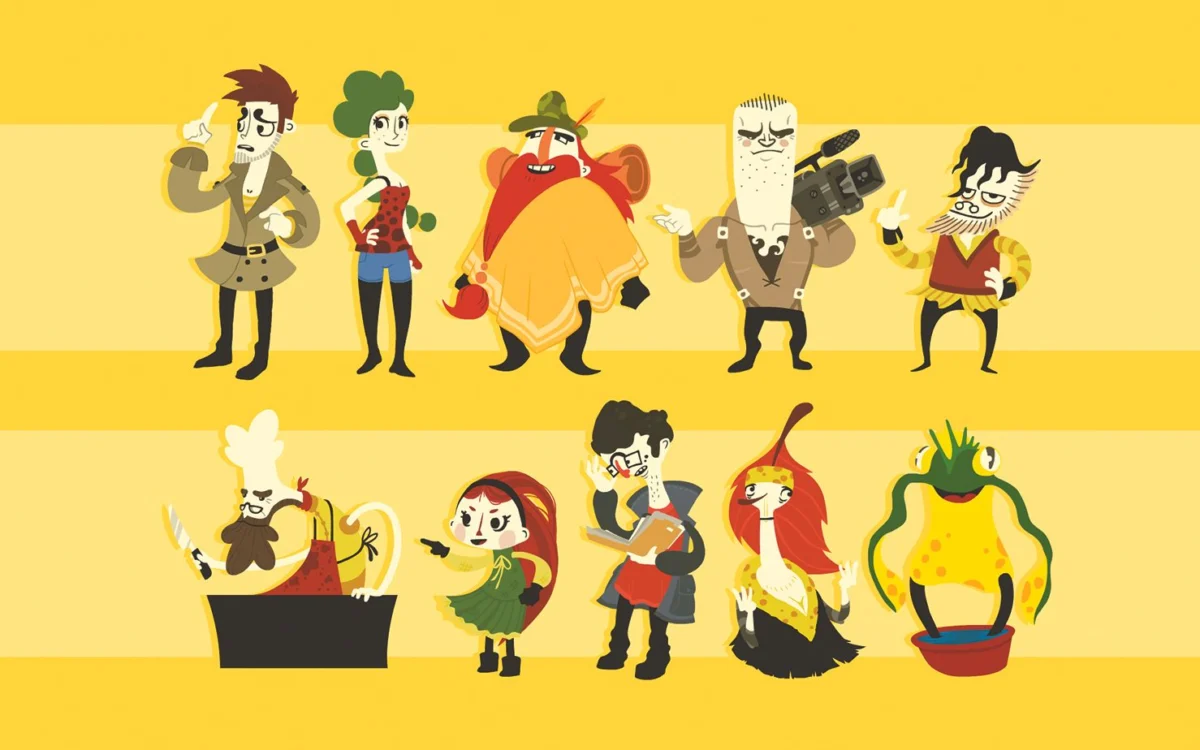
The history of video games is frequently narrated through the lens of technical transition—a relentless march from low-resolution, two-dimensional sprites to the hyper-realistic, high-fidelity 3D environments that dominate the modern market. However, this progress-focused narrative risks dismissing 2D art as a relic of nostalgia. For Adam Vian, lead artist and creative director at SFB Games, 2D is not a limitation to be outgrown, but a fluid medium that evolves alongside the artist’s own maturity, technical influences, and collaborative relationships.
With the release of The Mermaid Mask, the fourth installment in the long-running Detective Grimoire series, Vian has taken a moment to reflect on the studio’s trajectory. From the scrappy, fast-paced world of early 2000s Flash animation to the sophisticated, multi-layered visual puzzles of modern adventure gaming, the studio’s journey offers a masterclass in artistic iteration.
A Legacy Built on Flash: The Early Years
The roots of SFB Games lie in the nascent era of browser-based gaming. Working alongside his brother, Tom, Adam Vian began his career in his teenage years, cutting his teeth on platforms like Newgrounds. In an era before sophisticated digital rights management and algorithmic discoverability, the internet was a lawless, creative playground.
"It was a blissful existence," Vian recalls. "You could make a game quickly, throw it online immediately, and start getting feedback and reviews that second. It was an amazing accelerant for us. We got through all of our bad ideas really quickly."
Vian draws a parallel to the classic artistic adage: every creator has a thousand "bad" works inside them that must be purged before true quality can emerge. For the Vian brothers, this meant rapid-fire development—often finishing an entire game in the span of a single week. Their first title, Kirby’s Star Scramble, was a product of necessity and opportunity. The character was simple to animate, the feedback was instant, and the process taught them the invaluable lesson that "finishing" a project is the most critical hurdle in any creative career.
Chronology of an Aesthetic: From Grimoire to Tangle Tower
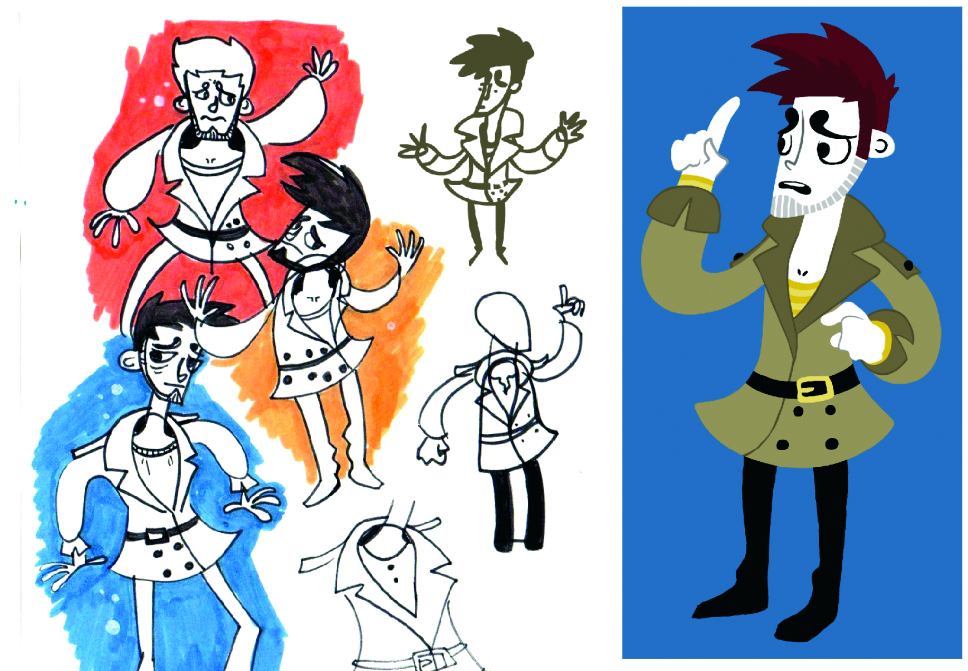
The Detective Grimoire series emerged from this prolific period, heavily inspired by the quirky, dialogue-heavy adventure games of the 1990s and 2000s, such as Monkey Island and Capcom’s Ace Attorney series. At 17, Vian’s design language was functional, if derivative. The original Grimoire was a archetype—a man in a brown trenchcoat—designed to fit the established tropes of the mystery genre.
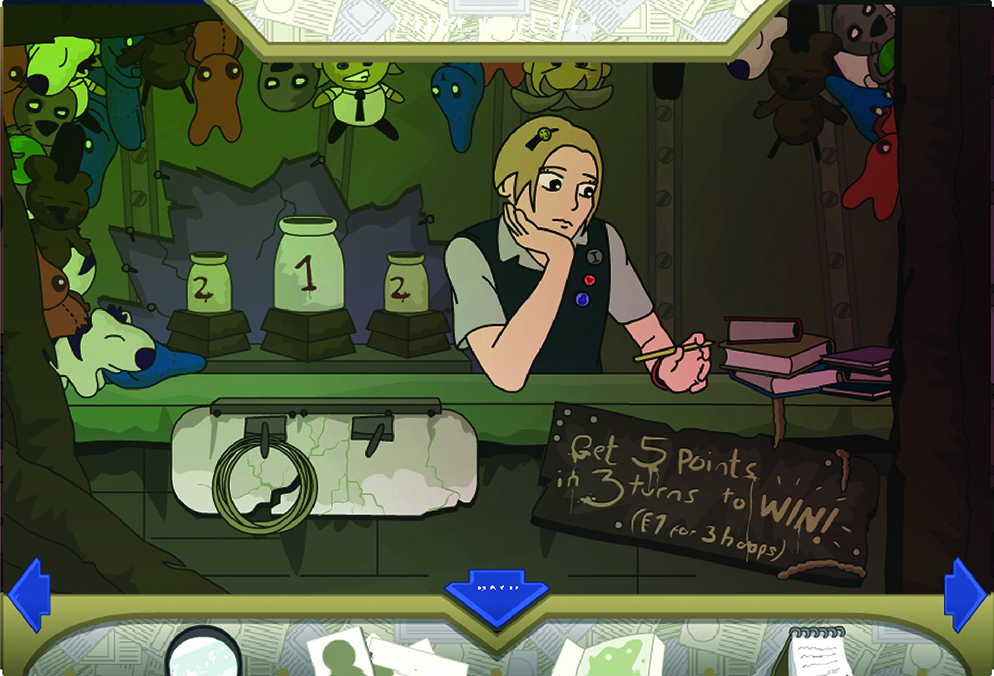
As Vian transitioned into formal art education at the University for the Creative Arts, his visual vocabulary expanded. The series began to shed its generic skin, moving toward the highly stylized, shape-driven aesthetic that defines SFB Games today.
The Influence of Shape
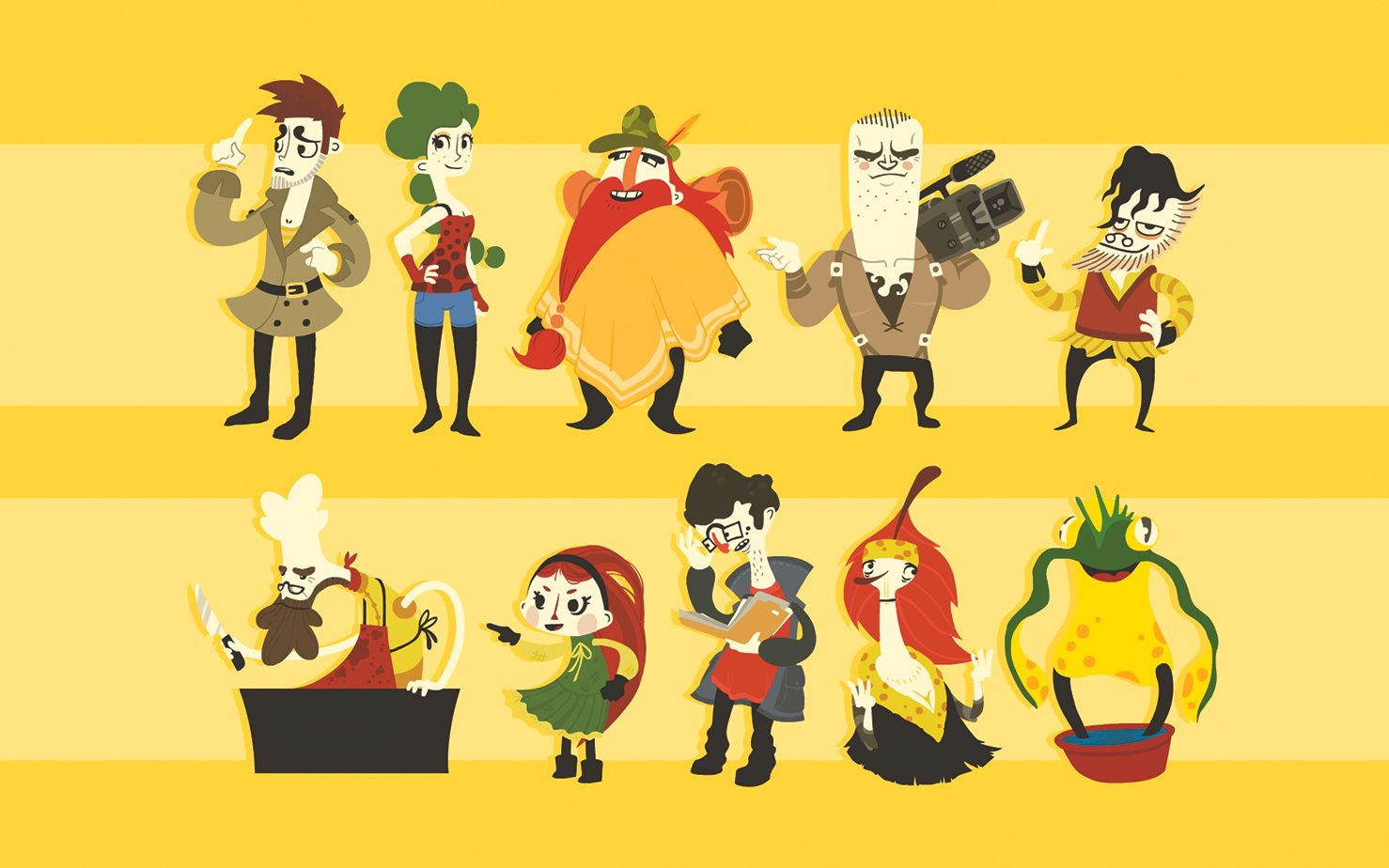
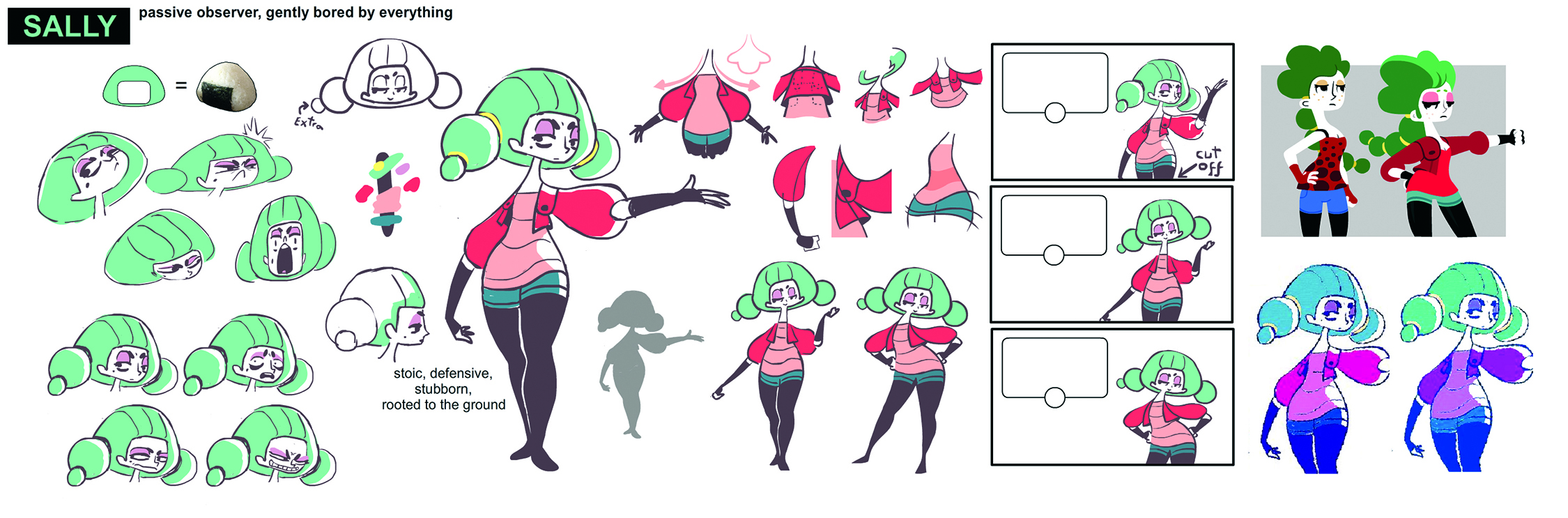
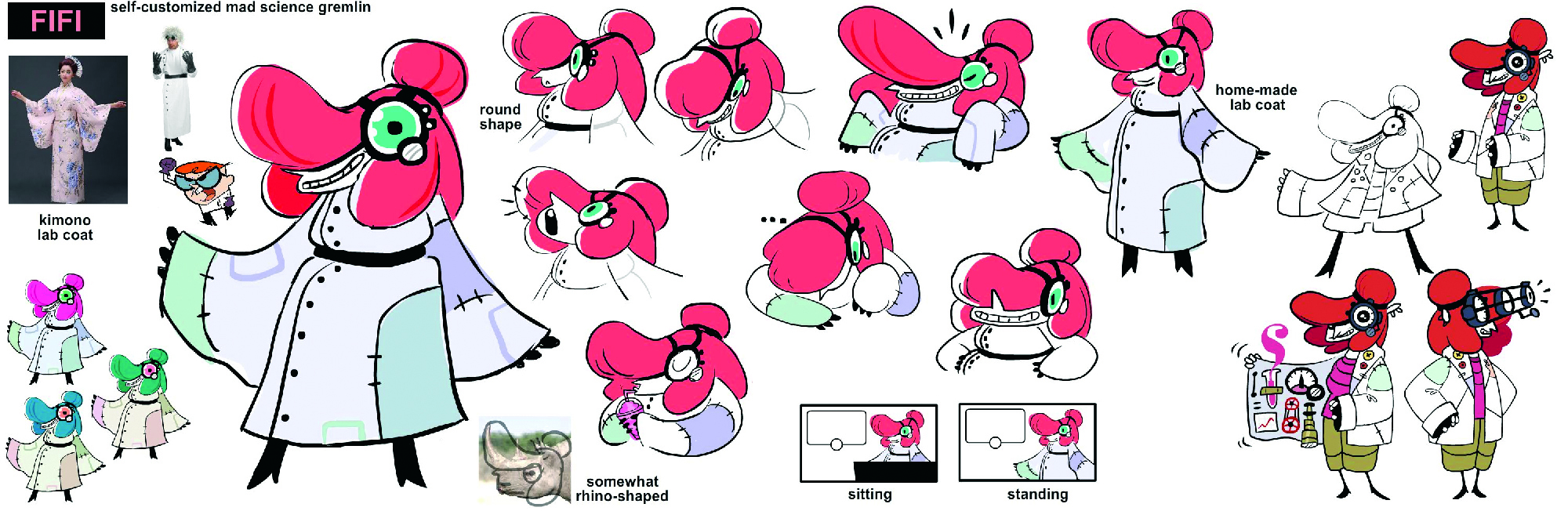
A pivotal shift occurred with Secret of the Swamp. Influenced by the fluid, abstract animation of Richard Williams’ The Thief and the Cobbler and the minimalist, shape-first character design of Genndy Tartakovsky (Samurai Jack), Vian began to prioritize silhouette over realism. "A good shape is good character design," Vian explains. Characters became caricatures of themselves—big, long, thin, with exaggerated features—all designed to be instantly readable against the backdrop.
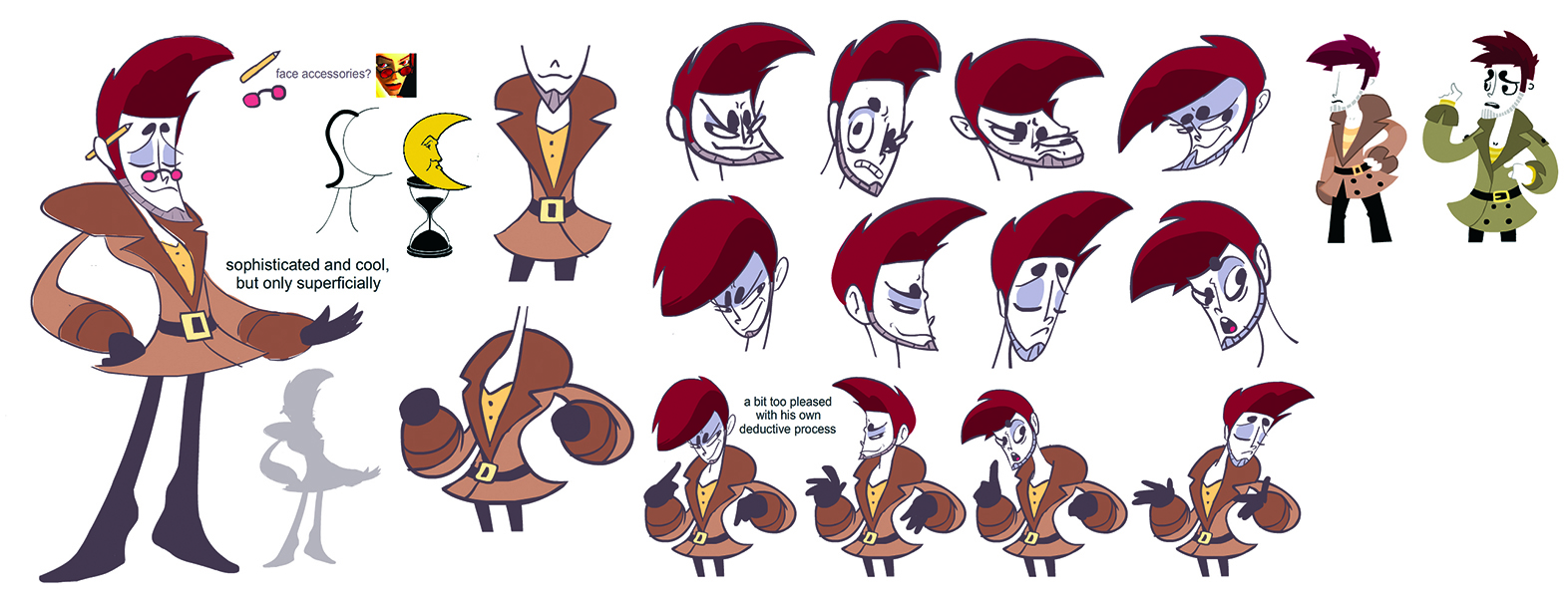
This philosophy reached a zenith in Tangle Tower, where Vian and long-time collaborator Catherine Unger pivoted toward a softer, more colorful, and "blobby" aesthetic. By the time they reached The Mermaid Mask, the studio achieved something rare in game design: a visual identity so robust that they could iterate upon it without needing to reinvent the engine or the art style from scratch.
Collaborative Synergy: The Art of the Sounding Board
One of the most defining aspects of SFB Games’ longevity is the collaborative partnership between Adam Vian and Catherine Unger. Unger’s influence extends far beyond background artistry; she serves as a critical sounding board for every facet of the game’s production.
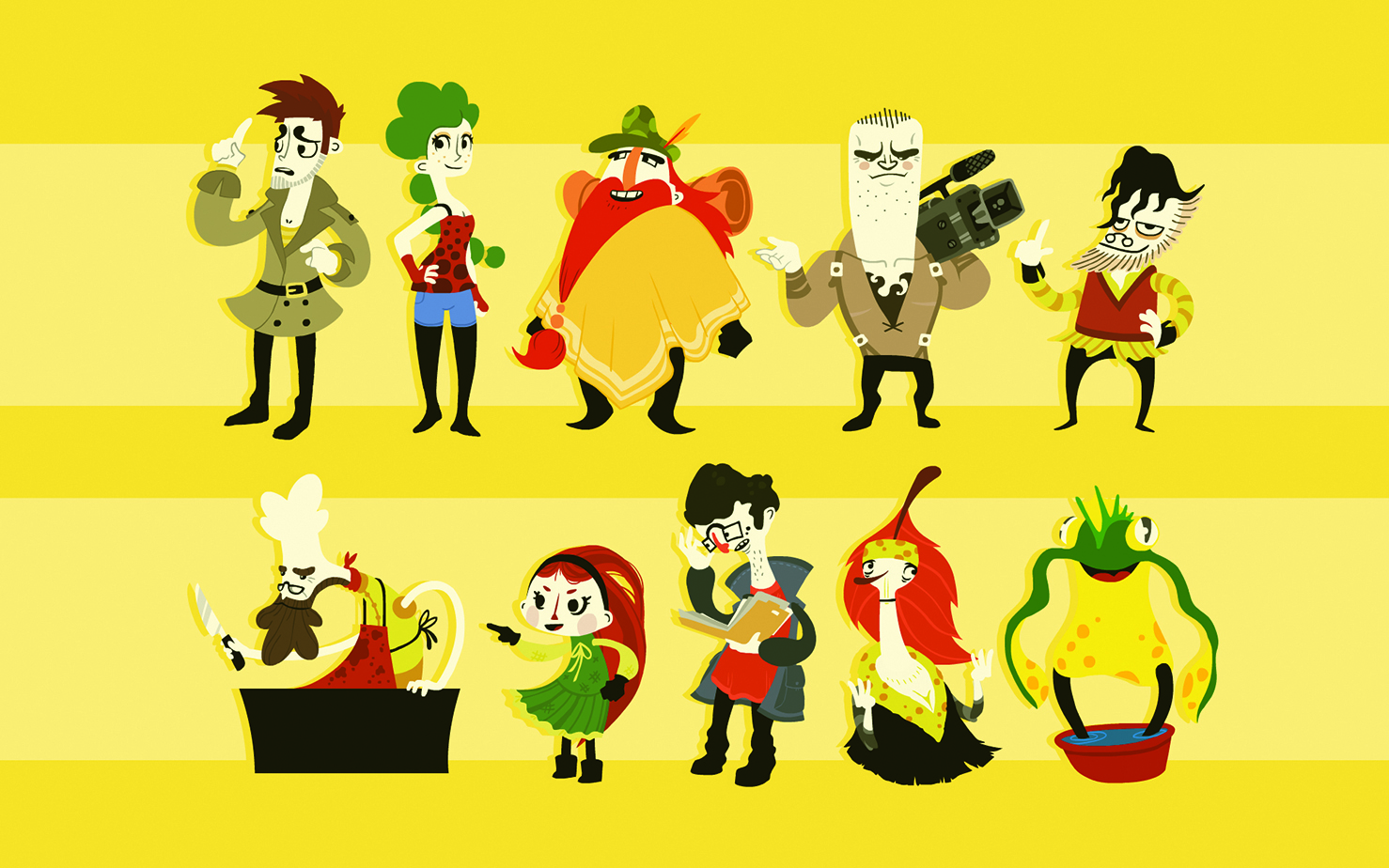
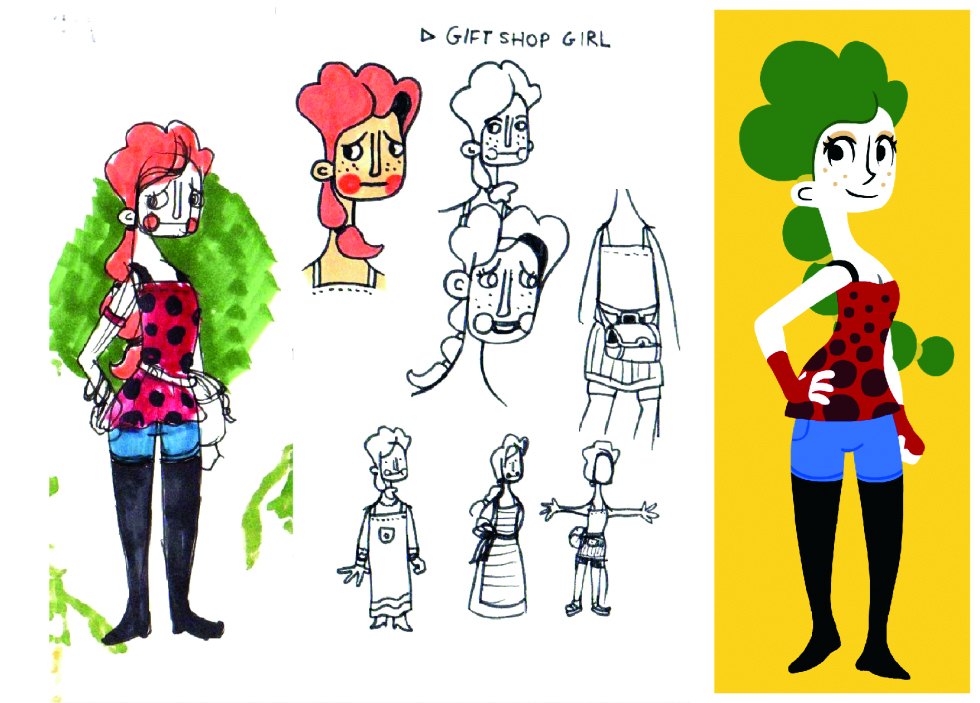
The pre-production process is rigorous and iterative. Vian describes a workflow where he and Unger will independently sketch characters, withholding their work from one another to avoid premature bias. Only after both have committed to their visions do they compare, contrast, and synthesize their ideas. This back-and-forth ensures that the resulting character designs are not just individual expressions, but collective improvements.
Further, the involvement of animator Charlotte Harris brings a layer of technical pragmatism to the art. Designing a character requires considering their full range of motion, their blink cycles, their teeth, and their body language. "You end up staring at them for most of the game," Vian notes, "so they have to be really complete and good."
Bridging the Gap: Integrating 3D into a 2D World
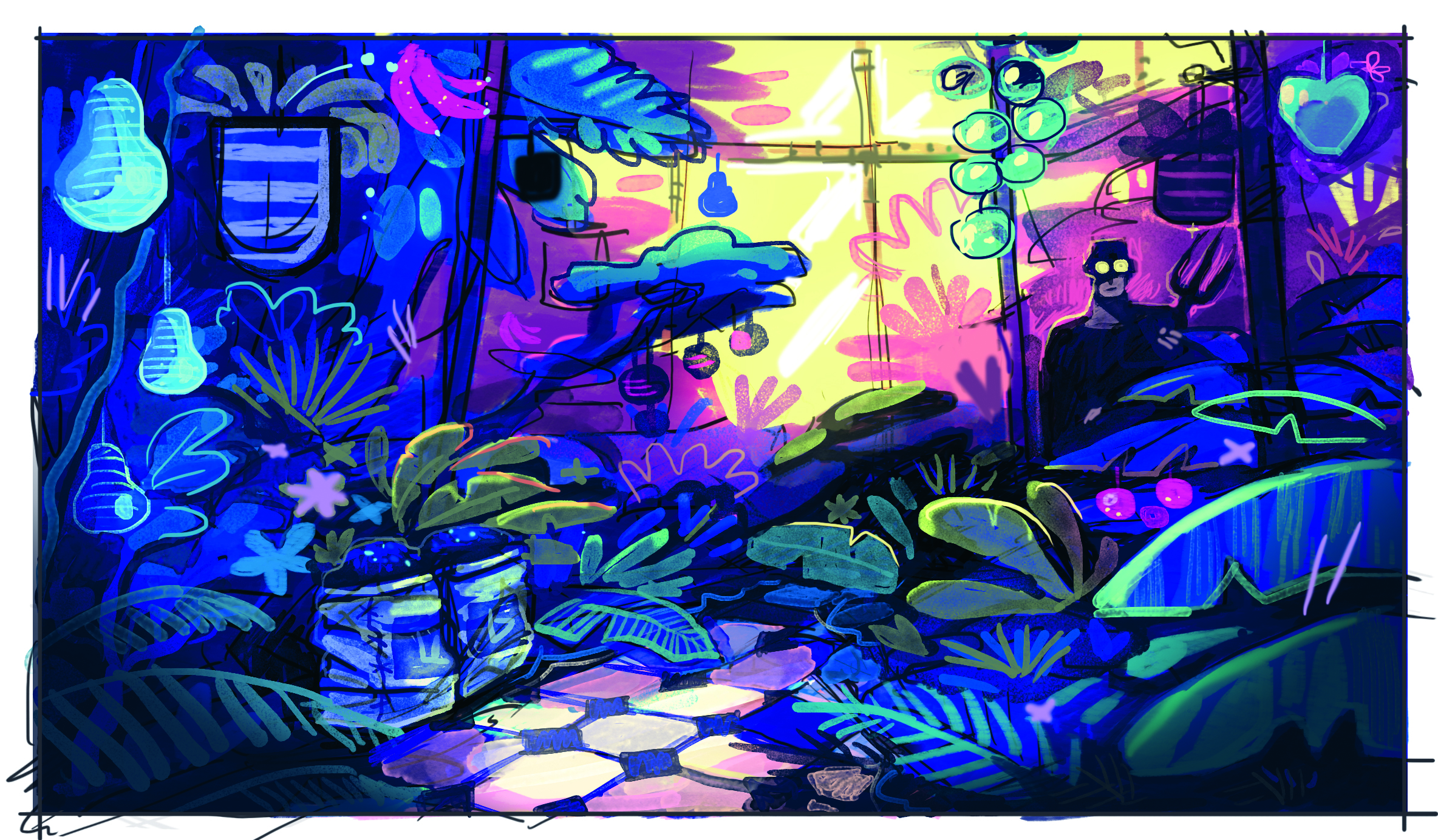
With The Mermaid Mask, SFB Games faced a new challenge: how to evolve the gameplay without breaking the aesthetic immersion. The team identified that while their 2D art was stellar, the "clues" in previous games—static, two-dimensional images—felt somewhat limited. They wanted to introduce the tactile nature of 3D objects, such as the ability to rotate a book or peek behind an item.
The solution was a hybrid approach. They brought in 3D artist Kindra Dantone, who specialized in translating painterly textures into 3D models. To maintain the series’ signature "hand-drawn" look, the studio developed proprietary tech art that applies a dynamic, wobbly outline around the 3D models. This mimics the inconsistency of a physical brushstroke, ensuring that the 3D objects feel like an organic extension of the 2D world.
"The 3D clues are the big selling point," Vian says. "It provides so much more ‘juice’ to the experience. It transforms the game from a passive visual novel into an interactive, hands-on mystery."
Implications for Aspiring Developers
Vian’s advice to the next generation of game developers is grounded in the reality of his own beginnings. He emphasizes that the "magnum opus" trap—where developers spend years chasing a grand, open-world RPG that never sees the light of day—is the fastest way to burnout and creative frustration.
"The best thing you can do to gain experience is to actually finish a project," he asserts. In the modern landscape, this means leveraging tools like Unity and platforms like itch.io. By keeping the scope small and the release cycle short, developers can gather the very feedback that Vian credits for his own growth.
Conclusion: The Future of the Grimoire Series
The Mermaid Mask stands as a testament to the idea that artistic evolution is a marathon, not a sprint. By refusing to chase industry trends and instead focusing on refining their own unique, hand-drawn voice, SFB Games has carved out a permanent niche in the adventure genre.
The studio’s evolution—from simple web-based parodies to the polished, multi-platform releases of today—highlights a vital truth about game development: the most important technological advancement isn’t the resolution of the pixels, but the development of the creator’s own taste and their ability to build a team that challenges and supports them. As Grimoire steps into his latest mystery, the studio behind him has proven that while the tools of the trade may change, the core pursuit remains the same: crafting a compelling story, one hand-drawn shape at a time.
Detective Grimoire: The Mermaid Mask is currently available on PC, PlayStation 5, and Nintendo Switch.
 Sagoh
Sagoh  Evan Lee Salim