
 By Lina Hope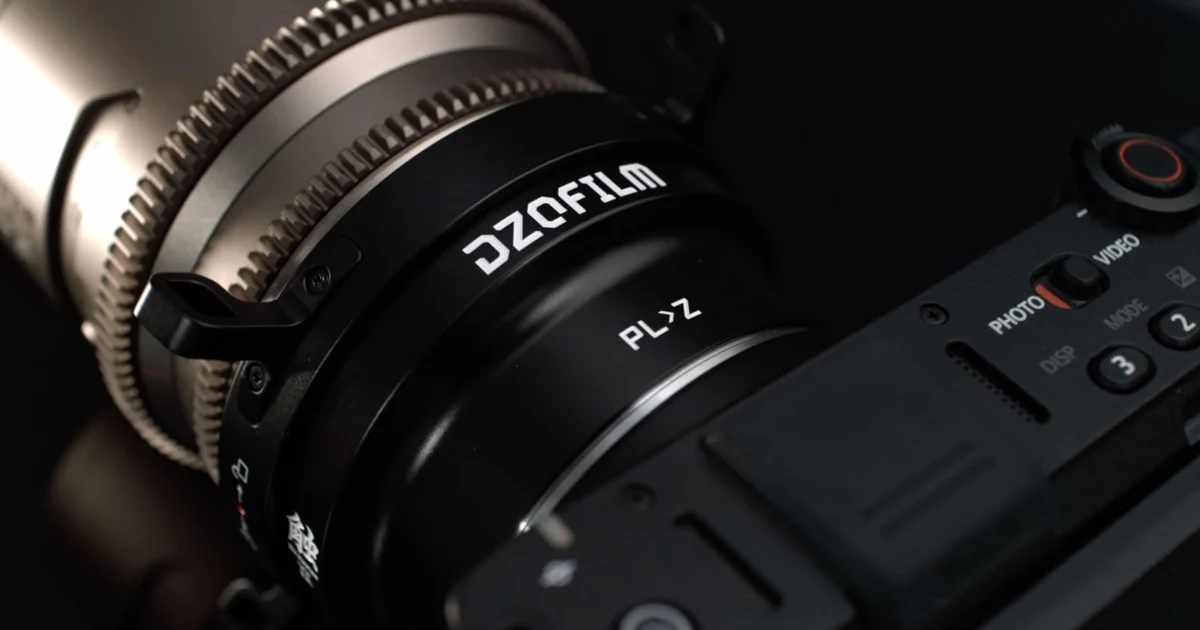
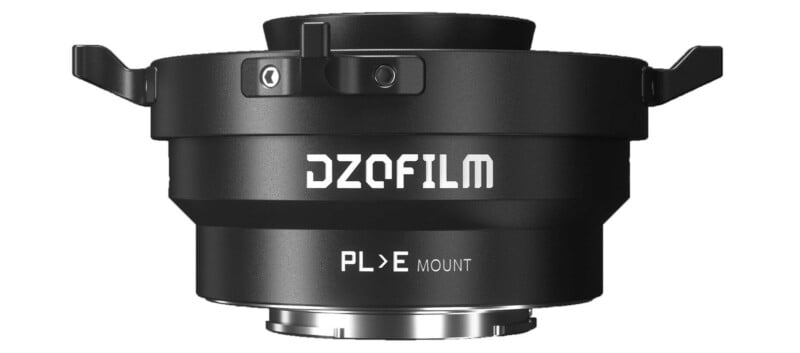
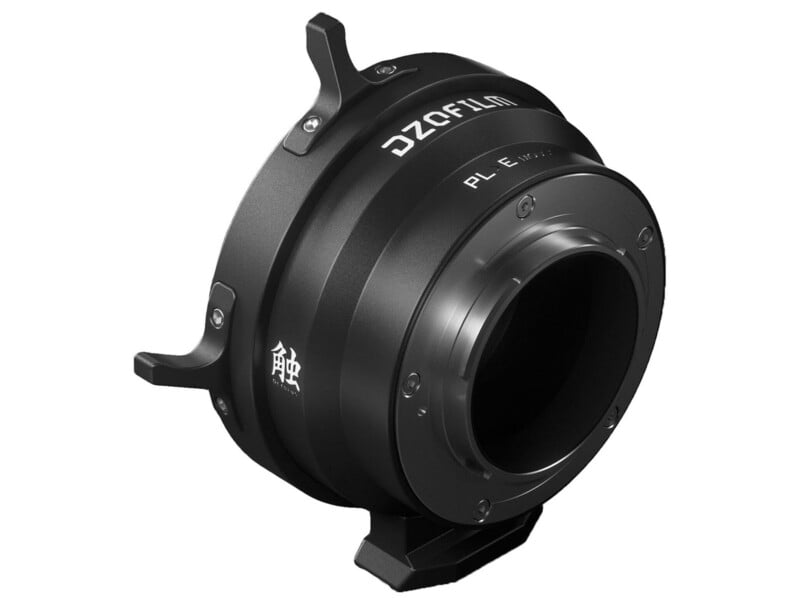
In the rapidly evolving landscape of digital cinematography, the bridge between professional-grade cinema glass and the modern mirrorless camera has never been more critical. Today, DZOFilm has officially announced the successor to its popular lens adapter line: the Octopus II. Engineered to allow filmmakers to utilize the industry-standard Arri PL-mount lenses on Sony E, Nikon Z, Canon RF, and L-Mount camera bodies, the Octopus II represents a significant leap forward in mechanical engineering, weight reduction, and internal design.
With a price point set at $199—a notable reduction from its predecessor—DZOFilm is positioning this tool as an essential component for both independent filmmakers and high-end production houses looking to maximize the versatility of their existing lens libraries.
Main Facts: A New Benchmark in Adapter Design
The Octopus II is not merely a cosmetic update; it is a fundamental redesign of the original Octopus platform. The most striking improvement is the massive reduction in weight. While the original Octopus PL-E adapter tipped the scales at 390 grams (13.8 ounces), the Octopus II weighs in at a feather-light 190 grams (6.7 ounces). This 50% reduction in mass is a game-changer for videographers utilizing gimbal stabilizers, drones, or handheld rigs, where every gram of front-heavy weight can impact balance and operator fatigue.
Beyond the weight reduction, the adapter boasts a "roomier" internal architecture. DZOFilm has increased the internal clearance by over 7%, a technical enhancement designed to accommodate a wider array of cinema lenses. This ensures compatibility with the company’s own esteemed lineups—including the Arles, Arcana, Vespid, Pictor, and Gnosis series—as well as third-party PL glass that may have previously struggled with mechanical interference in tighter adapters.
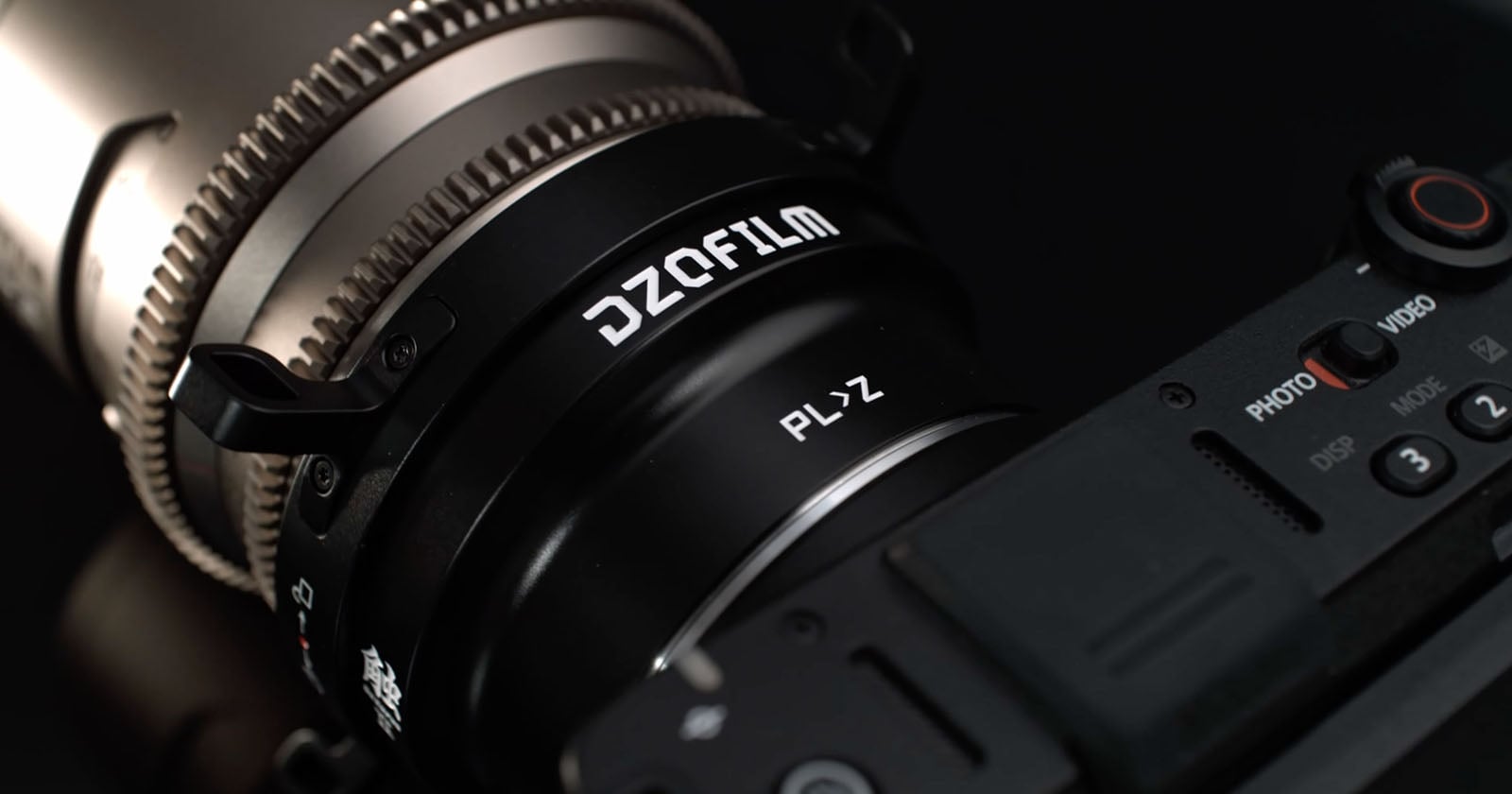
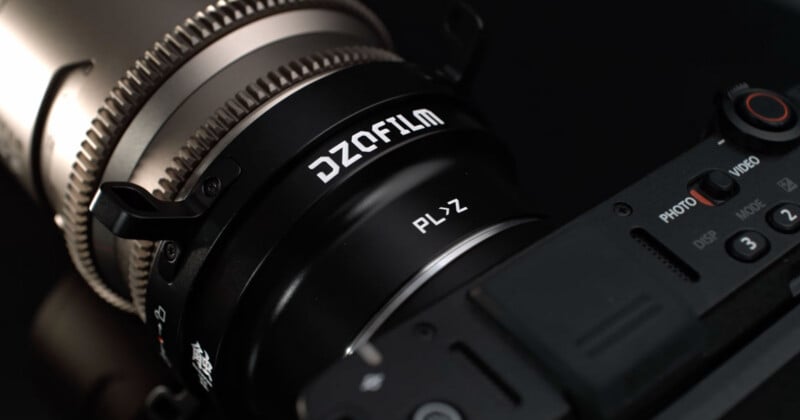
The adapter is constructed from a robust combination of aluminum alloy and stainless steel, ensuring that the critical mating surfaces remain rigid and precise. DZOFilm has rated the mount for 100,000 attachment cycles, suggesting a level of durability intended to withstand the rigors of long-term professional rental and production environments.
Chronology: From Concept to Cinema-Ready
The journey of the Octopus series began with the goal of democratizing high-end cinema optics. When the first Octopus adapter was launched, the market for adapting PL lenses to mirrorless cameras was fragmented, often relying on bulky or poorly calibrated mechanical solutions.
- The Original Launch: The first-generation DZOFilm Octopus established a reputation for reliability, providing a stable mechanical connection that maintained infinity focus without the need for shimming or complex calibration.
- The Market Feedback Loop: Following the release of the original, DZOFilm engaged in extensive R&D, listening to feedback from cinematographers who requested lighter designs for travel-heavy productions and better clearance for specialized glass.
- The 2026 Innovation Cycle: Development of the Octopus II focused on "lightweight resilience." By iterating on material science and internal geometry, the company successfully halved the weight while increasing the internal volume.
- Current Release: As of June 2026, the Octopus II is available for preorder across four primary mount variations: PL-E, PL-Z, PL-RF, and PL-L, marking a comprehensive rollout across all major mirrorless ecosystems.
Supporting Data: The PL-Mount Ecosystem
To understand the necessity of the Octopus II, one must look at the sheer volume of PL-mount glass currently in circulation. The Arri PL (Positive Lock) mount has been the industry standard for cinema cameras for decades. Because of this, there exists an enormous ecosystem of "legacy" and modern cinema lenses that offer distinct optical characteristics—"character" that native mirrorless lenses often lack.
Data from major retailers like B&H indicates that there are over 1,100 unique digital cinema lenses currently on the market featuring a native PL mount. This does not even account for the massive secondary market of vintage, re-housed, and specialty lenses.
| Metric | Original Octopus | Octopus II |
|---|---|---|
| Weight | 390g (13.8 oz) | 190g (6.7 oz) |
| Internal Space | Baseline | +7% Increase |
| Build Material | Aluminum/Steel | Aluminum/Steel |
| Rating | N/A | 100,000 Cycles |
| Launch Price | ~$269 | $199 |
The 7% increase in internal space is particularly vital. Many modern cinema lenses, especially those with complex rear-element designs, require specific flange-focal distances and internal clearance to prevent damage to both the lens and the camera’s sensor stack. The Octopus II has been precision-engineered to ensure these requirements are met without requiring the user to perform time-consuming "shimming" of the adapter.
Official Responses and Engineering Philosophy
DZOFilm’s engineering team emphasized that the "mechanical simplicity" of the Octopus II is its greatest feature. In a press statement accompanying the launch, the company noted:
"Constructed from an aluminum alloy and stainless steel, this mechanical Octopus II adapter maintains infinity as marked on your lens, no complex calibration required. We focused on the user experience—making it lighter to carry, easier to mount, and more compatible with the vast world of professional cinema optics."
The company’s decision to include a detachable 1/4"-20 threaded base is a direct response to the "heavy lens" problem. When using large-aperture cinema primes or heavy zooms, the stress on the camera mount can be substantial. The inclusion of this support base allows users to attach the adapter to a lens support or a camera cage, effectively distributing the weight and protecting the camera’s mount from potential warping or damage.
Implications: The Democratization of Cinema Glass
The implications of the Octopus II are twofold: it lowers the financial barrier to entry for cinema-quality optics, and it enhances the ergonomics of mirrorless video workflows.
1. Optical Versatility
For the owner of a Sony A7S III, a Canon R5 C, or a Nikon Z9, the Octopus II turns their mirrorless camera into a cinema-grade rig. By accessing the PL-mount market, a creator is no longer limited to "stills-first" lenses. They can access the distinct bokeh, focus breathing characteristics, and tactile manual controls of professional cinema glass.
2. Ergonomic Efficiency
The modern production landscape is dominated by small-crew, high-output environments. Whether it is a solo filmmaker shooting a documentary or a small crew on a commercial set, weight matters. A 200-gram weight reduction across the whole camera package (including cage, battery, and lens) adds up. The Octopus II allows for a more agile setup, enabling shots that would otherwise require heavy-duty stabilization equipment.
3. Cost-Effective Scaling
At $199, the Octopus II is a remarkably aggressive product. By dropping the price by $70 compared to its predecessor, DZOFilm is signaling a shift toward mass adoption. This pricing strategy suggests that the company views the adapter not as a luxury accessory, but as a utility—a standard piece of kit that every mirrorless videographer should keep in their bag.
4. Future-Proofing
The choice to release the adapter in four variations (PL-E, PL-Z, PL-RF, and PL-L) demonstrates DZOFilm’s commitment to the longevity of mirrorless systems. As long as these mount standards remain, the Octopus II will serve as a viable link, protecting the user’s investment in glass even as camera bodies themselves are upgraded or replaced.
Conclusion
The DZOFilm Octopus II is a testament to the idea that innovation doesn’t always have to be about adding "smart" features or electronic complexity. Sometimes, the most significant advancement is a refined, lighter, and more durable mechanical tool that solves a fundamental problem. By making professional cinema glass more accessible to the mirrorless community, DZOFilm is helping to bridge the gap between high-end Hollywood production and the independent creator.
As the industry continues to prioritize compact, high-performance gear, the Octopus II stands out as an essential bridge, proving that you don’t need a massive cinema camera body to achieve the cinematic look—you just need the right adapter.
 Laily UPN
  Reynand Wu