
 By Nana Muazin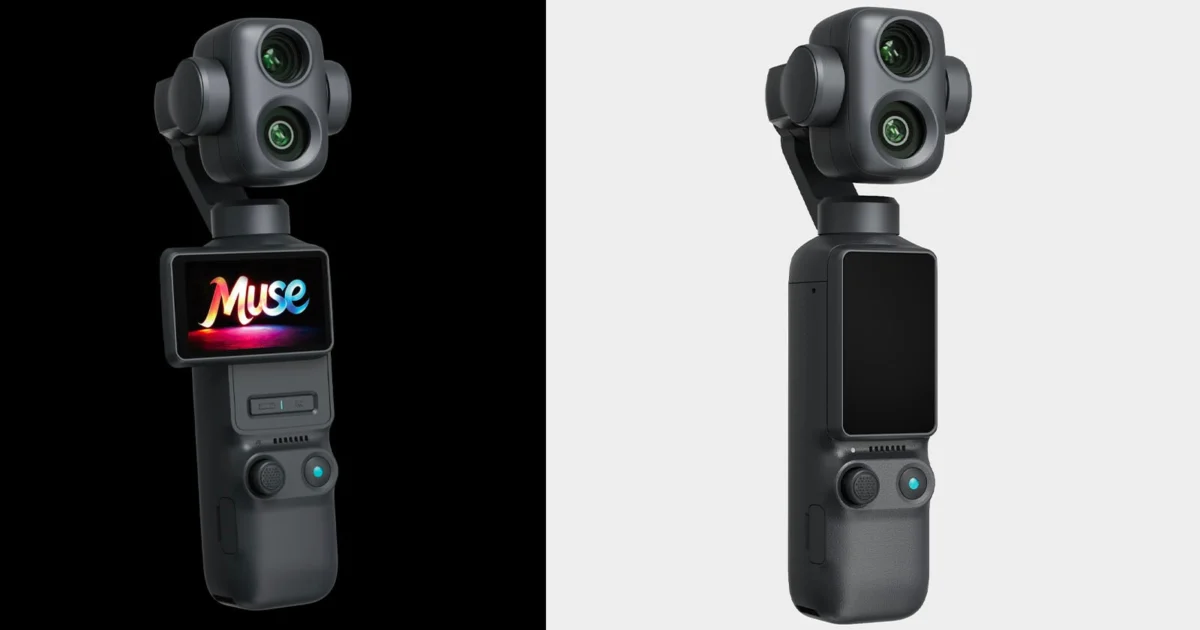
In a landmark move that signals a hardening stance on foreign technology imports, the U.S. Federal Communications Commission (FCC) has initiated a sweeping effort to purge the American marketplace of electronic devices it suspects of masking their true origins. By targeting companies allegedly rebranding DJI hardware to bypass existing U.S. restrictions, the regulatory body is for the first time invoking its authority to retroactively revoke equipment authorizations, effectively declaring a host of popular consumer gadgets an “unacceptable risk” to national security.
This aggressive regulatory pivot follows a recent string of punitive actions, including $25,000 fines issued to eight separate entities for failing to cooperate with federal inquiries. As the geopolitical landscape regarding Chinese-manufactured technology intensifies, the FCC’s latest maneuver places a spotlight on the supply chains of popular camera gear and the growing tension between consumer accessibility and national security protocols.
The Core Conflict: Identity and Attribution
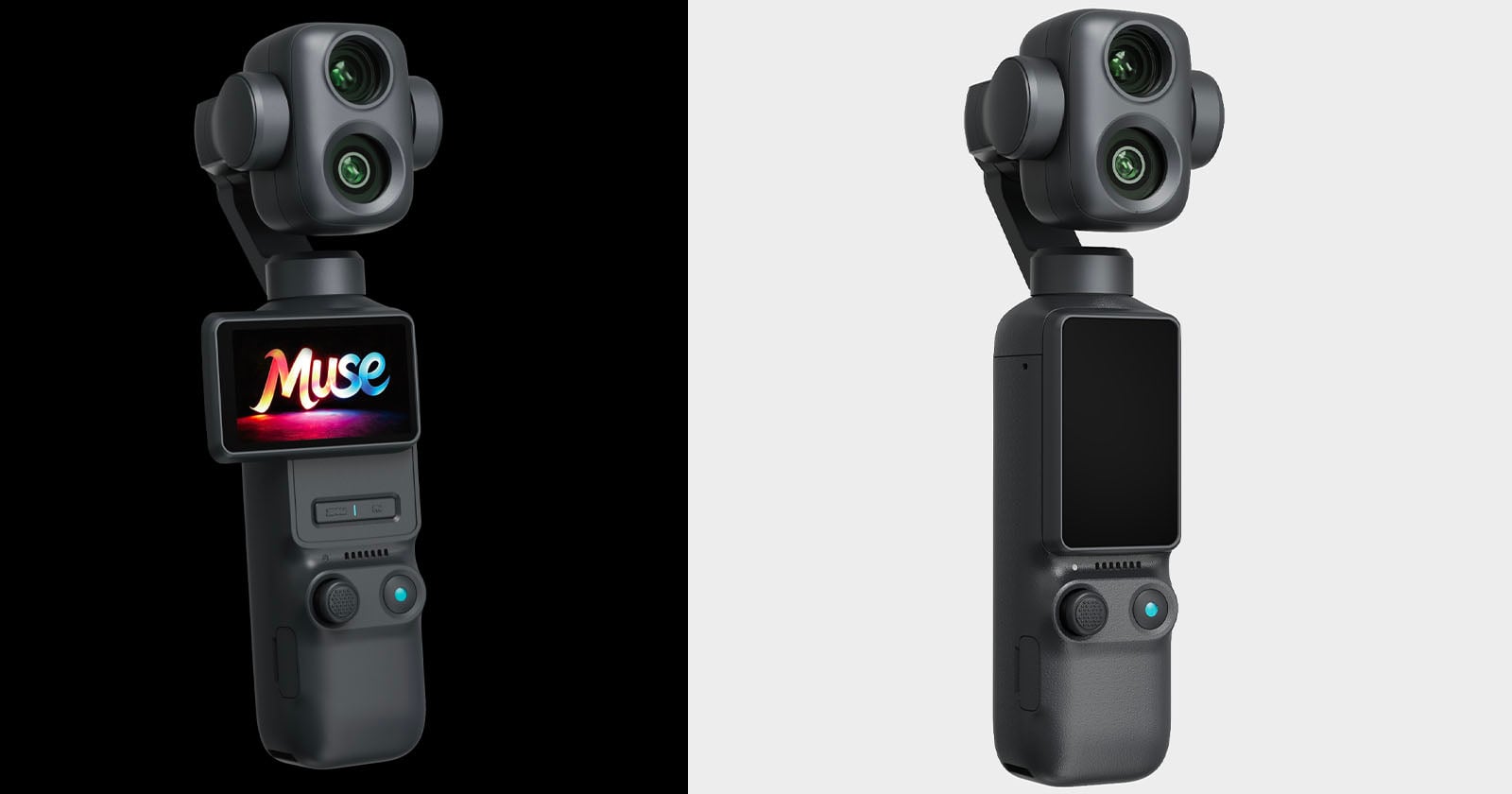
At the center of this controversy is the "white-labeling" of high-end camera equipment. Devices like the Xtra Muse 2 Pro, which bears a striking resemblance to the unavailable-in-the-U.S. DJI Osmo Pocket 4, have gained traction among content creators for offering flagship-level performance at a fraction of the cost of competitors like the Insta360 Luna Ultra.
The FCC’s argument is that these devices are not merely "similar" to DJI products, but are in fact DJI-manufactured hardware sold under shell company names to circumvent federal scrutiny. By operating under aliases—including Cogito, Fikaxo, Lyno Dynamics, Skyhigh Tech, Spatial Hover, SZ Knowact, WaveGo, Xtra, and XAG—these manufacturers have effectively flooded the U.S. market with hardware that would otherwise be prohibited or heavily restricted.
The regulatory body has determined that this obfuscation poses a systemic threat. By masking the origin of the technology, the agency argues, these companies bypass the security vetting processes required for hardware that handles sensitive data, geolocation, and high-fidelity imaging.
Chronology of Escalation: From Audit to Ban
The current crisis did not emerge in a vacuum. It is the culmination of years of friction between Chinese hardware manufacturers and U.S. regulatory agencies.
- Late 2024: The U.S. government placed DJI on a critical list, mandating an exhaustive security audit of its products to maintain its right to operate within the United States.
- 2025 (The Stagnant Year): Despite repeated public pleas from DJI for the federal government to commence the mandated audit, the process never materialized. Industry analysts suggest the delay was a tactical move by the U.S. to keep the manufacturer in a state of regulatory limbo.
- October 2026: In a pivotal vote, the FCC granted itself the explicit, unprecedented power to retroactively ban electronics that had previously received equipment authorization, should those products be found to violate security standards post-facto.
- July 2026: The FCC flexes its new muscle, issuing $25,000 fines to eight companies for failing to respond to administrative subpoenas regarding their ownership structures and manufacturing partnerships.
- Present Day: The FCC announces the intent to effectively "de-certify" these devices, signaling that the era of the "rebranded drone/camera" is coming to a swift close.
Supporting Data: The Anatomy of a Loophole
The success of devices like the Xtra Muse 2 Pro has been built on a gap in the market. With the legitimate DJI Osmo Pocket 4 effectively blacklisted from official U.S. retail channels, a demand vacuum emerged. Third-party importers filled this void by selling hardware that, on the surface, is a direct rival to products like the Insta360 Luna Ultra.
However, the economic implications are significant. The Muse 2 Pro, for instance, has been marketed at a price point nearly $700 cheaper than its legitimate counterparts. This undercutting strategy has not only disrupted the pricing power of legal competitors but has also sparked a flurry of legal activity, including patent infringement lawsuits filed by DJI against companies like Insta360—a complex legal battle that highlights how fragmented the industry has become.
Furthermore, the FCC’s investigation into SGS-CSTC Shenzhen has revealed deeper systemic vulnerabilities. As a primary testing laboratory for certifying products for the U.S. market, SGS-CSTC’s credibility has been gutted by the revelation that the Chinese state holds a 15% stake in the firm. Under U.S. law, any ownership stake exceeding 10% is deemed a "controlling interest," rendering any certification issued by the lab legally suspect in the eyes of the FCC.
Official Responses and the Regulatory Stance
The FCC’s public posture remains firm: these devices represent an "unacceptable risk." However, critics—including legal experts and industry observers—have pointed out that the FCC has failed to provide granular, publicly verifiable evidence of how these specific consumer gimbal cameras threaten national security.
In a move intended to provide a veneer of democratic oversight, the FCC has opened a 30-day public comment period on the proposed bans via the Electronic Comment Filing System (ECFS). Yet, skepticism abounds. As noted by industry watchdog reports, the FCC has a long-standing history of maintaining its regulatory course regardless of public sentiment or industry feedback. For many observers, the comment period is seen as a procedural formality rather than a genuine opportunity for policy revision.
Implications: What This Means for the Industry and Consumers
For the Consumer
If you currently own a device like the Xtra Muse 2 Pro, the news is—for the moment—neutral. The FCC’s ban is expected to focus on the future importation and sale of these items rather than the confiscation of private property already in the hands of citizens. However, owners should expect a total lack of support, software updates, or warranty services as these companies are forced to dissolve their U.S. operations.
For Retailers and Warehousing
The most immediate impact will be felt by e-commerce giants. With the FCC moving to strip these products of their certification, items currently sitting in Amazon warehouses or logistics hubs across the country may effectively become "contraband." Retailers will likely be forced to write off millions of dollars in inventory, as selling non-certified electronics carries severe federal penalties.
For the Technology Market
The broader implication is a chilling effect on innovation and supply chain transparency. If the FCC continues to exercise its retroactive ban authority, smaller, legitimate hardware manufacturers may find themselves unable to secure funding or retail partnerships, as the risk of a product being "banned after the fact" becomes a reality.
Moreover, this shift indicates that the U.S. is moving toward a "trusted vendor" ecosystem. Electronics manufacturers that cannot prove a clean, non-state-influenced supply chain may find themselves locked out of the world’s largest consumer market entirely.
Conclusion
The FCC’s recent actions represent a tectonic shift in how the United States handles technology imports. By effectively drawing a line in the sand—declaring that obfuscation of origin is as dangerous as the hardware itself—the government is attempting to force a level of transparency that has historically been lacking in the globalized tech sector.
Whether this strategy successfully mitigates national security concerns or simply drives the "ghost tech" market further underground remains to be seen. What is clear, however, is that the era of unrestricted access to low-cost, mystery-origin hardware is rapidly drawing to a close. For the consumer, the takeaway is simple: the "cheap alternative" may soon become a digital brick, as the regulatory walls continue to close in on the unauthorized import market.
 Raul Delapena Setiawan
  rifanmuazin
  Ammar Sabilarrohman