
 By Ali Ikhwan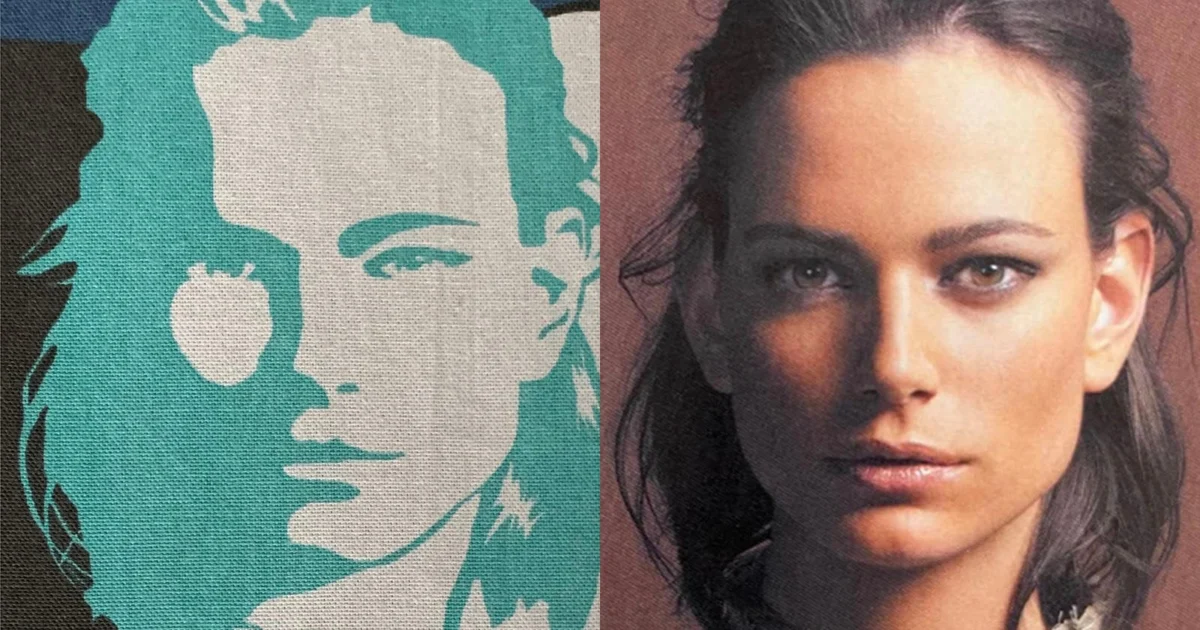
For the better part of four years, a corner of the internet was held captive by an unlikely obsession: a stylized, blue-and-white illustration on a piece of mass-produced fabric. What began as a mundane query on a Reddit forum in 2020 ballooned into an international, multi-year investigative project. Thousands of amateur sleuths, armed with facial recognition software, deep-dive archival research, and the collective willpower of the internet, dedicated themselves to identifying a single face hidden among a collage of A-list stars.
The phenomenon, dubbed "Celebrity Number Six," stands as a definitive case study in the power—and the occasional absurdity—of online crowdsourced investigation. It is a story that bridges the gap between low-stakes trivia and the complexities of modern digital ethics, copyright law, and the "lost media" phenomenon.
The Genesis of a Mystery
The saga began in 2020, when a Finnish Reddit user posted a photograph of a set of curtains featuring a repeating pattern of eight famous faces. The print appeared to be a collage of celebrities, likely sourced from a collection of stock photographs or magazine clippings. The Reddit community, known for its uncanny ability to identify pop-culture artifacts, quickly went to work.
Within days, seven of the eight faces were identified with near-total consensus. The roster included household names like Orlando Bloom, Jessica Alba, and Josh Holloway. However, the sixth face remained an enigma. Rendered in a distinct, high-contrast, stencil-like art style, the image showed a person with short, dark hair, a neutral expression, and ambiguous features. For the internet, the lack of a clear identity was an invitation for a challenge.
A Chronology of the Hunt
The search for "Number Six" evolved from a casual "Tip of My Tongue" thread into a dedicated, highly organized subreddit, r/CelebrityNumberSix, which boasted thousands of members. The chronology of the investigation highlights the shift from casual speculation to systematic, almost forensic data analysis.
2020–2021: The Era of Speculation
Initially, the search was characterized by "vibes-based" identification. Users debated the gender of the figure, with theories swinging wildly between male and female actors. Early candidates included everyone from Taylor Kitsch and River Phoenix to Olivia Wilde and various supermodels of the late 90s and early 2000s. The subreddit created massive, color-coded spreadsheets, meticulously logging every celebrity who matched the facial proportions and hairstyle of the mystery figure.
2022–2023: The Systematic Archival Search
As casual guessing failed, the investigation became more technical. Dedicated users began scraping digital archives, including the entirety of the Getty Images library. One user famously committed to reviewing every single photograph taken by a specific photographer between 1998 and 2007. They were looking for the exact angle, the exact lighting, and the exact shirt worn by the figure in the illustration.
This period was marked by "rabbit holes"—the discovery of look-alikes that were often debunked by minute discrepancies in ear shape, hairline, or jawline. The community became experts in "photo-matching," a skill set that essentially turned them into digital detectives specializing in historical media provenance.
2024: The Breakthrough
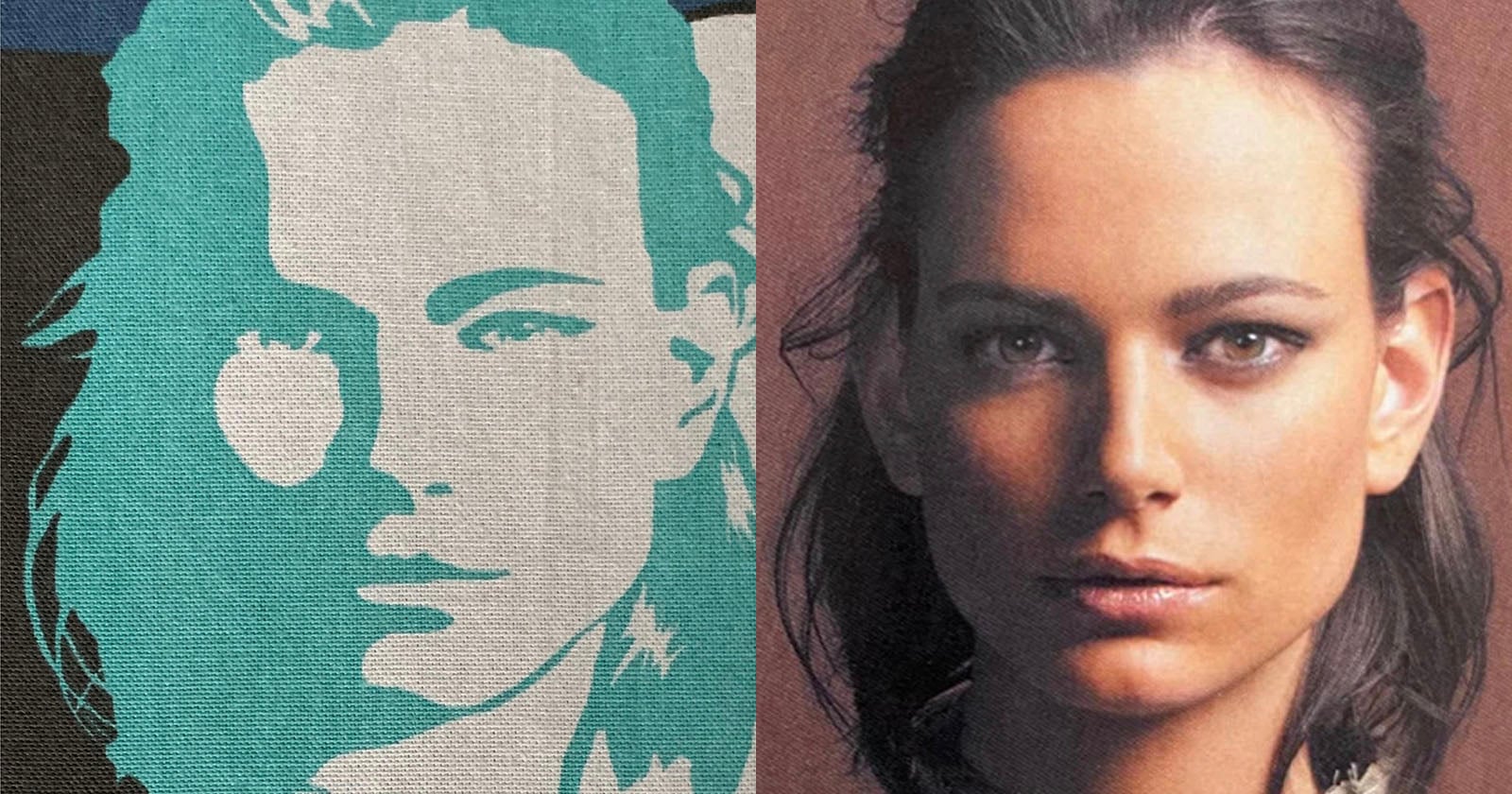
The turning point arrived when the community turned toward advanced technology. A user took the stylized illustration, digitally colorized it to better represent skin tones and features, and fed the image into PimEyes, a powerful facial recognition search engine. The results pointed toward a specific name: Leticia Sardá.
A Spanish Reddit user took the lead, reaching out to Leandre Escorsell, a professional photographer who had worked with Sardá in the early 2000s. When presented with the image, Escorsell confirmed it immediately. He revealed that the photo was indeed his work—a piece of intellectual property that had been lifted and repurposed for the curtains without his consent or compensation.
The Human Element: Leticia Sardá
The resolution of the mystery brought the focus back to the person behind the pixels. Leticia Sardá, a former Spanish model, was largely unaware of the digital firestorm her likeness had ignited.
When she finally entered the spotlight of the r/CelebrityNumberSix community, her response was one of genuine bewilderment. "Omg. What’s gonna happen? Why me?" she asked during an Ask Me Anything (AMA) session on Reddit. For Sardá, the image was a relic of a past life; she had retired from modeling in 2009 to prioritize family responsibilities, specifically the care of her ailing grandmother.
The discovery provided a surreal moment of closure for the online community. Sardá, embracing the oddity of the situation, began engaging with the community, eventually sharing a photograph of herself holding the original print alongside the illustration. Her willingness to participate turned a cold, investigative hunt into a human-interest story. She has since resumed modeling and even released prints of the original photograph, reclaiming the image that had been used as a faceless ornament for years.
Implications: Copyright and the Ethics of Digital "Lost Media"
While the story ended on a lighthearted note, it serves as a stark reminder of the complexities inherent in the digital age.
The Problem of Intellectual Property
Leandre Escorsell’s reaction—disappointment regarding the unauthorized use of his photography—highlights a massive issue in the world of fast-fashion and home decor. The curtain manufacturer had clearly scraped or purchased a collage of images without proper licensing. In the world of mass production, photographers’ rights are often ignored, with images being "stolen" from magazines or stock sites to create patterns. The "Celebrity Number Six" mystery proved that even in the digital age, the provenance of creative work can be easily obscured, but never fully erased.
The Psychology of "Lost Media"
"Lost Media" refers to content that is no longer accessible to the public or whose origins have been forgotten. The internet has become a graveyard for such artifacts. The Celebrity Number Six search proved that human curiosity is a powerful driver of archival research. This wasn’t just about a face; it was about the process of restoration. By identifying the source, the community was essentially "restoring" a piece of cultural history that had been stripped of its context.
The Role of Facial Recognition
The use of tools like PimEyes in this search also underscores the dual nature of facial recognition technology. While it served as the "silver bullet" that ended the four-year search, it also highlights the privacy concerns inherent in a world where any photo can be cross-referenced against a global database in seconds. If an amateur sleuth can use this technology to track down a retired model from a 20-year-old photo, the implications for personal privacy are profound.
Conclusion: A Digital Community’s Legacy
The "Celebrity Number Six" saga is a testament to the modern collective consciousness. It required the synthesis of technology, international cooperation, and sheer, stubborn persistence. While the mystery itself—who was the person on the curtain?—was relatively low-stakes, the journey provided a sense of purpose and community to thousands of people across the globe.
In the end, Leticia Sardá was found, the copyright was acknowledged, and the curtains were finally quieted. The mystery is over, but the story of how the internet came together to solve an unsolvable puzzle will likely remain a fixture of online folklore for years to come. It serves as a reminder that behind every mysterious, low-resolution image on a piece of fabric, there is a real person with a real story, waiting to be found.
 Laily UPN
  Reynand Wu
  Lina Hope