
 By Azzam Bilal Chamdy
When FIFA announced the expansion of the World Cup to a 48-team format, the immediate discourse—dominated by pundits, coaches, and die-hard fans—revolved entirely around the mechanics of the beautiful game. Analysts debated the logistical hurdles, the dilution of talent, and the tactical nuances of a bloated tournament bracket. However, beneath the surface of sporting debate, a profound transformation is occurring in the realm of international relations and soft power.
From a place-branding perspective, the FIFA World Cup has evolved into the world’s most potent reputation-building platform. As the tournament grows, it is no longer merely a celebration of football; it is a high-stakes, multi-billion-dollar stage where nations compete for the most elusive commodity in the modern global economy: attention.
The Currency of Attention: A New Era for Emerging Nations
In an era of information overload, countries are locked in a relentless competition for tourists, foreign direct investment (FDI), international students, and skilled labor. Yet, before a nation can hope to capture these assets, it must first win the "attention economy."
For most emerging destinations, breaking into the global consciousness is a near-impossible task. Traditional tourism campaigns often drown in a sea of digital noise, and investment roadshows frequently fail to gain traction. The World Cup changes this equation entirely. It provides a rare, concentrated moment of global visibility that no amount of traditional advertising budget can replicate.
When an underdog nation qualifies for its first World Cup or executes a shock victory over a sporting titan, it triggers a ripple effect. The global audience, previously unaware of the country’s geography or culture, begins to ask transformative questions: Where is this? What does the culture look like? Is it a safe place to invest or visit?
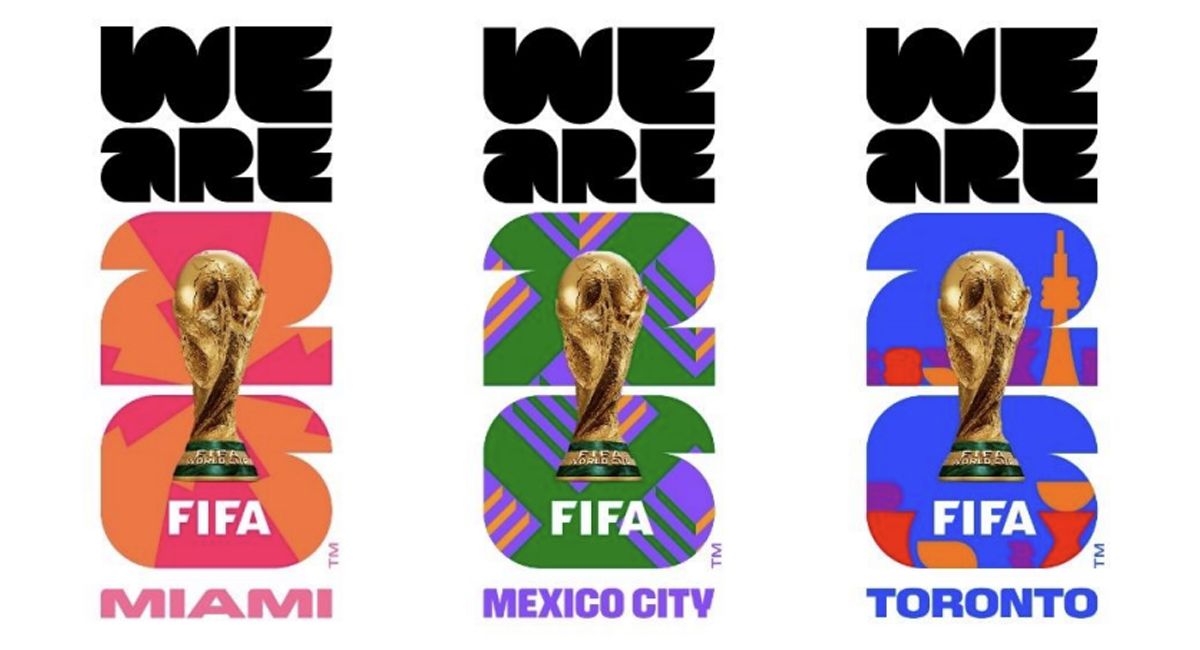
Take, for instance, the narrative shift surrounding Cape Verde during the 2026 qualification cycle. By securing their spot on the global stage, they moved from the periphery of the global "consideration set" to the forefront of international conversation. This visibility acts as a bridge, turning neutral observers into curious potential stakeholders.
Chronology of a Shift: From Sporting Event to Global Showcase
The evolution of the World Cup as a branding vehicle can be traced through a series of key milestones:
- 1990s – 2002: The Era of Established Powers: The tournament was largely dominated by a small group of "footballing nations," where the branding was synonymous with legacy success rather than national identity building.
- 2010 – 2018: The Rise of the Host-Nation Narrative: Countries like South Africa and Brazil utilized the tournament to showcase infrastructure and modernization, though often focusing on the internal construction of a national image.
- 2022: The Morocco Turning Point: Morocco’s historic run to the semi-finals in Qatar served as a watershed moment. It wasn’t just a sporting victory; it was a masterclass in modern nation branding. The team represented a globalized identity, blending domestic talent with a sprawling diaspora. This signaled a shift where national teams began to mirror a country’s international influence.
- 2026 and Beyond: The Expansion Era: With 48 teams, the "barrier to entry" for nations to gain global attention has been lowered. The tournament is now a democratic, albeit high-pressure, platform for a wider array of nations to project their identity to a global audience of billions.
Identity: The New Face of Performance
What defines a modern, successful nation brand? It is no longer about geographical size or traditional industrial output. Increasingly, it is about the "networked identity."
Modern football teams are increasingly composed of dual-nationals and players with roots in major global hubs. This makes the national team a microcosm of the country’s global footprint. When a team plays, they are not just representing a flag; they are showcasing a culture that is ambitious, connected, and outward-looking.
Morocco’s success in 2022 demonstrated that when a nation’s sporting identity aligns with its diplomatic and cultural aspirations, the result is a powerful "halo effect." The players became ambassadors for a modern, confident nation, proving that in the 21st century, a country’s brand is a living, breathing entity defined by its people and their global reach.
Supporting Data: The Economic Multiplier of "The Moment"
While critics often point to the high costs of hosting or participating in major tournaments, the data suggests that the "reputation dividend" is significant for those who manage the transition from visibility to value correctly.
- Tourism Surge: Post-tournament analysis consistently shows a spike in "search intent" for host or surprise-package nations. For countries that leverage this through clear, integrated messaging, this translates into a 15–20% increase in tourism inquiries in the 18 months following the event.
- Investment Confidence: International investors prioritize stability and "top-of-mind" awareness. Studies in economic geography suggest that countries with high international media profiles—often boosted by sports success—experience a lower "risk premium" when negotiating trade agreements.
- The Diaspora Link: A successful national team acts as a focal point for diaspora communities, strengthening remittances and creating informal trade networks that can boost GDP by fostering cross-border entrepreneurship.
Strategic Perspectives: Insights from Saffron Brand Consultants
In the field of place branding, the distinction between "exposure" and "meaning" is the difference between a wasted opportunity and a long-term asset. Experts at firms like Saffron argue that the most successful nations are those that avoid the "one-off event" trap.
"The biggest misconception," notes one branding strategist, "is that visibility automatically translates into economic benefit. It doesn’t. Exposure creates awareness, but brand creates meaning."
The strategy for success, according to industry experts, lies in three core pillars:
- Narrative Consistency: The messaging used during the tournament must align with the country’s long-term tourism and investment strategy.
- Infrastructure Integration: Sports infrastructure should be designed for dual use, ensuring that the legacy of the tournament continues to serve the local population and economy.
- Cultural Diplomacy: Nations must use the influx of media to tell a human-centric story that goes beyond the football pitch, highlighting their values, business environment, and cultural offerings.
Implications: The Strategic Challenge
The expansion of the World Cup has created a "global relevance gap." Countries that were previously invisible now have a megaphone, but a megaphone is useless without a coherent message.
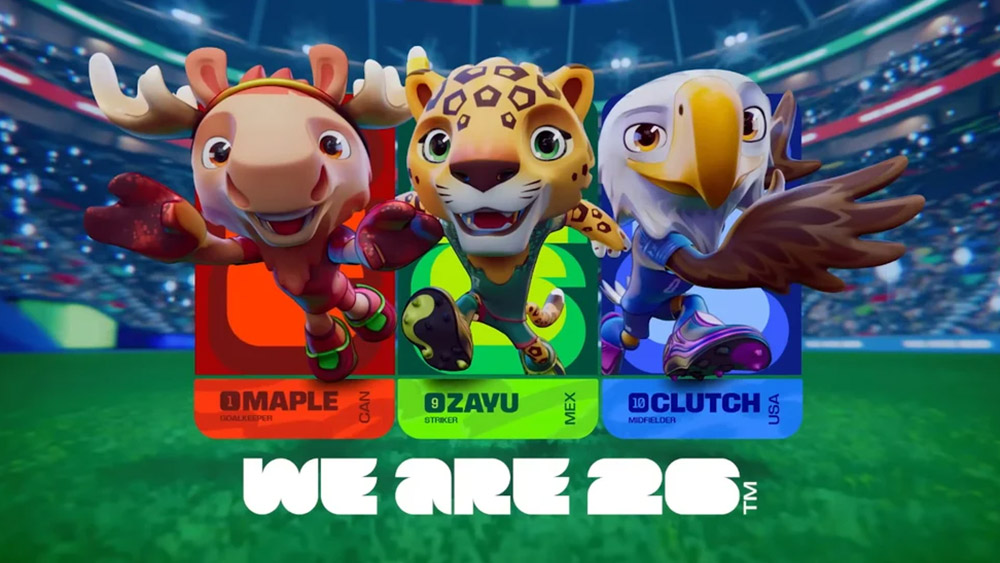
As we look toward future tournaments, the challenge for these emerging nations is clear:
- Curiosity to Consideration: How do you convert a fan’s fleeting interest in your team into a potential tourist’s booking or an investor’s site visit?
- Pride to Confidence: How do you translate the euphoria of a football match into the cold, hard confidence required for international business partnerships?
- The Legacy Gap: How do you ensure the story of your nation continues once the final whistle blows?
These are no longer questions for sports federations; they are fundamental questions for ministries of finance, tourism, and foreign affairs.
Conclusion: Beyond the Final Whistle
The World Cup remains the most spectacular show on Earth, but its role has fundamentally shifted. It is the world’s largest, most expensive, and most effective "nation-branding" campaign.
While the sporting event lasts only a few weeks, the window of opportunity it opens can last for years. The countries that will thrive in this new 48-team era are those that treat the tournament not as a destination, but as a catalyst. By weaving their sporting success into a broader, more compelling narrative of national identity, these countries can ensure that the world remembers their name long after the stadium lights go dark.
Ultimately, football introduces the world to a nation, but it is the power of a well-crafted, authentic place brand that determines whether the world decides to stay, invest, and grow alongside it. The pitch is now global, and for many emerging nations, the game is just beginning.
 Nana Muazin
  Raul Delapena Setiawan
  Ammar Sabilarrohman