
 By Nila Kartika Wati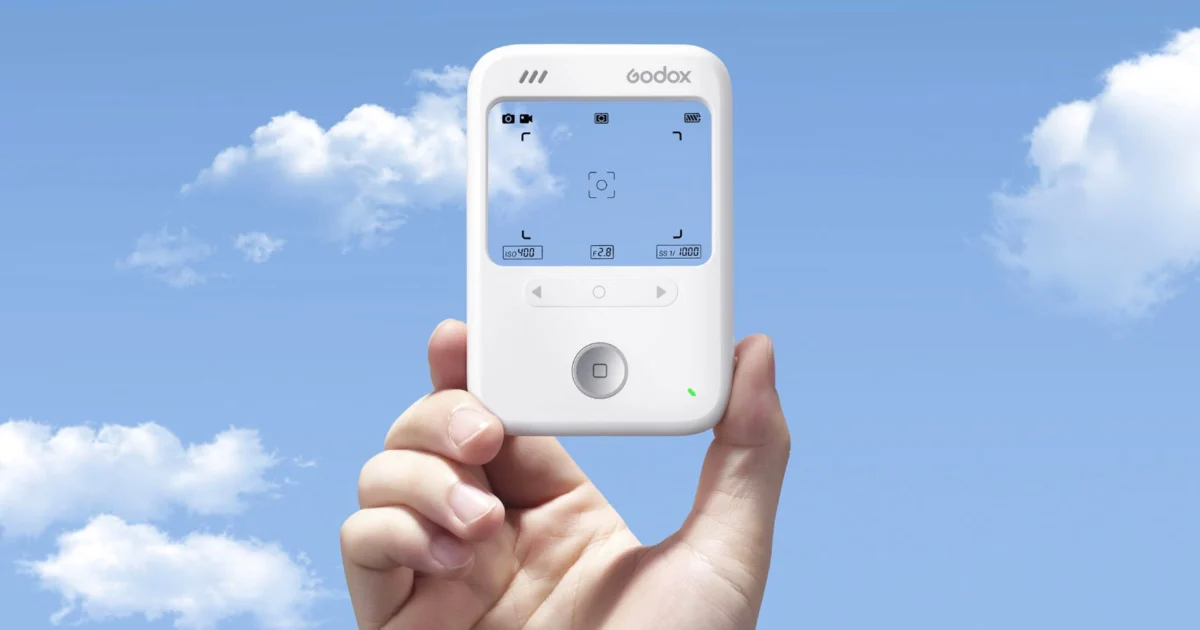
In an era defined by high-resolution sensors, computational photography, and the constant, distracting glow of OLED viewfinders, the photography market is witnessing a paradoxical shift: a return to simplicity. Following the runaway commercial success of the Kodak Charmera, which captured the public imagination with its "blind box" appeal, the industry has seen a surge in compact, minimalist imaging devices. The latest entrant into this burgeoning space is the Godox C100, a device that strips photography back to its most primal, tactile roots while integrating a touch of modern, avant-garde technology.
Main Facts: A Paradigm Shift in Minimalist Design
The Godox C100 is not a traditional digital camera. It rejects the modern convention of a rear-facing liquid crystal display (LCD) used for reviewing images or navigating deep, complex menus. Instead, it adopts a "screenless" design philosophy, forcing the user to focus entirely on the subject rather than the digital reproduction of it.
Weighing just 65 grams, the C100 features a striking, rectangular form factor. The chassis is split into two functional zones: the upper portion houses the optical unit and a transparent window, while the lower portion serves as the grip, containing the battery, memory card slot, and core internal hardware.
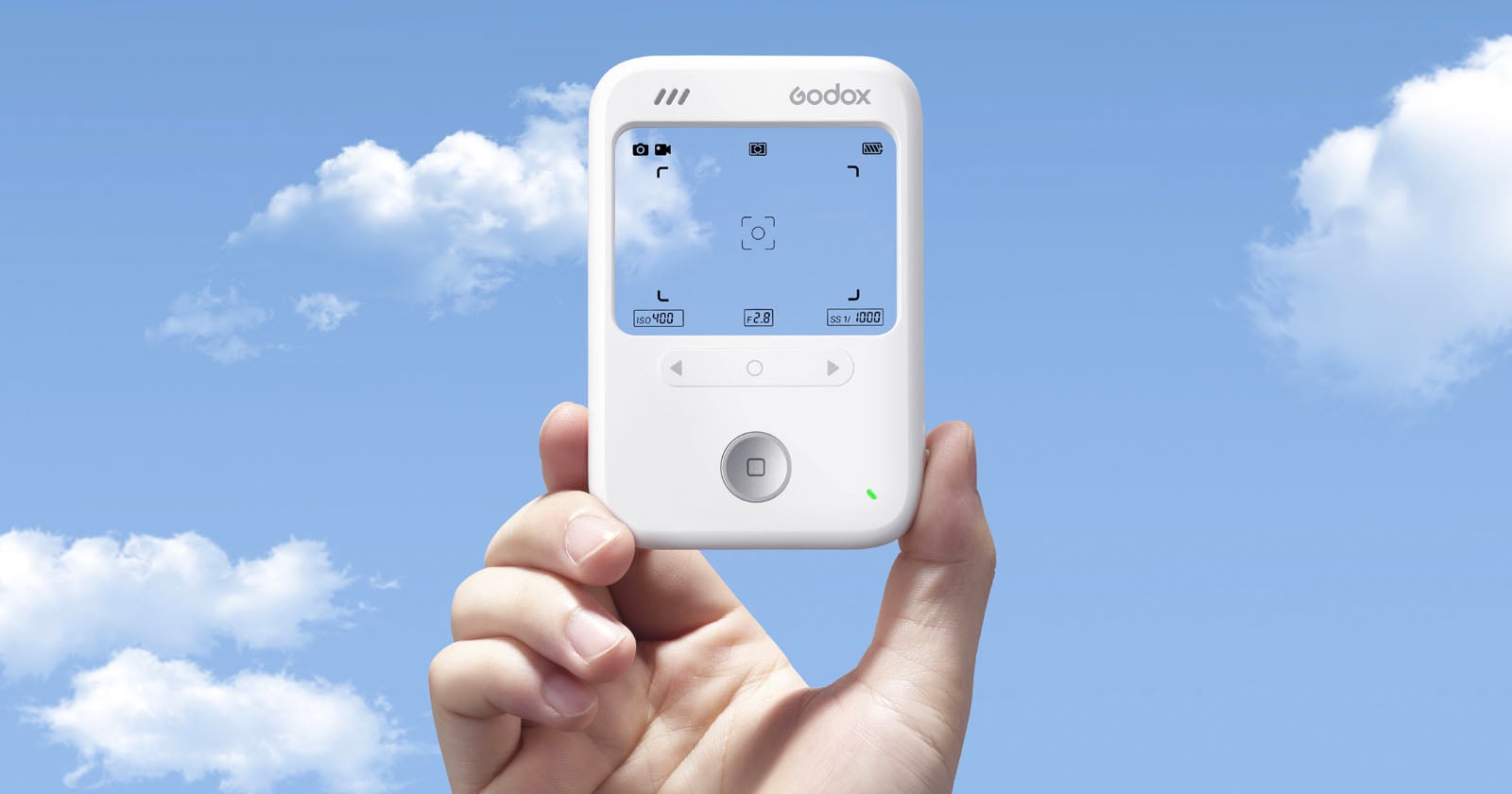
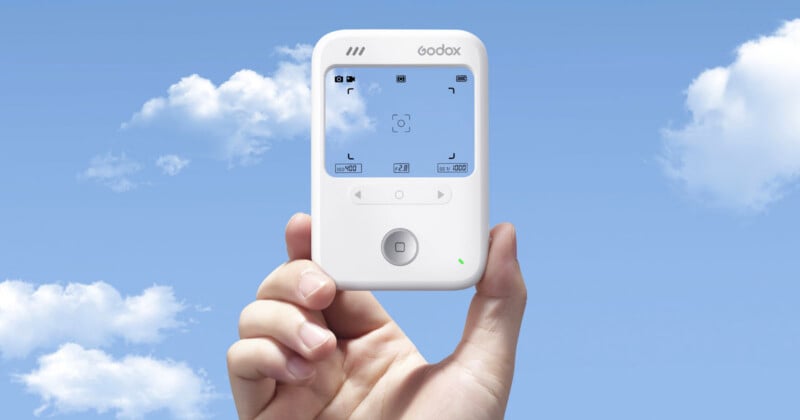
The standout feature, however, is the "transparent window." Unlike previous prototypes or low-end toys that used static, printed plastic frames to guide composition, the C100 utilizes an active, transparent display. This allows the camera to overlay critical shooting data—such as exposure settings, battery life, and current frame indicators—directly onto the scene. With a light transmittance rate of approximately 50%, the window provides a functional bridge between the real world and the digital capture process.
Chronology: From Niche Concepts to Mass Adoption
The movement toward "mindful" or "screenless" photography did not emerge in a vacuum. It represents a direct reaction to the digital fatigue brought on by smartphone saturation.
The Rise of the Compact Trend
The shift began in earnest in late 2025 with the release of the Kodak Charmera. The Charmera’s success in the "blind box" market—where consumers purchase mystery items—proved that there was a massive, untapped demographic of casual users who valued the experience of taking a photo over the technical specifications of the sensor.
The CP+ Influence
Earlier this year, at the prestigious CP+ show in Yokohama, Japan, manufacturers began experimenting with the concept of the transparent-window viewfinder. Escura, a smaller, boutique camera brand, showcased a conceptual unit that utilized a static transparent plastic insert. While it garnered significant attention from photography enthusiasts for its retro, analog-adjacent feel, it lacked the active electronic components required for a modern workflow.
The Godox Intervention
Godox, a company historically known for its industry-leading lighting equipment and studio flashes, has now brought its manufacturing scale to this niche. By taking the concept of the "transparent viewfinder" and elevating it with an active display, Godox has transitioned the device from a quirky novelty into a functional, consumer-grade photography tool. Industry analysts suggest that Godox’s massive distribution network will ensure the C100 reaches a wider audience than any of its predecessors, effectively cementing this "screenless" style as a legitimate sub-category of the modern camera market.
Supporting Data and Technical Specifications
While the C100 is designed for simplicity, it retains the essential connectivity required by the modern creator. The device is built around a USB-C interface, which handles three primary functions: high-speed data transfer, rapid charging, and direct connectivity to smartphones or computers.

Hardware Capabilities:
- Weight: 65 grams (ultra-portable).
- Storage: Supports microSD cards up to 128GB.
- Battery Life: Rated for approximately 1.5 hours of continuous video recording; significantly longer for still-image capture.
- Aspect Ratios: Supports flexible composition in 6:9, 4:3, 3:2, and 1:1 formats.
- Display: Active transparent LCD overlaying the viewfinder window.
- Price Point: Approximately ¥199 (roughly $29 USD).
While official technical documentation regarding the sensor’s megapixel count or video resolution remains sparse, metadata analysis of sample imagery suggests a focus on aesthetic quality rather than clinical sharpness. Image file sizes typically range between 320KB and 570KB, indicating that the C100 is intended for social media sharing and casual memory preservation rather than professional print work or high-end archival.
Official Responses and Philosophy
Godox has been vocal about the intent behind the C100’s design, framing it as an antidote to the "always-on" nature of modern technology. According to the company’s marketing material, the C100 was developed to prioritize "immersive shooting, observation, and feeling."
The company emphasizes that the act of pressing the shutter should not be followed by the immediate, reflexive urge to "check the screen" and review the image. By removing the review screen, Godox argues that the user remains "present in the moment." This design choice mirrors the philosophy of film photography, where the result is deferred, allowing the photographer to move on to the next subject without the distraction of a playback loop.
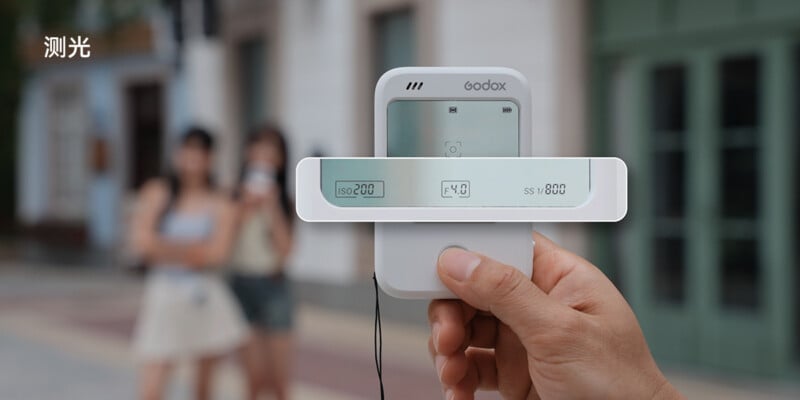
"After pressing the shutter, you aren’t stuck looking back in time at the photo," the company noted in a statement. "Instead, you live in the moment."
Implications for the Photography Industry
The introduction of the C100 carries several long-term implications for the camera market, particularly regarding how consumers interact with their gear.
1. The Death of "Chimping"
"Chimping"—the habit of looking at a camera’s screen immediately after every shot—is a behavior that has defined the digital age. The C100 effectively forces a departure from this habit. By removing the capability for instant review, the device encourages a more thoughtful, intentional approach to composition, as the user must trust their instinct and their understanding of the scene rather than relying on an instant histogram or preview.

2. The Democratization of "Retro" Aesthetics
For years, the "retro" look has been achieved through heavy software post-processing or expensive film stock. The C100, with its modest sensor and unique viewfinder, provides an authentic "lo-fi" aesthetic out-of-the-box. At a price point of roughly $29, it lowers the barrier to entry for users who want the tactile experience of a dedicated camera without the $2,000 price tag of a premium compact system.
3. A Shift Toward Hybrid Devices
The integration of an active transparent display into a simple viewfinder window is a technical milestone. It suggests that future cameras could adopt "augmented" viewfinders, where information is projected onto the glass without obscuring the subject. This could eventually influence the design of professional mirrorless systems, where the goal is to provide data without breaking the photographer’s immersion.
4. The Challenge to Smartphone Dominance
While smartphones are increasingly powerful, they remain multi-purpose tools that suffer from app distractions and notification clutter. The C100’s success relies on the consumer’s desire for a "single-tasking" device. If the C100 thrives, it suggests that the market is moving toward a bifurcation: on one side, powerful, computational smartphones; on the other, simple, dedicated, and distraction-free imaging tools.

Conclusion
The Godox C100 is a bold experiment in minimalist design. It is not trying to compete with the Sony A7 series or the iPhone 16; rather, it is competing for the user’s attention and state of mind. By blending a retro-inspired transparent viewfinder with just enough modern technology to be useful, Godox has created a device that feels both nostalgic and futuristic.
Whether the C100 becomes a lasting staple in the photographer’s bag or remains a short-lived trend in the wake of the Kodak Charmera, its impact is undeniable. It asks a fundamental question of its users: Do you want to capture the world, or do you want to capture a digital file? With the C100, Godox is betting that a significant portion of the world is ready to stop looking at their screens and start looking through them.
 Laily UPN
  Reynand Wu
  Lina Hope