
 By Siti Muinah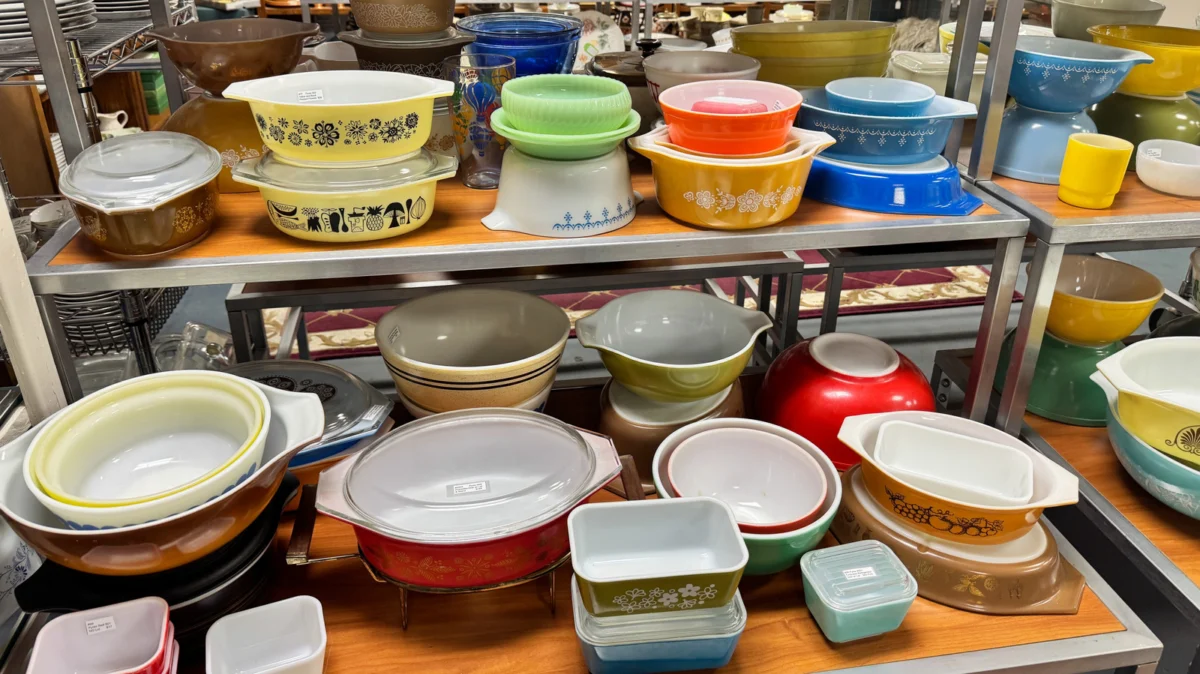
In the landscape of 20th-century American domestic history, few brands carry the cultural weight of Pyrex. Since its inception, the glassware has become a staple in the modern kitchen, with recent estimates suggesting that nearly 80% of American households currently house at least one piece of Pyrex bakeware. While modern glass remains a functional necessity, it is the mid-century vintage era that has ignited a global phenomenon among collectors. Among the vast array of patterns produced during the brand’s mid-century prime, one specific design—the "Butterprint"—stands out as a quintessential treasure for thrifters, antique dealers, and design enthusiasts alike.
The Origins of a Kitchen Icon
The Pyrex story began in 1915, when Corning Glass Works introduced a revolutionary line of borosilicate glass. Designed to withstand the thermal shock of moving from a cold pantry to a hot oven, it was a technological marvel that fundamentally changed how Americans prepared meals.
However, the brand’s true aesthetic explosion occurred in the 1950s. Recognizing that the American kitchen was shifting from a purely utilitarian space to a reflection of personal style, Pyrex transitioned from clear, unadorned glass to vibrant, opaque, and patterned designs. The "Butterprint" pattern, produced from 1957 through 1968, emerged as one of the most recognizable motifs of this era. Characterized by its whimsical, folk-art-inspired depiction of farmers, wheat sheaves, and roosters, the pattern captured the mid-century fascination with pastoral, "Amish-style" aesthetics.
Chronology of a Collector’s Obsession
The trajectory of the Butterprint line serves as a blueprint for the evolution of mid-century industrial design.
- 1957: The Launch. Pyrex introduced the Butterprint pattern primarily in a classic turquoise-and-white colorway. It was an immediate success, perfectly matching the pastel-heavy interior design trends of the late fifties.
- 1958-1962: Diversification. Building on the popularity of the nesting bowls, the brand expanded the Butterprint line into "Cinderella" bowls—a design innovation featuring handles that doubled as pouring spouts—and various bake-serve-store collections, which included round and rectangular casseroles with fitted glass lids.
- 1963-1968: Rare Colorways. As the pattern’s popularity plateaued, the company experimented with limited-run promotional colors, most notably orange and pink. These variants, produced in significantly smaller quantities than the standard turquoise, represent the most valuable pieces on the secondary market today.
- 1968: The End of an Era. As design tastes shifted toward the bolder, more abstract patterns of the late 1960s, the Butterprint pattern was retired, effectively sealing its fate as a finite, collectible commodity.
Understanding the Value: The Economics of Vintage Glass
For the uninitiated, the price tags on vintage Pyrex can seem baffling. While a standard mass-produced mixing bowl might fetch $10 to $20, a complete, pristine set of Butterprint Cinderella bowls can command prices well into the four figures.
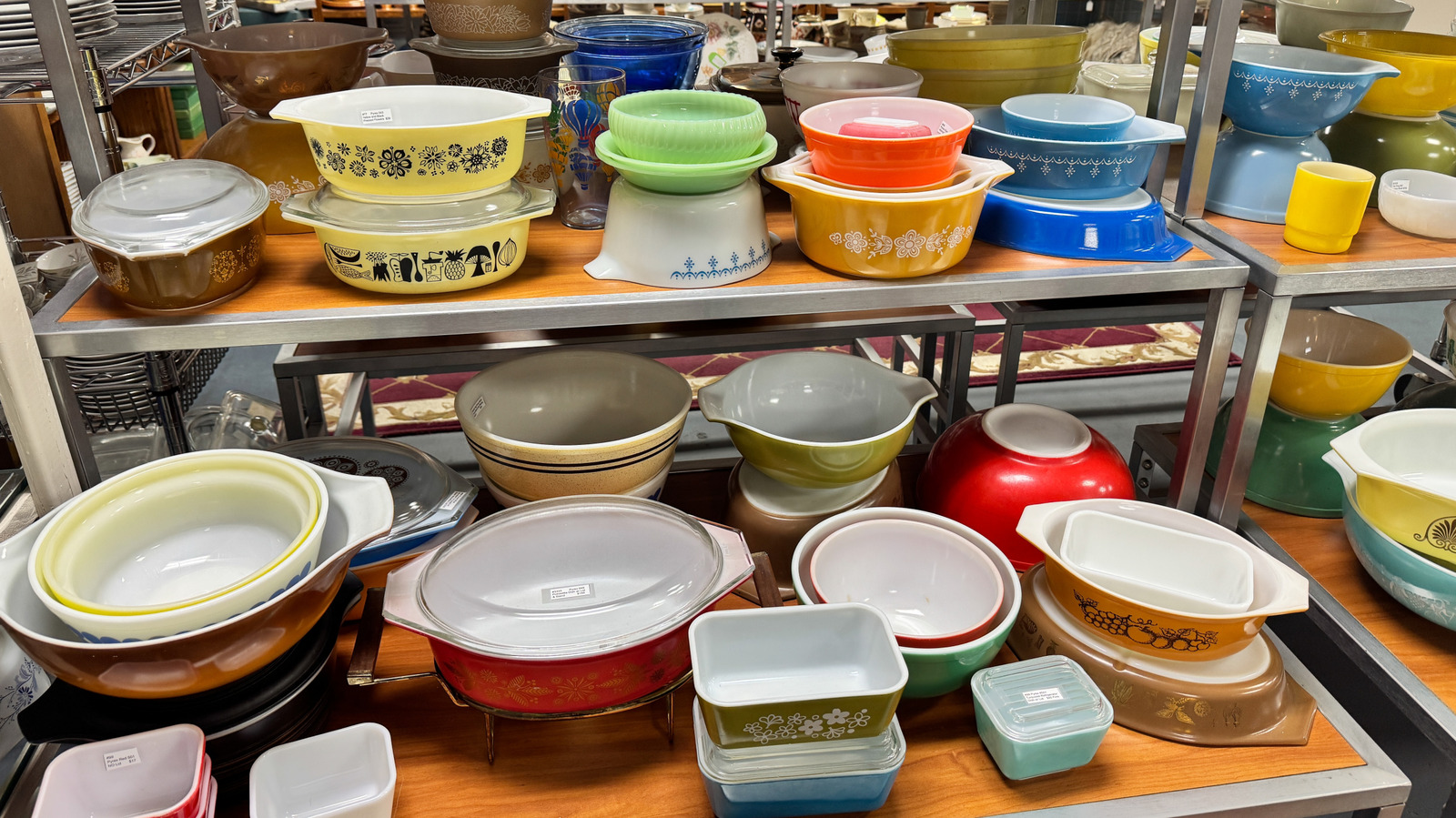
Current market data indicates that rarity is the primary driver of these valuations. A single turquoise Butterprint casserole dish, while charming, is relatively common and can often be found for under $20 on secondary marketplaces like eBay. However, the "promotional" pieces—the rare pink or orange iterations—are considered the blue-chip assets of the Pyrex world. Collectors are willing to pay a premium for "mint condition" items: pieces that retain their original sheen, lack "dishwasher damage" (the dull, chalky residue caused by modern detergents), and include original glass lids.
The "Amish" Misnomer
While officially known as "Butterprint," the pattern is frequently mislabeled in flea markets and antique malls as "Amish." This colloquialism stems from the farming imagery depicted on the glass. The design features a male and female farmer figure, which resonated deeply with a post-war America that was simultaneously embracing modern technology and romanticizing a simpler, agrarian past.
From a design perspective, the pattern is a masterclass in mid-century branding. The repetition of the wheat and rooster motifs provides a sense of uniformity, while the contrasting opacity of the background colors creates a bold, graphic look that fits perfectly in both retro-themed and contemporary minimalist kitchens.
Authenticating Your Find
As the market for vintage Pyrex has exploded, so too has the prevalence of "fakes" or simply misidentified modern glassware. Authentic vintage Pyrex, particularly from the 1950s and 60s, will almost always feature a specific "backstamp" embossed into the glass. This mark typically indicates the model number, the capacity of the vessel, and the manufacturing location (e.g., "Corning, N.Y., U.S.A.").
Thrifters should look for these identifying marks, as they are the primary indicators of authenticity. Furthermore, collectors should be wary of pieces that have been repainted or "restored," as the value of vintage Pyrex is tied almost exclusively to its original, factory-fired finish.
Implications for Modern Consumers and Collectors
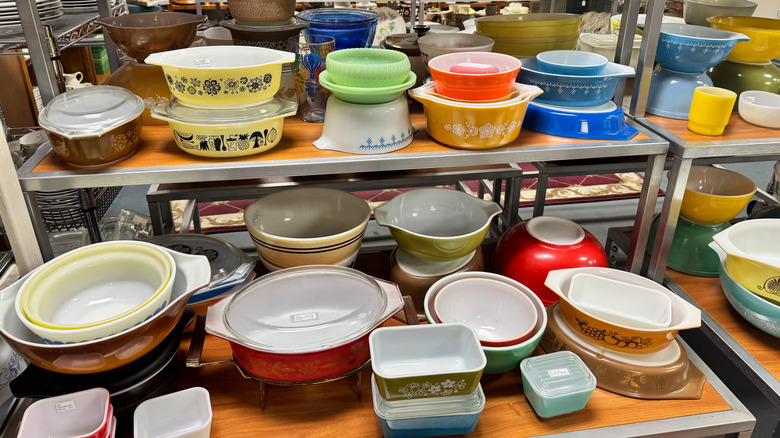
The hunt for Butterprint Pyrex is more than just a hobby; it is a form of historical preservation. Every bowl recovered from a dusty thrift store shelf is a piece of American culinary history that might otherwise have been destined for a landfill.
However, with the rise in collectibility comes a responsibility to care for these items. Modern dishwashers are the primary enemy of vintage Pyrex; the high heat and abrasive chemicals in modern detergents can strip the colorful finish in a single cycle. Experts recommend hand-washing these pieces with mild soap and warm water to ensure the longevity of the pattern.
The Future of the Market
As the supply of vintage Pyrex remains finite, the economic logic suggests that prices will continue to appreciate, particularly for rare, intact sets. The appeal of Butterprint lies in its dual nature: it is a functional tool that can still be used to bake a casserole, and it is a decorative object that tells a story of mid-century optimism.
Whether you are a casual shopper hoping to stumble upon a bargain or a serious investor scouring estate sales, the "Butterprint" pattern remains the gold standard of vintage glass collecting. It is a reminder that in the world of antiques, beauty is often found in the most functional of places—the kitchen bowl.
Tips for the Aspiring Collector
- Check the Edges: Run your fingers along the rim of the bowl. Any chips or "flea bites" significantly diminish the value of the piece.
- Inspect the Pattern: Hold the bowl up to a light source. If the paint looks thin or patchy, it is a sign of heavy wear or dishwasher damage.
- Don’t Ignore the Lids: The original clear glass lids are often lost over time. Finding a set that includes the original matching lid can double or triple the value of the piece.
- Network with Local Dealers: Thrift store inventory is unpredictable. Building a relationship with local antique shop owners can give you a head start when new collections are brought in for appraisal.
In conclusion, the Butterprint Pyrex is more than a relic of the 1950s; it is a tangible piece of domestic heritage. Its enduring popularity is a testament to the quality of mid-century manufacturing and the timeless appeal of thoughtful, graphic design. For those willing to put in the time to search, the reward is a piece of history that is as useful today as it was over half a century ago.
 Lina Irawan
  Lina Hope
  Reynand Wu