
 By Iffa Jayyana
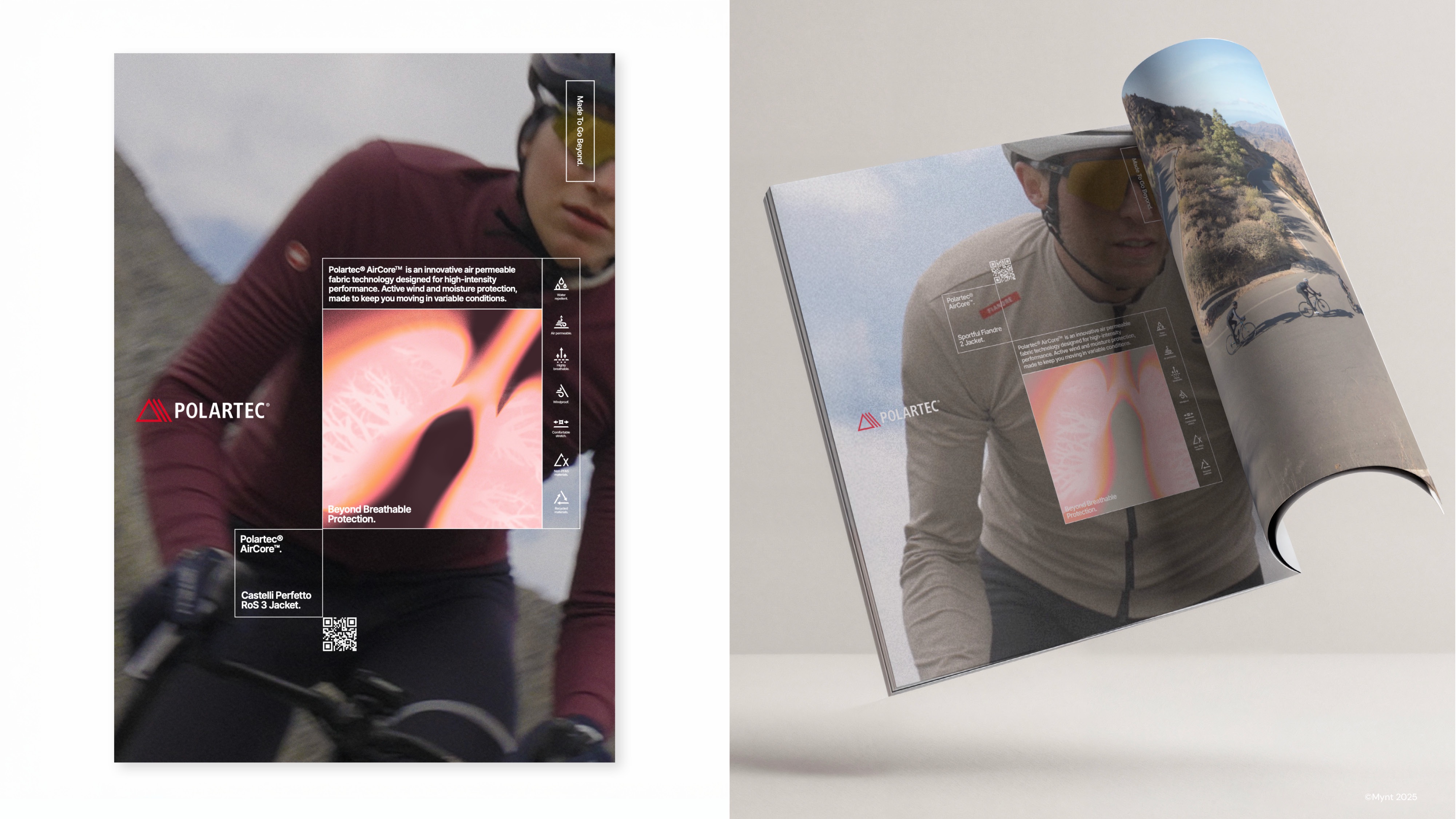
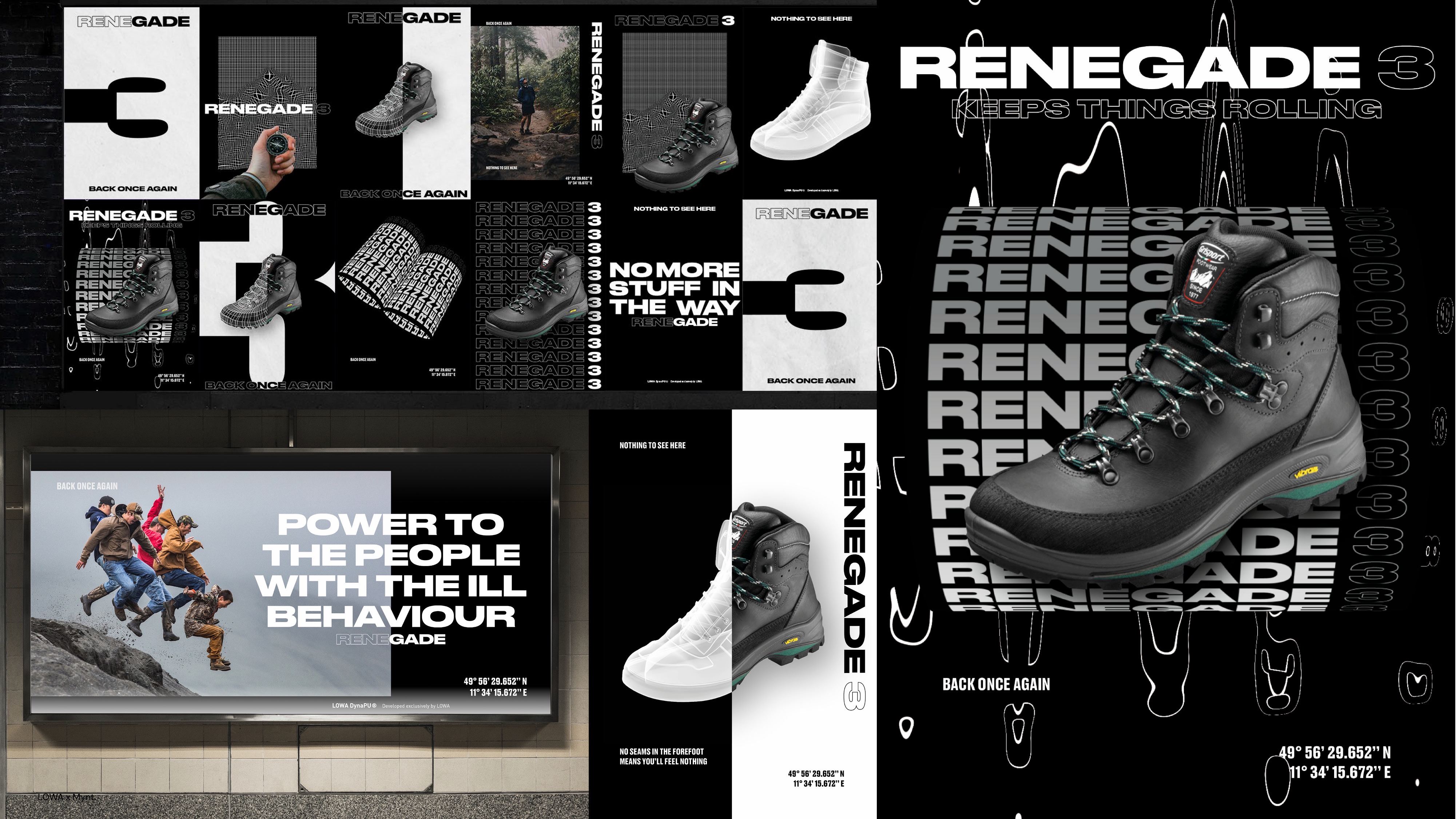
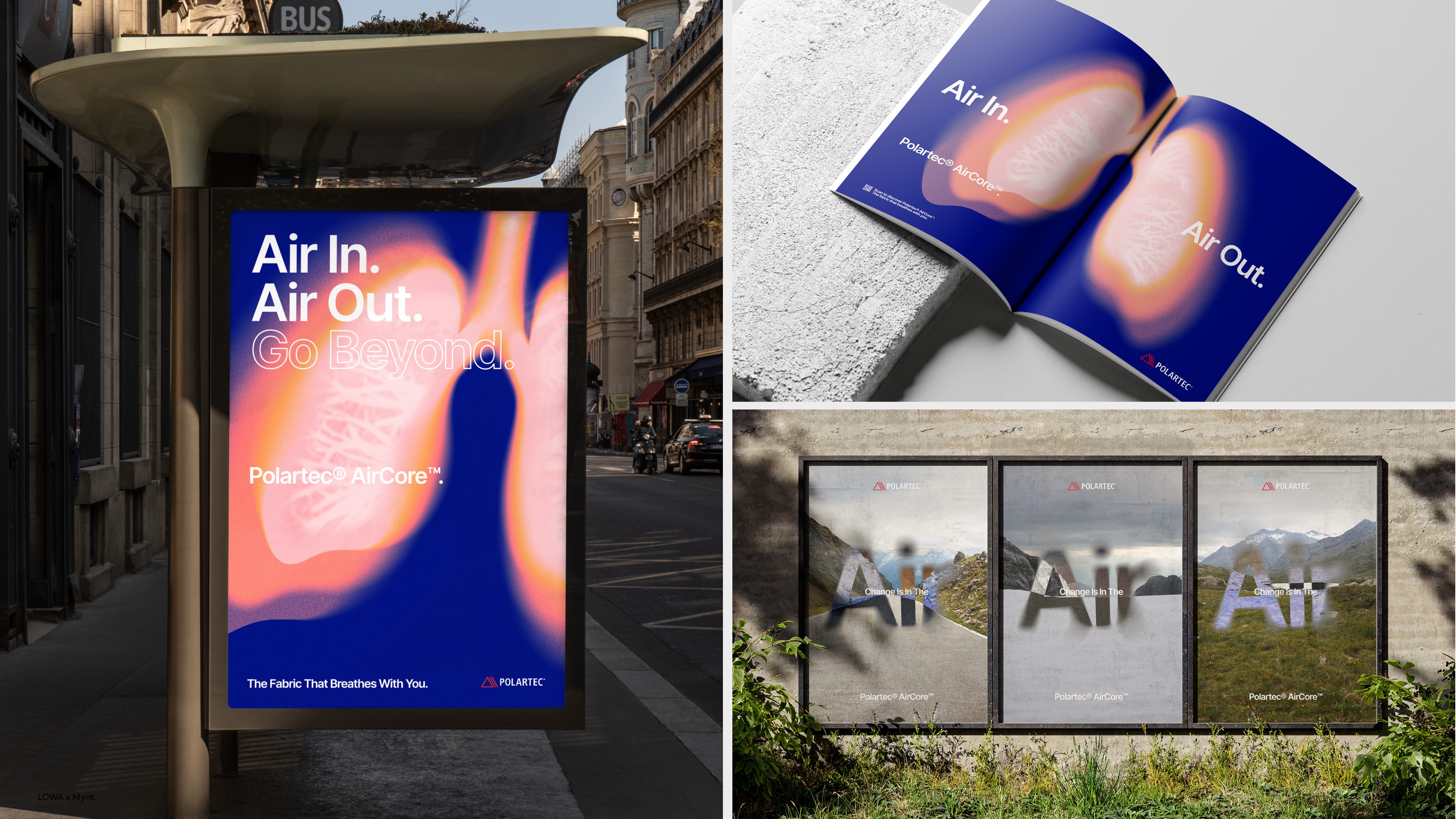
In the rapidly evolving landscape of creative agencies, the tension between cutting-edge technology and authentic human connection has never been more palpable. Standing at this intersection is Ollie Patterson, the Managing Director and partner at Mynt, an independently owned creative powerhouse based in Leicester. From its humble origins as a startup born in a dining room, Mynt has ascended to the global stage, crafting high-impact brand strategies for industry titans such as Nike, Salomon, and Umbro.
Patterson’s philosophy is rooted in the granular understanding of human behavior. By stripping away the superficial layers of marketing, he seeks to unearth the emotional drivers that dictate customer decision-making. As part of our 5 Questions series, we sat down with Patterson to discuss the shifting tides of the design industry, the controversial rise of AI, and why, in an era of infinite automation, the "human touch" is becoming the most valuable commodity of all.
The Genesis of Mynt: From Dining Room to Global Agency
The story of Mynt is a testament to the resilience of the independent creative spirit. What began as an intimate project—managed from the confines of a founder’s dining room—has evolved into a sophisticated agency that balances rigorous strategic thinking with raw, creative energy.
The agency’s growth trajectory highlights a broader trend in the creative sector: the move away from monolithic, bloated conglomerates toward agile, boutique-style agencies that offer deeper integration and personalized brand storytelling. By working with globally recognized names like Nike and Umbro, Mynt has demonstrated that location is no barrier to excellence. Their work often centers on "impact through bold thinking," a mantra that has allowed them to carve out a distinct niche in a crowded marketplace.

The Aesthetics of Authenticity: Finding Beauty in the Mundane
One of the most revealing aspects of our conversation with Patterson touched on the intersection of design and nostalgia. When asked about the "ugliest" design trend he secretly loves, Patterson pointed to the vanishing art of the traditional shopfront.
"I love those bright fluorescent price tags you only seem to find in old-school newsagents and corner shops," Patterson admits. "With their chunky, handwritten prices and hastily scribbled special offers, they possess a tactile, human quality that is rapidly disappearing in the digital age."
For Patterson, these objects are more than just clutter; they are relics of a more tangible human interaction. "Maybe it’s the fact that someone actually took the time to write them by hand. Maybe it’s the nostalgia of being a kid and going in to get sweets or a Panda Pop. They are objectively ugly by modern standards, but they are also wonderfully human and real."
This observation serves as a poignant critique of contemporary design, which is increasingly sanitized, pixel-perfect, and sterile. Patterson’s appreciation for these "ugly" markers speaks to a longing for authenticity—a quality he believes brands are struggling to maintain as they pivot toward automated systems.

The Perils of Impatience: Lessons in Leadership
No career is without its mistakes, and for a leader like Patterson, acknowledging these missteps is part of the professional evolution. Reflecting on the best advice he ever received—and subsequently ignored—he pointed to the age-old wisdom of "sleeping on it."
"Looking back, there are definitely a few emails I should have left sitting in my draft folder overnight," he confesses. "I’ll blame the hot-headedness on my Scottish roots, and perhaps a touch of youthful impatience. Distance and sleep have a funny way of improving judgment and putting things into perspective."
This candor highlights the pressure-cooker environment of agency life. In an industry defined by immediate deadlines and constant client demands, the temptation to respond instantly can be overwhelming. Patterson’s admission serves as a vital reminder to creative professionals: the most effective strategy is often the one that has been granted the space to breathe.
The "Canva Ick": The Crisis of Generic Design
As technology democratizes design, it also risks homogenizing it. Patterson holds strong views on the rise of automated design platforms and the influx of low-effort AI content.
"My creative ‘ick’ is definitely Canva or ChatGPT-generated graphics," he says. "I cringe every time I see generic, AI-generated designs flooding the internet. They all look the same, and they often suffer from glaringly obvious errors that betray a lack of human oversight."
The concern goes deeper than just aesthetics. Patterson is equally critical of the "formulaic" approach to brand messaging. "Any brand campaign with a tagline along the lines of ‘made easy’ or ‘your way’—like ‘Cars, made easy’ or ‘Your car, your way’—is just noise. That formula is absolutely everywhere. It makes it almost impossible for a brand to differentiate itself from the competition."
This critique underscores the core challenge facing modern marketing: the loss of brand identity in favor of "safe," algorithmically approved messaging.
The Role of AI: A Tool, Not a Destination
Despite his skepticism toward generic AI content, Patterson is not a Luddite. He views artificial intelligence as a powerful force, provided it is managed with high-level human judgment.
"AI can be an incredible accelerator," he explains. "It can help you get somewhere fast, but it can’t tell you where you should be going. For us as an agency, the real value in creativity has never been churning out more and more options. The value we bring is knowing what work deserves to exist."
Patterson’s perspective on the AI revolution is refreshingly pragmatic:
- Speed vs. Direction: AI is a vehicle, but the creative team is the navigator.
- The Premium on Taste: If everyone has access to the same tools, the competitive advantage shifts to human qualities: judgment, taste, curiosity, and strategic intuition.
- The Paradox of Automation: Ironically, the more widespread AI becomes, the more premium "human" work will command.
"AI might end up making human creativity more important, not less," Patterson concludes.
Staying Relevant: The Authenticity Mandate
In the final portion of our interview, we discussed what it means for a brand—or a person—to stay relevant in a world that shifts its focus every 24 hours. For Patterson, relevance is not about chasing the latest viral trend or hopping on the newest social media bandwagon.
"It’s about being authentic and real, while being curious enough to try something new without changing who you are," he says. "Don’t aimlessly chase fads. Understand your audience, their culture, and their behavior. If your brand can continue to matter over time, that’s the ultimate aim."
Implications for the Creative Industry
The insights provided by Patterson reflect a significant shift in the agency world. The implications are clear:
- The Death of Genericism: Brands that rely on AI-generated, "safe" content will find it increasingly difficult to compete with brands that invest in human-led, emotionally resonant storytelling.
- Strategic Curation: The role of the agency is evolving from a "production house" to a "curation house." Clients no longer need more content; they need the right content.
- Human-Centricity: As digital noise increases, the "human" element—the quirks, the imperfection, the history—will become the differentiator that captures consumer attention.
As Mynt continues to navigate the complexities of the modern landscape, Patterson’s commitment to "bold thinking" serves as a benchmark for the industry. In an era where machines can mimic the output of a creative, the true value lies in the ability to discern the difference between a trend and a movement—and having the courage to ignore the noise in favor of something real.
For more information on the work being done at Mynt, visit their official website.
 Lina Hope
  Reynand Wu
  Pevita Pearce