
 By Nana Muazin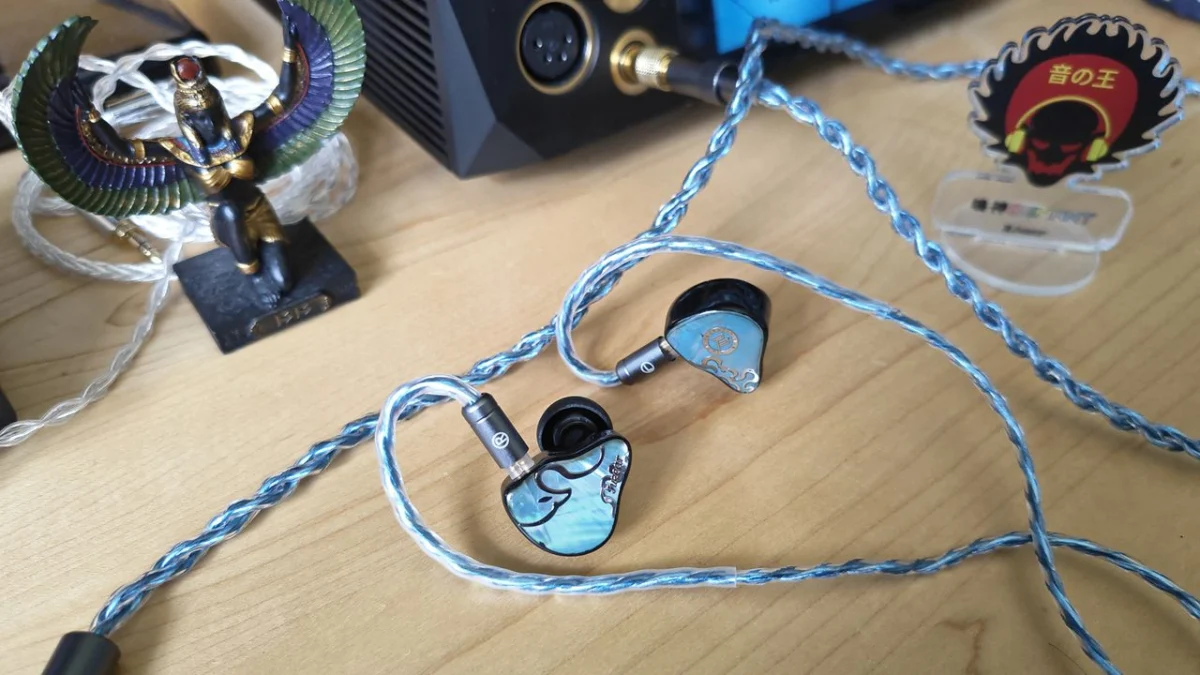
In the rapidly evolving world of personal audio, the sub-$150 price bracket has historically been a graveyard of compromises. Consumers were often forced to choose between build quality, sonic accuracy, or practical features. However, the release of the Juzear x ZeosPantera Defiant: Gamefidelity Edition—a collaborative effort between the boutique manufacturer Juzear and renowned audio enthusiast ZeosPantera—signals a tectonic shift in market expectations. Priced at approximately $120, this In-Ear Monitor (IEM) doesn’t just compete with its peers; it actively challenges the value proposition of monitors twice its price.
Main Facts: The Anatomy of a Disruptor
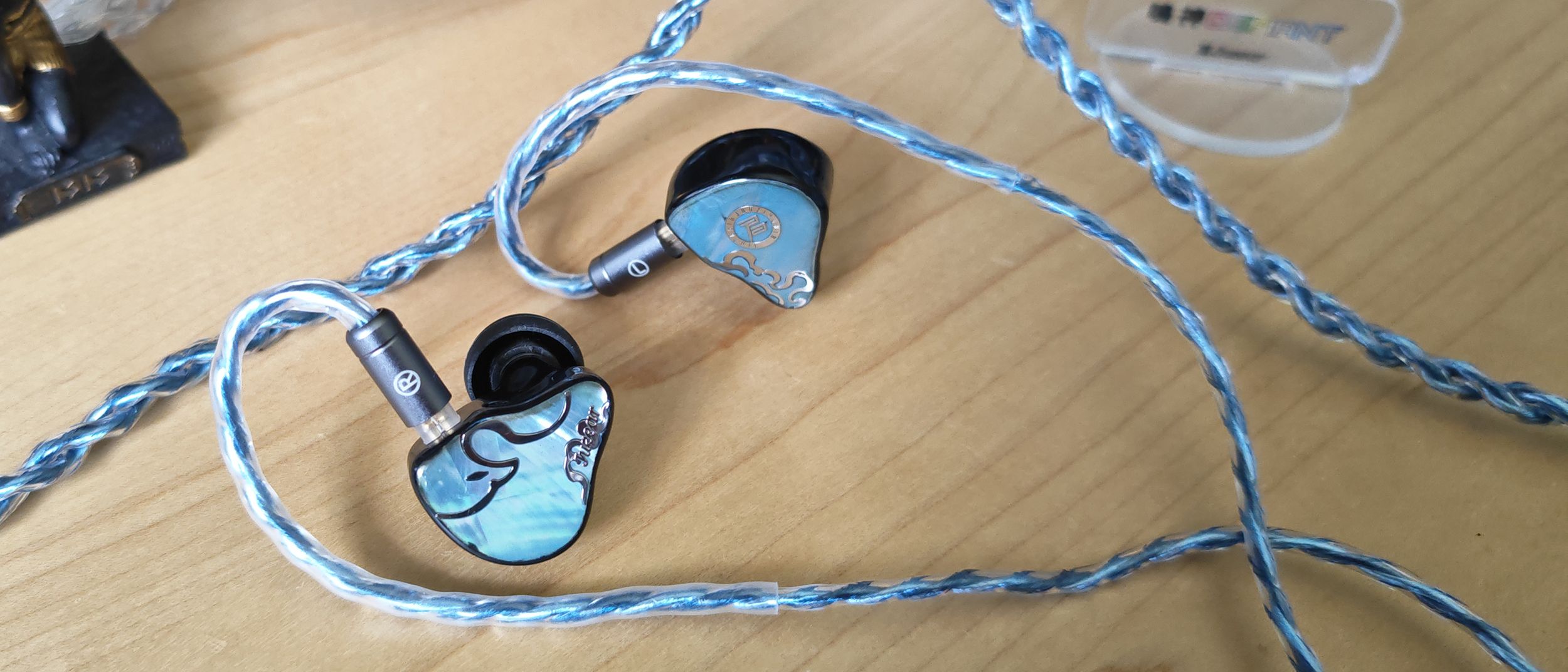
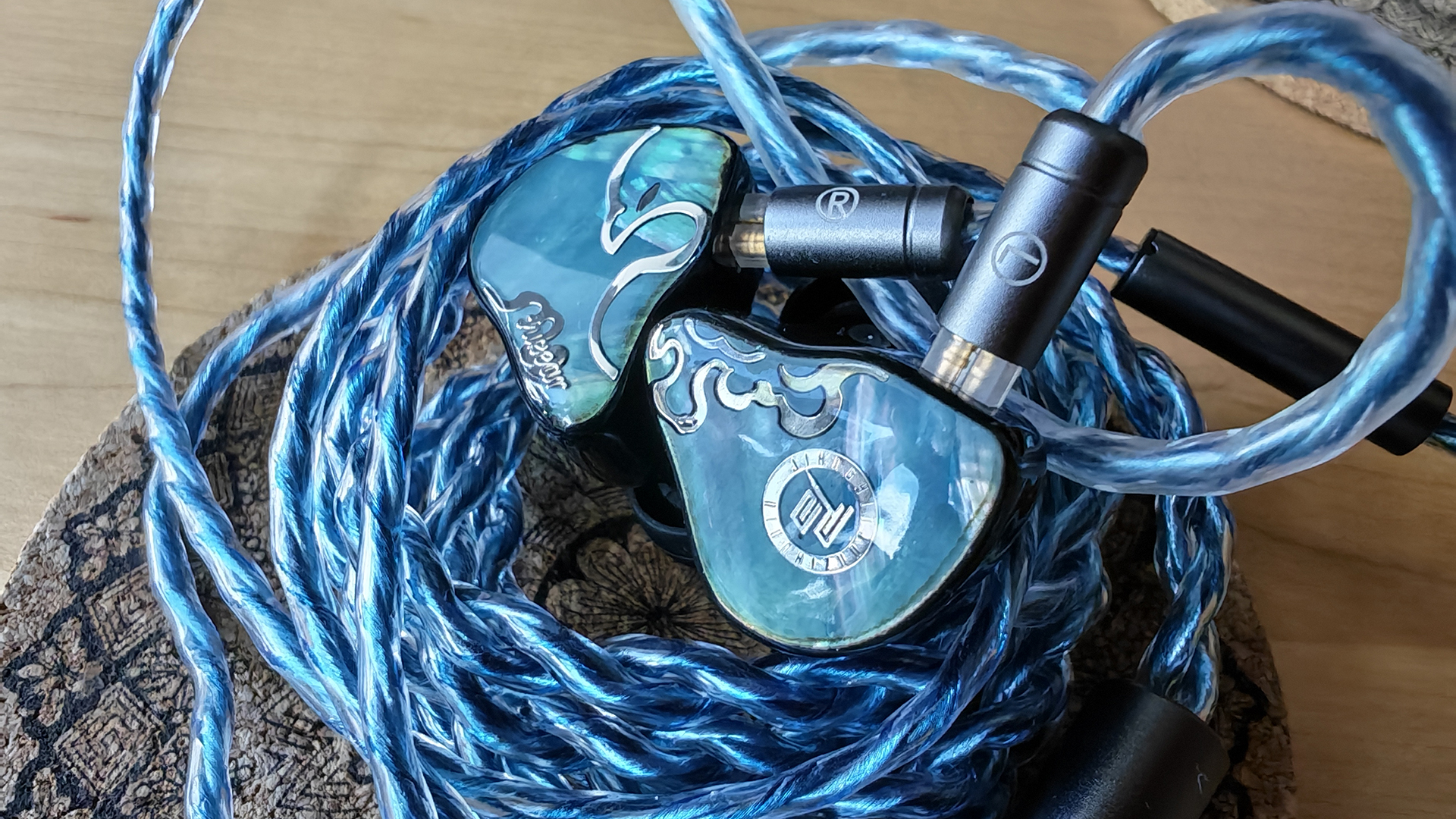
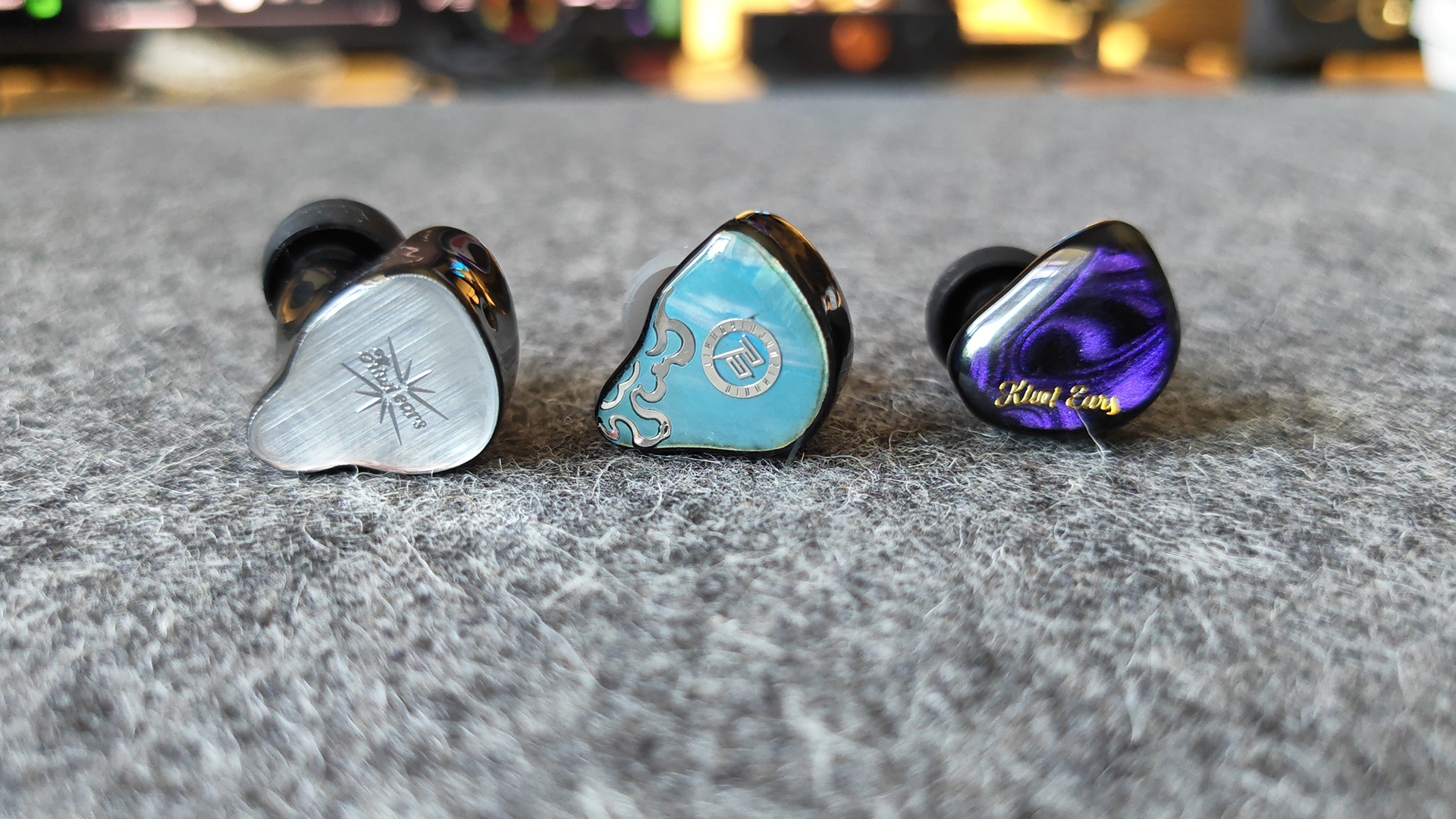
The Defiant: Gamefidelity Edition is a four-driver hybrid IEM featuring one 10mm dynamic driver and three balanced armature drivers. Wrapped in a striking, 3D-printed resin shell with a mother-of-pearl faceplate, the unit aims to marry high-end aesthetic appeal with robust technical performance.
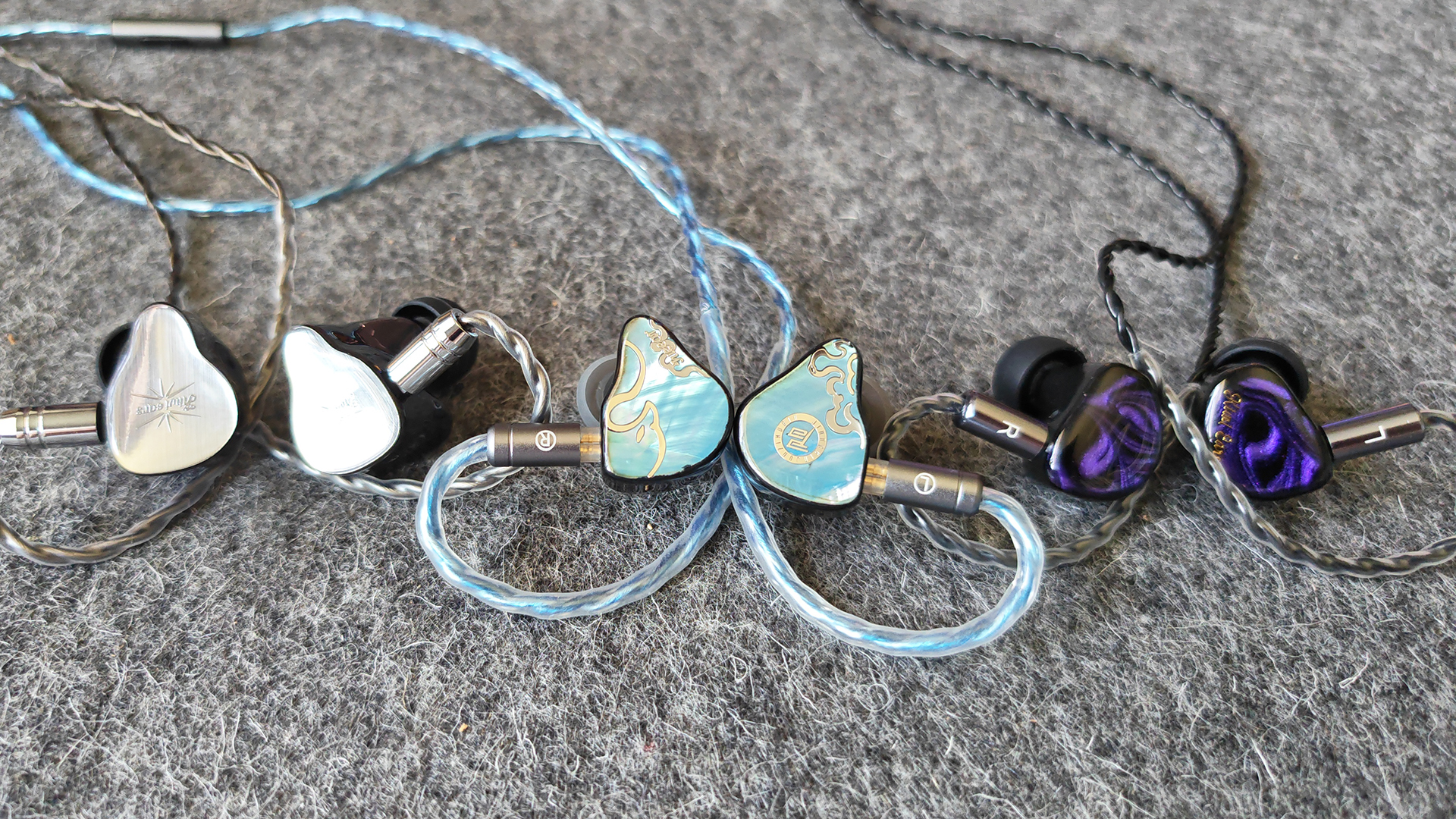
Beyond the drivers, the most significant "main fact" is the inclusion of a modular cable system. Out of the box, the Defiant provides both 3.5mm and USB-C terminations. While such flexibility is becoming increasingly requested, it remains a rarity at the $100 price point, often reserved for luxury audiophile gear. By including these, Juzear is setting a new standard for what users should expect from a "complete" package.
Chronology: From Concept to Retail
The journey of the Defiant line began in April 2025 with the original Juzear Defiant. It garnered attention for its aggressive, energetic V-shaped sound signature, which catered to listeners who prioritize excitement and bass impact.
Building on that success, the "Gamefidelity" edition arrived in May 2026. This version was not a complete redesign but a targeted refinement. The collaboration with ZeosPantera introduced subtle tuning adjustments, specifically a slight reduction in treble intensity to create a more fatigue-free listening experience—a necessity for those using IEMs for long-duration gaming sessions. The Gamefidelity iteration also introduced a microphone-equipped cable, acknowledging the shifting demographics of the IEM market, where users increasingly rely on these devices for communication as well as music.
Supporting Data and Technical Performance
To understand where the Defiant sits in the market, one must look at its frequency response and technical capabilities.
Sound Profile
The Defiant delivers a "crowd-pleasing" V-shaped profile. The sub-bass and mid-bass are elevated, providing a tactile, punchy slam that rarely bleeds into the midrange. Juzear has achieved this by "scooping" the lower midrange (between 200Hz and 800Hz), which effectively separates the bass from the vocals. While this creates a distinct, contrasty sound, it does result in a slightly lean body for male vocals, which may sound less "natural" to purists who prefer mid-centric, warm tunings.
The upper midrange (1kHz–2kHz) features a forward tuning, which adds clarity and bite to vocals and instruments. While this provides an engaging, upfront experience, it can occasionally introduce a sense of strain or "edginess" on tracks with naturally harsh recordings.
The Treble and Imaging
The treble performance is perhaps the most impressive aspect for a budget monitor. It is well-extended and smooth, avoiding the common pitfalls of sibilance or "metallic" shimmer found in cheaper balanced armature implementations. This results in an airy, detailed high-frequency response that is excellent for identifying spatial cues—a crucial metric for competitive gaming.
Comparative Analysis
- Vs. Kiwi Ears Cadenza ($35): The Cadenza is a formidable entry-level competitor, but the Defiant offers superior control. While both possess that satisfying bass slam, the Defiant provides greater texture and precision. The Cadenza’s treble can feel one-note and occasionally harsh, whereas the Defiant maintains composure even during complex musical passages.
- Vs. Kiwi Ears KE4 ($200): The KE4 serves as the "step-up" comparison. While the KE4 offers more nuance and a more balanced, natural midrange, the Defiant holds its own. The question arises: is the KE4 twice as good? For a casual listener or a gamer, the answer is likely no. The Defiant’s energy and included features make it a more practical daily driver for most.
Official Responses and Creator Intent
The partnership with ZeosPantera is central to the product’s identity. By leveraging his reputation as a "savior of sound" (or an audio enthusiast with a massive following), Juzear has effectively bridged the gap between niche audiophile engineering and mainstream consumer needs.
Official communication from the collaborators emphasizes the "Gamefidelity" aspect. The goal was to take the high-energy, exciting tuning of the original Defiant and render it "commute-friendly" and "gaming-ready." By focusing on the user experience—swappable terminations, a high-quality braided cable, and a durable carrying case—the team behind the Defiant has sent a clear message: the company cares about the lifecycle of the product, not just the initial sale.
Implications: A New Era for Budget Gear
The release of the Defiant has profound implications for the IEM industry.
The Death of the "Entry-Level Excuse"
For years, manufacturers have used the "budget" label as an excuse for poor QC, cheap plastic builds, or non-modular cables. The Defiant proves that this is no longer acceptable. When a $120 product includes premium modularity that $400 products lack, the industry standard must rise to meet it.
The Convergence of Gaming and Audiophilia
The Defiant: Gamefidelity Edition is a microcosm of a larger trend: the blurring of lines between "gaming audio" and "audiophile audio." Gamers are increasingly realizing that "gaming headsets" often offer inferior sound quality compared to tuned IEMs. By offering a product that excels in imaging, features a microphone, and provides a fun, energetic sound profile, Juzear is tapping into a massive, underserved market of gamers who want audiophile-grade fidelity without sacrificing utility.
Value vs. Diminishing Returns
The most important implication of the Defiant is its stance on the law of diminishing returns. The gap between the $100-$150 range and the $500+ range is shrinking. While higher-end IEMs offer better natural timbre and technical nuance, the "fun factor" and daily utility of the Defiant suggest that for 90% of listeners, the extra expenditure may be unnecessary.
Final Verdict
The Juzear x ZeosPantera Defiant: Gamefidelity Edition is more than just a set of earphones; it is a statement piece. It manages to feel premium, sound exciting, and offer unparalleled utility. Whether you are a budding audiophile looking for your first "serious" set or a gamer tired of muddy, overpriced plastic headsets, the Defiant is, at its current price point, one of the most compelling recommendations on the market.
It is loud, it is proud, and it is undoubtedly a wake-up call to every manufacturer charging $400 for a fixed-cable monitor. If this is the new standard for the sub-$150 category, the future of the hobby is looking incredibly bright.
 Lina Hope
  Reynand Wu
  Pevita Pearce