
 By Nana Muazin
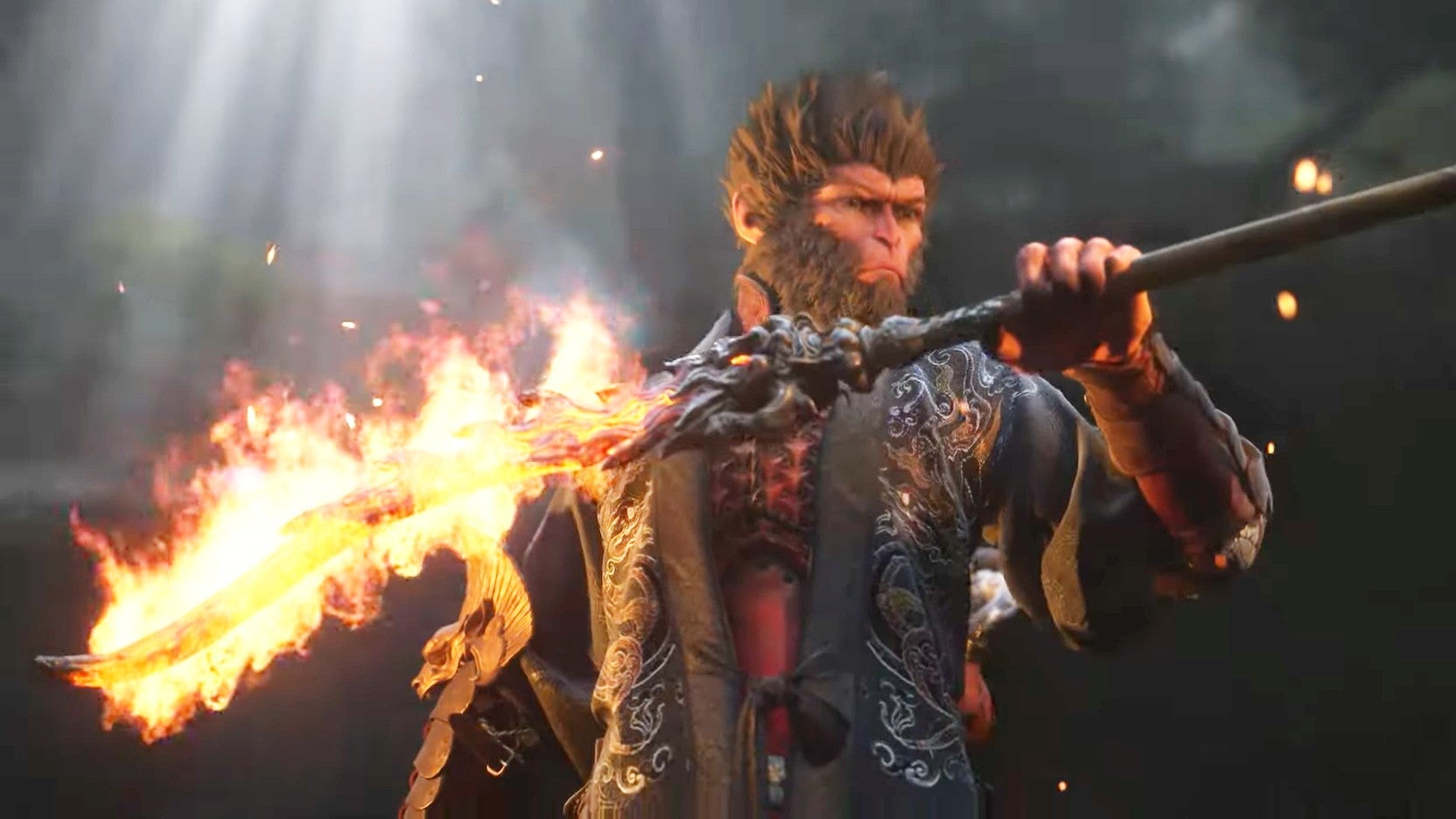
When Black Myth: Wukong first arrived on the digital storefronts of the world in the summer of 2024, it did more than just launch a game; it signaled a seismic shift in the global gaming hierarchy. Developed by the Hangzhou-based studio Game Science, this action-RPG, deeply rooted in the rich tapestry of Chinese mythology—specifically the 16th-century novel Journey to the West—was expected to perform well. However, the sheer velocity of its success shattered expectations, creating a cultural touchstone that continues to resonate nearly two years later.
Recent reports from the Central Committee of the Communist Youth League of China (CYL) suggest that the title has now crossed the monumental threshold of 30 million units sold. If accurate, this milestone places Black Myth: Wukong in an elite echelon of gaming history, breathing down the neck of industry titans like Cyberpunk 2077 and Elden Ring. As we look back at its trajectory, it is clear that Wukong was not merely a fleeting trend, but a landmark moment for the medium.
A Chronology of a Record-Breaking Launch
The journey of Black Myth: Wukong began with a whisper of anticipation that quickly turned into a roar. When the game finally went live, the statistics were staggering. Within hours, it became the most-played single-player game in the history of Steam, commanding a concurrent player count that few multiplayer titles ever achieve.
The launch day was characterized by a massive surge in interest across both Western and Eastern markets. In China, the game dominated live-streaming platforms, turning the act of playing Wukong into a nationwide event. By the time the dust settled on its first four days of availability, Game Science officially announced that the game had surpassed 10 million copies sold. This rapid adoption rate set a new benchmark for premium, single-player titles, proving that there was an insatiable global appetite for high-fidelity, culturally specific storytelling.
As the months progressed, the game transitioned from a "launch success" to a sustained hit. While it ultimately fell short of the top prize at The Game Awards 2024—losing out to the whimsical charm of PlayStation’s Astro Bot—its impact remained undeniable. It became the yardstick by which future "triple-A" projects in China were measured, effectively acting as a catalyst for a new wave of high-budget console and PC development within the region.
Analyzing the Data: The 30 Million Milestone
The claim of 30 million units sold, originating from the CYL, serves as a fascinating point of comparison for the industry. To understand the gravity of this figure, one must look at the competitive landscape.
Cyberpunk 2077, CD Projekt Red’s sprawling sci-fi epic, currently sits at approximately 35 million copies sold as of late 2023. Elden Ring, the masterpiece from FromSoftware, reached the 30 million milestone in April 2024, roughly three years after its release. If Black Myth: Wukong has indeed matched Elden Ring’s total in a significantly shorter timeframe, it suggests that the game’s "tail" is remarkably long.
While Game Science has maintained a measured silence regarding these specific figures, the implications are profound. Achieving 30 million sales in such a condensed window would not only make it one of the fastest-selling games of all time but would also validate the "single-player experience" in an era where industry analysts have often prioritized live-service, multiplayer-focused models. The data suggests that players are still deeply invested in singular, narrative-driven epics, provided the quality matches the ambition.
Official Stance and the Reality of "Expectation"
In response to inquiries regarding these sales figures, Game Science has adopted a posture of humble confidence. While they declined to confirm or deny the 30 million figure, their statement provided a clear window into the studio’s philosophy.
"At this time, we don’t have any new sales figures to share beyond our previously announced milestone of over 10 million copies sold," a representative for Game Science stated. "What we can say is that Black Myth: Wukong has achieved results beyond our expectations in both China and international markets."

The studio emphasized gratitude, noting that the game’s ability to resonate across borders—from its domestic audience to players in North America, Europe, and beyond—has been the most rewarding aspect of the project. "It’s been wonderful to see the game continue to resonate with audiences globally," the studio added, "and we’re deeply appreciative of the community and media partners that have supported the title since launch."
This response is telling. It avoids the trap of "chasing the numbers" and instead focuses on the longevity of the game’s community. For a developer that was, until recently, relatively obscure on the global stage, the focus remains on sustaining the momentum built during that historic launch week.
The Implications: A New Era for Chinese Development
The success of Black Myth: Wukong has wider implications for the global gaming ecosystem. For years, the Chinese gaming market was characterized largely by mobile titles and free-to-play MMOs. Wukong proved that a Chinese developer could compete on the global stage with a premium, traditional single-player action game that required no microtransactions or live-service hooks to succeed.
This has shifted the investment landscape. Both venture capitalists and major publishers are now looking toward China with renewed interest, seeking the next "blockbuster" that can bridge the gap between Eastern mythology and Western playstyles. The "Wukong Effect" has arguably emboldened smaller studios in China to pursue projects that might have previously been deemed too risky or too niche for the international market.
Furthermore, the game’s success has forced a reassessment of how cultural content travels. Black Myth: Wukong did not "Westernize" its source material; instead, it leaned into the complexities of the Sun Wukong myth, trusting the audience to engage with its depth. This success serves as a blueprint for developers worldwide: authenticity, when paired with high-end production value, is a potent commercial force.

What Lies Ahead: The Shadow of Zhong Kui
The story of Black Myth is far from over. During Gamescom last year, Game Science revealed that the series would expand with Black Myth: Zhong Kui. While details remain sparse, the title focuses on the legendary ghost-catching god who occupies a unique space between the realms of the dead and the living.
It is a strategic choice. By focusing on another figure from Chinese folklore, Game Science is signaling that they are building a "Black Myth" universe rather than merely iterating on the story of the Monkey King. The studio has confirmed that the upcoming title is being built for PC and "mainstream console platforms," indicating that they intend to maintain the high-fidelity standard established by their debut hit.
While a release date for Zhong Kui remains elusive, the anticipation is already building. If Wukong was the proof-of-concept for the studio’s capabilities, the next entry will be the test of their consistency. Can they capture lightning in a bottle twice?
For now, the industry watches with bated breath. Black Myth: Wukong has already secured its place in the history books, not just as a financial success, but as a cultural bridge that fundamentally changed the perception of what Chinese developers could achieve. As the game continues to find new players and the studio prepares for its next chapter, one thing is certain: the world of Black Myth is only just beginning to unfold.
 Laily UPN
  Nila Kartika Wati
  Asro
Asro 