
 By Lina Hope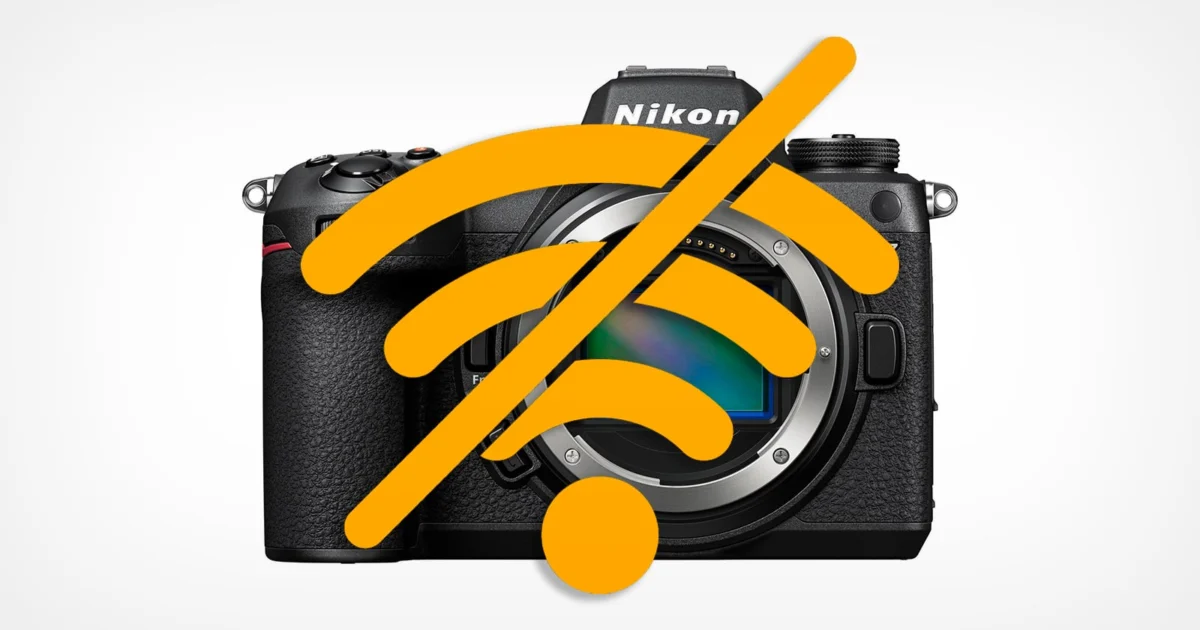
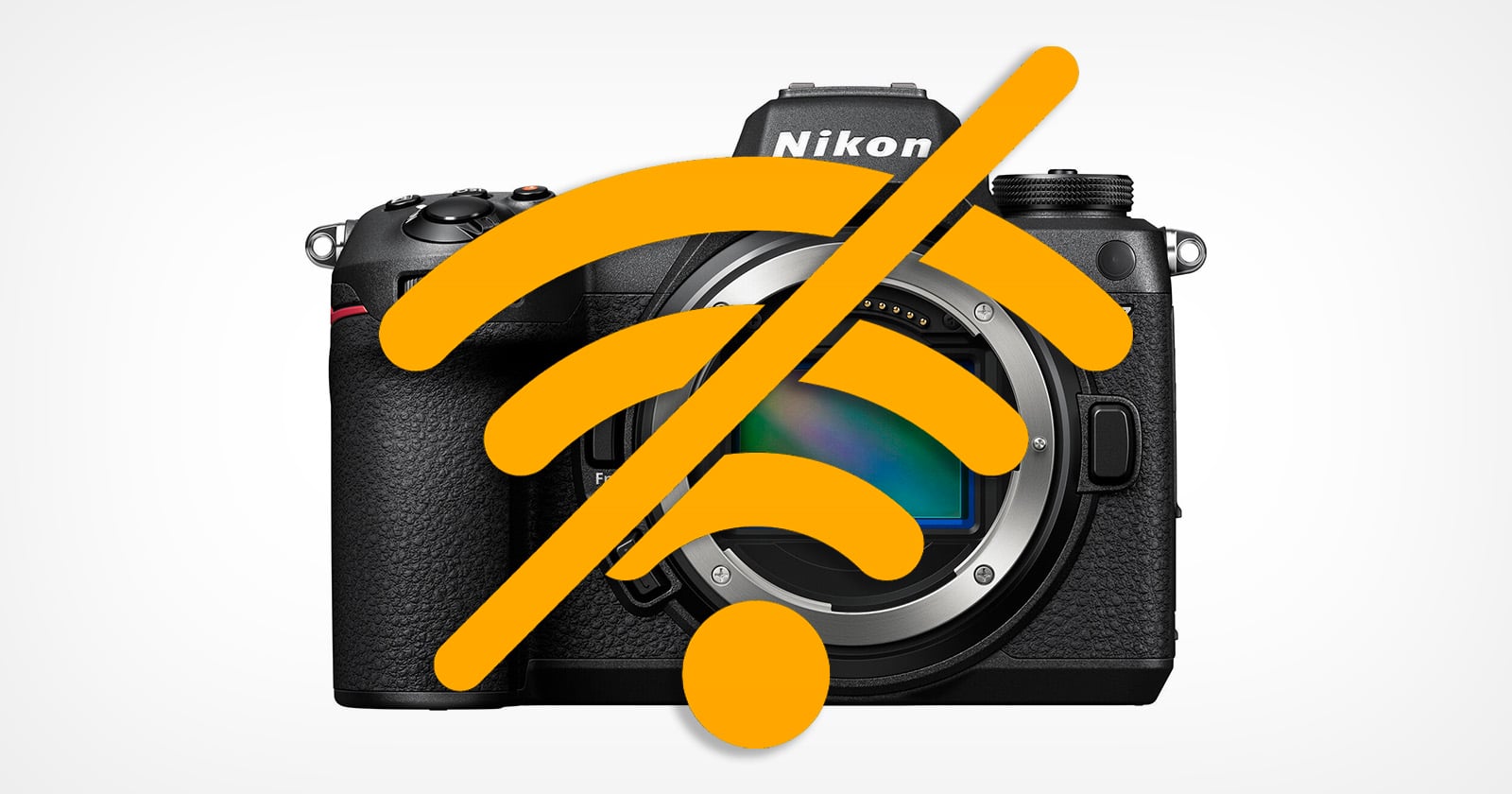
In an industry where the relentless pursuit of "more"—more megapixels, faster frame rates, and seamless wireless integration—defines the competitive landscape, a recent listing on B&H Photo Video has left the photography community scratching its heads. A new, peculiar variant of the Nikon Z6 III has appeared on the market, marketed explicitly as the "Nikon Z6 III (No Wireless Connectivity)."
At first glance, it seems like a marketing error or a cruel prank: a camera that lacks standard modern features yet commands a price tag nearly $400 higher than the MSRP of the standard, feature-rich Z6 III. However, digging beneath the surface reveals a fascinating intersection of industrial security requirements, specialized manufacturing, and the realities of small-batch production.
The Anomaly: A Premium Price for a "Disabled" Camera
The discovery occurred during a routine sweep of camera market trends. While tracking Prime Day deals, observers noted that while the standard Nikon Z6 III—launched to widespread acclaim in June 2024—was seeing typical discounts, a new listing appeared for the "No Wireless" variant.
The standard Z6 III carries a retail price of approximately $2,696.95. In contrast, the "No Wireless" version is listed at $3,079.95. For a consumer, this is a jarring proposition: pay nearly 15% more for a device that is essentially a standard camera with its connectivity "guts" ripped out. Without Wi-Fi or Bluetooth, this specialized camera is severed from the modern ecosystem of smartphone pairing, wireless image tethering, and GPS metadata syncing through Nikon’s SnapBridge app.
A Chronology of the Specialized Segment
To understand why this camera exists, one must look at the history of high-end imaging hardware in the government and industrial sectors. For years, Nikon has operated a "shadow" side of its business—a B2B pipeline providing custom-engineered gear to entities that prioritize information security above all else.
- Pre-2024: Nikon has long fulfilled requests from government agencies, research facilities, and high-security industrial labs for "sanitized" hardware. These requests were handled through private, direct contracts.
- June 2024: The global launch of the Z6 III provided a new, high-performance platform for these clients to adopt.
- Mid-2026: Recognizing that the demand for "no-wireless" equipment had trickled down from federal agencies to smaller private-sector firms and security-conscious institutions, Nikon decided to shift its strategy.
- Current Status: For the first time, Nikon is testing the waters by making a limited run of these secure-environment cameras available through authorized retail partners like B&H, rather than strictly through internal sales channels.
The Paradox of Production Costs
The most common question regarding this release is: How can a camera with fewer components cost more money?
The answer lies in the economies of scale and the complexities of the manufacturing line. In modern mass-market electronics, the assembly line is optimized for a specific configuration. When a product is built in the tens of thousands, the cost per unit is minimized.
When Nikon receives a request for a "no-wireless" variant, it does not simply turn off a setting in the firmware. It involves a fundamental disruption of the production flow.
- Supply Chain Decoupling: Engineers must ensure that Wi-Fi and Bluetooth chipsets are omitted from the circuit board assembly process entirely.
- Firmware Sanitization: The operating system must be re-coded to ensure that no "hooks" for wireless functionality remain, preventing accidental activation or security vulnerabilities.
- Manual Intervention: Unlike the fully automated assembly lines for the standard Z6 III, these units often require manual oversight to ensure the hardware omission doesn’t trigger system errors or boot loops.
- Limited Yields: Because these are produced in small, boutique batches, Nikon cannot spread the costs of R&D and specialized assembly across a massive inventory. The price tag, therefore, reflects the "cost of complexity" rather than the "cost of materials."
Official Response: Why Now?
PetaPixel reached out to Nikon USA for clarification on this unconventional retail strategy. A spokesperson for the company explained that the decision was driven by feedback from their professional and retail partners.
"Nikon routinely works directly with government and industrial partners who require that a camera lack wireless connectivity hardware for security reasons," the representative stated. "Historically, these cameras were produced on an as-needed basis with long lead times. However, we have heard from our retail partners that there is a recurring demand for these units among customers who have similar strict security requirements."
By placing these units on the open market, Nikon is effectively conducting a "market pulse" test. They are evaluating whether the demand for secure, non-wireless hardware is high enough to justify maintaining a consistent supply chain for such a niche product. This represents a significant shift in transparency for the company; rather than hiding the "secure" version of their cameras, they are bringing it into the light.
Implications for Security-Conscious Professionals
For the average photographer, this camera is effectively a "dumb" version of a high-end tool. However, for a specific subset of professionals, this is a dream come true.
The Security-First Workflow
In environments such as secure government facilities, R&D labs, or proprietary industrial sites, wireless signals are strictly prohibited to prevent data leaks or unauthorized remote access. In the past, photographers in these roles had to either use aging, legacy equipment or rely on cumbersome, non-standard modifications that could void warranties and impact reliability.
With the "No Wireless" Z6 III, these professionals get a state-of-the-art sensor, industry-leading low-light performance, and the robust Z-mount lens system, all while adhering to the strictest site-security protocols.
Data Integrity and Wired Connectivity
While the camera lacks wireless capability, it is not a "brick." It retains all the physical, wired connectivity features that define the Z6 III. Users can still transfer data via high-speed USB-C or use HDMI for external recording. The camera remains a powerhouse for studio work, industrial inspection, and secure documentation, provided the user is willing to embrace a cable-reliant workflow.
The Future of "Sanitized" Hardware
The introduction of this variant raises an intriguing question: Could this become a standard offering?
If Nikon finds that this experiment yields a stable, albeit small, customer base, we may see more "security-hardened" variants of their flagship mirrorless line. It is a win-win for the company: they monetize a specialized production process that was previously just a cost-center, and they capture a market segment that might otherwise look toward proprietary or dated solutions.
However, it also signals a growing awareness among manufacturers that "connected" is not always "better." In a world increasingly concerned with digital privacy, data breaches, and corporate espionage, the ability to physically disconnect from the cloud is becoming a premium feature in its own right.
Conclusion
The Nikon Z6 III (No Wireless Connectivity) is a masterclass in specialized engineering. While its price point may seem inflated to the hobbyist, it is a perfectly logical product for the niche industrial market it serves. It is a reminder that in the world of high-end photography, the "value" of a camera is not just in what it can do, but in what it is restricted from doing.
For the vast majority of users, the standard Z6 III remains the logical choice. But for those operating in the shadows of high-security facilities, Nikon has finally provided a modern, professional-grade tool that respects the necessity of being completely, undeniably offline.
 Laily UPN
  Reynand Wu