
 By Nila Kartika Wati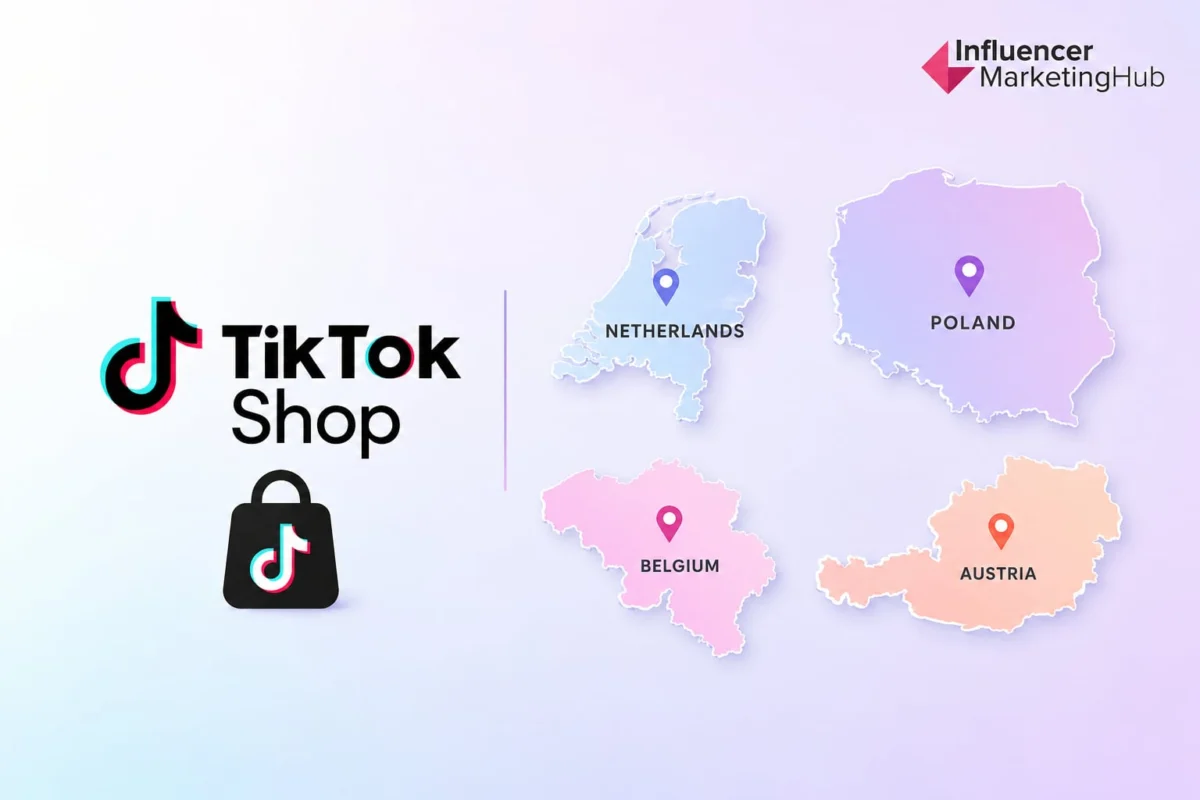
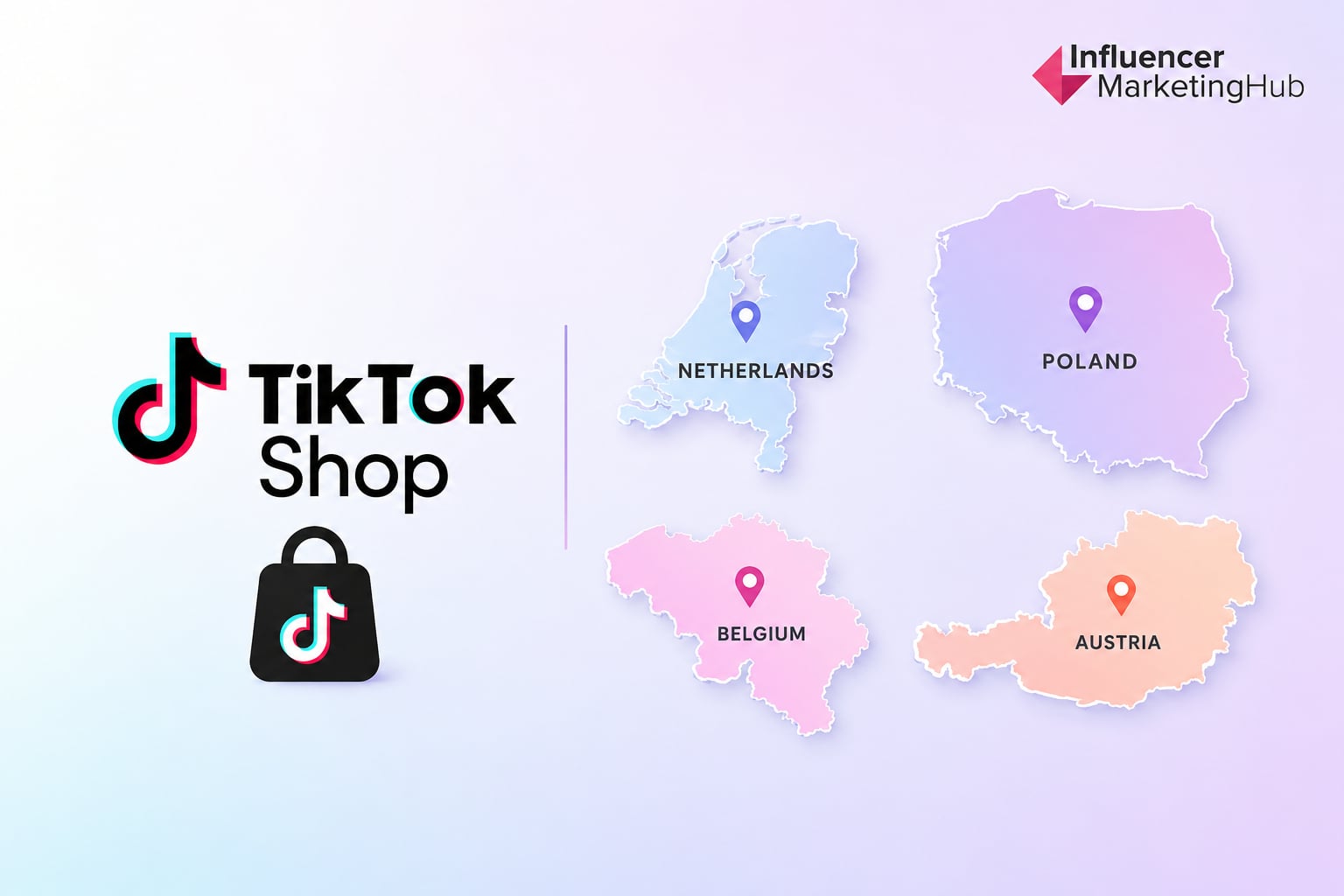
On June 15, TikTok officially expanded its Shop ecosystem into Austria, Belgium, the Netherlands, and Poland. While industry observers might categorize this as a routine geographic footprint increase, the scale and velocity of the move suggest a more seismic shift: TikTok is aggressively positioning itself to become the primary engine of creator-led commerce across the European continent.
What began as an experimental foray into social commerce has matured into a sophisticated, high-growth ecosystem. By blending algorithmic content discovery with frictionless, in-app transaction capabilities, TikTok is fundamentally altering the European retail landscape.
Main Facts: The European Expansion
The arrival of TikTok Shop in four new European markets is a calculated maneuver designed to consolidate the platform’s influence over the consumer journey. With this launch, TikTok is not merely exporting a feature; it is deploying a comprehensive infrastructure that bridges the gap between entertainment and retail.
The platform’s strategy is built upon the "Discovery Commerce" model. Unlike traditional e-commerce, which relies on the "search-and-intent" paradigm—where a consumer knows what they want and seeks it out—TikTok reverses the flow. Products are surfaced to users based on their interests, values, and engagement patterns, often long before the consumer has identified a specific need.
By integrating the checkout process directly into the user experience, TikTok has eliminated the "friction of the redirect." Users no longer need to click a link, wait for a browser to load, or navigate a third-party site. This seamlessness is the bedrock of their current success.
Chronology: From Experiment to Essential Channel
To understand the significance of this expansion, one must look at the rapid maturation of TikTok Shop over the last 18 months.
- The Pilot Phase (2023): TikTok tested the waters in key markets like the UK, refining its logistics and affiliate systems.
- Rapid Scaling (August 2025 – February 2026): This period marked a turning point for the platform. During these six months, TikTok saw triple-digit growth in daily Gross Merchandise Value (GMV) across France, Germany, Ireland, Italy, and Spain.
- The Ecosystem Milestone: During this same window, the number of businesses actively using TikTok Shop in those core European markets surpassed 100,000, signaling a permanent transition from a niche experimental tool to a core sales channel for both SMBs and major retailers.
- The June 2026 Expansion: The inclusion of Austria, Belgium, the Netherlands, and Poland marks the current frontier, signaling that the "Sell Across Europe" framework is now stable enough to handle complex, multi-currency, and multi-regulatory environments.
Supporting Data: Why the Numbers Favor TikTok
The numbers behind the platform’s growth are compelling, pointing to a fundamental change in how the next generation of shoppers behaves.
The Power of the Creator Economy
Data indicates that 70% of shoppers now act directly on creator recommendations. This shift highlights a decline in trust for traditional top-down advertising and a massive migration toward peer-to-peer influence. TikTok has capitalized on this by creating an affiliate infrastructure that allows creators to earn commissions on sales generated through their content.
Conversion and Retention
Perhaps the most striking metric is that 68% of TikTok Shop users report purchasing directly through the app. With over 200 million monthly active users across Europe, the sheer scale of this "captive audience" represents a potential goldmine for brands. When you combine high-intent content—delivered through short-form videos and livestreams—with a native, one-tap checkout, the conversion funnel becomes significantly shorter than that of traditional e-commerce.
Official Responses and Strategic Intent
TikTok’s official statements regarding this expansion emphasize the company’s commitment to "empowering brands" and "creating authentic connections." The company’s leadership has consistently highlighted that the goal is not to replace traditional e-commerce, but to complement it by "meeting the user where they are."
By leveraging their "Sell Across Europe" initiative, TikTok is addressing one of the biggest headaches for European retailers: cross-border logistics and localization. The platform now provides a unified framework where sellers can:
- Localize product listings for different languages and currencies.
- Manage cross-border logistics through approved, integrated partners.
- Access a cross-regional network of creators, allowing a brand to scale from a single market to a pan-European presence without the need for fragmented operations.
Implications: The New Rules of Engagement
The expansion of TikTok Shop forces a rethink of the entire retail strategy for European brands.
1. The Death of the "Search-First" Monopoly
For decades, SEO and search-based advertising (like Google Shopping) have been the primary drivers of digital retail. TikTok is now proving that "Discovery-First" commerce can capture a significant share of the wallet. Brands that do not have a presence in the discovery phase are increasingly finding themselves invisible to a large, Gen Z and Millennial demographic that does not "search" for products in the traditional sense.
2. The Professionalization of Livestream Commerce
While the West has been slower to adopt the livestream shopping model popularized in China, TikTok is changing that narrative. By providing tools for real-time product demonstrations, live Q&A, and exclusive "drop" events, TikTok is turning the livestream into a high-conversion event. For brands, this requires a pivot toward "live-first" content strategies, where creators act as modern-day, digital-native sales associates.
3. Lowering the Barrier for Cross-Border Growth
The "Sell Across Europe" program is a structural advantage that will likely disrupt the existing landscape of European marketplaces. By simplifying the complexities of international sales, TikTok is effectively lowering the barrier to entry for smaller, agile brands. A boutique brand in Poland can now reach consumers in the Netherlands with the same ease as a multinational corporation, provided they have a compelling content strategy.
4. The Creator as a Performance Channel
Brands are no longer looking at creators as mere "awareness" tools. The affiliate model inherent in TikTok Shop turns every creator into a performance marketing channel. The implication is that brands will move toward a "long-tail" influencer strategy—partnering with hundreds of smaller, niche creators rather than a few massive celebrities—to drive consistent, predictable revenue.
Conclusion: Preparing for the Future
The launch in Austria, Belgium, the Netherlands, and Poland is merely a heartbeat in the broader evolution of the digital economy. What we are witnessing is the convergence of social media, entertainment, and commerce into a single, cohesive ecosystem.
For the modern brand, the takeaway is unequivocal: TikTok Shop is no longer a peripheral experiment. It is a central commerce hub. Success in this new era will not be defined by who has the best search keywords, but by who can most effectively weave their products into the cultural fabric of the platform.
As the platform continues to refine its logistics, expand its affiliate networks, and deepen its integration into the daily habits of millions, the brands that master "discovery commerce" today will be the ones that own the market share of tomorrow. The European landscape has been reshaped, and the era of the creator-led retail giant has officially arrived.
 Siti Muinah
  Dwi Wanna
  Lina Irawan