
 By Basiran
In the modern hospitality landscape, a growing trend has emerged that masquerades as an amenity while functioning as a restriction: the deliberate omission of Wi-Fi in the name of "mindfulness." From boutique mountain lodges to rustic-chic coastal resorts, properties are increasingly marketing their lack of internet access as a curated, wellness-focused experience. However, for the modern traveler—particularly the growing legion of remote workers, freelancers, and professionals whose livelihoods depend on connectivity—this "digital detox" is less of a luxury and more of an imposition.
The core of the issue is not a technological inability to provide service; it is a philosophical decision by property owners to dictate how guests spend their downtime. As the boundary between leisure and labor becomes increasingly porous, the forced removal of connectivity does not create peace; it often creates anxiety, logistical hurdles, and a profound loss of autonomy for the guest.
The Anatomy of a Forced Disconnect
To clarify the scope of this critique, it is essential to distinguish between infrastructure limitations and intentional exclusion. If a remote backcountry ski hut in the high Alps or a tented camp in the heart of the Gobi Desert lacks Wi-Fi due to geography, that is an inherent feature of the location. Travelers booking such remote experiences expect—and often desire—that isolation.
The controversy lies in the "intentional blackouts" found in accessible areas. These are properties that have the technical capacity to provide internet but opt out, rebranding a lack of connectivity as a value-add. When a hotel chooses to withhold access under the guise of "wellness," they are making a paternalistic assumption: that the guest lacks the self-discipline to moderate their own digital consumption.
The Professional’s Dilemma
For the freelancer, the consultant, or the remote employee, connectivity is not synonymous with "doomscrolling." It is a lifeline. A quick, 90-second check of an inbox can be the difference between a relaxing vacation and a professional crisis. By providing only intermittent or common-area-only Wi-Fi, hotels force guests to remain tethered to public spaces rather than enjoying their private quarters.
The stress of being "unreachable" is not a meditative state. For those responsible for deadlines or client relations, the uncertainty of not knowing if an emergency has occurred—or if a time-sensitive assignment has been missed—is a significant mental burden that actively detracts from the quality of a vacation.
Chronology of a Hospitality Trend
The rise of "Digital Detox" travel gained significant momentum in the late 2010s, initially popularized by wellness retreats and high-end boutique properties looking to differentiate themselves in a saturated market.

- 2018–2019: The "unplugged" movement begins to gain traction in travel magazines, branding connectivity as a toxin and silence as the ultimate luxury.
- 2020–2022: The global pandemic shifts the paradigm. As remote work becomes normalized, the necessity of reliable Wi-Fi becomes a basic utility, similar to electricity or running water.
- 2023–2025: A reactionary wave occurs. Some properties, feeling that guests are too reliant on technology, begin actively removing Wi-Fi from rooms to "force" a return to analog living, ignoring the reality that their primary demographic now functions entirely in the digital sphere.
This trajectory reveals a disconnect between hotel management—who view the internet as a distraction—and the modern traveler, who views the internet as a tool for autonomy.
Supporting Data: The Need for Connectivity
Data from industry analysts consistently points to connectivity as a top-three priority for travelers, regardless of the trip’s purpose. According to recent surveys regarding 2025 travel trends, while the concept of "JOMO" (the Joy of Missing Out) has gained social media popularity, the functional requirement for high-speed internet has not diminished.
The Psychology of Choice
Psychologists note that the feeling of being "forced" into a behavior—even one that is ostensibly healthy, like unplugging—can trigger a psychological reactance. When a hotel demands that a guest disconnect, they remove the guest’s sense of agency.
True mindfulness is a choice. A guest who decides to leave their phone in a drawer is practicing self-regulation. A guest who is prevented from using their phone by a hotel’s policy is merely being managed. This distinction is critical for the guest experience; empowerment is a luxury service, while restriction is a policy burden.
The Industry’s Defense: Wellness or Convenience?
When confronted with the lack of connectivity, hotel operators often frame their policy through the lens of holistic health. "We want to help our guests reconnect with nature and each other," is the standard refrain found in marketing collateral.
However, critics suggest that there is a more cynical layer to this policy: cost-saving and infrastructure management. Maintaining high-speed, reliable Wi-Fi across an expansive, rustic property can be technically challenging and expensive. By branding the lack of service as an "authentic, rustic experience," hotels can effectively market a technical limitation as a premium feature.
Furthermore, these properties often overlook the "adult" nature of their clientele. If a hotel guest wishes to ignore their emails, they have the willpower to do so. They do not require a hotel to facilitate their digital withdrawal. If they are unable to ignore their work, the presence of a router is not the culprit—the pressure of their professional life is.
Implications for the Future of Travel
The hospitality industry is at a crossroads. As the demographic of "professional travelers"—those who work while they move—continues to expand, the demand for connectivity will only grow.
The Shift Toward "Work-From-Anywhere"
The "Work-From-Anywhere" (WFA) movement is not a fad; it is a structural change in how society approaches labor. Properties that insist on restricting access are effectively alienating a significant portion of their potential customer base. When a hotel chooses to omit Wi-Fi, they aren’t just losing a guest; they are losing the ability to be a part of the modern, flexible workforce ecosystem.
The Call for Transparency
The solution is not to ban "unplugged" retreats, but to prioritize transparency and respect for the guest. If a property wants to promote a digital-free environment, they should:
- Clearly label the property as "Unplugged" during the booking process, not as a surprise upon arrival.
- Offer "Opt-in" connectivity for those who require it, ensuring that even in a wellness-focused environment, the guest retains the power of choice.
- Respect the adult nature of the guest. Provide the environment for relaxation, but leave the digital gatekeeping to the individual.
Conclusion: The Case for Optionality
At the end of the day, a hotel is a service provider, not a lifestyle coach. The most successful properties are those that provide the infrastructure for a seamless experience, allowing the guest to decide how to fill their hours.
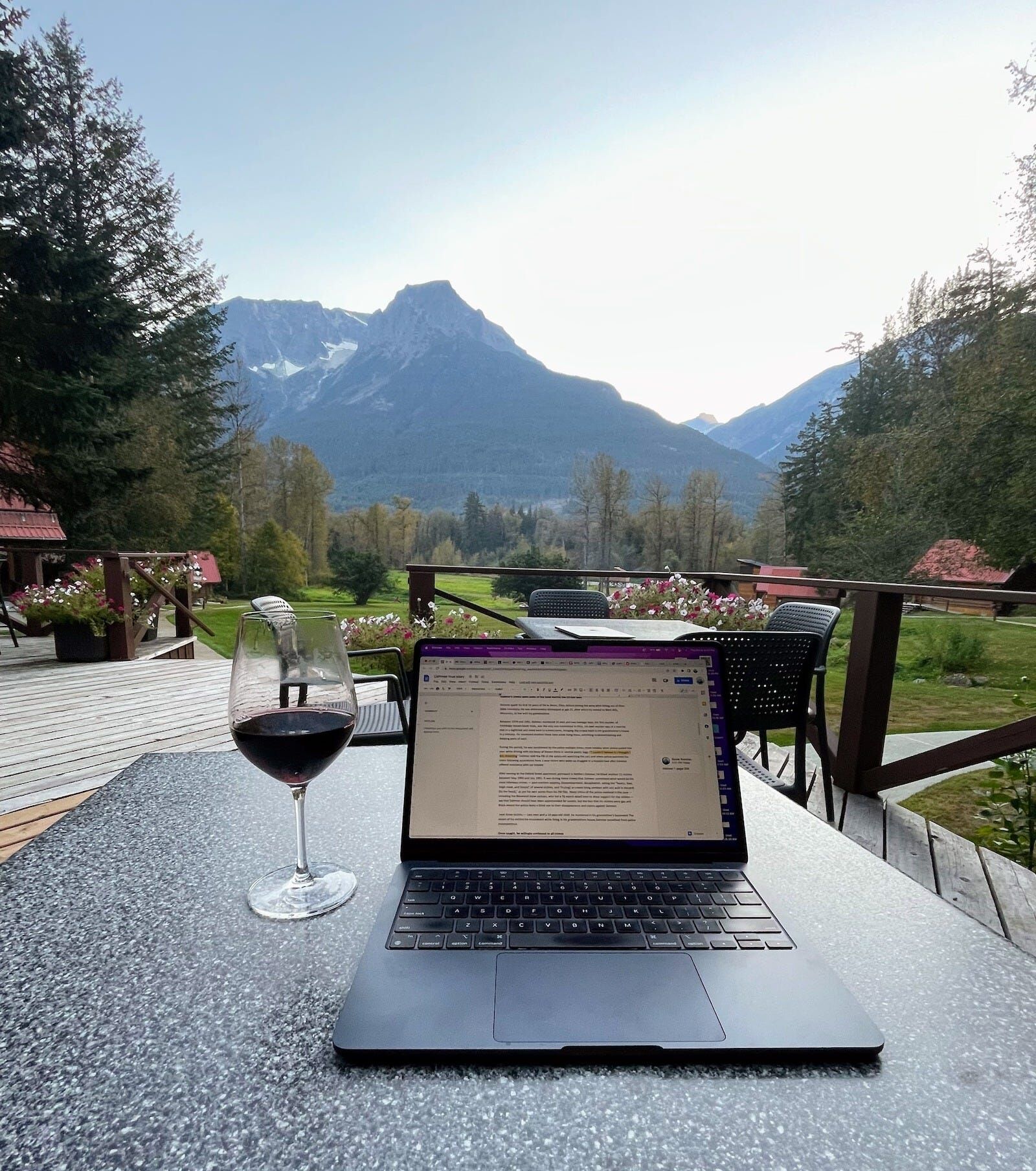
If I choose to spend my time in a remote cabin, I should have the right to check my emails if I need to. If I choose not to check them, that is my prerogative. But when a hotel decides to impose a "digital blackout," they are overstepping their bounds.
The irony is that many of the most basic, budget-friendly accommodations—the kind that don’t pretend to be life-changing spiritual havens—understand this better than the high-end boutique lodges. They provide the Wi-Fi, they keep the lights on, and they trust their guests to manage their own lives.
To the boutique hoteliers of the world: Leave the Wi-Fi on. If I don’t want to use it, I won’t. I promise I have the willpower to turn my phone off without your help. But if I need to send an email, I would very much like the option to do so. True hospitality is about accommodating the guest’s needs, not dictating their path to enlightenment.
 Iffa Jayyana
  Suro Senen