
 By rifanmuazin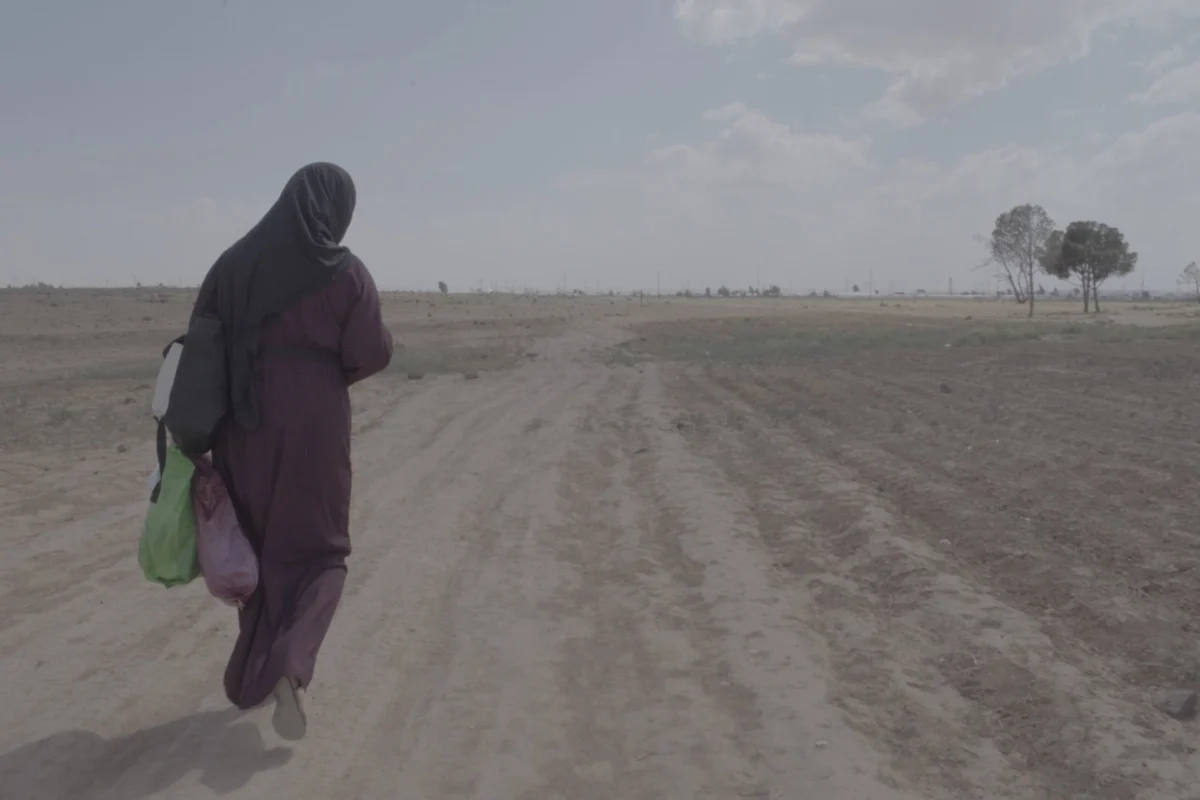
Jordan’s cinematic landscape is undergoing a profound metamorphosis. Once primarily known internationally as a backdrop for sweeping desert epics, the Kingdom has rapidly evolved into a formidable hub of indigenous creativity. This shift is fueled by a new generation of filmmakers who are moving beyond the inherited tropes of regional storytelling—war, displacement, and political strife—to explore the nuanced, intimate, and often taboo facets of the human condition.
Supported by a robust infrastructure of local institutions, including the Royal Film Commission, the Jordan Film Fund, and the prestigious Amman Film Festival, Jordanian cinema is no longer just "emerging." It is asserting a distinct, confident voice on the global stage.
The Infrastructure of Empowerment
The growth of Jordan’s film sector is not accidental; it is the result of deliberate institutional investment. For many up-and-coming directors and producers, the path from script to screen is paved by a network of support systems that prioritize local voices.
The Jordan Film Academy has become a vital incubator for technical skills, while the Royal Film Commission (RFC) continues to act as the backbone of the industry, offering logistical support, location scouting, and critical funding. Perhaps most importantly, the Amman Film Industry Days have emerged as the premier regional nexus for networking, pitching, and professional development.
This ecosystem provides more than just capital; it provides validation. By facilitating connections between local talent and international co-production partners, these institutions have created a pipeline where stories rooted in Jordanian and West Asian realities can reach audiences in Shanghai, Venice, and beyond.

Chronology of Progress: From Pitch to Premiere
The trajectory of recent projects illustrates the speed at which this sector is maturing. Many of the films currently generating buzz on the international festival circuit began their journeys as humble pitches at the Amman Film Industry Days just a year or two ago.
The Case of "Amal"
Khaled Alswidan (Al Khaldi), a Syrian-born filmmaker based in Jordan since 2011, serves as a prime example of this professional trajectory. His documentary project, Amal, follows two Syrian sisters whose lives diverge following the trauma of early marriage and displacement—one remains in the Zaatari refugee camp, while the other seeks a new beginning in the urban sprawl of Amman.
Initially awarded two major development grants in 2024, Amal went on to secure further recognition in Cairo and a coveted spot in the Storyhouse (Bayt Al Hikayat) development program. With production support from the Jordan Film Fund, the project is now entering its final creative phase, with an upcoming stint at the First Cut Lab Doha.
Notably, the project’s evolution highlights the agility of modern filmmakers. Following the fall of the Assad regime in Syria, Al Khaldi made the decision to fundamentally revise the screenplay to reflect the changing reality, including a narrative arc that sees one protagonist return home. This ability to weave shifting geopolitical landscapes into personal, observational cinema is a hallmark of Al Khaldi’s work.
Shifting Narratives: Beyond the Geopolitical Lens
For years, the international appetite for Arab cinema was often limited to "trauma porn"—stories focused exclusively on war, poverty, and political instability. Today, Jordanian producers are pushing back.

Alaa Alasad, a producer at the Amman-based Tabi360, argues that the current "new wave" of Jordanian cinema is defined by a refusal to be exoticized. "We are seeing a shift toward stories that prioritize universal human experiences over cultural stereotypes," Alasad notes.
"Sink" and the New Wave
This shift is perfectly encapsulated in Zain Duraie’s feature film debut, Sink. Centered on a mother navigating the complexities of her teenage son’s mental health disorder, the film tackles a subject that remains largely taboo in the Arab world.
The film, which recently screened at the Shanghai Film Festival, faced significant challenges during its funding phase. "We faced pushback from traditional Western funding sources who asked why the characters didn’t fit their preconceived notions of a Jordanian family," Alasad recalls. "But modern Jordan is diverse, middle-class, and complex. My job as a producer was to protect Zain’s authentic voice. We are reclaiming our right to tell human stories without justifying them through a geopolitical lens."
Supporting Data: The Rise of Genre and Intimacy
The success of these projects is backed by a growing, diverse portfolio of work that spans genres, from social-realist documentaries to character-driven crime thrillers.
- Genre Integration: Zaid Abu Hamdan’s crime thriller Boomah represents a bold move into genre filmmaking. Like Sink, it balances the visceral tension of a thriller with deep-seated social commentary, proving that Jordanian cinema can compete in the commercial space without losing its soul.
- Archival Innovation: Kinda Kurdi’s The Last Mayor of Jerusalem uses a sophisticated blend of archival material, animation, and dramatization to document the life of Rawhi Khatib. The inclusion of Sundance-winning producer Janay Boulos in the production team underscores the growing interest of international A-listers in the Jordanian creative output.
- Upcoming Slate: The production pipeline remains full. Ameen Nayfeh, following the critical success of 200 Meters, is preparing Jo of Montreal, set to film across Jordan and Saudi Arabia. Additionally, Lara Zidan’s debut feature Birthday is slated for production later this year, further diversifying the thematic scope of the national output.
Official Responses and Industry Sentiment
Gianluca Chakra, head of the Dubai-based Front Row Productions, believes the international market is finally catching up to the quality of Jordanian storytelling.

"What excites me most is the confidence of the new generation," Chakra says. "They are telling stories in their own voice, embracing local realities and trusting that authenticity will allow those stories to travel. There is a growing belief that Jordanian stories do not need to imitate anyone else in order to find audiences."
This sentiment is echoed by the filmmakers themselves. For Al Khaldi, the ability to capture "stories that remain beyond the reach of the camera" is a direct result of the trust he builds within his community. As the eldest brother of five sisters, he brings a deeply personal awareness to his exploration of social pressures and violence—a perspective he sharpens in collaboration with his wife and producer, Lujain Hamdan.
Implications for the Future of West Asian Cinema
The rise of the Jordanian film sector carries significant implications for the broader West Asian region. By establishing a sustainable model for independent, authentic, and high-quality filmmaking, Jordan is setting a precedent for its neighbors.
1. Market Resilience
Jordan has proven that a market does not need to be the largest to be the most respected. By focusing on consistency and institutional support, the country has built a "brand" of cinema that is synonymous with integrity and artistic courage.
2. Redefining "Universal"
The success of films like Sink and Boomah challenges the Western-centric definition of "universal themes." By proving that mental health, family dysfunction, and the search for dignity are as resonant in Amman as they are in London or New York, these filmmakers are effectively decolonizing the global film market.

3. The Shift to Professionalism
The transition of projects like Hamza Hamidah’s Asphalt—a documentary following a refugee’s postponed wedding due to conflict in Gaza—from the Amman Film Industry Days to post-production shows a shortening of the gap between concept and completion. This efficiency is attracting more international co-production partners, which in turn brings more resources to the local industry.
Conclusion: A Confident Horizon
The narrative of Jordanian cinema is no longer being written by outsiders. It is being written by filmmakers who live in the "socially complex environments" of the region, who understand the nuance of their own traditions, and who are brave enough to challenge the taboos that have stifled expression for decades.
As the industry moves forward, the focus will likely remain on this blend of local rootedness and international accessibility. With upcoming projects like Jo of Montreal and Birthday poised to enter the festival circuit, the momentum shows no signs of slowing.
Jordan has moved past the stage of proving it can make films. It is now entering the stage of defining the medium for a new generation of West Asian storytellers—one that refuses to look away, refuses to compromise, and, most importantly, refuses to be anything other than authentic. The world is watching, and for the first time, what it sees is the true, unfiltered face of Jordanian life.
 Asep Darmawan
  Azzam Bilal Chamdy